Choosing UK mehndi cones versus salon paste for home practice
Compare UK ready mehndi cones and salon paste for home practice: consistency, ingredients, stain timing, and careful cosmetic-safety language, without brand rankings.
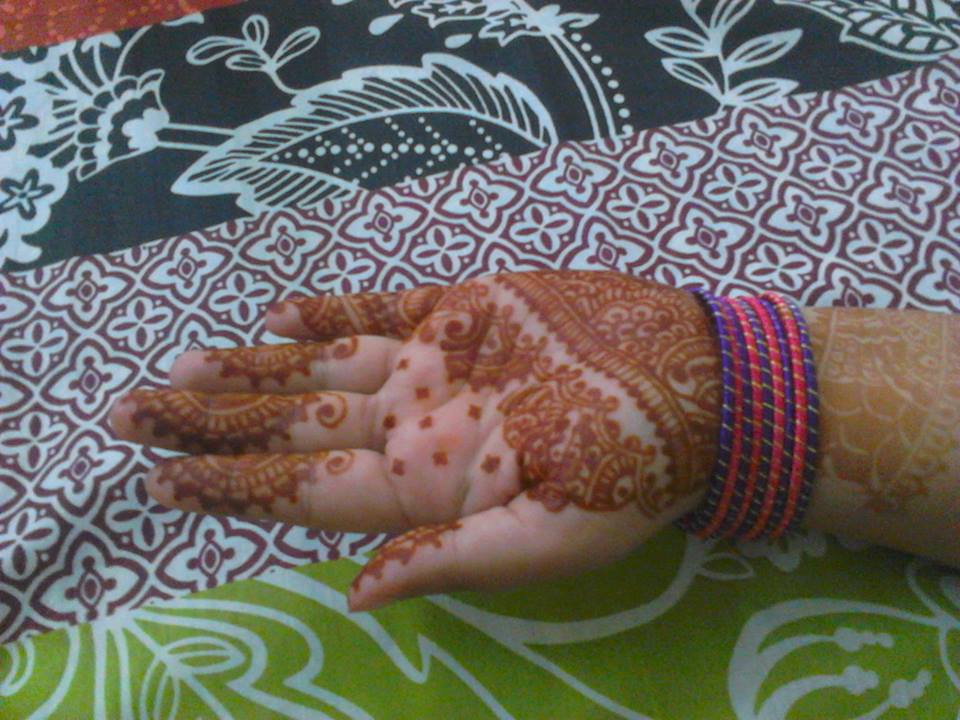
Home mehndi practice in a UK flat is a different job from a bridal booking. You are training line control, spacing, and stain patience, not staging a wedding. The product choice still matters: a ready cone and a blob of salon paste behave differently on the skin, dry on different clocks, and arrive with different levels of ingredient clarity. This is a product-method comparison for practice nights, checked against public NHS and British Skin Foundation pages around September 2026. It is not medical advice, not a ranked shop list, and not permission to invent “black henna” for a darker Instagram look.
What each format is actually good for
Ready cones win when you want a fixed tip size, a sealed tube you can put down without a bowl tipping, and a practice session that starts in under a minute. They suit small designs, fingertip drills, and short evening sessions. Trade-offs: once the cone warms and softens, flow can race; old stock can thicken or separate; and the ingredient list is whatever is printed, if anything is printed. Treat every cone as a cosmetic product you must be able to name ingredients for, not as “just henna from the aisle.”
Salon or artist paste wins when you need a fresher mix, a consistency adjusted for your weather and skin, or a short coaching conversation about how that batch should feel under the tip. Artists often mix leaf powder with liquids and oils for a session. You may take a small sealed portion home for practice if they agree. Trade-offs: you must ask what went in, how long it stays usable, and how to store it in a fridge that also holds leftovers. A generous free sample is still a cosmetic on your skin.
| Question | Ready cone | Salon / artist paste |
|---|---|---|
| Setup speed | Usually faster | Depends on collection and fridge time |
| Flow control for drills | Tip is fixed; warm gently if stiff | Often more adjustable if the mixer cooperates |
| Ingredient clarity | Only as good as the label and seller answers | Only as good as the artist’s written list |
| Best practice use | Short drills, travel kits, solo evenings | Matched consistency after a trial, shared technique tips |
| Storage | Cool, sealed, note the expiry if printed | Ask fridge time and discard date in writing |
Neither format is “more authentic.” Natural henna paste stains orange-brown as it develops. Jet-black, near-instant “tattoo” colour is a warning sign, not a premium upgrade. Choose the format that lets you practise clean lines while keeping the paste identifiable.
Cosmetic safety before you chase a darker stain
So-called “black henna” is the main hazard to refuse, whether it arrives as a cone, a festival stall paste, or a WhatsApp “pro tip.” The NHS page on hair dye reactions notes that temporary “black henna” tattoos often contain high levels of para-phenylenediamine (PPD) and should be avoided because that exposure can increase the risk of a serious reaction later when PPD appears in hair dye. The British Skin Foundation explains that real henna is orange/brown, that PPD is allowed in regulated hair dye but not for skin-contact temporary tattoos in the EU framework the Foundation cites, and that reactions can include blistering, burns, scarring, and lasting sensitisation. Guidance on those pages was checked around September 2026. Read the live pages for current wording.
Before you buy or accept paste, ask for a full ingredient list. Prefer sellers and artists who can name the leaf powder and additives without vagueness. Avoid products marketed for instant jet-black skin stain. Check GOV.UK product safety alerts if a cone brand is in the news for chemical risk (recalls happen) and discard anything that smells of solvents, burns on contact, or promises a permanent-tattoo look from “henna.”
UK flat practicalities: surfaces, stain time, and aftercare
Practice on a wipeable table with kitchen roll underneath. Henna stains wood and some fabrics. Keep paste off sofas and rental carpets. After you finish a design, follow the paste’s ordinary dry time. Do not scrape early and then chase darkness with unknown oils sold as “instant black.” Lemon-sugar seals and wrapping habits vary by artist; for practice, keep the method simple and consistent so you can judge the product rather than five variables at once.
Wash paste off when the practice session’s timer says so, then moisturise lightly if your skin tolerates it. Photograph wet paste and the next-day stain under the same lamp. That is how you learn whether a cone or a salon batch is teaching your hand or fighting it.
Buying for practice versus buying for a bridal week
Practice stock can be smaller and cheaper. Bridal week stock should be the exact paste you already tested on your skin and hand, bought early enough to replace a bad batch. Do not discover a new cone brand on the morning of mehndi night. If an artist will apply the bridal design, ask whether they want you to avoid practising with unknown additives in the final week so your skin is calm.
Children’s party henna raises the same safety questions as adult practice. Refuse jet-black festival stalls. Prefer a named paste with ingredients you can read, and keep designs small.
A practice method that fits UK evenings
- Pick one format for the week so you learn its flow instead of blaming your hand for two different pastes.
- Drill small: lines, dots, and a single paisley beat a full bridal sleeve on a Tuesday.
- Time the stain honestly: keep paste on as the artist or packet suggests for natural henna. Do not scrape early and then chase darkness with unknown additives.
- Photograph wet and stained results under the same lamp so you can judge the product, not the filter.
- Stop if skin complains. Itch that escalates, burning, or welts are a reason to wash off remaining paste and get advice, not to “push through for the stain.”
Consistency drills that teach faster than full designs
Spend one evening only on straight lines of even width. Spend another on dots and commas. Spend a third on a single paisley you can repeat ten times. Full bridal sleeves hide weak fundamentals under complexity. Practice nights should reveal the weakness, not disguise it.
If you film your hand, film from above with a fixed phone stand. Shaky selfie video teaches less than a stable top-down clip you can compare week to week.
Cones earn their place when they are labelled, ordinary orange-brown henna, and easy to control for short drills. Salon paste earns its place when the mixer will put ingredients in writing and the consistency helps you learn. The wrong choice is any paste you cannot describe, and any “black henna” shortcut that trades a practice night for a PPD problem. PakStyles will not rank UK brands here. Verify the product in your hand, then practise the line.
Practice drills, bridal week, and when to book an artist
Spend one evening only on straight lines of even width, another on dots and commas, and a third on a single paisley repeated ten times. Full bridal sleeves hide weak fundamentals. Bridal week stock should be the exact paste you already tested on your skin. Do not discover a new cone brand on the morning of mehndi night. Book an artist whose paste you have already checked carefully when the design must be even under time pressure.
Sources and official profiles
Was this helpful?
Keep reading
Related stories
More from this desk, this beat, and the tags on this piece.

Readers
The conversation
0 notes
Anyone can leave a note. Guests add a name and email — no account required, and the email is never published.
No notes yet. Yours would be the first.