Best time to visit Pakistan by region and trip type
A season-by-region planning matrix for Pakistan: cities, northern valleys, monsoon risk, family trips, and the buffers high roads demand.
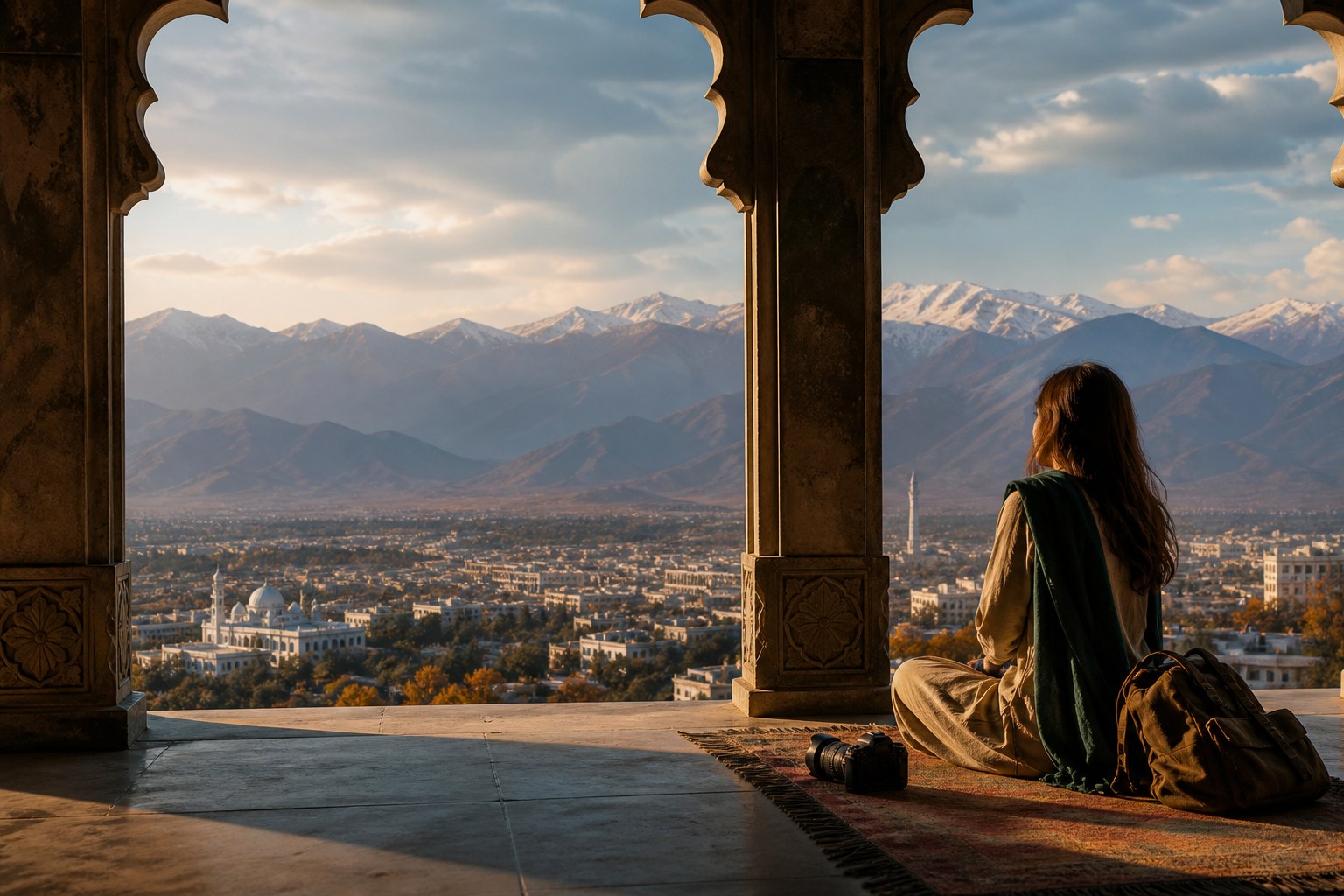
There is no single best month to visit Pakistan. There is a best month for a particular trip type in a particular region, and a wrong month that turns the same itinerary into heat exhaustion, closed passes, or monsoon road delays. This page is a planning matrix, not a promise of weather. Use it to choose a season, then verify road status, accommodation, and official travel advice close to departure.
Start with trip type, not with a viral photograph
Four common trip types need different calendars:
- City and family visits in Lahore, Islamabad/Rawalpindi, or Karachi.
- Northern valley trips based in Hunza or Skardu, sometimes with day access to high plains.
- Valley-and-road trips through Swat or other mid-altitude routes with monsoon landslide risk.
- Coastal or southern heritage trips that trade mountain snow for humidity, wind, and different access questions.
Trying to optimise all four in one fortnight usually produces a tour of airports. Choose the primary type first. Secondary wishes can become day trips only when distance and season allow.
Cities: heat, smog, and social calendars
Lahore and much of the Punjab plain are punishing in late spring and peak summer for travellers unused to sustained heat. Early mornings and late evenings become the usable outdoor windows; midday sightseeing turns into air-conditioned recovery. Winter can be clearer and socially lively, with fog or cold snaps that slow flights and roads. Autumn and late winter or early spring are often the most comfortable compromise for walking cities, food itineraries, and family circuits.
Karachi's coastal climate is milder in winter and humid in summer; cooler still may not feel cool to a visitor from a temperate US or UK city. Monsoon humidity and occasional heavy rain affect drainage and traffic more than mountain passes. Islamabad sits higher and greener; summers are still hot, but evenings can be kinder than Lahore's, and spring gardens are part of the city's appeal.
Social calendars matter as much as temperature. Ramadan changes restaurant hours and daytime energy. Wedding season can fill hotels and roads. Major cricket fixtures or political events can reshape a city's movement. Ask hosts about local timing rather than assuming a Western holiday week is quiet.
| Region focus | Often stronger window | Main seasonal caveat |
|---|---|---|
| Lahore / Punjab cities | October-March for walking comfort | Late spring and summer heat; winter fog delays |
| Islamabad / Rawalpindi | Spring and autumn; winter for city base | Summer heat; rain affects hillside roads |
| Karachi | November-February for milder air | Humidity and monsoon disruption |
| Hunza | April blossom; June-October access; Sept-Oct colour | Winter cold; high side-roads vary |
| Skardu / Deosai access | June-September for high access; Sept quieter | Deosai and high roads close with snow |
| Swat and similar valleys | Late spring and early autumn | Monsoon landslide and road risk |
Northern valleys: access is the season
In Gilgit-Baltistan, season is less about postcard preference and more about which roads and plains are open. High routes and Deosai access typically belong to a summer-to-early-autumn window, often discussed by operators as roughly June through September, with September frequently quieter than July and August. Hunza apricot blossom draws travellers in April, when high plains may still be closed and nights remain cold. Autumn colour in Hunza often peaks around late September into October, while the same weeks can close high excursions earlier than travellers expect.
Flights into Gilgit or Skardu are weather-sensitive. Road journeys are long. A northern itinerary needs buffer days before any international departure. Winter travel is possible to some lower valley towns for experienced travellers who accept cold, shorter days, and limited side trips; it is a poor default for a first family holiday sold on meadow photographs taken in July.
Altitude compounds season. Arriving in peak summer heat at lower elevations and then sleeping high the same night is a different stress from a gradual spring approach. Build rest deliberately. Scenic ambition is not a treatment plan for headache, nausea, or breathlessness; descent and medical care are.
Monsoon, landslides, and mid-altitude valleys
Mid-altitude destinations such as Swat can be green and appealing in summer precisely when heavy rain raises landslide and road-closure risk. July and August may offer access and also delays measured in hours or days after intense storms. Late spring and early autumn often give a better balance of open routes and more stable driving conditions, though no calendar eliminates weather.
Check National Highway Authority notices and local operator updates near travel dates. Do not pressure drivers to make up time after dark on wet mountain roads. A responsible season choice includes the humility to stay an extra night rather than force a ridge crossing.
Trip-type recommendations
First diaspora family visit based in cities: favour October to March for Lahore or Islamabad comfort, or Karachi's cooler months if the family base is coastal. Keep northern add-ons only if the group accepts a separate logistics chapter and buffers.
Honeymoon or couple trip focused on Hunza: consider blossom season if you accept colder nights and limited high-road access, or September for milder days and fewer crowds than peak summer. Book accommodation early for April blossom weeks.
Photography-led northern trip: September and early October often reward clearer air and autumn colour, with the trade-off that some high areas begin closing. Summer offers wider access and busier frames.
Travelling with young children: prioritise cities or a single northern base with short day radii. Avoid stacking monsoon road risk, extreme heat, and high altitude in the same week. School holiday peaks coincide with busy summer north routes; book earlier or shift to shoulder weeks if flexibility exists.
Heritage focus in Sindh or southern sites: winter and early spring are usually kinder than peak summer heat for outdoor archaeological sites. Confirm site hours and current access separately from mountain season logic.
Official advice still edits the calendar
Seasonal comfort does not override district warnings. As of mid-2026, UK advice included strong cautions for Azad Jammu and Kashmir and several border belts; US advice remained Level 3 with area-specific do-not-travel language. A perfect weather window in a discouraged district is still a discouraged district for insured travellers who follow official guidance. Recheck advice when seasons change and before paying deposits.
Festival timing, election periods, and temporary road works can alter an otherwise sensible month. Keep one flexible day for every week on the road, and keep international tickets insulated from the most weather-exposed domestic sector.
How to use this page without turning it into dogma
- Pick the primary region and trip type.
- Choose a seasonal window from the matrix above.
- Verify flights, road openings, and lodging for those exact dates.
- Recheck official travel advice and insurance exclusions.
- Add buffers until the plan survives a missed mountain flight.
The best time to visit Pakistan is the time when your route, body, family obligations, and official constraints can coexist. Everything else is a photograph taken by someone who accepted a different set of trade-offs.
Build a personal season brief before you book
Write one page that names the travellers, the non-negotiable family obligations, the one landscape or city experience that would make the trip feel complete, and the hard return date. Then mark which of those items are heat-sensitive, altitude-sensitive, monsoon-sensitive, or advice-sensitive. The brief prevents a relative from adding a fourth region after tickets are bought.
If two adults disagree about mountains versus cities, settle the disagreement with the brief rather than with airline apps. A city-first trip with a later northern holiday is often kinder than a compromise route that satisfies nobody. Season planning is also relationship planning when diaspora families travel together after years apart.
Finally, attach the date you last checked official advice and road notices. A season matrix without a freshness stamp becomes folklore. Pakistan rewards travellers who treat weather and policy as living inputs rather than as atmosphere.
Money discipline on this route means small notes for toilets and tea, a card for hotels where accepted, and a clear rule about who pays for group meals so resentment does not accumulate beside the scenery.
Health discipline means regular water, shade breaks, and an agreement that headache, vomiting, or unusual sleepiness stops ambition while someone seeks local clinical advice rather than a group-chat diagnosis.
Family discipline means one primary ambition per day, a named abort option, and permission for children or elders to refuse a stop without a lecture about ticket cost.
Driver discipline means daylight arrivals, no pressure after rockfall or fog reports, and a pre-agreed turnaround time written in a note both sides can see.
Photography discipline means asking before faces, skipping drones over private homes, and not posting exact lodging locations for vulnerable households.
Food discipline means freshly cooked choices when stomachs are adjusting, earlier dinners for children, and refusal of a second heavy main simply because a cousin insists.
Exit discipline means a buffer before flights, packed bags the night before, and a calm breakfast rather than a final frantic viewpoint that risks the connection.
If two adults disagree, return to the written brief for best-time-to-visit-pakistan-by-region-and-trip-type: who the trip is for, what success looks like, and which risks are unacceptable. Arguments in motion rarely improve judgement.
After the trip, note what to repeat and what to cut. That private note is more useful than a public highlight reel and becomes the seed of a better second visit.
Sources and official profiles
Was this helpful?
Keep reading
Related stories
More from this desk, this beat, and the tags on this piece.
Landing in Lahore after midnight: an arrival plan for tired families
Mehreen Ali · 25 Oct 2026

Pakistan SIM and eSIM for visitors: sort your phone before the airport taxi
Mehreen Ali · 24 Oct 2026
Renewing a Pakistani passport from the UK: what the online route can handle
Mehreen Ali · 21 Oct 2026
Pakistan visa for British passport holders: check the rule before you book
Mehreen Ali · 15 Oct 2026
Readers
The conversation
0 notes
Anyone can leave a note. Guests add a name and email — no account required, and the email is never published.
No notes yet. Yours would be the first.