First trip to Pakistan: a practical planning guide
A first-visit plan that treats Pakistan as a large, changeable country rather than one compressed itinerary.
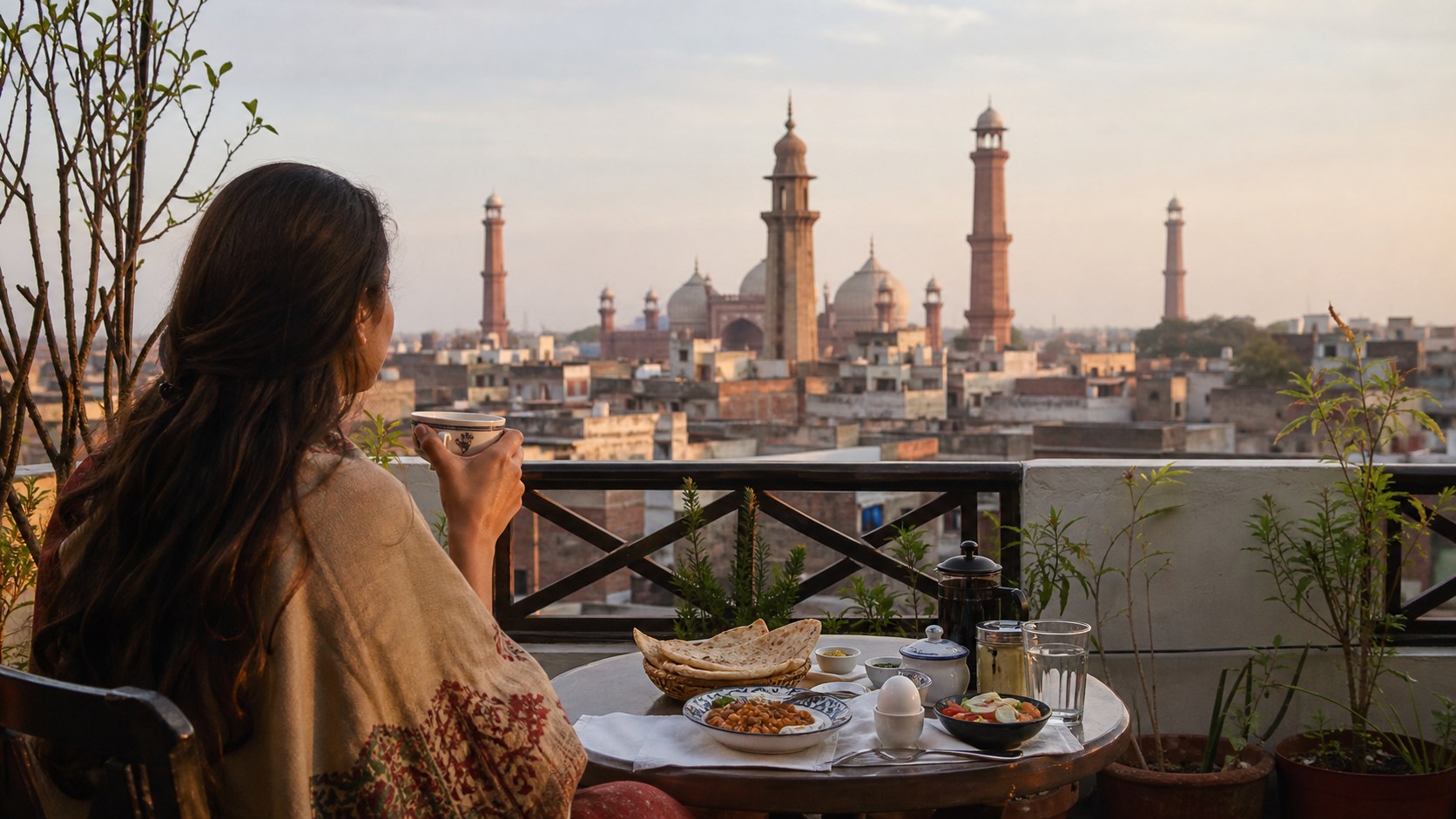
Pakistan is not one itinerary with optional garnish. It is a large country with different climates, security pictures, languages of daily life and hospitality norms. A first trip goes better when you choose a lane early: family visit, city culture, northern mountains, or a disciplined mix that admits how long the journeys between those lanes really take.
This guide is a planning map, not a claim that every district is open or identical. Start with current official advice for your nationality, then build routes, money systems and buffers that can absorb delay. Public UK, US and Pakistani government pages were checked for this September 2026 rewrite; recheck before you pay for non-refundable legs, because advisories and entry processes move.
Read advice before you fall in love with a map pin
UK travellers should begin with the live FCDO Pakistan travel advice and the linked FCDO entry requirements. US travellers should read the US State Department Pakistan page alongside those notes. These pages include regional distinctions and change without regard to your moodboard. If advice warns against travel to a district you pinned for aesthetics, change the pin. An itinerary that ignores advisory geography is not bold; it is unfinished.
Entry rules are set by Pakistani authorities. Many visitors need a visa in advance through the Pakistan Online Visa System. Passport validity expectations and other document rules appear in FCDO entry notes and should be verified for your own nationality and purpose of travel. NICOP or other Pakistani-origin documentation can change the picture—confirm what you personally hold rather than what a relative holds. Journalist and other special categories can carry extra restrictions; follow the visa you actually receive.
For orientation on formal tourism information, the Pakistan Tourism Development Corporation site is a starting point for institutional context. It is not a safety clearance. Safety clearance remains the advisory pages and your own updated reading of them close to departure.
Choose a trip type, then a geography
A first trip that tries to “do Lahore, Karachi, Islamabad and Hunza” in ten days usually becomes an airport and motorway anthology with meals attached. Pick a primary purpose and let it govern. Family hospitality expands time in sitting rooms and shrinks sightseeing—that can be the entire point, but only if you stop measuring the week by museum count. Mountain trips demand buffers for weather, road holds and altitude. City trips demand traffic realism and the humility to do one neighbourhood properly.
A workable pattern for many diaspora first visits is several nights in one major city, an optional short Islamabad or Rawalpindi contrast if the route already passes that way, and only then a northern add-on if time and advice allow. Karachi deserves its own trip logic because of scale and traffic; do not treat it as a half-day stamp between flights. If relatives insist on showing “everything,” ask them to choose two things they love and one meal they trust, then protect empty hours for jet lag.
Money, SIMs and the boring systems that save days
Carry a mix of card and cash strategies that match where you are going. Large city hotels may take cards; smaller restaurants, drivers and mountain towns may prefer cash. Tell your bank you are travelling. Keep a daily float separate from a reserve you do not dip into for souvenirs. Know how you will contact a bank if a card fails without depending on a single phone battery or a single roaming plan.
Buy connectivity intentionally. eSIM and local SIM options vary by passport and biometric rules; ask hosts what currently works rather than trusting a blog from three years ago. Download offline maps for the cities you will walk. Keep hotel addresses in Urdu and English on paper for drivers. Agree taxi or ride-app norms with hosts before you land so arrivals does not become your first negotiation while exhausted and overheated.
Health preparation without turning the trip into a clinic
See a clinician or travel clinic early enough to act on vaccines and personal risk factors. The CDC Pakistan traveler view is useful public orientation; it is not a personal prescription. UK readers can use TravelHealthPro’s medicines abroad guidance when thinking about carrying medication. Pack routine medicines in cabin baggage with copies of prescriptions and clear labelling.
Heat, food adjustment and tiredness spoil more first trips than dramatic scenarios. Read practical heat guidance such as the CDC’s extreme heat prevention page if you are arriving into a hot season, and plan rest after long-haul arrival before a full social calendar. Drink water. Be cautious with unfamiliar oil-heavy meals on day one if your stomach is sensitive—not as cultural rejection, but as pacing so you can enjoy the food later.
Transport realism and daylight habits
Domestic flights, motorways and mountain roads are different products. Monitor National Highway Authority notices for corridor context on motorways and national highways, understanding that they do not replace local judgement on a hill road. Build daylight arrivals into unfamiliar places. Never pressure a driver to “make up time” after dark on a road you do not know. A scenic overlook is not worth a dusk descent that frightens everyone into silence.
Train and bus options exist on some corridors; comfort and timing vary widely. For a first trip, many visitors combine flights between distant cities with car transfers inside a region. Price those transfers as part of both money and fatigue. If a relative offers to drive six hours after work to collect you, consider whether kindness should be accepted as scheduled exhaustion.
Clothing, mosques and family homes
Pack for context rather than for a costume of authenticity. Cities differ from villages; mosque visits need covered shoulders and legs and often sock readiness for shoe removal; mountain evenings cool quickly after hot days. A light scarf earns its place. You do not need to wear shalwar kameez to be respectful, but you do need garments that let you sit on sofas, greet elders and climb stairs without constant adjustment or transparent surprises in sunlight.
In family homes, ask about shoes, prayer space, smoking rules and photograph rules. Hospitality can be intense and loving at once. It is allowed to need sleep. Communicate allergies and medications plainly on day one. Hosts are not mind-readers, even when they have waited years to feed you. Offer to help in ways that do not create more work—clearing tea cups may help more than reorganising someone’s kitchen.
A first-week shape that usually works
Days one and two: arrive, rest, short neighbourhood walks, one simple meal plan with hosts, early night. Days three to five: one heritage or museum morning and one food-focused outing, not five attractions chained by optimism. Days six and seven: either a day trip within advisory limits or a second neighbourhood deep dive. Leave empty space for the cousin introductions that will happen anyway and should not be treated as schedule failures.
If you add the north, add nights—not hours. A single overnight “glimpse of Hunza” from a far city is how people remember tunnels and tea stops instead of place. Northern weather can disrupt flights into Gilgit or Skardu; keep buffer before international departure. Read altitude guidance before you treat every viewpoint as mandatory cardio.
Family politics of the itinerary
First trips with relatives often fail socially when sightseeing goals are hidden inside hospitality goals. Say what you hope for: three mornings out, two free afternoons for sitting rooms, one day entirely for elders. Write it down if needed. A visible plan is kinder than silent resentment when day four is still indoors and you have not said that museums mattered to you.
Money politics deserve equal clarity. Decide who pays for taxis, what gifts you are bringing, and whether you can decline a shopping trip without drama. Generosity flows in many directions in Pakistani families; confusion about who is hosting which meal creates avoidable tension.
Before you lock non-refundable mountain jeeps or third-city flights, re-read the advisory pages for the specific districts on your route. A first trip to Pakistan should leave you oriented enough to return, not exhausted enough to swear off returning. Specificity, buffers and honest trip-type choice are the hospitality you offer yourself.
What to tell yourself on the plane
Bring one book or offline playlist that is not about optimising the trip. First visits densify emotion: airports, hugs, heat, elders crying, children staring, jet lag. A small private ritual—tea the way you like it, a walk alone for twenty minutes—keeps you capable of generosity. Pakistan will still be there tomorrow morning. Your nervous system needs to arrive too.
When plans break, downgrade goals before you escalate pressure on drivers, hosts or yourself. A museum closed for a holiday is information, not insult. The practical planning guide ends where judgement begins: official advice read, buffers built, trip type chosen, and enough humility to let the country be larger than your outline.
Keep a single shared note for bookings, advisory links and emergency contacts so relatives are not circulating three conflicting PDFs. Version control is part of travel safety when families plan by forward chains.
Sources and official profiles
Filed under
Was this helpful?
Keep reading
Related stories
More from this desk, this beat, and the tags on this piece.
Landing in Lahore after midnight: an arrival plan for tired families
Mehreen Ali · 25 Oct 2026

Pakistan SIM and eSIM for visitors: sort your phone before the airport taxi
Mehreen Ali · 24 Oct 2026
Renewing a Pakistani passport from the UK: what the online route can handle
Mehreen Ali · 21 Oct 2026

Pakistan visa for British passport holders: check the rule before you book
Mehreen Ali · 15 Oct 2026
Readers
The conversation
0 notes
Anyone can leave a note. Guests add a name and email — no account required, and the email is never published.
No notes yet. Yours would be the first.