Cities
Rawalpindi old-city walk: bazaars without turning residents into scenery
A practical guide to rawalpindi old-city walk bazaars without turning residents into scenery, with specific advice on Raja Bazaar, lanes, architecture, food, tr
By Mehreen Ali
Travel editor
14 min read
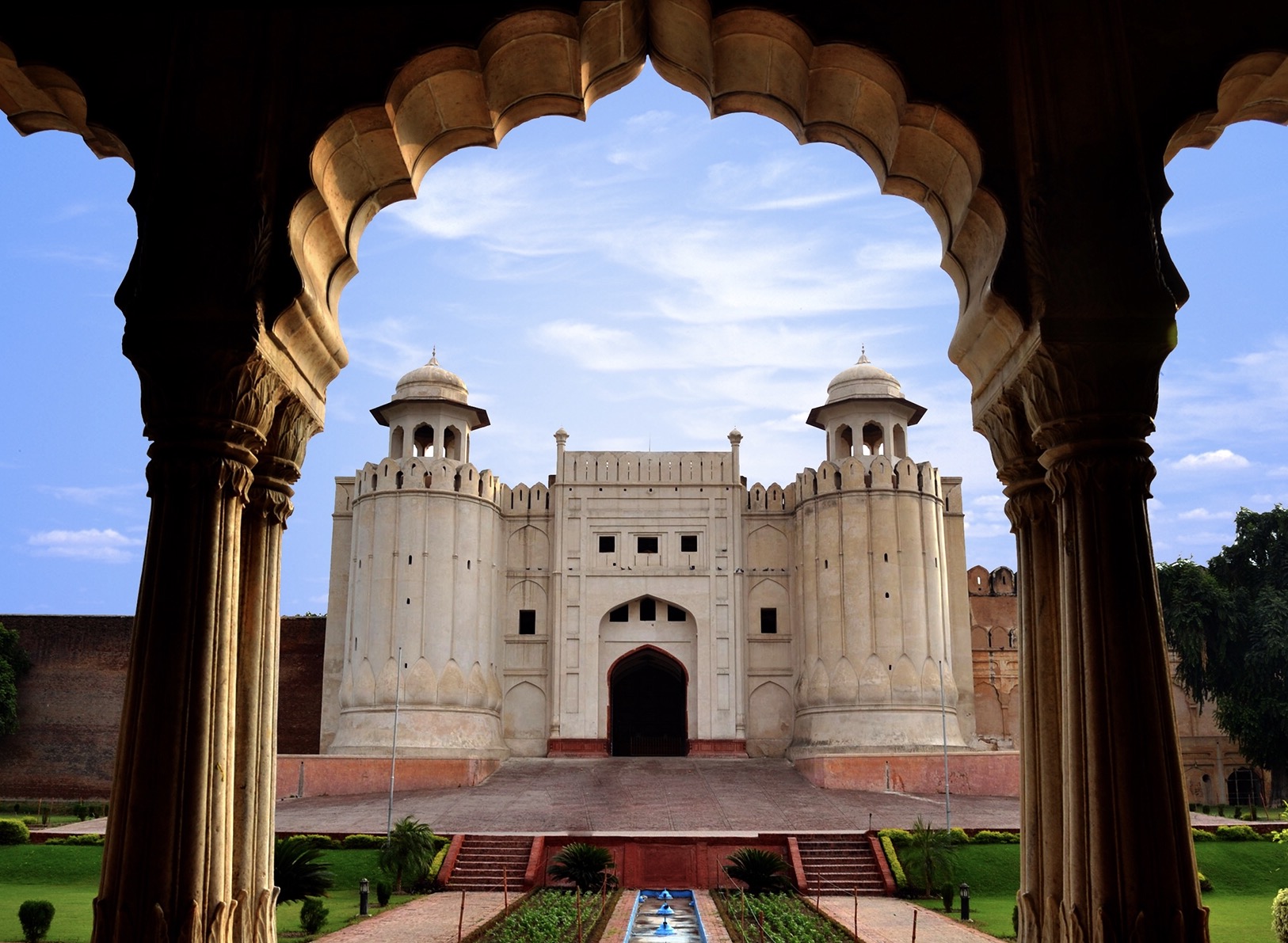
Treat this journey as a sequence of days with space between them. Raja Bazaar shapes the opening decision, while the plan stays realistic only if it accounts for route planning when weather, traffic or energy changes.
What would you remove from the itinerary for Rawalpindi old-city walk to give the journey more breathing room?
— A question for PakStyles readers
Raja Bazaar: where to begin
Treat Raja Bazaar as a dated part of the itinerary. Confirm the location, access, journey time and opening or stopping conditions shortly before travel, then save a lower-energy alternative nearby. If Raja Bazaar changes, remove another stop rather than stealing time from meals, rest or the return journey. A useful travel note says when the information was checked and who confirmed it. Record the date and local source used to confirm Raja Bazaar, plus the fallback you would use if it changes.
Place Raja Bazaar on the day’s timeline with a realistic start, door-to-door travel and a stopping point. Keep identification, water, medicine and one weather layer accessible. The plan should still work when somebody needs a slower morning.
For raja bazaar, record when access, timing, weather, transport or official advice was checked. Travel conditions can change after editing, so section 1 of Rawalpindi old-city walk: bazaars without turning residents into scenery should name the source and date for any operational claim and include a realistic fallback if the information changes.
- State what a reader should inspect or record for raja bazaar.
- Name the condition that would change the recommendation.
- Keep preference separate from a factual or safety claim.
- Date-check access, transport, weather and official advice relevant to raja bazaar.
Lanes: what to look for
Treat lanes as a dated part of the itinerary. Confirm the location, access, journey time and opening or stopping conditions shortly before travel, then save a lower-energy alternative nearby. If lanes changes, remove another stop rather than stealing time from meals, rest or the return journey. A useful travel note says when the information was checked and who confirmed it. Record the date and local source used to confirm lanes, plus the fallback you would use if it changes.
Verify lanes close to departure and write down when and where you checked it. Save an offline address or contact where appropriate; mobile coverage and opening hours are not guaranteed simply because a map pin exists.
For lanes, record when access, timing, weather, transport or official advice was checked. Travel conditions can change after editing, so section 2 of Rawalpindi old-city walk: bazaars without turning residents into scenery should name the source and date for any operational claim and include a realistic fallback if the information changes.
- State what a reader should inspect or record for lanes.
- Name the condition that would change the recommendation.
- Keep preference separate from a factual or safety claim.
- Date-check access, transport, weather and official advice relevant to lanes.
Architecture: common mistakes
Treat architecture as a dated part of the itinerary. Confirm the location, access, journey time and opening or stopping conditions shortly before travel, then save a lower-energy alternative nearby. If architecture changes, remove another stop rather than stealing time from meals, rest or the return journey. A useful travel note says when the information was checked and who confirmed it. Record the date and local source used to confirm architecture, plus the fallback you would use if it changes.
Give architecture a lower-energy alternative. That might mean a shorter walk, nearby meal, later start or rest at the accommodation. A flexible option lets the group change course without turning the whole day into a negotiation.
For architecture, record when access, timing, weather, transport or official advice was checked. Travel conditions can change after editing, so section 3 of Rawalpindi old-city walk: bazaars without turning residents into scenery should name the source and date for any operational claim and include a realistic fallback if the information changes.
- State what a reader should inspect or record for architecture.
- Name the condition that would change the recommendation.
- Keep preference separate from a factual or safety claim.
- Date-check access, transport, weather and official advice relevant to architecture.
Food: a practical test
Treat food as a dated part of the itinerary. Confirm the location, access, journey time and opening or stopping conditions shortly before travel, then save a lower-energy alternative nearby. If food changes, remove another stop rather than stealing time from meals, rest or the return journey. A useful travel note says when the information was checked and who confirmed it. Record the date and local source used to confirm food, plus the fallback you would use if it changes.
Ask how food affects residents and the landscape. Use local services where practical, request permission before photographing people and carry waste out. The best version of Rawalpindi old-city walk: bazaars without turning residents into scenery should not depend on somebody else absorbing its inconvenience.
For food, record when access, timing, weather, transport or official advice was checked. Travel conditions can change after editing, so section 4 of Rawalpindi old-city walk: bazaars without turning residents into scenery should name the source and date for any operational claim and include a realistic fallback if the information changes.
- State what a reader should inspect or record for food.
- Name the condition that would change the recommendation.
- Keep preference separate from a factual or safety claim.
- Date-check access, transport, weather and official advice relevant to food.
Traffic: where to begin
Ask for realistic door-to-door time rather than map distance. Confirm the vehicle, driver rest, luggage, fuel and daylight plan; keep medicine, identification, water and one warm layer accessible rather than buried. Record the date and local source used to confirm traffic, plus the fallback you would use if it changes.
Place traffic on the day’s timeline with a realistic start, door-to-door travel and a stopping point. Keep identification, water, medicine and one weather layer accessible. The plan should still work when somebody needs a slower morning.
For traffic, record when access, timing, weather, transport or official advice was checked. Travel conditions can change after editing, so section 5 of Rawalpindi old-city walk: bazaars without turning residents into scenery should name the source and date for any operational claim and include a realistic fallback if the information changes.
- State what a reader should inspect or record for traffic.
- Name the condition that would change the recommendation.
- Keep preference separate from a factual or safety claim.
- Date-check access, transport, weather and official advice relevant to traffic.
Photography consent: what to look for
Look at a complete recent project, not a highlight grid. Check consistency across skin tones, indoor and outdoor light, quiet moments and crowded scenes, then ask who will personally deliver the work you are booking. Record the date and local source used to confirm photography consent, plus the fallback you would use if it changes.
Verify photography consent close to departure and write down when and where you checked it. Save an offline address or contact where appropriate; mobile coverage and opening hours are not guaranteed simply because a map pin exists.
For photography consent, record when access, timing, weather, transport or official advice was checked. Travel conditions can change after editing, so section 6 of Rawalpindi old-city walk: bazaars without turning residents into scenery should name the source and date for any operational claim and include a realistic fallback if the information changes.
- State what a reader should inspect or record for photography consent.
- Name the condition that would change the recommendation.
- Keep preference separate from a factual or safety claim.
- Date-check access, transport, weather and official advice relevant to photography consent.
Prayer times: common mistakes
Map the experience from arrival to departure. Shoes, stairs, prayer, toilets, older relatives, children, sound and seating are not side notes; ask the people affected instead of guessing what access means for them. Record the date and local source used to confirm prayer times, plus the fallback you would use if it changes.
Give prayer times a lower-energy alternative. That might mean a shorter walk, nearby meal, later start or rest at the accommodation. A flexible option lets the group change course without turning the whole day into a negotiation.
For prayer times, record when access, timing, weather, transport or official advice was checked. Travel conditions can change after editing, so section 7 of Rawalpindi old-city walk: bazaars without turning residents into scenery should name the source and date for any operational claim and include a realistic fallback if the information changes.
- State what a reader should inspect or record for prayer times.
- Name the condition that would change the recommendation.
- Keep preference separate from a factual or safety claim.
- Date-check access, transport, weather and official advice relevant to prayer times.
Route planning: a practical test
Treat route planning as a dated part of the itinerary. Confirm the location, access, journey time and opening or stopping conditions shortly before travel, then save a lower-energy alternative nearby. If route planning changes, remove another stop rather than stealing time from meals, rest or the return journey. A useful travel note says when the information was checked and who confirmed it. Record the date and local source used to confirm route planning, plus the fallback you would use if it changes.
Ask how route planning affects residents and the landscape. Use local services where practical, request permission before photographing people and carry waste out. The best version of Rawalpindi old-city walk: bazaars without turning residents into scenery should not depend on somebody else absorbing its inconvenience.
For route planning, record when access, timing, weather, transport or official advice was checked. Travel conditions can change after editing, so section 8 of Rawalpindi old-city walk: bazaars without turning residents into scenery should name the source and date for any operational claim and include a realistic fallback if the information changes.
- State what a reader should inspect or record for route planning.
- Name the condition that would change the recommendation.
- Keep preference separate from a factual or safety claim.
- Date-check access, transport, weather and official advice relevant to route planning.
What would you tell the next reader?
What would you remove from the itinerary for Rawalpindi old-city walk to give the journey more breathing room? Share the city, date and conditions that shaped your answer, and explain how route planning changed. A useful comment gives the next reader something they can test; it does not need to declare one family method, shop, route or tradition universally correct.
For what would you tell the next reader?, record when access, timing, weather, transport or official advice was checked. Travel conditions can change after editing, so section 9 of Rawalpindi old-city walk: bazaars without turning residents into scenery should name the source and date for any operational claim and include a realistic fallback if the information changes.
- State what a reader should inspect or record for what would you tell the next reader?.
- Name the condition that would change the recommendation.
- Keep preference separate from a factual or safety claim.
- Date-check access, transport, weather and official advice relevant to what would you tell the next reader?.
A practical decision framework
Use this guide as a sequence rather than a shopping list. Start with Raja Bazaar, because an early constraint usually changes which later options remain sensible. Then compare Traffic against the real conditions in which the decision will be used. Finish with What would you tell the next reader? only after the earlier checks are recorded. This prevents one attractive detail from overruling fit, safety, timing, budget or practicality.
Write down the decision in one sentence before acting: what you are choosing, for whom, for what date or situation, and what would make you change course. For Rawalpindi old-city walk: bazaars without turning residents into scenery, that short brief is more useful than collecting more inspiration. It gives every later claim, product, route, recipe step or training choice something concrete to answer.
Where the answer depends on a seller, venue, operator, clinician, coach, current road condition, product label or official rule, treat the information as time-sensitive. Save the source and date checked. If the information cannot be verified, say so in the article rather than converting uncertainty into a confident instruction.
- Define the reader, situation and desired outcome before comparing options.
- Separate facts that can be verified from preferences that depend on the reader.
- Record the cost, time, fit, safety or access constraint most likely to change the decision.
- Add a fallback that still works if the preferred option becomes unavailable.
- Re-check time-sensitive information immediately before publication and again before acting on it.
What to verify before relying on this guide
Travel articles age quickly. Before publication, verify official travel advice, road or transport status, seasonal access, opening arrangements, permissions, weather-sensitive activities and any safety statement. Keep the date checked beside the source in the editor’s notes.
PakStyles should distinguish a durable principle from a current fact. Durable guidance can explain how to compare options; current facts such as prices, opening times, stock, product formulations, medical recommendations, road access, weather, event rules and service availability need a dated source. Where a primary or official source exists, prefer it over an undated summary.
Any example added during editing should be attributable. Do not imply that PakStyles bought a product, attended an event, cooked a recipe, visited a location or tested a service unless that actually happened and can be documented. The useful standard is not sounding certain; it is making the evidence trail clear enough that a reader can check it.
- Check current UK government Pakistan travel advice and any relevant local or operator notice.
- Verify access, opening status, permits, transport and seasonal constraints close to publication.
- Date-check route, weather and daylight-sensitive recommendations.
- Confirm that photography, cultural and conservation guidance reflects the specific place.
- Remove any first-person implication unless the reporting is documented.
Common mistakes that weaken the decision
The first mistake is optimising for a single visible feature while ignoring the surrounding system. A cheap price can be undone by alterations or travel; a beautiful route can fail because of daylight and road conditions; a technically sound workout can be inappropriate for the person doing it. Read the recommendation in context and keep the limiting factor visible.
The second mistake is treating a category label as evidence. Terms such as premium, authentic, natural, healthy, traditional, beginner-friendly, luxury, dermatologist-tested or family-friendly can be useful descriptions, but they do not answer the practical question by themselves. Ask what measurable detail, named source or observable result supports the label in this specific case.
The third mistake is publishing advice that cannot survive a simple reader question: “How do you know?” Every material claim in Rawalpindi old-city walk: bazaars without turning residents into scenery should be traceable either to an official source, a clearly identified specialist source, a product or service document, or an explicitly labelled editorial judgement.
- Do not turn one anecdote into a general rule.
- Do not hide uncertainty behind vague phrases such as “experts say”.
- Do not use an old price, timetable, formulation or access rule without a date.
- Do not use stock imagery to imply first-hand testing, attendance or travel.
- Do not publish a health or safety claim merely because it sounds cautious.
Questions to answer before you act
A strong guide should leave the reader with fewer unknowns, not simply more options. Before acting on Rawalpindi old-city walk: bazaars without turning residents into scenery, answer the questions below in writing or mentally. If several answers remain uncertain, that is a signal to verify rather than rush.
The questions are deliberately practical. They focus on the point at which advice becomes a real decision: who is affected, what can change, what the fallback is, and what evidence supports the claim. Editors can also use them as a final pass to spot confident sentences that still lack a source or a boundary.
- What is the main constraint: fit, time, money, safety, access, comfort, skill or availability?
- Which part of this decision is personal preference and which part is a verifiable fact?
- What would make the recommended option unsuitable for this reader?
- What is the lower-risk or lower-cost fallback?
- Which fact needs to be checked again on the day of purchase, travel, cooking, training or use?
Leave Rawalpindi old-city walk: bazaars without turning residents into scenery with one unused hour and permission to change course. A memorable itinerary protects people and place while allowing route planning to shape the day. Add one note after trying the guide: what you used, where and when you tested it, what changed, and what you would do differently. Those four details turn personal experience into practical help without pretending that every kitchen, body, budget, route or family works the same way.
Sources and official profiles
Filed under
Keep reading
Related stories
More from this desk, this beat, and the tags on this piece.
Sialkot for visitors: sport, industry and a compact city centre
Mehreen Ali · 13 Sep 2026 · 13 min
Bahawalpur weekend guide: palaces, bazaars and desert context
Mehreen Ali · 13 Sep 2026 · 14 min