Modest gym clothes that work in American campus gyms
Build a modest campus gym clothing system with layers, breathable fabrics, sports-hijab categories, care labels, and facility safety rules, without brand rankings.
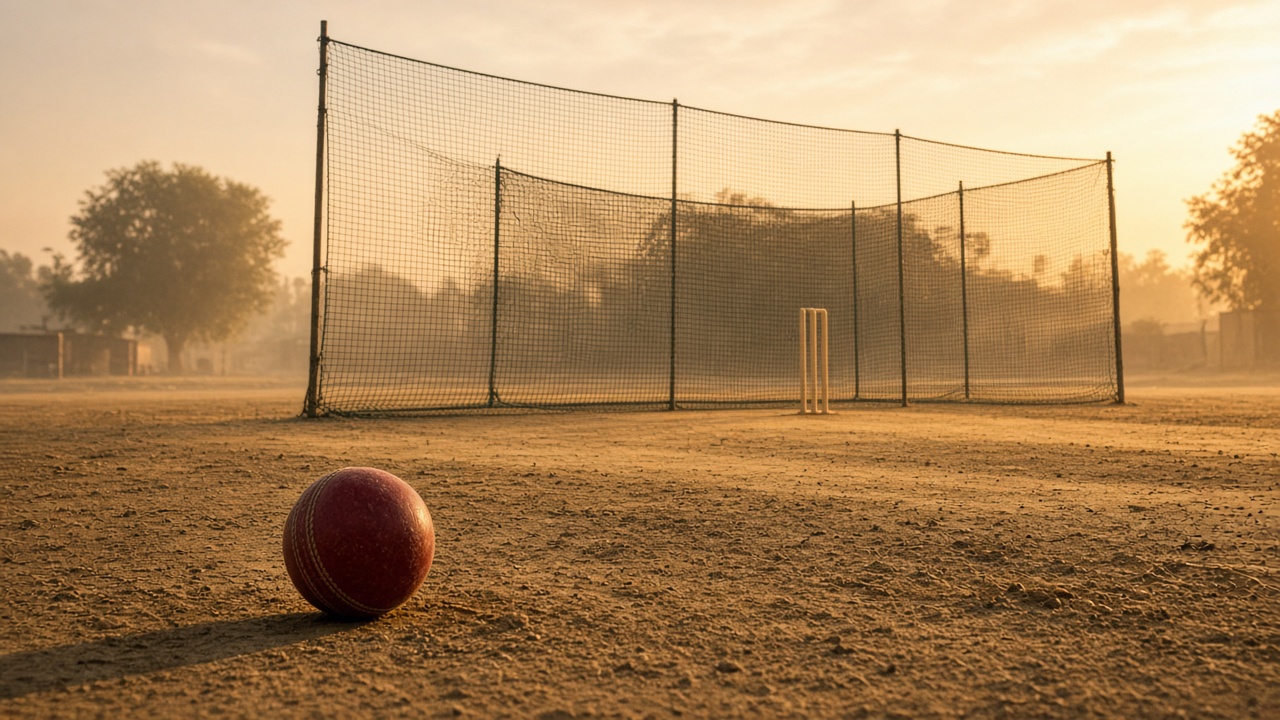
American campus gyms are fluorescent, mirrored, and full of airflow you do not control. Modest dress that works for a living-room workout can trap heat under treadmill vents or catch on cable stacks. Think in systems: coverage, motion, fabric, hair, and the facility’s posted rules. This is not a brand ranking, and the stock image below is not a photograph of a US campus gym.
Read the facility’s dress code once before you buy anything. Many campuses ban jeans, open-toe shoes, or loose jewellery around machines for safety. Few ban long sleeves or covered hair. Your job is to meet safety rules while keeping the coverage you need through a full set, a walk between buildings, and the shuttle home.
Layer for the room, not the mirror
Build three layers you can add or drop without disappearing into a locker-room rebuild:
- Base
- A close, breathable long-sleeve or three-quarter top that stays put when you raise your arms. Look for flat seams and enough length to stay tucked under a hipband when you hinge or row.
- Mid
- A light overlayer, zip or pull-on, you can remove after warm-up. Choose something that does not balloon into cables or squat racks.
- Leg coverage
- Full-length leggings or joggers with a secure waist. Test a bodyweight squat and a step-up before the first busy evening class. If the hem climbs, size or cut is wrong for your movement, not for “modesty” as an abstract.
Loose ornamental hems and heavy embroidery belong elsewhere. Campus floors and machine contact points are abrasive. Save delicate cloth for outside the weight room.
Fabric does the quiet work
Prefer moisture-managing knits over thick cotton that stays wet against skin. Stretch should recover after a set, not bag at the knees. Hold a candidate fabric to a bright bathroom light: if it becomes see-through when stretched, add a longer base layer or choose a denser knit. You are not required to explain that choice to anyone on the elliptical beside you.
Care labels matter more than social captions. The FTC’s Care Labeling Rule guidance explains why apparel sold in the US generally carries care instructions; read wash temperature and cycle limits before you destroy the only base layer that fitted. Performance claims on a hangtag are marketing. Shrinkage after one hot dryer cycle is physics.
Hair and sports-hijab options as categories
If you cover, treat sports coverage as its own category, not a weekday chiffon pressed into cardio:
- Fitted sports under-cap or inner layer that stays put under movement and reduces slip.
- Breathable outer sports hijab or hooded wrap designed for activity, secured at the chin or nape without long tails that swing into equipment.
- Optional lightweight neck or sleeve coverage if your base top leaves a gap you do not want on the gym floor.
Shop by fit and heat, not by influencer tag. Try the combination through a ten-minute brisk walk and a floor stretch at home. If pins dig, if fabric creeps, or if you keep adjusting every thirty seconds, the system fails before the workout starts.
Campus rules, jewellery, and machine safety
Posted gym rules about dangling jewellery, scarves near treadmills, and bags on the floor are safety language, not a referendum on your faith. Clip, tuck, or leave at the locker whatever can catch. If a staff member asks you to secure a trailing edge near a cable stack, treat it as equipment safety. Ask where bags are allowed so you are not improvising a hook on a moving machine.
Heat management is part of coverage planning. Campus cardio rooms can run warm. The National Weather Service heat safety pages are written for outdoor heat, but the same hydration and overheating awareness travels indoors when you are layered. Drink water, learn your own early warning signs, and drop the mid-layer when you need to rather than performing toughness.
A campus week kit, not a wardrobe
Two complete systems that rotate and dry overnight beat seven half-working outfits. Keep a compact pouch with a spare base layer, hair coverage, and a deodorant wipe in your bag so a spilled bottle or sudden rain does not send you home. If a class requires specific shoes or prohibits bags on the floor, adapt the system to the rule sheet. Modesty and safety are compatible when you plan for both.
| Kit piece | What “good” looks like after a squat and a row | Common failure |
|---|---|---|
| Base top | Stays down at the hip; sleeves move with you | Rides up or turns transparent when stretched |
| Mid layer | Removes in one motion; no drawstrings into plates | Hood or hem catches on cables |
| Bottoms | Waist holds; ankles stay covered in lunges | Knee bagging; climbing hems |
| Hair coverage | No constant readjustment; no long swinging tails | Pins dig; fabric slips every set |
| Shoes | Grip on rubber; stable lateral steps | Open toes or slick fashion soles |
Online kit shopping still needs ordinary consumer caution. Use reputable sellers, keep order confirmations, and know the return window. FTC online shopping guidance is useful when a “campus modest set” listing looks too vague to trust. Prefer clear fibre content and size charts over lifestyle copy.
Changing rooms, prayer timing, and between-class reality
Campus life is not a continuous gym block. You may train for forty minutes, walk to class, then sit in a lecture hall still slightly warm from cardio. Choose a mid-layer you are willing to wear in a corridor, or pack a separate outer piece that looks like ordinary campus clothing. If you need a quiet place to adjust hair coverage, learn where the building’s single-occupancy or family restrooms are before peak hour. That is logistics, not apology.
Some students pray Maghrib near the gym in winter when sunset falls during evening open hours. Keep a clean, packable prayer outfit or abaya alternative in your bag if your gym kit is not something you want on a prayer rug, and give yourself time to cool down and wash hands and face. Do not leave wet kit sealed in a plastic bag overnight in a dorm closet; hang it so tomorrow’s system is still wearable.
Buying online versus trying on campus
If your campus bookstore or nearby sporting-goods aisle carries plain long-sleeve performance tops, trying movement in a fitting room still beats guessing from a size chart alone. Online orders help when local racks ignore coverage needs, but you should budget time for returns. Keep tags on until you have done a squat, a hinge, and a light jog in the full system at home. Photograph fit issues for returns. Prefer sellers with clear fibre content, care instructions, and a physical or clearly identified business presence over anonymous marketplace listings that only show lifestyle stills.
Wash new kit once before the first heavy sweat session if the fabric smells strongly of finishing chemicals. Soften the system the way you will actually wear it: base plus hair coverage plus shoes. A top that felt fine alone can feel different under a sports hijab once heat builds.
Semester rhythm: what to replace first
After eight weeks, inspect waist elastics, underarm seams, and the chin or nape grip of hair coverage. Replace the piece that fails first rather than buying another incomplete outfit. A tired base layer that rides up will sabotage a new mid-layer. Keep one “presentation” campus outer piece clean for days when you go from gym to office hours without a full change.
What this page will not do
It will not name brands, invent campus policies, or claim that one silhouette is required by faith. Households differ. Campuses differ. Your coverage standard is yours. The useful work is making that standard compatible with fluorescent rooms, moving machines, and a week of classes without turning every session into a clothing negotiation.
The goal is to leave the gym having trained, not having negotiated your clothes for forty minutes. When coverage, fabric, and hair pieces move as one system, the room’s mirrors become background again.
Sources and official profiles
Was this helpful?
Keep reading
Related stories
More from this desk, this beat, and the tags on this piece.




Muscle soreness after training: normal recovery habits and red flags
Sara Malik · 13 Sep 2026
Readers
The conversation
0 notes
Anyone can leave a note. Guests add a name and email — no account required, and the email is never published.
No notes yet. Yours would be the first.