Buying gold jewellery in the US for Pakistani weddings
A US buyer education guide for wedding gold: karat stamps, trademarks, plating language, receipts, and buyback realities aligned with FTC jewellery guidance, without invented prices.
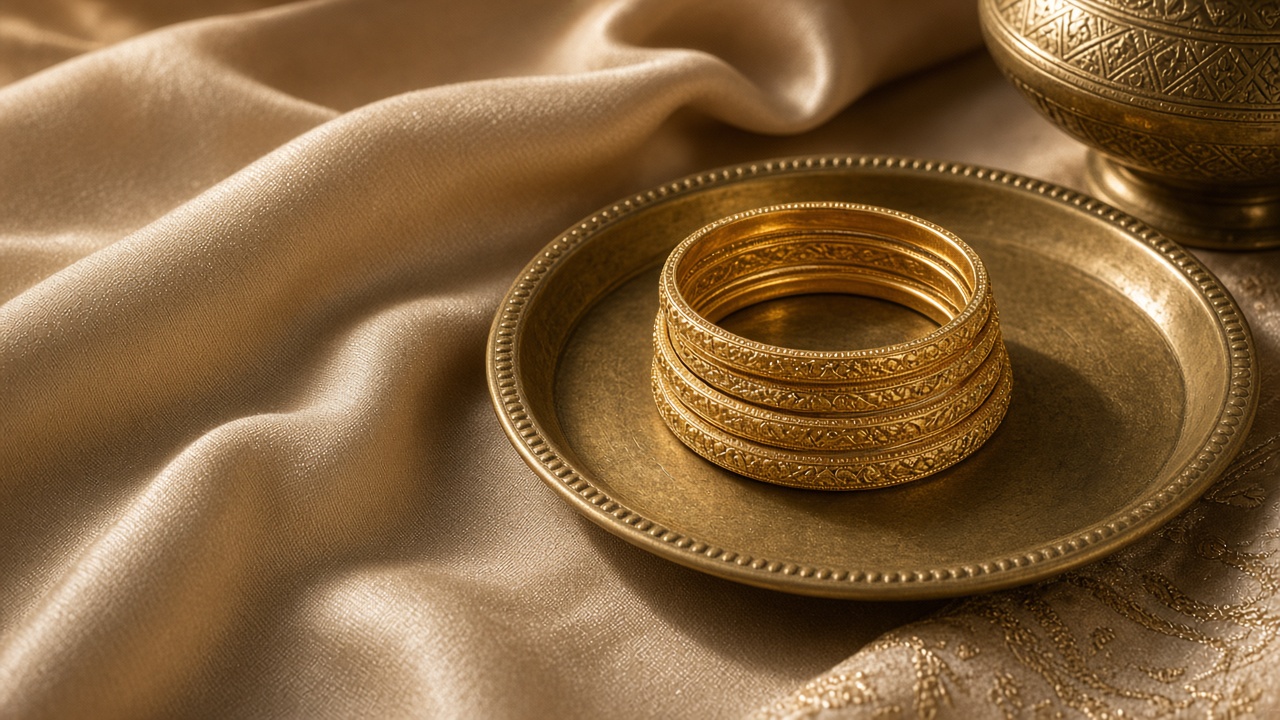
Pakistani wedding gold in the United States is asked to do two jobs at once: satisfy family expectations about yellow gold, sets, and gift-giving, and survive American retail language about karats, plating, and returns. Those jobs collide when a cousin says “just buy 22K like back home” and a counter tag says “14K” without explaining what that mark actually means. This guide is consumer education for that collision. It follows the Federal Trade Commission’s public jewellery guidance on markings and seller homework. It does not invent gram rates, “today’s gold price,” or a ranked jeweller list.
Facts below were checked against FTC consumer pages in September 2026. Marks, policies, and stock change by shop and by day. Verify the piece in front of you.
Name the wedding job before you name a karat
Write down what the gold must do: bridal wear for multiple events, a gift for the bride or groom’s family, a lighter reception set, or a keep-forever piece that may later be remade. A heavy haar that only appears in one photography block has different wear and risk than daily-wear bangles. Saying the job out loud stops you from paying for labour you will never wear, or from buying plated “looks like gold” when the family expects metal that can be remade.
US retail commonly offers 14K and 18K alongside higher-karat imports and “desi-style” pieces. Family memory of 22K or 21K in Pakistan is a preference, not a US legal requirement. Match the karat conversation to the job and to what the stamp on the metal actually says, not to a WhatsApp photograph of someone else’s receipt from another country.
Read the karat stamp the way the FTC explains it
The FTC’s consumer page on buying platinum, gold, and silver jewellery treats the karat quality mark as the buyer’s first instrument. Pure gold is 24 karat (24K) and is soft, so jewellery gold is usually alloyed with other metals for hardness. Karat is a parts-out-of-24 measure: an 18K mark means 18 parts gold and 6 parts other metal; a 14K mark means 14 parts gold and 10 parts other metal. Higher karat means a higher proportion of gold in the alloy, not automatically “better for every wedding use,” and not a substitute for honest marking.
Near that karat mark, look for the name or the U.S. registered trademark of the company that will stand behind the mark. The trademark may be a name, a symbol, or initials. FTC consumer advice is blunt here: if you are thinking about buying gold jewellery and you see a karat quality mark without that accompanying trademark, do not buy the piece. The stamp pair is how a buyer later traces who claimed the quality.
Quality stamping is not required on every object in every situation, but when a karat claim appears on the metal or in the sales talk, it must not mislead. The FTC’s broader Jewelry Guides overview exists because marketers have long used precious-metal language in ways that confuse buyers. Ask the seller to show you the marks under good light before any payment leaves the counter.
Solid, hollow, plated, filled: words that change the metal
“Solid gold,” in FTC consumer language, means the item is not hollow. It still needs a karat mark such as 14K or 18K to say how much gold is in the alloy. A hollow piece can still be karat gold; it is a different construction and a different weight story.
Plating is a surface, not the same as karat gold throughout. Gold plating applied by mechanical or electrolytic methods will wear with friction. How soon depends on thickness and how the piece is worn. Terms such as “gold filled,” “gold overlay,” and “rolled gold plate (RGP)” describe a mechanically bonded layer of at least 10K gold on a base metal and should be marked with both the karat of that gold and the plating term (for example, “14K gold overlay”). “Gold electroplate” describes a thinner electrolytic layer meeting the FTC’s described minimums. “Gold flashed” and “gold washed” describe a very thin electroplating that wears faster; if a seller uses those words, ask them to explain the meaning in writing on the receipt.
For a Pakistani wedding wardrobe, plating can be fine for temporary costume drama if everyone understands it is costume. It is the wrong answer when elders expect remakable metal or when a gift is framed as “gold” without qualification. If the word “gold” appears without a karat or plating qualifier in advertising, treat that as a reason to pause. FTC jewellery guidance treats unqualified “gold” language as a risk of deception when the piece is not fine gold throughout.
| Language you hear | Question to settle before money moves |
|---|---|
| “22K look” | Is the stamp 22K, or is this colour marketing on a lower karat or a plate? |
| “Solid gold set” | Solid as in not hollow, and what karat mark is on each piece? |
| “Gold plated bridal” | Which plating term is on the mark, and is wear disclosed? |
| “Imported desi gold” | Where is the karat mark and the trademark that stands behind it? |
| “Same as Pakistan” | Same karat? Same buyback custom? Or only similar design? |
Stones, sets, and what the invoice must name
Wedding sets often mix metal with stones, enamel, or imitation pieces. Treat each component as a separate claim. If a seller says “diamond,” ask whether the stones are natural, laboratory-created, imitation, or treated, and insist that the answer appears on the invoice. Colour, clarity, and carat weight should not live only in a sales pitch. For imitation stones sold beside karat gold, the gold stamp still matters; the stone story is separate and should not borrow the metal’s credibility.
Matching earrings, tikka, haar, and bangles should be listed as items, not implied by a photograph on the counter. If a piece will be resized before the baraat, get the resize window and fee in writing. Verbal “of course we can fix it” is not a policy when the event date cannot move.
Receipts, returns, and the homework the FTC expects
Before you fall in love with a set under shop lighting, do the FTC’s basic seller homework: ask people you trust for recommendations rather than relying only on social posts; search the seller’s name with “complaint” or “review”; get refund and return policies in writing; and learn the marking vocabulary for what you are buying. For wedding gold, add three practical lines to that list.
- Identity of the piece. Ask that karat, weight if the seller quotes weight, and whether stones are natural, laboratory-created, imitation, or treated be written on the invoice you keep.
- What is included. Matching earrings, tikka, box, insurance appraisal language, and alteration promises should appear as text, not as a verbal “of course.”
- What happens if it fails. Resize, repair, and return windows matter when a baraat date cannot move. A policy that only offers store credit after seven days is a different product from a fourteen-day refund.
Compare more than one seller when the purchase is simple gold without extraordinary design. FTC consumer education has long advised comparison shopping by quality and terms rather than trusting a single dramatic quote. Still: never invent a “fair” dollar-per-gram figure from a blog or from this article. Spot metal markets move; labour and design are not scrap; and a bridal set’s retail ask is not the same number a buyback counter will later offer.
Buyback realities without fairy-tale rates
Wedding gold is often discussed in Pakistani families as savings you can “always sell.” In US retail practice, buyback, if offered at all, is a separate transaction with its own rules. A shop that sold you a heavily worked set is under no obligation to repurchase it at the original ticket, and many will not. When buyback exists, it is commonly priced closer to a scrap or melt conversation for the gold content than to the retail story that included design, stones, branding, and overhead. Labour you paid for on the way in is often labour you do not recover on the way out.
Before you buy “because we can sell it later,” ask:
- Does this seller publish a written buyback or trade-in policy, or is the promise only spoken?
- Is any future offer tied to their testing of karat and weight on the day of sale, not to your memory of the old receipt?
- Are stones, enamel, or non-gold parts excluded from any metal offer?
- Would an independent refiner or scrap buyer quote a different basis, and have you compared process and trust, not only a headline percentage someone mentioned at dinner?
Do not treat a relative’s remembered buyback rate from another city or decade as a contract. Do not plan wedding cash-flow on an assumed repurchase. If the piece’s job is cultural and ceremonial, buy it for that job with eyes open about resale. If the household’s real goal is bullion-like flexibility, say so and shop products and sellers that disclose weight, karat, and exit terms clearly, still without relying on any price invented here.
When something feels wrong
Try to resolve the dispute with the seller first, with the written invoice in hand. If that fails, FTC consumer guidance points buyers to ReportFraud.ftc.gov, to the state attorney general, and notes that the Jewelers Vigilance Committee operates a mediation programme for some jeweller disputes. For jewellery bought in person from a company outside the United States, the FTC also points consumers to econsumer.gov. None of those routes replaces reading the stamp before you pay.
Pakistani wedding gold in America is still gold only if the marks, the words on the receipt, and the wear you expect agree. Leave the shop with a karat you can point to, a trademark that stands behind it, plating language that does not hide, and a buyback story that survives daylight, without needing a made-up price to feel certain.
Sources and official profiles
Filed under
Was this helpful?
Keep reading
Related stories
More from this desk, this beat, and the tags on this piece.
Gold, vermeil and plated Pakistani jewellery: what you are paying for
Zainab Noor · 13 Sep 2026
Readers
The conversation
0 notes
Anyone can leave a note. Guests add a name and email — no account required, and the email is never published.
No notes yet. Yours would be the first.