UK school-holiday cooking with Pakistani pantry staples
Run UK school holidays on daal, eggs, frozen paratha, yoghurt and careful leftover rice rules: kid jobs, batch cooking and FSA-aligned reheating without calorie or medical advice.
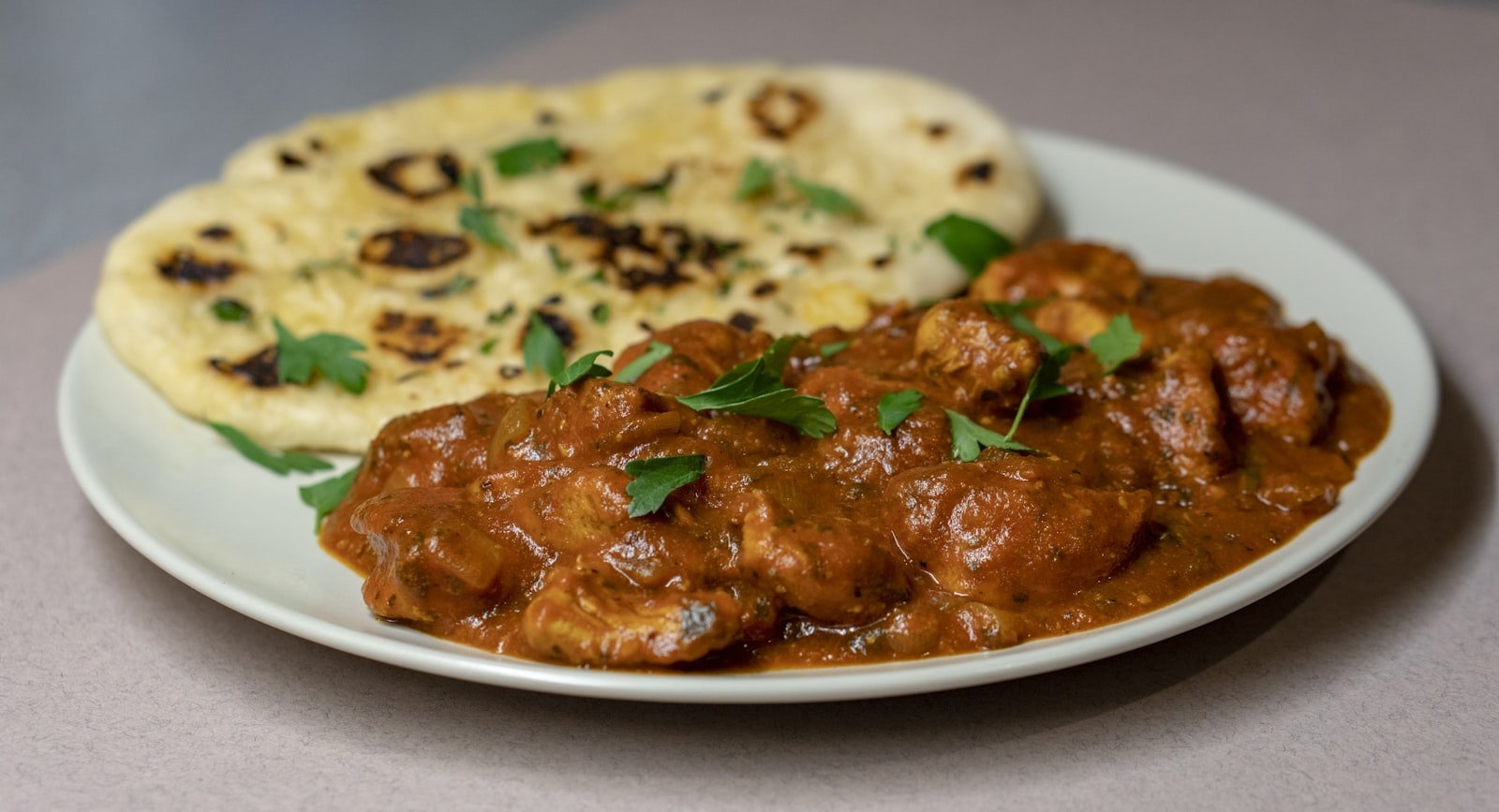
School holidays stretch kitchen patience more than they stretch recipes. The families who stay calm are rarely inventing a new dish each lunchtime. They rotate a short list of Pakistani pantry staples that reheat, stretch and accept help from small hands. Think strategy, not a seven-day restaurant menu, and treat leftover safety as part of the plan rather than an afterthought.
This is household logistics for British Pakistani kitchens during UK school breaks. It is not calorie counting, not a weight-loss programme, and not medical nutrition advice for a named child. For a general public map of everyday food proportions, the NHS Eatwell Guide remains a useful orientation. Your child’s individual needs belong with a qualified professional if there is a clinical question.
Four workhorses that carry a week
Anchor the week on four items most diaspora kitchens can keep without specialist kit: a pot of daal that can become lunch bowls or a side; eggs for fast protein when plans collapse; frozen paratha or chapati for evenings when nobody wants to knead; and plain yoghurt for cooling plates, raita and breakfast bowls. Add one batch of sabzi or a simple salad tray if you can manage it. Rice is optional and needs stricter leftover discipline than daal.
None of these requires a new appliance. A hob, a freezer shelf and a fridge that is not already a science experiment will do. The holiday win is repetition with small variations: lemon and butter at the table, a fried egg on day two, cucumber in a wrap on day three.
A week shaped by leftovers, not novelty
Cook the largest batch early: Sunday evening or the first rainy afternoon. Season daal so it tastes finished on day one, then deliberately leave a portion milder for younger children to adjust with butter, a squeeze of lemon or a spoon of yoghurt at the table. Day-two daal can sit beside fried eggs. Day-three can fill wraps with cucumber and leftover sabzi if you made vegetables once.
Frozen flatbreads earn their place when you treat them as scheduled, not shameful. Toast or pan-heat only what you will eat. Keep the rest frozen so the bag does not thaw into a single sticky block. Eggs cover the gaps: omelette with whatever herb is left, boiled eggs for picnic boxes, scrambled eggs beside paratha when guests arrive unannounced.
If the plate has something starchy, something protein-rich and some fruit or vegetables across the day, you are already in the neighbourhood of everyday balance. The Eatwell Guide is a general map for the public, not a meal plan for your child.
Leftovers and rice: follow public food-safety rules
Cool cooked food promptly, refrigerate in shallow containers, and reheat until steaming hot. The Food Standards Agency’s chilling guidance and cooking and leftovers guidance are the baseline for home kitchens. As a general FSA framing, leftovers that were cooked properly, cooled and refrigerated within about two hours can be eaten cold or reheated, with reheating only once until steaming hot throughout. When in doubt about how long something has sat out, replace it rather than negotiate with a holiday stomach.
Rice needs stricter handling than many family chats admit. The FSA home food fact checker explains that cooked rice should be cooled quickly (ideally within an hour), refrigerated, and not left cooling in a cooker or pan. Reheat only once until steaming hot, and do not treat room-temperature rice as harmless simply because it will be fried again. If rice leftovers are part of your holiday plan, portion them shallow and chill early, or skip rice on the hottest, busiest days and lean on daal and bread instead.
| Staple | Holiday job | Leftover note |
|---|---|---|
| Daal | Lunch bowls, side, wrap filler | Cool promptly; reheat once until steaming |
| Eggs | Fast protein when plans collapse | Cook to order when possible; refrigerate boiled eggs promptly |
| Frozen paratha or chapati | Evenings without kneading | Heat only what you will eat; keep the bag frozen |
| Yoghurt | Raita, breakfast, cooling heat | Keep chilled; do not leave out through a long buffet |
| Rice (optional) | Biryani nights, leftover fried rice | Cool fast; stricter fridge discipline; reheat once only |
Jobs children can own without touching the hot pan
- Washing fruit, tearing herbs, stirring yoghurt into raita.
- Setting spoons and water glasses before the hot pan comes out.
- Choosing tomorrow’s lunch from two leftover options you have already prepared.
- Writing the fridge inventory on a notepad so “we have nothing” is tested against reality.
- Labelling leftover containers with the cook date using a marker and tape.
Age and competence vary. Keep knives, hobs and deep fryers as adult zones. The point of child jobs is competence and fewer arguments, not unpaid labour that replaces supervision.
Allergens, guests and the mixed British table
School holidays often bring mixed households into the same kitchen: cousins with nut allergies, friends who do not eat beef, neighbours who are vegetarian for the day. Keep allergen conversations factual and early. The FSA’s pages on food allergy and intolerance explain why clear labelling and separation matter in UK food contexts. At home, that can be as simple as a named container, a clean spoon rule, and not frying everything in the same oil without thinking.
If you batch-cook for a freezer, label contents and date, not only “food.” Future you at 6 p.m. on a rainy Wednesday cannot identify mystery bags by vibe. Freeze in meal-sized packs so you thaw only what you will finish. Defrost in the fridge when you can, following the chilling guidance linked above rather than leaving a block of daal on the counter all afternoon.
Breakfast and the long afternoon gap
Holiday mornings drift. A default breakfast that does not require negotiation helps: yoghurt with fruit, eggs on toast or paratha, leftover daal reheated properly for older children who like savoury mornings. Keep fruit washed and visible. The afternoon gap between lunch and dinner is where snack marketing wins unless you have a ready option such as cucumber, leftover boiled eggs, or bread with yoghurt.
Picnics and park days need a cool bag if you carry dairy, egg or meat. Ambient snacks are easier when the weather is hot and the park has no shade. Revisit FSA chilling sense whenever food leaves the fridge for more than a short carry.
Eid overlap and visiting relatives mid-holiday
UK school holidays sometimes collide with Eid entertaining. Keep the staple system rather than switching to festival cooking for every lunch. Make one larger savoury tray when guests are certain, and keep the daal-egg-bread rotation for the ordinary days between visits. Children cope better with predictable everyday plates than with a fortnight of banquet leftovers.
If you are feeding fasting adults and non-fasting children in the same kitchen, separate the schedules honestly. Children still need daytime meals. Adults still need a calm iftar plan. Trying to make every plate serve both clocks usually serves neither.
A sample seven-day skeleton you can rearrange
- Day 1: large daal pot; cucumber; fruit.
- Day 2: eggs and paratha; milder leftover daal as a side.
- Day 3: wraps with sabzi or leftover daal; yoghurt.
- Day 4: omelette night; salad tray; leftover bread toasted.
- Day 5: optional rice night only if you can chill leftovers properly within an hour.
- Day 6: fridge-clear bowls; boiled eggs for park bags.
- Day 7: simple guest stretch of the same staples, or a freezer pack thawed in the fridge overnight.
Rearrange freely. The skeleton exists so you are not inventing dinner identity from scratch each morning. If a day collapses into toast and fruit, that is still feeding people. Reset at the next meal rather than declaring the holiday kitchen a failure.
A note on takeaways during holidays
Takeaway nights can protect sanity. They do not replace the staple system. If you order in, still keep yoghurt and fruit at home so the next lunch is not another delivery. Leftover takeaway rice follows the same FSA rice discipline as homemade rice: cool quickly, refrigerate, reheat once only until steaming hot, or skip reheating and choose a different lunch.
A calm week looks repetitive on paper and generous on the table: daal that still tastes of cumin, eggs that arrive quickly, bread that did not demand a flour explosion, leftover rules that follow FSA guidance, and children who know which small jobs make dinner happen.
Sources and official profiles
Filed under
Was this helpful?
Keep reading
Related stories
More from this desk, this beat, and the tags on this piece.
Fibre on a Pakistani plate: daal, vegetables, fruit and whole grains
Sara Malik · 13 Sep 2026
Readers
The conversation
0 notes
Anyone can leave a note. Guests add a name and email — no account required, and the email is never published.
No notes yet. Yours would be the first.