US daycare lunch notes when sending Pakistani food
Label allergens, pack for temperature, and follow your US daycare’s written rules when sending Pakistani home food—without inventing policy workarounds.
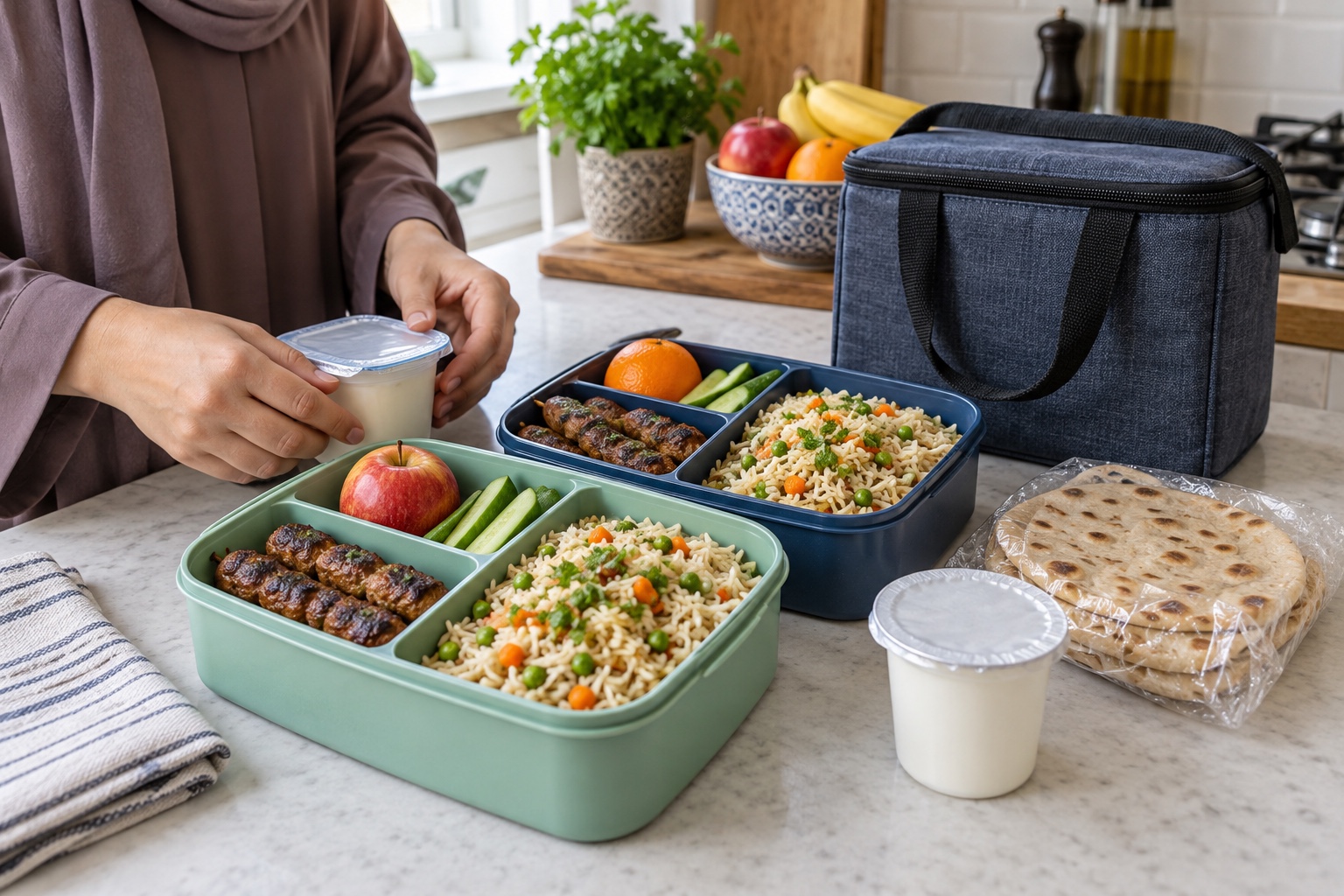
Sending daal, rice, keema, or paratha to a US daycare is ordinary parenting until a centre’s allergy wall, microwave ban, or “no homemade shareables” rule meets a lunch that looks unfamiliar to staff. The job is not to convince the kitchen that Pakistani food is “fine.” It is to make the meal readable, temperature-safe, and compliant with the written policy you already agreed to.
Read your centre’s handbook before you invent a prettier box. Some programmes refrigerate parent-packed meals; others expect insulated bags only. Some forbid nuts centre-wide; others allow them if labelled. Staff cannot guess that your “mild” salan still contains dairy, wheat, or sesame from a commercial spice mix. This is a packing and labelling method for US daycare mornings, checked against FDA allergen literacy and USDA FSIS bag-lunch guidance around September 2026. It is not medical advice, not a nutrition prescription for a named child, and not permission to override a centre’s rules.
Start with the handbook, not the recipe
Before you decide between thermos keema and chapati rolls, answer the centre’s questions in writing once and keep the answers where you pack:
- Does the classroom refrigerate parent-packed meals on arrival, or must everything travel in an insulated bag?
- Is reheating allowed, and if so in microwave, warm water bath, or not at all?
- Are nuts, sesame, eggs, or homemade baked goods restricted for the whole room?
- Are glass containers, metal forks, or whole grapes banned for age groups?
- What does the centre require on labels: name only, or allergens and heating notes?
Those answers change the packing system more than any auntie’s preferred spice level. A microwave ban turns “stir once” into a useless instruction. A nut-free wall turns peanut chutney into a non-starter even if your child eats it at home. Policy is the brief; flavour is what fits inside it.
Write the allergen card staff can scan in five seconds
Homemade food does not carry a packaged “Contains” line, so you supply one. The FDA’s major food allergen framework (milk, eggs, fish, Crustacean shellfish, tree nuts, peanuts, wheat, soybeans, and sesame) is the vocabulary US programmes already use. List what is actually in the lunch, not a vague “South Asian spices.”
- Child’s full name and date on the lid and on a card inside the bag.
- Dish name in plain English (“chicken curry with yogurt,” “lentils and rice”) plus Urdu if you like. English first for substitutes and float teachers.
- Major allergens present as a short Contains line: e.g. Contains: milk, wheat. Call out sesame if tahini, til, or a mix that includes it is in the meal.
- Heating instruction only if the centre allows reheating: “microwave-safe; stir once” or “do not heat; serve cold.”
- Utensils and napkins packed so staff are not hunting the kitchen drawer during a rush.
Commercial spice mixes, bouillon, and packaged flatbreads are frequent surprise sources of wheat, dairy, soy, or sesame. If you did not cook every component from single ingredients, read those labels before you write the card. A false “no allergens” note is worse than an honest long list. When a classmate has a documented allergy, your honesty is part of the room’s safety system, not a private family detail.
Temperature first, then nostalgia
USDA FSIS guidance on keeping bag lunches safe treats perishable meats, dairy, cooked rice, and egg dishes as foods that belong in an insulated bag with cold sources, or in a preheated thermos that stays closed until mealtime for hot foods. Young children are more vulnerable to foodborne illness. Pretty presentation does not replace cold or heat.
FSIS’s Danger Zone framing (about 40°F to 140°F / 4°C to 60°C) is the same public baseline used for leftovers and picnic packing. Food should not sit in that range for more than about two hours, or about one hour when ambient temperatures are above roughly 90°F. A warm rice box that sat in a cubby all morning is not a cultural inheritance worth defending.
- Cook and chill overnight when the lunch will travel cold; pack from the fridge, not from a warm counter.
- For hot khichdi, soup, or salan, preheat the thermos with boiling water, empty, then fill piping hot and seal.
- Ask whether the classroom fridge is available on arrival, and whether lids must stay ajar for air circulation per staff practice.
- Plan to discard leftovers that sat in the Danger Zone too long rather than reheating mystery rice at pickup.
Rice needs extra honesty. Cooked rice that cooled slowly or sat warm can be a food-safety problem even when it tastes fine. Prefer thermos-hot rice or carefully chilled rice with strong ice packs, or skip rice that morning and send chapati, pasta, or potatoes instead.
Ice packs fail when they are decorative. FSIS advises at least two cold sources with perishable food in an insulated bag, placed against the perishable side, with the bag shut until mealtime. A frozen yogurt tube can double as food and cold mass if the centre allows it. Soft insulated tote bags still need the cold sources; the fabric alone is not a refrigerator. In hot US summers, treat the one-hour caution as the default when bags sit in warm cars or sunny cubbies.
Formats that usually survive a daycare morning
| Format | Often travels better when | Often fails when |
|---|---|---|
| Thermos daal or keema | Flask preheated; lid tight; spoon packed | Half-filled flask; bag tipped on its side |
| Chapati rolls with dry filling | Filling cooled; wrap separates moisture | Oily filling weeps onto bags and artwork |
| Cold chicken pieces | Cooked, cooled, iced; separate from fruit juice | Packed warm; sat near a heater |
| Yogurt | Sealed pot against an ice pack | Opened pot; no chill; long warm wait |
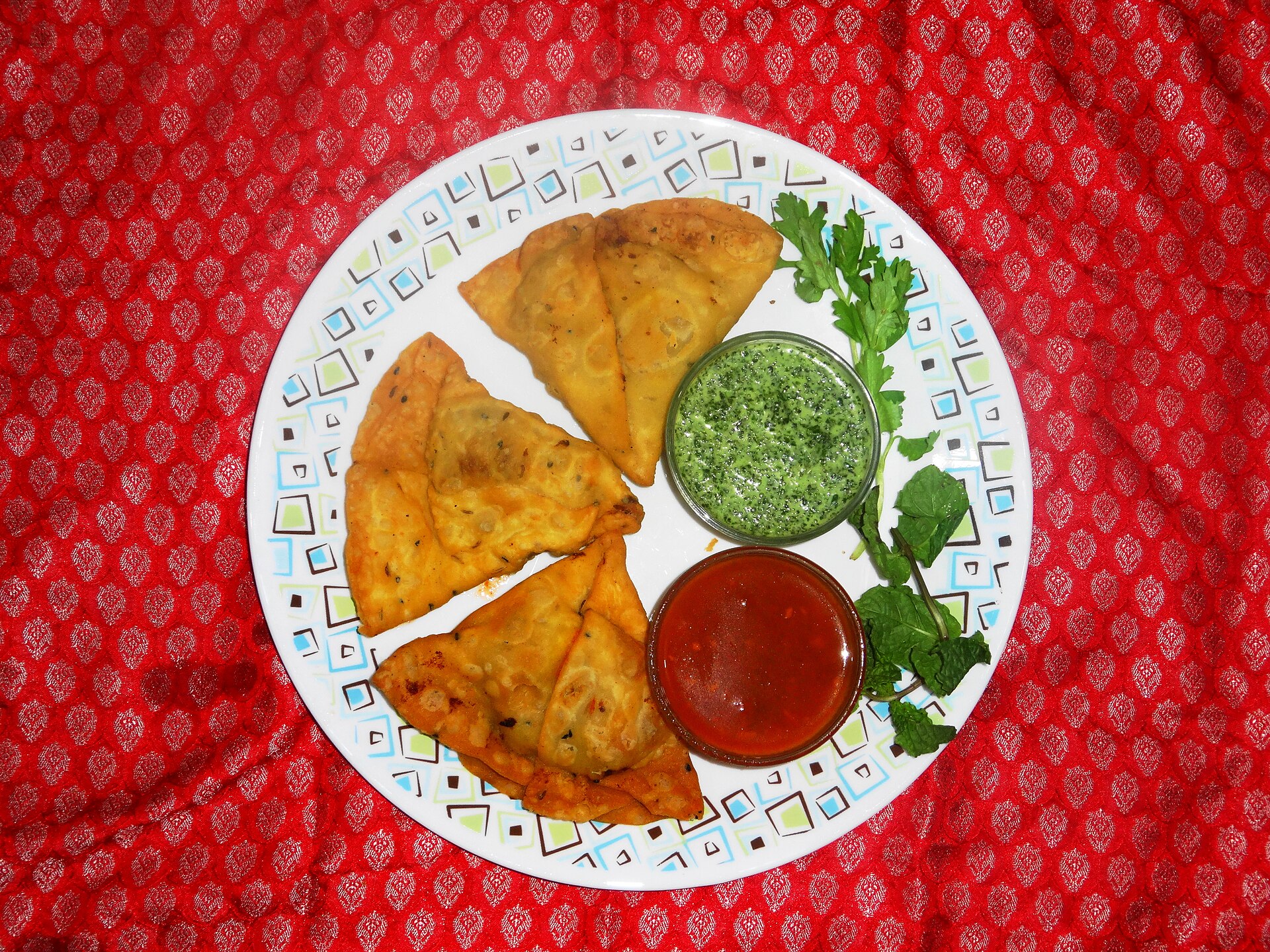
| Samosas or pakoras | Fully cooled; centre allows fried foods | Packed hot into a sealed box; soggy steam; shareables banned |
| Khichdi | Thermos-hot; mild seasoning; spoon included | Packed lukewarm; thick crust forms; no utensil |
Portion for the sitting the child actually gets. A heroic three-compartment dabba that returns untouched teaches waste, not culture. Oil that weeps onto art projects creates staff friction that has nothing to do with respect for heritage. Wipe the outside of containers. Pack a spare napkin.
Pakistani ingredients that surprise allergen walls
Write the card as if a float teacher has never heard the dish name. Common traps in diaspora kitchens include:
- Wheat in chapati, paratha, samosa pastry, and some commercial spice blends.
- Milk in yogurt raita, cream finishes, paneer, kheer sides, and butter in paratha.
- Sesame in til sweets, some nimco mixes, and sauces that look “just spicy.”
- Tree nuts or peanuts in chutneys, dessert garnishes, and trail mixes sent as sides.
- Egg in some batters, breakfast wraps, or bakery sides.
- Soy in bouillon, some sauces, and packaged snacks.
If a dish uses a jarred curry paste or bouillon cube, the paste’s label is part of your Contains line. “Homemade” is not a synonym for “allergen-free.”
Policy beats preference
If the centre bans glass, whole grapes, honey for infants, or home-baked goods for birthday tables, redesign the lunch. Do not smuggle. Nut and sesame policies protect classmates; your child’s favourite peanut chutney is not an exception unless the director documents one. When a medical dietary need exists, follow the centre’s form process rather than informal teacher chats alone.
Birthday and sharing days are where Pakistani hospitality instincts collide with policy. Many centres forbid homemade shareables precisely because staff cannot verify ingredients. Bring what the handbook allows, labelled, or skip the communal tray and celebrate at home. Culture is not measured by whether you fed the whole classroom samosas.
Talking to staff without a lecture
A thirty-second handoff beats a cultural seminar at drop-off. Name the dish in English, point to the allergen card, and say whether it should stay cold or may be warmed. If a teacher looks unsure, offer a milder backup that week (yogurt, fruit, plain chapati with a known filling) rather than arguing about authenticity in a doorway full of toddlers.
If food returns home uneaten, ask whether the child was not hungry, disliked the texture, or never opened the bag because the lid confused staff. Fix the packaging before you abandon the cuisine. Many centres will warm a clearly labelled thermos better than they will interpret an unlabeled stack of foil. Float teachers and substitutes need the same English-first card; do not assume the regular teacher’s familiarity travels with the schedule.
Weekly rotation without abandoning home flavours
Children refuse unfamiliar textures more often than they refuse “Pakistani food” as a concept. Rotate mild keema, soft daal, khichdi, egg with chapati, and carefully packed yogurt so the lunch does not become identical every day. Introduce one new texture at a time. Keep chilli low for younger rooms unless you know the child asks for heat.
Friday mosques and weekend family meals can absorb the richer, oilier dishes that travel poorly to daycare. Save those for home plates. The weekday box is a compliance and safety problem first. Culture survives when the child actually eats and the centre’s rules stay intact.
Pakistani food travels well when it is labelled like a professional kitchen would label it and packed like FSIS expects any perishable lunch to be packed. The daycare’s rules are the brief; flavour is what fits inside that brief.
Sources and official profiles
Filed under
Was this helpful?
Keep reading
Related stories
More from this desk, this beat, and the tags on this piece.
Readers
The conversation
0 notes
Anyone can leave a note. Guests add a name and email — no account required, and the email is never published.
No notes yet. Yours would be the first.