US office fridge politics during Ramadan shared meals
Navigate US office fridge politics in Ramadan: label shared dishes, time perishable food to Maghrib, follow leftover temperature rules, and invite colleagues without pressuring anyone to eat or fast.
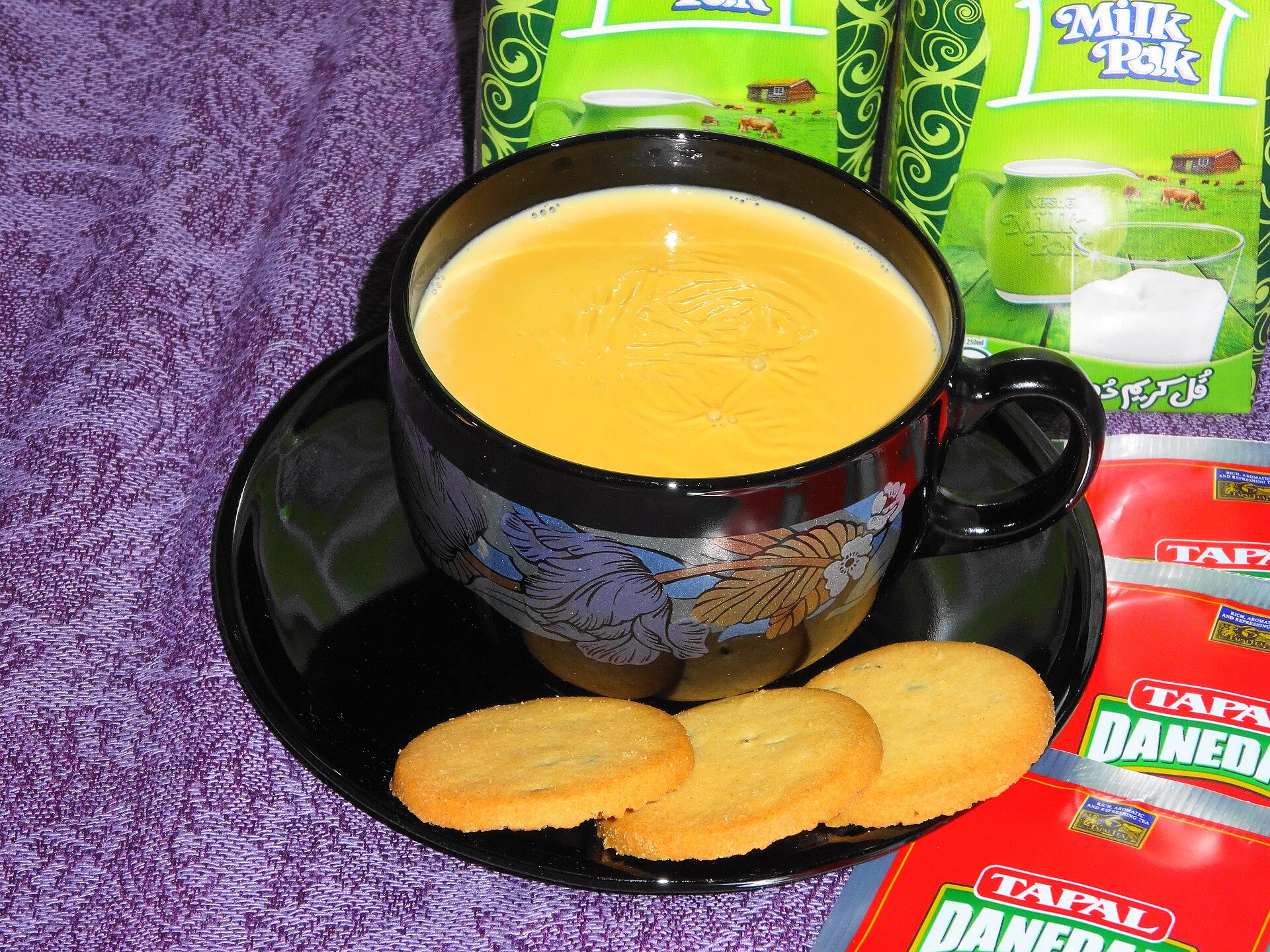
Ramadan shared meals in a US office often fail in the fridge before they fail at the table: an unlabelled tray of keema, a yoghurt pot that could belong to anyone, dates left open on a counter past Maghrib, or a well-meaning manager who treats fasting as a team-building stunt. This is a workplace etiquette guide for colleagues who want inclusion without pressure: Muslims fasting, Muslims not fasting that day, and non-Muslim teammates who want to help without performing piety. It is not legal advice, not a ranking of office cultures, and not a substitute for your employer’s kitchen policy. The doodh patti cup image is thematic stock. It does not depict a named workplace or event.
Guidance on temperature and leftovers below was checked against public USDA FSIS and FDA pages as of September 2026. Your break-room thermometer and facilities rules still win on the day you serve.
Label like a colleague’s health depends on it
Shared food without a label is a guessing game. Write the dish name, the date, your name or team, and the major allergens in plain English (milk, egg, peanut, tree nut, wheat, soy, fish, crustacean shellfish, sesame), especially when Pakistani trays involve yoghurt marinades, ghee, wheat roti, nut garnishes, or sesame on bread. The FDA summarises sesame’s status among major allergens on its FASTER Act sesame page. Your job is still to surface information, not to certify a kitchen.
- Name the dish the way a stranger would recognise it (“chicken karahi, dairy marinade,” not “Ammi’s special”).
- Date the container with the day it entered the fridge, and plan to discard perishable leftovers on a clear schedule.
- Flag meat vs vegetarian so a fasting colleague who only wants dates and fruit is not hunting through mystery gravy.
- Keep personal lunches separate from communal trays. Masking tape with a name beats passive-aggressive sticky notes after the fact.
Time the fridge to Maghrib, not to the meeting invite
Work backward from sunset for your city. Dates, water, and salt should be ready to open at Maghrib, not still commuting from a delivery lobby. Hot trays that will sit out need a plan. Cold items need the fridge at a safe temperature. USDA FSIS leftovers guidance is blunt: refrigerate perishable food within two hours (one hour if the air is above 90°F), keep the refrigerator at 40°F (4°C) or below, and discard food that sat too long at room temperature. An open pot of haleem on a conference table through a long dua is still “room temperature.”
FDA consumer advice on storing food safely repeats the same two-hour rule and warns against crowding a fridge so air cannot circulate. For a Ramadan share, that means fewer heroic trays and more honest portions, especially in a mini-fridge that already holds six lunch bags.
- Staging: dates and sealed water first; mains labelled and held hot or cold correctly; sweets last and covered.
- Leftovers: shallow containers, dated, claimed by a named owner, or discarded. Do not orphan a tray “for whoever wants it tomorrow.”
- Odour courtesy: strong tadka and fish curries belong in sealed containers. Inclusion includes not colonising the whole shelf with open spices.
- Microwave manners: wipe spills, do not reheat fish at 8 a.m. for “prep,” and leave the communal utensils washable.
Invite without turning fasting into a performance
Send a calendar note that states time, place, what food will be present, and that attendance is voluntary. Do not ask colleagues to announce whether they are fasting. Do not praise someone for “powering through” a meeting without water. Do not schedule a mandatory “team iftar” that traps people who need to leave for Maghrib at home or at a masjid.
Useful scripts:
- To fasters: “Food will be labelled and ready at Maghrib. Come if you want; no need to RSVP your worship plans.”
- To non-fasters: “You’re welcome to join for dates and conversation. Eating is optional and nobody is grading participation.”
- To managers: “Please don’t surprise-schedule a tasting over someone’s break, and please don’t single people out to explain Islam in the break room.”
Shared kitchens across shifts and hybrid days
Hybrid offices complicate Maghrib timing. Someone working from home may still want to contribute a labelled tray on their in-office day. Someone on a late shift may break fast after the conference-room share ends. Offer a second, smaller labelled option in the fridge with clear “open after X time” notes rather than leaving perishable food ambient for hours.
Night-shift and security colleagues are easy to forget. If your building runs 24 hours, ask whether a sealed, labelled pack can be left for them under facilities rules, or invite them explicitly so the share is not only for the daytime open-plan cohort.
Cleaning schedules matter. If facilities empties fridges on Fridays, do not stage a Thursday tray without a discard plan. Put the cleanout rule in the calendar invite.
When fridge politics turn personal
If someone takes labelled leftovers, throw away communal food early, or polices other people’s fasting, address the behaviour through ordinary workplace channels rather than a theological argument. Facilities rules about fridge cleanouts still apply in Ramadan. Put a reminder on the calendar for discard day so nobody treats a religious share as abandoned property.
Halal claims in the break room
If you bring meat dishes, be ready to answer the same sourcing questions you would ask a caterer: which protein is claimed halal, on what basis, and are sauces free of alcohol or pork-derived gelatin. Write that answer on the label. Vague “it’s desi, don’t worry” is how fridge politics become trust problems.
Vegetarian trays with clear dairy notes are often the least contested contribution when sourcing is unclear. Dates, fruit, and sealed water remain the safest Maghrib openers regardless of the main.
If someone declines, accept it once. Pressure (religious, social, or managerial) turns a shared meal into a loyalty test. A good Ramadan fridge culture in a US office is labelled food, Maghrib-aware timing, and a door that stays open without anyone being pulled through it.
Hybrid days, night shifts, and halal claims in the break room
Hybrid offices complicate Maghrib timing. Offer a second, smaller labelled option in the fridge with clear “open after X time” notes rather than leaving perishable food ambient for hours. If you bring meat dishes, answer sourcing questions on the label. Vegetarian trays with clear dairy notes are often the least contested contribution when sourcing is unclear. Keep the share small enough to finish and clean the same evening.
Managers help most by protecting break timing and avoiding mandatory food events that conflict with Maghrib, not by policing who eats. Put Maghrib time, allergen cards, and cleanup owner in the same calendar invite.
Dates, water, and the first five minutes
The Maghrib open should not require a buffet queue. Put dates, sealed water, and salt on a separate labelled tray that is ready before mains. Fasters who need a calm first bite should not wait behind colleagues sampling every gravy. Keep conversation volume ordinary. A break room is not a khutbah hall, and it is not a place to grade anyone’s piety.
If leftovers remain, name an owner, date the lid, and refrigerate promptly. Orphan trays become both food-safety problems and fridge-politics arguments by Thursday. Cleaning schedules still apply in Ramadan: if facilities empties fridges on Fridays, do not stage a Thursday tray without a discard plan.
Sources and official profiles
Was this helpful?
Keep reading
Related stories
More from this desk, this beat, and the tags on this piece.

Readers
The conversation
0 notes
Anyone can leave a note. Guests add a name and email — no account required, and the email is never published.
No notes yet. Yours would be the first.