Packing US student bags after a Pakistan summer visit
A packing field guide for US students flying back after a Pakistan summer: labelled medicines, gift and food declaration habits, and weight discipline before campus life resumes.
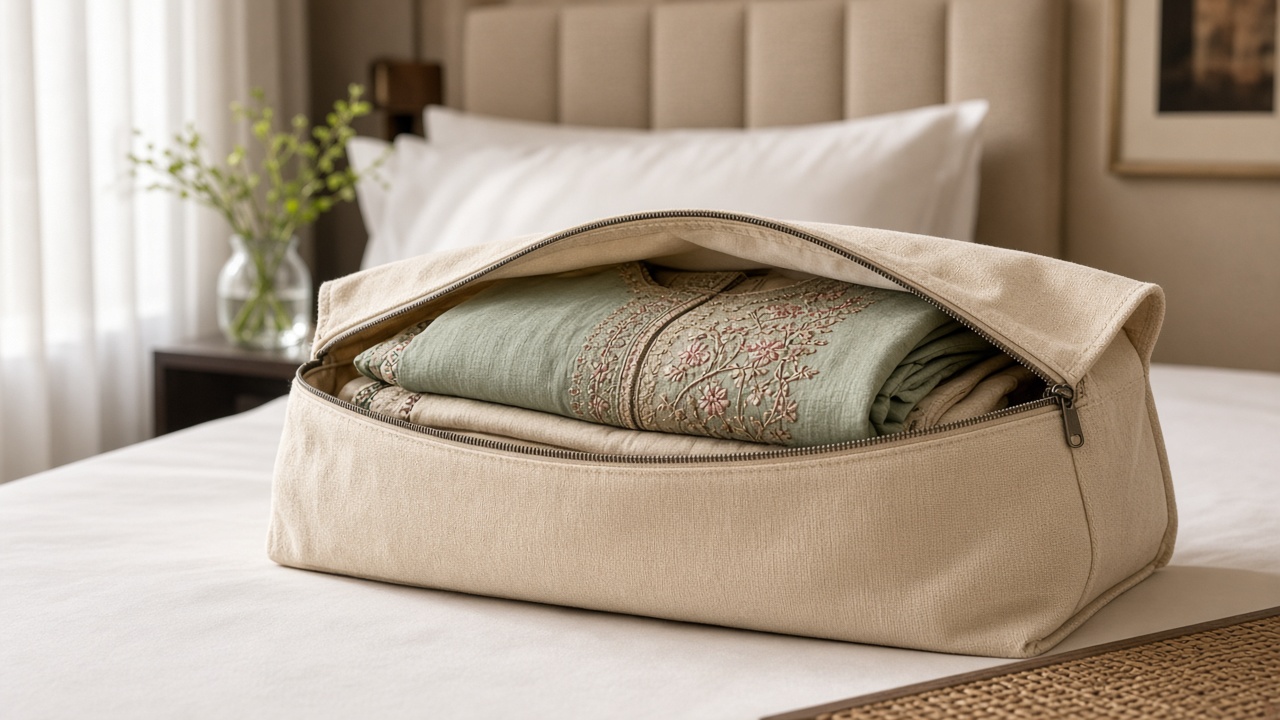
The last week of a Pakistan summer visit is when student bags stop being “clothes for home” and become a negotiation between gifts, medicines, and the airline’s published weight limit. Relatives press mithai boxes into your hands. Someone adds a winter shawl “for America.” You still need a laptop, a semester’s worth of documents, and enough clean shirts to survive the first laundry cycle on campus. This is a packing field guide for that return flight, not a packing list copied from a lifestyle reel, and not personalised medical or customs advice.
Rules and airline allowances change. Re-check your ticket, the carrier’s baggage page, TSA screening guidance, and U.S. Customs and Border Protection travel pages in the week you fly. Guidance below reflects official public advice reviewed in September 2026.
Give every bag a job before anyone adds another gift
Split the return into three jobs before the farewell dinners start stacking boxes.
- Cabin bag: passport and immigration documents, medicines you cannot afford to lose, chargers, one change of clothes, and anything fragile that should not sit in the hold.
- Checked bag: clothes, flat gifts, sealed non-food presents that survive rough handling, and items you can replace if delayed.
- Campus restart kit: whatever you need in the first forty-eight hours after landing: keys if you have them, bedding plan, SIM or eSIM notes, and the charger that fits your US life.
If a relative’s gift does not fit a job, it does not enter a bag. Saying that early is kinder than abandoning a crushed box at check-in. Leave empty mass in the suitcase on the way to Pakistan if you already know the return will be gift-heavy. A half-empty outbound bag is not a failure; it is capacity you will need later.
Medicines: labels travel; diagnoses do not
Pack routine medicines you already use in labelled containers when you can. TSA’s medication FAQ recommends clear labelling to speed screening and strongly encourages keeping medication in carry-on so you can reach it if a checked bag is delayed. TSA does not require prescription bottles for security screening, but state rules and airline or destination expectations can still favour original pharmacy labels. Follow the stricter practical rule for your route.
Medically necessary liquids, gels, and creams may exceed the standard 3.4-ounce (100 ml) carry-on limit in reasonable quantities for the trip, but you must declare them at the checkpoint and expect extra screening, as TSA explains on its liquid medications page. Pills are generally simpler at security than liquids; still keep them accessible and labelled. Ice packs used to keep medically necessary items cool may be screened even when partially melted. Tell the officer what you have before the bag goes through the X-ray.
If you acquired medicines in Pakistan to bring into the United States, treat that as a declaration and personal-importation question, not as a packing aesthetic. The FDA’s personal importation page is blunt: in most circumstances it is illegal for individuals to import drugs into the US for personal use when those products have not been approved for use and sale in the United States, including many foreign-made versions of familiar medicines. FDA may exercise enforcement discretion in limited situations, generally oriented around serious conditions without adequate US alternatives or continuation of treatment begun abroad, often with quantity and documentation expectations. That discretion is not a licence to stock a suitcase pharmacy for the semester.
Controlled substances raise a separate bar. US residents who obtain controlled medicines abroad face strict personal-use limits and declaration duties. This article will not tell you which products to buy abroad or how to self-treat. If you need a medicine for the semester, settle the plan with a US clinician or pharmacist before you rely on a suitcase pharmacy. For general consumer caution about medicines obtained outside the United States, see the FDA’s page on buying medicine outside the United States.
Gifts that survive customs questions
Clothes, books, scarves, and sealed non-food gifts are usually simpler than food. CBP requires travellers to declare meats, fruits, vegetables, plants, seeds, soil, animals, and plant or animal products, including many soups and snacks, whether they are in carry-on or checked bags. Failure to declare agricultural items can mean confiscation and civil penalties. CBP’s page on bringing agricultural products into the United States is the baseline, not a family WhatsApp rumour.
CBP has specifically warned study-abroad returnees against trying to bring meat products such as pork or beef home, and notes that many cheeses and animal products are restricted. Read the agency’s travel tips for study abroad students before you invent a wrapping solution for homemade food. When relatives insist on mithai, achar, or meat snacks, the honest packing answer is often “thank you, I cannot take that through US agriculture rules,” not a creative wrapping job.
Declare gifts and other articles acquired abroad as your customs form requires. Returning residents commonly have a personal exemption for accompanying goods within published limits; visitors have different rules. Gifts intended for others can still count toward what you must declare. Do not invent a dollar value that understates what you are carrying. If you are unsure whether a snack is allowed, declare it and let the agriculture specialist decide. CBP’s public guidance prefers declaration over guessing.
- Prefer flat, durable gifts over glass sweet trays and oil-leaking pickle jars.
- Keep receipts or a simple list of gift items and approximate values for the declaration conversation.
- Refuse commercial quantities. A suitcase that looks like a shop run is a different problem from personal gifts.
- Leave empty mass in the suitcase on the way to Pakistan if you know the return will be gift-heavy.
Weight is a number on your ticket, not a family argument
Open the airline’s baggage allowance for your exact fare class and itinerary. Do not trust last year’s Lahore–New York limit or a cousin’s carrier. Weigh bags on a bathroom or luggage scale before you leave for the airport; re-weigh after the last gift enters. Move dense items (books, shoes, sealed gift boxes) between bags only when both bags stay under their own limits.
If you are over, cut in this order: duplicate clothes you can wash on campus, gifts that can be posted later through a declared channel, then “just in case” bottles. Do not cut medicines or documents to save two kilograms of mithai that may be seized anyway.
At security, TSA encourages gift bags or boxes that open easily rather than fully wrapped parcels officers cannot inspect. Snow-globe-style liquid gifts belong in checked bags when they exceed liquid rules, or better, stay off the packing list.
Documents and electronics that restart the semester
Keep passport, visa or status documents, I-20 or other school papers if relevant, and any letter you were told to carry with medicines in the cabin bag, not buried under gifts. Photograph the open passport bio page and any critical school letter for your own cloud backup before you leave for the airport, then put the originals back where you can reach them without unpacking the hold bag.
Electronics need their own weight and screening reality. Laptops and large tablets usually travel in the cabin. Spare lithium batteries belong in carry-on under airline and TSA rules for most consumer packs; do not invent a packing rule from a forum post. Charge devices before the airport day so screening questions do not collide with a dead battery argument.
Day-of return sequence
- Photograph open bags for your own record if insurance or a claim later matters.
- Wear the heaviest shoes and jacket through the airport if that keeps a bag under limit and is still comfortable.
- Keep medicines and documents on your person through screening and boarding.
- At US arrival, answer agriculture and gift questions on the declaration honestly; present items if asked.
- On campus, unpack medicines and documents before you unpack souvenirs, so the semester kit is not buried under gifts.
What to refuse kindly before the airport road
Homemade meat snacks, unlabelled powders, large liquid bottles, and commercial-looking quantities of sweets are the gifts that most often create either agriculture trouble or weight theatre. Thank the giver, photograph the gift if that helps the family feel seen, and leave it behind or arrange a later declared shipment from Pakistan if someone insists. A student who arrives with clean documents and labelled medicines has already succeeded. A suitcase that fails at the belt for two kilograms of seized food has not.
A successful Pakistan summer return is not the fullest suitcase. It is a student who clears security, clears customs without a preventable fine, and can find their labelled medicine before the first early class.
Sources and official profiles
Was this helpful?
Keep reading
Related stories
More from this desk, this beat, and the tags on this piece.



Readers
The conversation
0 notes
Anyone can leave a note. Guests add a name and email — no account required, and the email is never published.
No notes yet. Yours would be the first.