Road safety for late-night walima exits in US parking lots
Leave a US walima after midnight with a sober ride arranged early, lit walking routes, child handoffs, and pedestrian–driver habits grounded in NHTSA and parking-lot safety guidance.
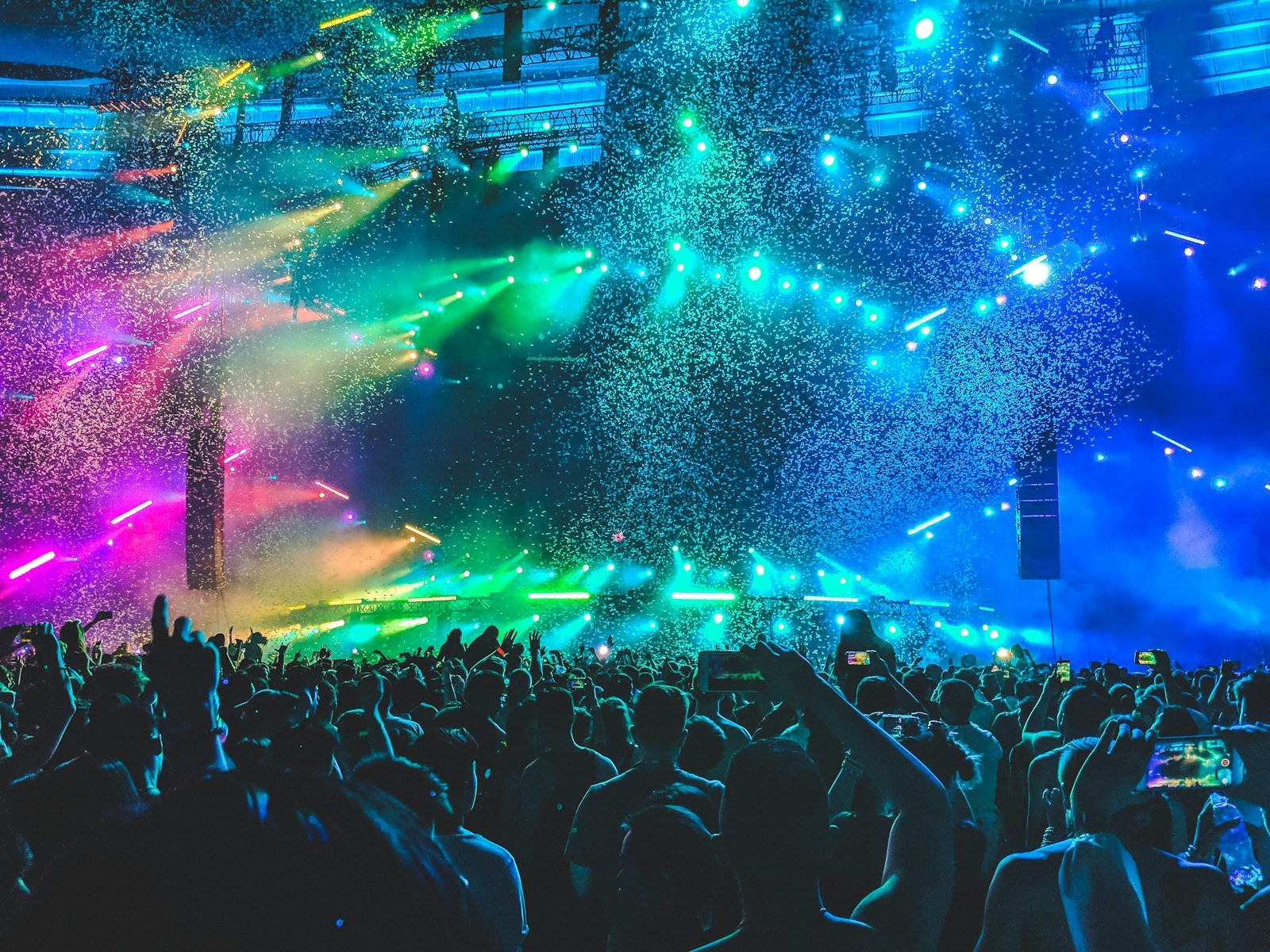
The walima ends when the last plate is cleared, not when the parking lot is ready for you. Banquet halls and hotel ballrooms empty into asphalt that is darker, busier, and more distracted than the dance floor felt five minutes earlier. Guests in formal clothes, children half-asleep, elders moving slowly, rideshare pins drifting, and cars reversing from tight rows all meet at once. This is a safety logistics guide for that exit. It is not legal advice, not a claim about any venue, and not a substitute for local emergency instructions.
Decide the ride before the programme peaks
If anyone in the car will drink, the sober plan belongs on the invitation thread hours earlier, not in the lot at 1 a.m. The National Highway Traffic Safety Administration’s drunk-driving guidance is blunt: if you are drinking, do not drive; choose a non-drinking designated driver before the gathering, or use a taxi, ride-hail, or sober friend. Hosts who serve alcohol are urged to make sure guests leave with a sober driver. “Buzzed” is not a safe middle ground in that public messaging.
Write names, not vibes. Who holds the keys? Who stays under the limit for the whole evening? Which two households share a van so one adult can remain fully sober? If the designated driver is also the person expected to carry trays and settle the caterer, pick a different driver. Fatigue impairs judgement too. A sober-but-exhausted uncle after a fourteen-hour baraat day is not automatically the right person for the highway home.
What the lot is doing while you say goodbye
Parking lots concentrate low-speed movement, blind corners, and people who are looking at phones instead of bumpers. The National Safety Council’s parking-lot safety overview stresses slow travel, staying in marked lanes, signalling, obeying stop signs inside the lot, and extreme care when backing. Backup cameras help but do not replace a shoulder check, and lenses fog or get dirty. Pull-through spaces on arrival, when the lot layout allows, reduce the need to reverse into a stream of pedestrians later.
NHTSA materials on preventing pedestrian crashes note that parking-lot injuries often involve vehicles backing from spaces while walkers pass too close to rows of cars. Pedestrians are advised to walk as far from parked cars as safely possible so both parties have time to see each other. Drivers should look left, right, and behind before reversing and ask passengers to help scan for people. Large SUVs and vans (common at family weddings) have larger blind zones. Formal clothing and dark sherwanis or saaris do not show up well against asphalt at night. The agency’s pedestrian-crash prevention PDF is worth a skim before you host a late event if you control the lot messaging.
Lighting, clothes, and the walk to the car
NHTSA’s reminders for pedestrian visibility apply after a walima as much as after dusk errands: drivers should expect people in low light; walkers should stay alert, avoid distraction from phones while crossing drive aisles, and make themselves easier to see with light-coloured layers, reflective details, or a phone torch aimed at the ground, not into drivers’ eyes. Assume a reversing driver has not seen you until you have a clear acknowledgement.
Scout the path while you still have daylight or venue lighting: which aisle is lit, which stairwell door dumps you into a dead corner, where the hotel canopy actually is. If the venue’s lot is poorly lit, move the goodbye indoors and walk out in a tight group rather than scattering across dark rows for “one more photo.”
Children are not cargo you remember at the curb
Assign one adult per child for the walk, not “someone will watch them.” Hold hands through drive aisles. Do not let children cut between parked cars to “get to Nana faster.” Before any vehicle moves, the driver should walk the perimeter of the car and check for kids, strollers, and trailing dupattas near tires. NHTSA’s pedestrian-crash prevention notes specifically flag the habit of checking behind a parked car for children before getting in. Buckle everyone before music resumes on the stereo. A sleeping toddler on a relative’s lap is not a car seat.
If two cars are travelling together, agree a meeting point under a light or at the venue entrance rather than chasing each other through reversing traffic. Share live location only with people who need it, and end the share when everyone is home.
Exit sequence that usually reduces chaos
- Confirm the sober ride while you are still inside: keys with the designated driver, or a booked ride with the correct door pin.
- Gather the household in the lobby or a lit foyer (coats, gifts, cake boxes) before anyone steps into the aisle alone.
- Walk the lit route in a compact group; phones down while crossing; make eye contact with drivers who are already moving.
- Load passengers first, engines later. Close doors, buckle, then reverse slowly with a passenger spotting the rear.
- Leave the row without cutting diagonally across unmarked asphalt; use the lane the venue marked for exit even if it feels longer.
“Who is driving, which door we use, and who has each child”: three questions worth answering before the final dua, not after the lot fills with reversing lights.
Rideshare pins and hotel shuttles
If guests use ride-hail, publish one pickup pin under light and tell drivers not to enter reversing rows. Hotel shuttle loops need a marshal who knows the last trip time. Do not leave elders standing at an unmarked curb while phones argue about which door is “the main one.”
Hosts who control the lot message
If you are the couple or the family booking the hall, you can reduce risk before guests arrive. Ask the venue which exits stay lit, where rideshare should wait, whether security monitors the lot, and whether oversized SUVs have a preferred row. Put that map in the invitation thread with the dress code. Guests invent shortcuts when the official path is unclear.
If alcohol is served, place water stations and a clear “keys with the sober driver” reminder near coats, not only on a tiny card at the bar. The logistics of leaving are part of hosting, not an afterthought once the playlist ends.
Weather, valet lines, and when to intervene
Ice, rain, and valet bottlenecks need extra time. If someone is impaired and insists on driving, do not debate traffic theory in the aisle. Take the keys, rearrange rides, or call for help if the situation is unsafe. If you see a driver who appears impaired on the road, NHTSA advises contacting 911 when you can do so safely.
Elders, formal shoes, and long hems
Late exits punish stiff knees and formal footwear. Offer an arm without yanking. Choose the shortest lit route even if it is not the photo backdrop. Trailing hems and dupattas near tires are a real entanglement risk while cars idle. Pause loading until fabric is clear of the ground beside wheels.
If an elder prefers to wait indoors, bring the car to the canopy and load there rather than asking them to navigate a dark row. The younger adults can take the longer walk.
A late walima is supposed to end in rest, not in a parking-lot scare. The celebration can stay loud indoors. The exit works better when it is boring, lit, sober, and slow.
After the lot: the first miles home
Most wedding crash risk talk focuses on the asphalt beside the hall, but the first highway miles matter too. Keep music lower than the party. If two households travel in convoy, agree a meeting point for rest stops rather than improvising lane changes to stay together. Loitering goodbyes recreate the hazard you just escaped. The celebration can stay loud indoors; the exit and the drive home work better when both are boring, lit, sober, and slow.
If someone is impaired and insists on driving, do not debate traffic theory in the aisle. Take the keys, rearrange rides, or call for help if the situation is unsafe. Venue layouts, state traffic rules, and weather change the details. Ice, rain, and valet bottlenecks need extra time. Publish the rideshare pin and exit lane in the same message as the hall address so guests are not inventing dark shortcuts at 1 a.m.
Sources and official profiles
Was this helpful?
Keep reading
Related stories
More from this desk, this beat, and the tags on this piece.
Readers
The conversation
0 notes
Anyone can leave a note. Guests add a name and email — no account required, and the email is never published.
No notes yet. Yours would be the first.