Road-tripping to a Pakistani wedding across state lines
Plan an interstate drive to a Pakistani wedding: NHTSA fatigue habits, weather checks, formalwear packing, gifts, hotel buffers, and ceremony timing margins.

An interstate Pakistani wedding invitation looks simple on paper: leave Friday, arrive for mehndi, drive home after Walima. The road rarely agrees. American distances, winter storms, summer heat, and ceremony clocks that slip by two hours turn a “quick drive” into a logistics problem. Plan the journey as carefully as the outfit.
This is a field guide for guests driving across state lines to a Pakistani wedding in the United States. It is not a command to drive when flying would be safer, and it is not a substitute for state traffic laws where you travel. Safety claims below follow public NHTSA, National Weather Service, Ready.gov, and FTC guidance checked around September 2026.

Treat fatigue as a wedding risk, not a loyalty test
Decide who drives which segment before anyone is tired and emotional. The National Highway Traffic Safety Administration’s drowsy driving guidance is blunt: adequate daily sleep—generally seven to eight hours—is the real protection. Coffee alone is not enough. Peak sleepiness windows include late night into early morning and late afternoon. If your baraat ends near midnight and home is four hours away, book a hotel. Performing toughness on the interstate is not loyalty to the couple.
NHTSA also warns that drinking coffee or energy drinks can create a false sense of alertness while “micro sleeps” still happen. Their practical rescue, if sleepiness starts on the road, is to pull over somewhere lighted and safe, take coffee if needed, and nap about twenty minutes—then still treat that as a temporary bridge, not a licence to push another three hours. Share driving. Schedule stops. If someone has taken sedating allergy medicine or is coming off a sleepless mehndi night, they are a passenger. NHTSA also warns that many legally obtained over-the-counter and prescription medicines can impair driving; read labels before you assign the wheel, and do not combine impairing medicine with alcohol. The agency’s medicines campaign pages are listed in the sources for this article.
A T-minus packing timeline that survives embroidery
Wedding road trips fail in the doorway as often as they fail on ice. Work backwards from the hour you must be dressed at the venue.
- T-minus 10–14 days: Confirm venue pins, hotel cancellation rules, and which events you will actually attend. Buy or renew any missing garment bags, ice packs, and a car phone mount so nobody holds a navigation phone.
- T-minus 5–7 days: Assign driver segments while everyone is still civil. Check weather.gov for every state you cross, not only the wedding ZIP code. Decide whether winter kit, heat kit, or both belong in the boot using Ready.gov pages for car emergency kits, winter weather, and heat.
- T-minus 2 days: Steam or press what can be pressed at home. Bag mehndi paste, oils, and perfume separately from light fabrics. Split cash gifts so one envelope is not the only copy of the gift.
- Doorway check: Outfit bags, medications that cannot bake in a hot boot, chargers, offline maps, child seats installed in the car that will actually drive, and a written hotel address pinned in the travel chat.
Weather that does not care about the baraat
Summer cabin failure with elders and children is a safety problem. Winter ice with formalwear and mehndi-stained hands is a different safety problem. Build a delay buffer into your arrival time so a storm does not make you the reason the Nikah waits. If fog, ice, or heavy rain arrives on the return, delay. The couple’s marriage will survive your late departure. Your household may not survive a crash.
Pack water and a simple meal so you are not dependent on finding halal food at every exit, especially in rural stretches between large metros. Plan fuel before empty-tank optimism. Choose rest stops that are lighted and populated when travelling at night. For prayer, many families use quiet corners of rest areas; keep the stop short, stay aware of surroundings, and do not leave valuables visible in the car.
Pack formalwear so it survives the boot
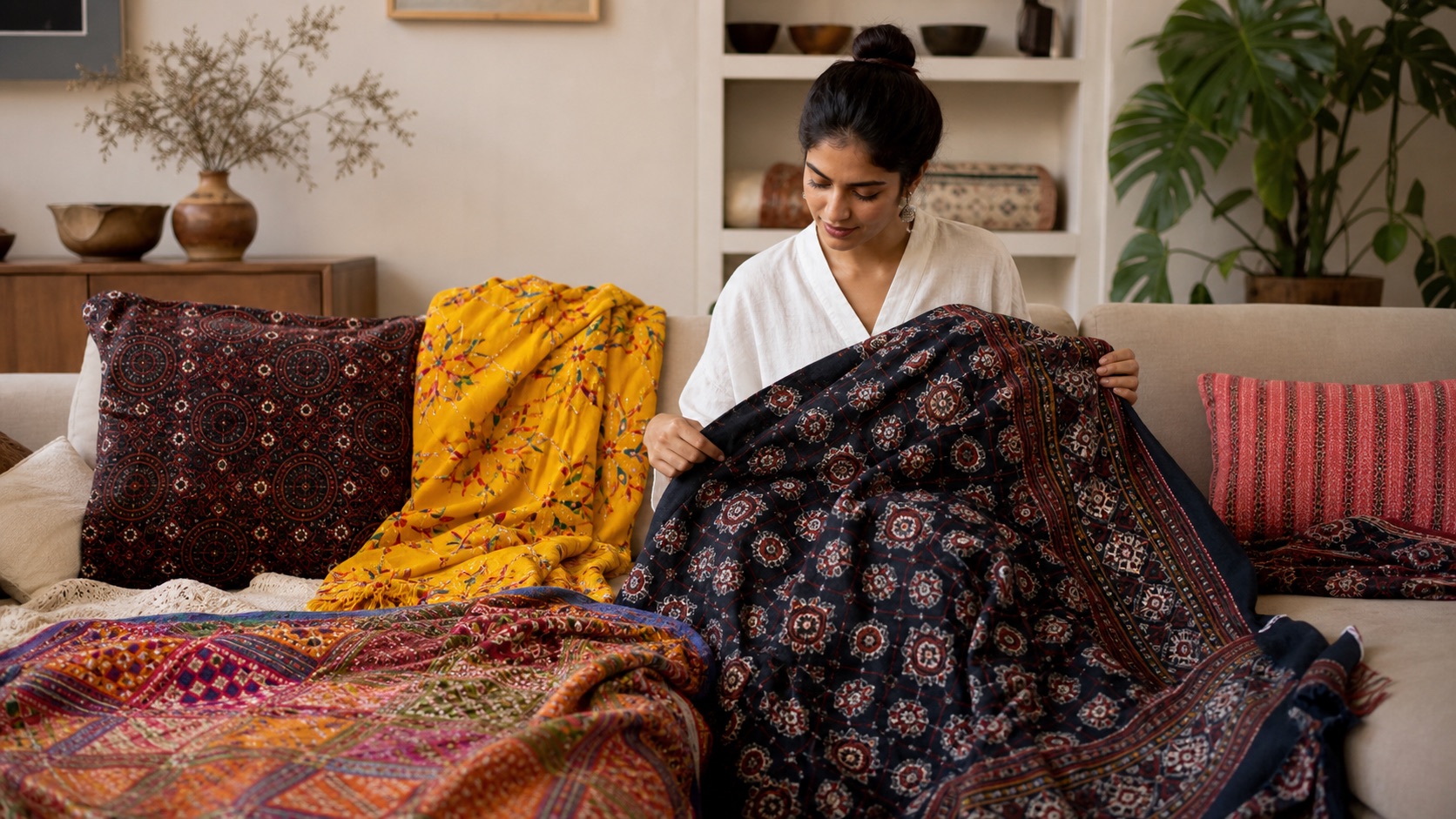
Use a proper garment bag for sherwanis, saaris, and heavily embroidered pieces. Lay flat where you can; avoid crushing under coolers. Keep a small “arrival kit” in the cabin: steamer plan or wrinkle-release strategy, safety pins, fashion tape, spare dupatta pins, stain wipes, and shoes you can actually walk in across a hotel car park.
FTC care-label literacy still helps when you must refresh a garment in a hotel sink. Follow the care label; do not invent laundry chemistry at midnight. See the FTC Care Labeling Rule resources for why those labels exist. Many US hotel rooms ban irons on certain fabrics or provide weak steamers. Test a hidden seam first. Use a towel barrier. Do not soak heavily embroidered pieces. If the garment needs professional pressing, book that near the venue the morning of, not an hour before photography. Keep a lint roller and fashion tape in the cabin kit. Airport and petrol-station carpets are not bridal allies.
| Planning item | Do this | Avoid this |
|---|---|---|
| Driver roster | Assign segments while everyone is fresh | Improvising at 1 a.m. after Walima |
| Weather | Check each state; pack kit | Only checking the wedding city yesterday |
| Outfits | Garment bags; cabin arrival kit | Crushing embroidery under a cooler |
| Children | Stops, snacks, correctly installed seats | Expecting them to sleep in formalwear for five hours |
| Return | Hotel if overnight fatigue is likely | Heroic interstate drives on empty sleep |
Gifts, children, elders, and the shared car
If you carry cash envelopes, split them and keep them on your person, not in an unattended boot at a petrol stop. Boxed gifts should tolerate heat and cold for the hours you will drive. Avoid chocolate melting against a sherwani bag in August. If the couple requested shipments to a house instead of hand carry, do that before you leave and bring only a card.
Interstate weddings with children need more stops than adult pride prefers. Pack snacks that will not destroy formalwear, tablets already downloaded, and jackets for aggressive car air conditioning. Confirm car seats are correctly installed for the vehicle making the trip, not for the vehicle that stayed in the driveway. Elders may need pharmacies along the route; know which medications cannot sit in a hot boot.
If two households share a car, write the outfit bag list on paper so a sherwani is not left on a hanger at home. Do a doorway check before the highway ramp. In a convoy, agree a regroup point every two or three hours rather than relying on continuous group-chat updates that force the lead driver to read while moving.
Hotels, tolls, time zones, and ceremony soft contracts
Book refundable rooms near the venue for the nights that matter. Confirm parking height limits for SUVs with roof boxes. Ask whether early check-in is realistic after an overnight drive. Keep phone chargers, medications, and a change of comfortable clothes in the cabin bag so a late arrival does not trap you in heavily embroidered clothes at a petrol station.
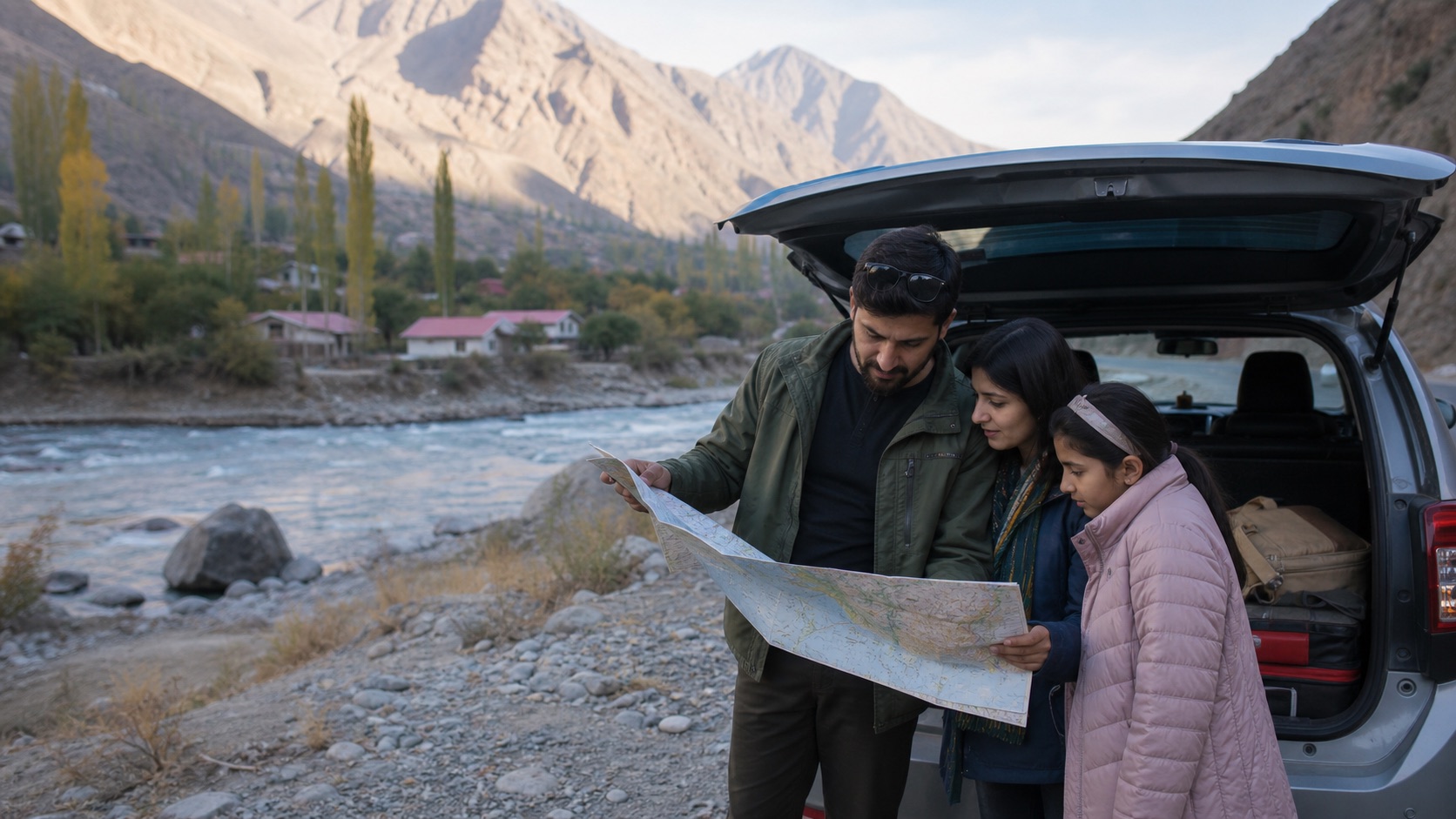
Download offline maps for rural stretches. Carry a car charger and a backup battery. Keep cash or a toll tag ready for corridors that punish card chaos at plazas. Assign one person who is not driving to handle group-chat updates about ceremony slips so the driver is not reading WhatsApp at seventy miles an hour.
If your route crosses time zones, rewrite the ceremony schedule in the local time of the venue and in your departure zone so nobody misreads a 6 p.m. Nikah. Confusion about time zones has ruined more arrival plans than stubborn traffic alone. Create one travel chat for drivers and one wedding chat for ceremonies if the main group is noisy. Pin the hotel address, venue pin, and emergency contact. When the schedule slips, update the travel chat with a new leave time rather than expecting everyone to infer meaning from fifty crying-laughing emojis.
Pakistani wedding schedules slip. Build arrival margins for Nikah, mehndi, and Walima separately. Tell the driver group which events are immovable for you (often Nikah) and which can be joined late. If you miss a ritual because you refused a hotel buffer, that is a planning failure, not fate.
Multi-car households and the quiet return
When cousins leave from three suburbs to the same venue, the failure mode is not navigation. It is mismatched leave times and one car that “will catch up.” Agree a first regroup pin before anyone starts the engine. If one household is delayed by an outfit crisis, the others wait at a lighted petrol station or rest area—not at seventy miles an hour with hazard lights of hope.
On the return, heroism is the enemy. Agree the leave window before sleep deprivation peaks. Tell hosts honestly if you must slip out after dessert. Eat something substantial before a night drive. Swap drivers at a lighted, populated stop. If the forecast for your corridor deteriorates while you are still dancing, the honest update in the travel chat is more loving than a surprise 3 a.m. departure into black ice.
When flying is actually kinder
If the drive exceeds what your group can do with sleep intact, compare flight plus local rideshare against a heroic road narrative. Formalwear still needs a garment plan for air travel, but fatigue risk can drop. This page focuses on driving because that is the common diaspora compromise; it is not a command to drive.
Road-tripping to a Pakistani wedding across state lines is love plus logistics. Sleep, weather, packing, and honest timing keep you useful to the couple rather than becoming their roadside emergency.
Sources and official profiles
Was this helpful?
Keep reading
Related stories
More from this desk, this beat, and the tags on this piece.
Readers
The conversation
0 notes
Anyone can leave a note. Guests add a name and email — no account required, and the email is never published.
No notes yet. Yours would be the first.