US day trips to Canada with Pakistani relatives in the car
How mixed-status Pakistani diaspora families prepare a US–Canada day trip: per-person IRCC, CBSA, and CBP document checks before treating Niagara or Vancouver like a domestic drive.

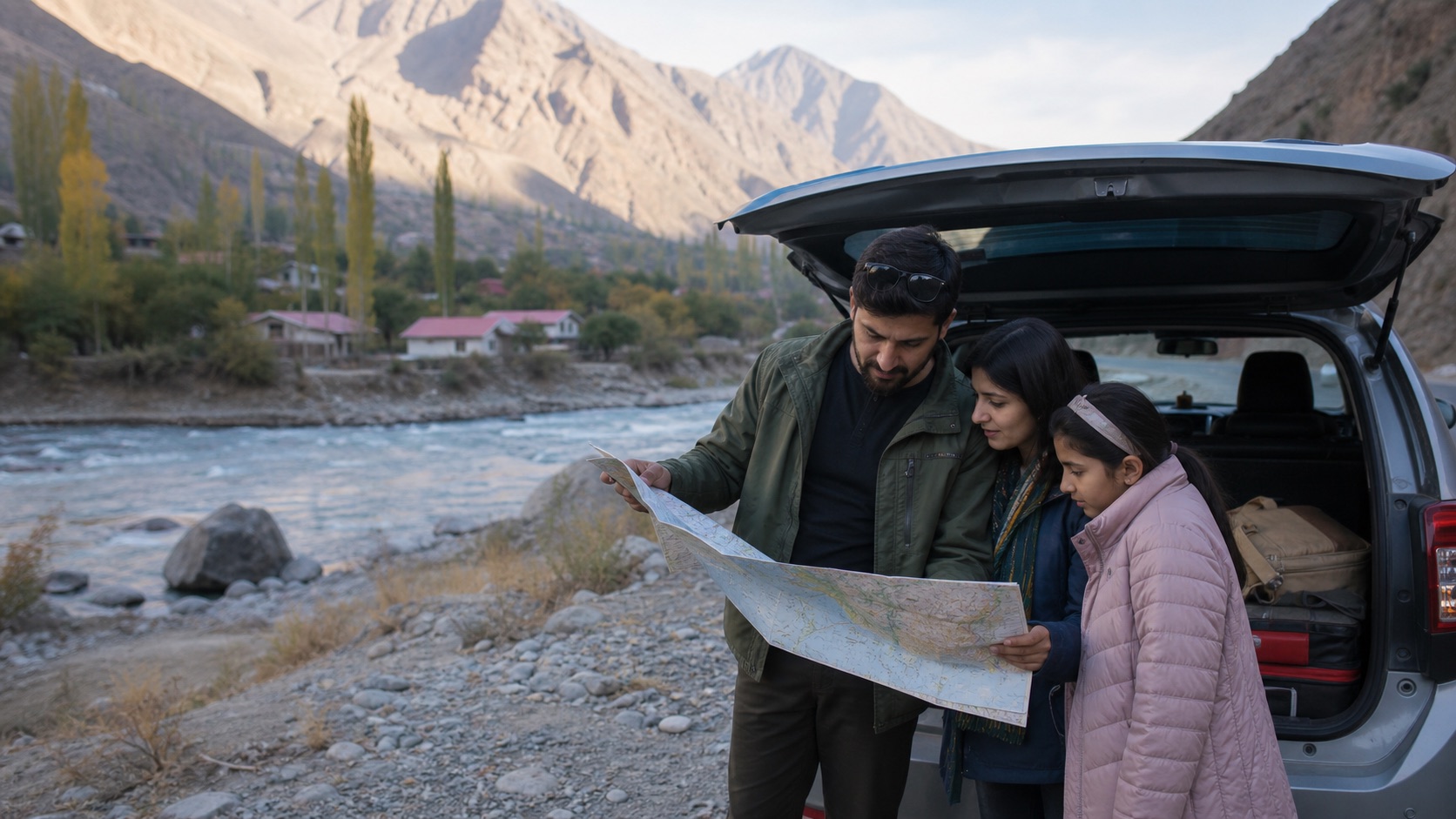
A Canadian day trip from a US border city looks easy on a group chat: lunch, photos, back before bedtime. It stops being easy the moment the car holds mixed passports and statuses. US citizens, green-card holders, visitors still on a Pakistani passport, dual nationals, and children with different papers than the adults each face their own booth. One person’s routine crossing does not cover the row behind them.
This is travel logistics information, not immigration, visa, or legal advice. Border officers decide admission case by case. Rules and document lists change. Before you drive, every traveller should confirm current requirements on official Canadian and US government pages, not on a cousin’s memory of “last summer.” Guidance below was checked against public IRCC, CBSA, and CBP pages around September 2026.
Inventory the car as people, not as one family unit
Write a one-line status for each seat: citizenship(s), permanent residence if any, and what passport they will present. Then open Canada’s official tools for that person, not for the driver. Start with Immigration, Refugees and Citizenship Canada’s entry requirements by country or territory and the visa or eTA check tool. A US green card, a US visitor visa, or years of living in New Jersey does not automatically answer the Canadian side of the booth.
For many Pakistani passport holders, a Canadian visitor visa (temporary resident visa) is required for travel by land as well as by air. Do not assume an electronic travel authorization (eTA) that applies to some air itineraries covers a car crossing. Read the method of travel on the official page for that nationality. Dual nationals should confirm which passport they will present on each side of the booth and whether both countries expect them to use a particular document. If anyone is unsure, stop the plan until the document question is answered from IRCC, not from optimism.
Status can change between trips. A relative who entered Canada last year on a visa that has since expired is not “fine because we know the officer.” Re-check dates. Expired green cards, name mismatches after marriage, and children’s passports that aged out of the photo are ordinary failure modes on family day trips.
Documents for entering Canada, and for coming home
Canada Border Services Agency explains that a border services officer confirms identity and status on arrival. CBSA’s travel and identification documents page recommends a valid passport as the most reliable travel document, and it spells out what US citizens and US permanent residents are generally asked to present by air versus land. Treat that page as the checklist source. Carry documents in the cabin, not buried under snack bags.
Getting into Canada is only half the loop. Returning to the United States has its own document rules. US Customs and Border Protection’s Western Hemisphere Travel Initiative overview lists which documents US citizens may use at land borders, and it notes that lawful permanent residents still need their permanent resident card or other valid evidence of status. Foreign nationals must be prepared to show passport and proof of permission to return to or remain in the United States. CBP’s page on what to expect when you return is useful orientation for the US inspection, not a script.
- US citizens: confirm an acceptable land-border document for the return (passport book, passport card, or other WHTI-listed options on CBP’s page), and still meet Canada’s entry expectations on the way in.
- US permanent residents: plan around the permanent resident card (or other valid proof of status) plus whatever Canada requires for your nationality and travel mode.
- Visitors on Pakistani or other foreign passports: confirm Canadian visitor requirements for that passport and keep US entry or status documents ready for the return inspection.
- Children: each child needs appropriate identity and travel documents. If custody or travel consent letters may be relevant, read current CBSA guidance on travelling with minors and the Government of Canada’s recommended consent letter for children travelling abroad rather than inventing a template in the car.
Travel.gc.ca notes that a consent letter is recommended for land-border day trips when a child travels without both parents or guardians. It is not a Canadian legal requirement in every case, but officers may ask questions if documentation is thin. Carry copies of custody papers where they exist. Do not invent a story about an absent parent.
NEXUS is an option, not a shortcut past paperwork
Households that cross often sometimes look at NEXUS, the joint US–Canada trusted traveller programme described by US Customs and Border Protection and by the Canada Border Services Agency. Membership can mean dedicated lanes where the programme is available, but it is not a substitute for eligibility, admissibility, or correct documents for every relative in the car. PakStyles is not recommending you enrol. If you explore it, use the official Trusted Traveler Program site, read eligibility carefully, and remember both countries must approve an application.
Prayer stops and elder pacing
Mixed-status cars often include elders who need bathroom breaks, medication timing, and a place to pray without improvising beside a highway ramp. Build those stops into the outbound plan the same way you build border slack. A day trip that treats salah as an afterthought creates stress that shows up at the booth as short tempers and inconsistent answers.
If someone in the car is fasting, travelling with limited mobility, or anxious about secondary inspection, say so within the family before you leave. The plan should protect the most constrained person, not the most enthusiastic photographer.
Food, gifts, and the return trunk
Declare goods honestly. Food, gifts, and large cash amounts create questions that a “quick lunch” story does not erase. Leave weapons, restricted items, and legal grey areas at home. Canada’s rules are not a mirror of your US state habits. On the way back, CBP’s guidance on bringing agricultural products into the United States matters if anyone bought fruit, meat, plants, or packaged foods as souvenirs. A mithai box is not automatically harmless at the booth; declare what you are asked to declare.
Day-trip shape that survives the booth
Choose a crossing and a turnaround time that leave slack for secondary inspection. Peak tourist weekends at Niagara and similar corridors can turn a “two-hour lunch” into a six-hour loop before anyone has eaten. Keep phones charged, answers consistent, and destinations concrete: where you will park, eat, and pray if needed.
Brief the car before the plaza. Everyone should know the same purpose of travel, the same destination neighbourhood, and the same plan for return. Inconsistent stories between seats create delays even when documents are perfect. Elders who prefer to narrate freely still need a shared factual baseline.
Agree in advance what happens if one person is refused entry: who turns the car around, who waits, and how you contact the group without arguing beside the lane. If a child needs a bathroom or a relative needs medication, say so calmly rather than improvising a comedy of whispered Urdu that sounds evasive to an officer who does not share the language.
Niagara, Windsor–Detroit, Blaine, and other corridors each have their own wait-time culture and tourist pressure. The corridor does not change the document rule. A successful diaspora day trip is the one where every passport was checked against official pages before the engine started, and where coming home was planned with the same seriousness as the view on the Canadian side.
Sources and official profiles
- IRCC: Entry requirements by country or territory
- IRCC: Check if you need a visa or eTA
- CBSA: Travel and identification documents
- Travel.gc.ca: Consent letter for children travelling abroad
- CBP: Western Hemisphere Travel Initiative
- CBP: What to expect when you return
- CBP: Bringing agricultural products into the United States
- CBP: NEXUS
Was this helpful?
Keep reading
Related stories
More from this desk, this beat, and the tags on this piece.




Readers
The conversation
0 notes
Anyone can leave a note. Guests add a name and email — no account required, and the email is never published.
No notes yet. Yours would be the first.