Cities
Islamabad weekend guide: trails, museums, and unhurried meals
Plan an Islamabad weekend around one Margalla morning, one museum or mosque visit, neighbourhood meals and empty hours—not a traffic checklist.
By Mehreen Ali
Travel editor
7 min read
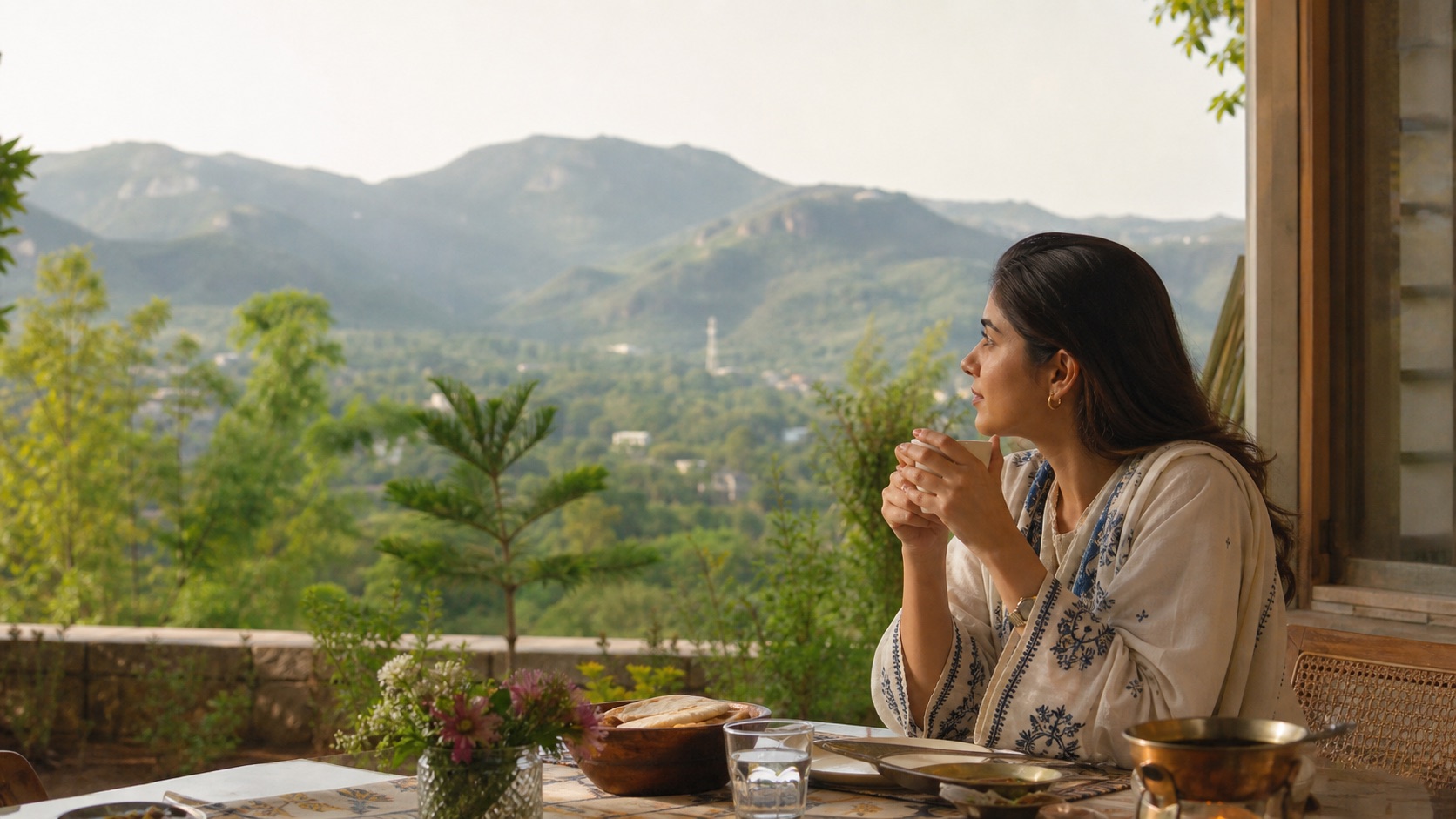
Islamabad rewards a weekend that leaves empty hours on purpose. Pack three trails, two viewpoints and a Rawalpindi dinner into forty-eight hours and the capital becomes another traffic exercise. This guide keeps one outdoor morning, one museum or monument block, and meals that do not require crossing the city twice—practical notes checked as general guidance, not a live opening-hours board. Verify tickets, prayer times and security notices on the day.
The capital’s pleasure is cumulative: shade between sectors, the ridge after a measured climb, a museum label you actually finish reading, a meal that does not erase the afternoon in traffic. Plan for that rhythm rather than for a highlight montage.
Saturday: one Margalla route, then stop
Choose a single established Margalla path suited to your fitness and the day’s weather—Trail 3 and Trail 5 are the familiar dawn options for many residents—then commit. Start early, carry water and sun protection, stay on the marked trail and tell someone your route. Heat, poor air quality, rain or wildlife notices can cancel the walk without cancelling the morning; a garden breakfast or a slow sector stroll is a legitimate Plan B.
Be down before the ridge turns into a car park. Daman-e-Koh and Pir Sohawa viewpoints are fine if that is your chosen afternoon stop, but do not schedule “trail plus every overlook” as if the map were flat. Monkeys, uneven steps and sudden cloud cover are part of the Margallas; treat them as conditions, not colour for a caption.
A simple go / no-go check before you lace up
- Air and heat: if the morning already feels harsh in the city bowl, shorten the route or skip elevation.
- Footwear: trainers with grip beat dress shoes on loose stone; leave the trail if the path is running with mud.
- Water and exit: carry more water than pride suggests; know how you will get down if someone tires.
- Wildlife and rubbish: do not feed monkeys; pack wrappers out; keep phones secured.
- Companions: match the trail to the slowest person, not the fittest Instagram caption.
One cultural visit, properly
Give the afternoon or the next morning to a single museum or monument and actually read it. Lok Virsa’s folk heritage displays reward slow walking; Pakistan Monument’s terraces work better when you are not racing another booking. Check current opening days, ticket rules and identification requirements on the venue’s own notices before you go—schedules change for holidays and official events.
If you include Faisal Mosque, treat it as a working place of worship and as architecture. Dress and behave accordingly, avoid turning prayer times into a sightseeing window, and ask before photographing people. Looking at how the tent roof meets the Margalla ridge is the visit; arranging a full family set on the steps through congregation is a different errand.
Pair the mosque or museum with empty minutes afterwards—tea nearby, a shaded bench, a bookshop browse—so the visit is not immediately cancelled by a cross-city restaurant booking. Islamabad’s cultural sites repay stillness more than checklist speed.
Neighbourhoods and meals that stay local
Saidpur can be a meal and a short walk if you behave as a guest of a lived lane: pay, leave path room, and default to no when photographing doors or children. F-6 and F-7 still offer shade, bookshops and kitchens that feed office hours—useful when you want Islamabad as a neighbourhood rather than a viewpoint café.
Eat according to location. A famous restaurant across the city is rarely worth abandoning a good local plate and an hour of conversation. Ask what a place cooks consistently well. Keep one evening unscheduled for relatives, weather or the discovery that tea has become dinner.
Meal pacing that protects the weekend
- After the trail: something filling but not a two-hour wait—protein, bread or rice, water, then rest.
- Late afternoon: fruit, chai or a light snack if dinner will be late; avoid stacking two heavy restaurant meals on the same day as a hike.
- Evening: one neighbourhood kitchen within a sensible ride; decline the “just one more place across town” suggestion unless the night is intentionally free.
- Sunday lunch: the unhurried meal of the weekend—longer conversation, fewer venues.
Sunday: Rawalpindi only on purpose
Cross into Rawalpindi if the contrast—tighter streets, different market rhythm—is part of your weekend, not as a token “old city” stamp. Go with someone who knows the area you intend to visit, keep photography respectful and plan the return before another distant booking. Otherwise stay in Islamabad for a second museum hour, a bookshop, a market loop or a long lunch.
If you do cross cities, treat transport as part of the itinerary: agree a pickup point, keep cash for rides when apps glitch, and leave buffer before dusk if your group is tired. A short, specific Rawalpindi errand beats a vague “show us everything” drive that returns everyone irritable.
Getting around without turning the map into the weekend
Islamabad’s sectors look logical until you stack too many of them. Treat travel time as a real line item: a trailhead transfer, a museum arrival, a meal, a return. Ride apps help when they work; keep a backup plan for peak prayer times, rain and zones where pickup points are confusing. If you are staying with family, ask which junctions routinely jam rather than trusting a straight line on a phone map.
Walking between nearby F-sector destinations can be pleasant in good weather; treating the whole capital as walkable in one afternoon is how you arrive at dinner depleted. Save long walks for the Margallas or a single neighbourhood loop. Use cars for cross-city leaps, then get out and slow down.
Weather, clothes and the empty hour
Carry a light layer for changing weather and cold indoors. Summer heat and monsoon rain rewrite outdoor plans quickly; winter mornings on the ridge can be sharper than the city centre suggests. If the trail morning was strenuous, resist turning the afternoon into another endurance test.
Dress for mosque and monument visits with shoulders and legs covered as a default when you are unsure; carry socks for shoe removal. Trail clothes and mosque clothes are rarely the same outfit—plan a change rather than improvising with a sweaty shirt in a car park.
Build one deliberately empty hour into each day—no monument, no meal reservation, no viewpoint. That hour is where Islamabad becomes specific: a conversation, a nap, a second cup of tea. Tourists who skip it often remember only traffic.
A weekend shape you can actually keep
- Saturday dawn: one Margalla trail or a weather Plan B
- Saturday afternoon: one museum, monument or mosque visit with reading time
- Saturday evening: neighbourhood meal; one empty hour somewhere in the day
- Sunday: either a focused Rawalpindi contrast trip or a second slow Islamabad block
- Throughout: water, respectful photography, realistic ride buffers
The city’s calm is not emptiness; it is the space between government blocks, migration, hills and planned avenues. A good weekend leaves one of those threads unfinished enough to bring you back.
Sources and official profiles
Filed under
Keep reading
Related stories
More from this desk, this beat, and the tags on this piece.
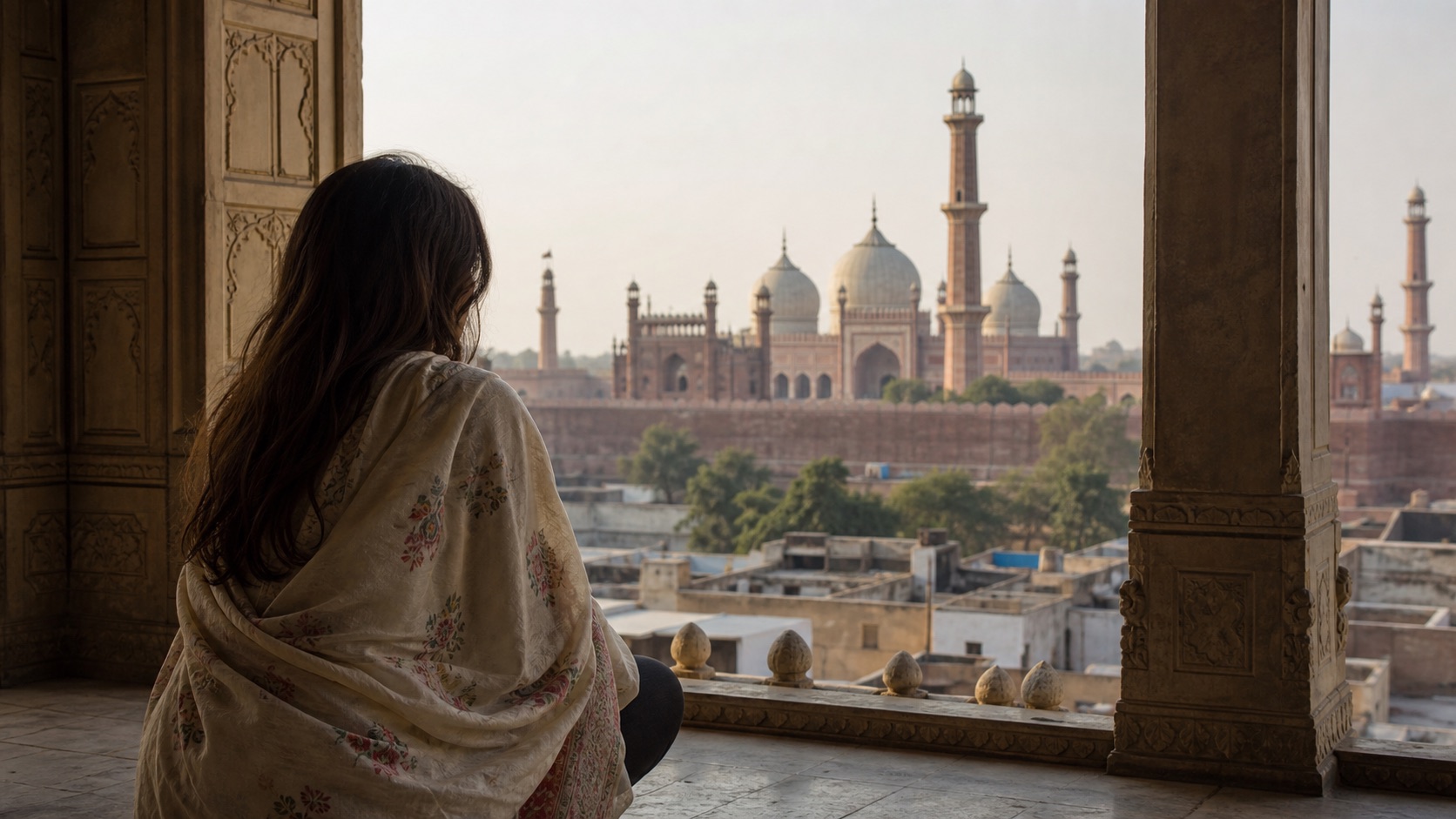
Solo female travel in Pakistan: planning beyond the headlines
Mehreen Ali · 15 Aug 2026 · 7 min
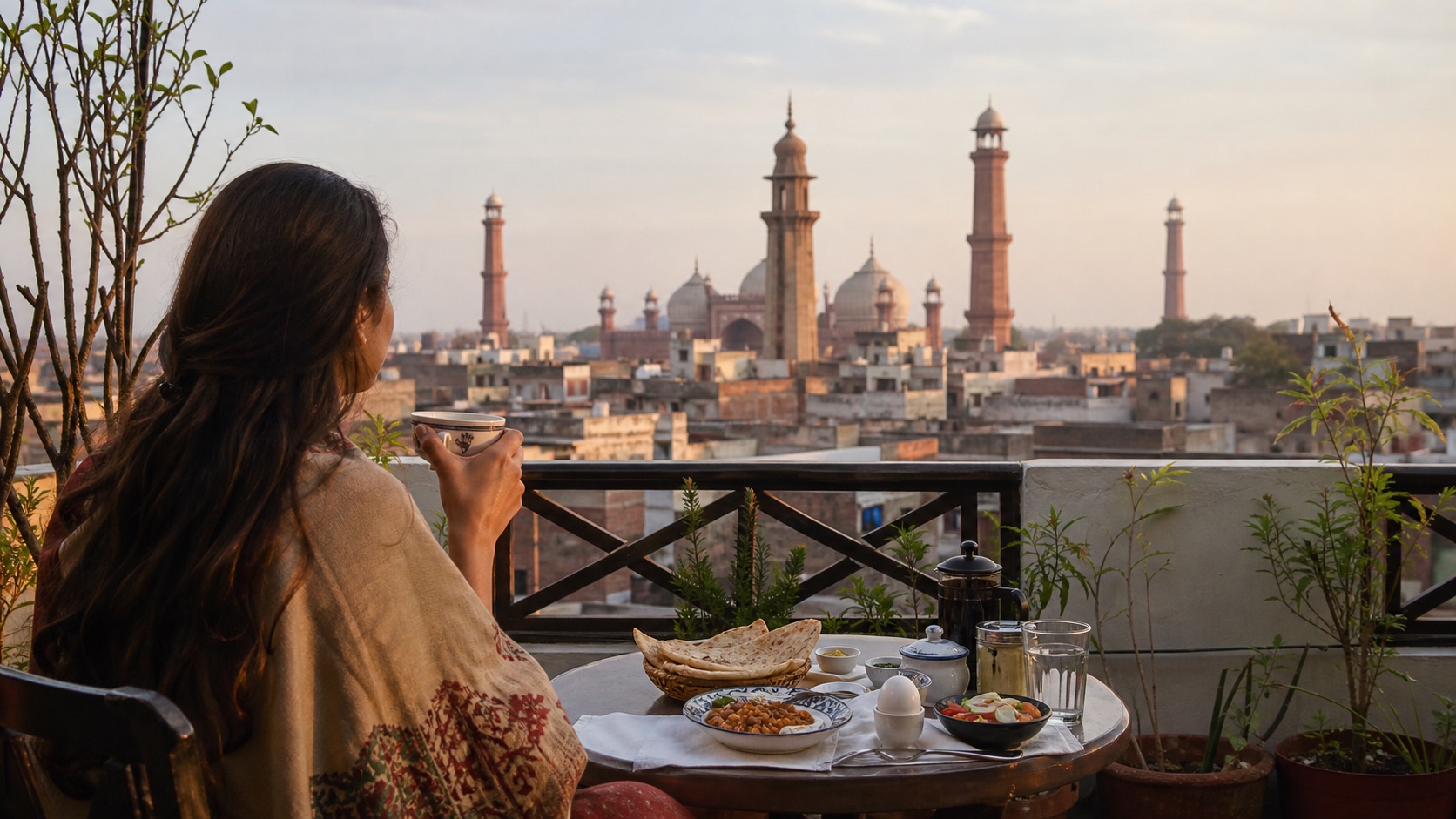
Rawalpindi old-city walk: bazaars without turning residents into scenery
Mehreen Ali · 13 Sep 2026 · 14 min
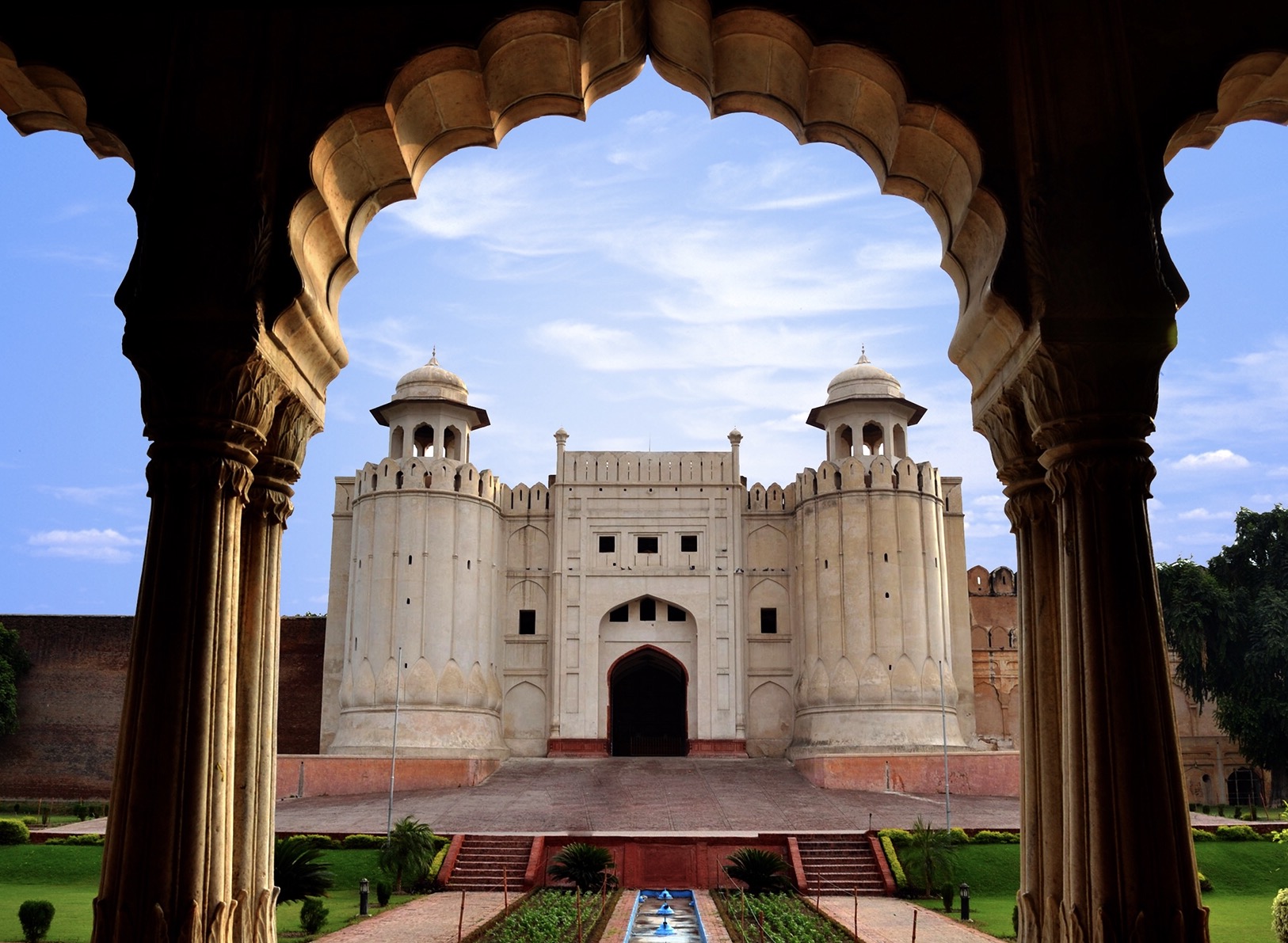
Sialkot for visitors: sport, industry and a compact city centre
Mehreen Ali · 13 Sep 2026 · 13 min
Readers
The conversation
0 notes
Anyone can leave a note. Guests add a name and email — no account required, and the email is never published.
No notes yet. Yours would be the first.