Train like a fast bowler in the off-season
An off-season template for club and school quicks in Pakistan: posterior-chain strength, long-toss, filmed run-ups, and heat treated as a constraint.
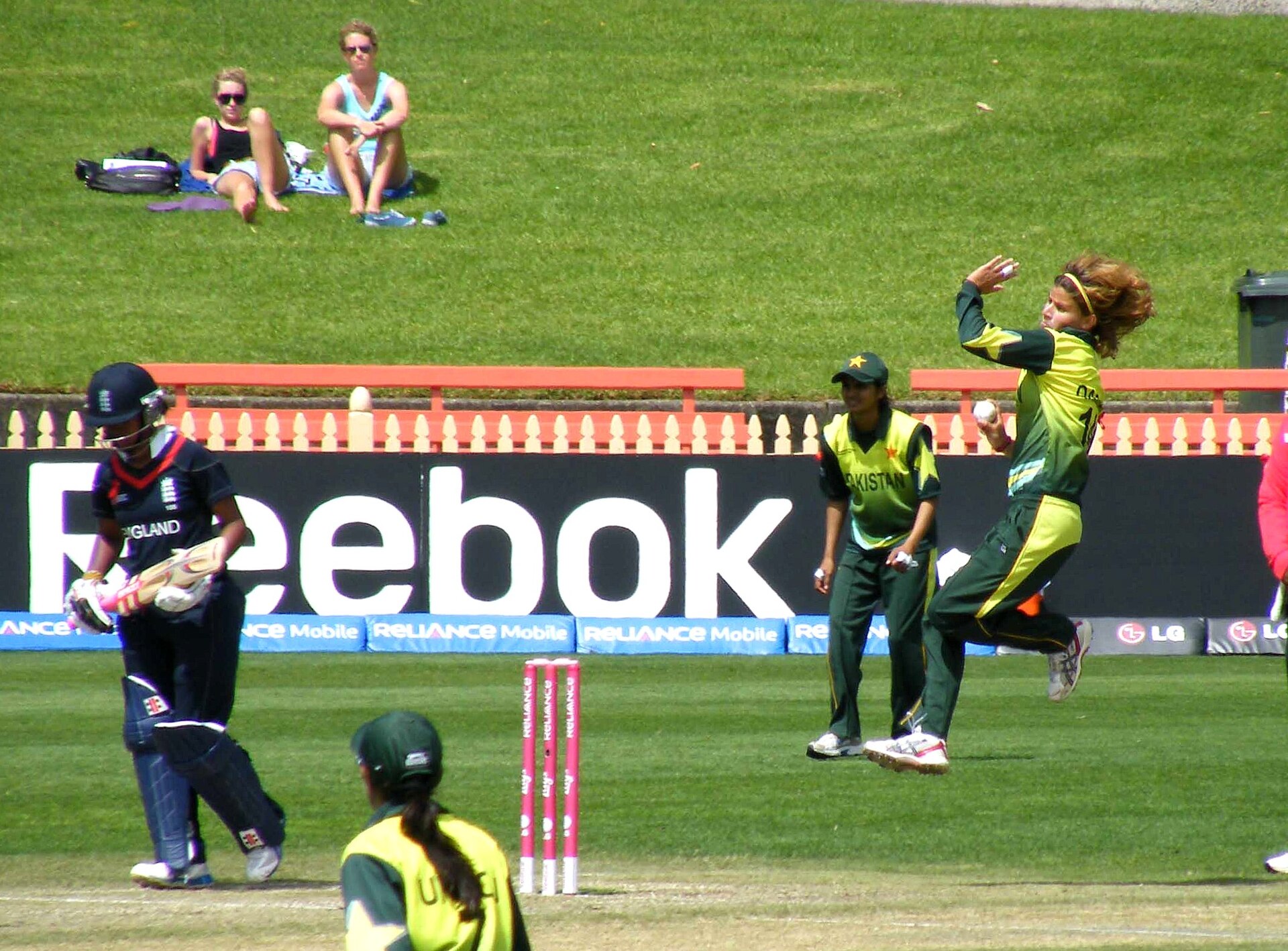
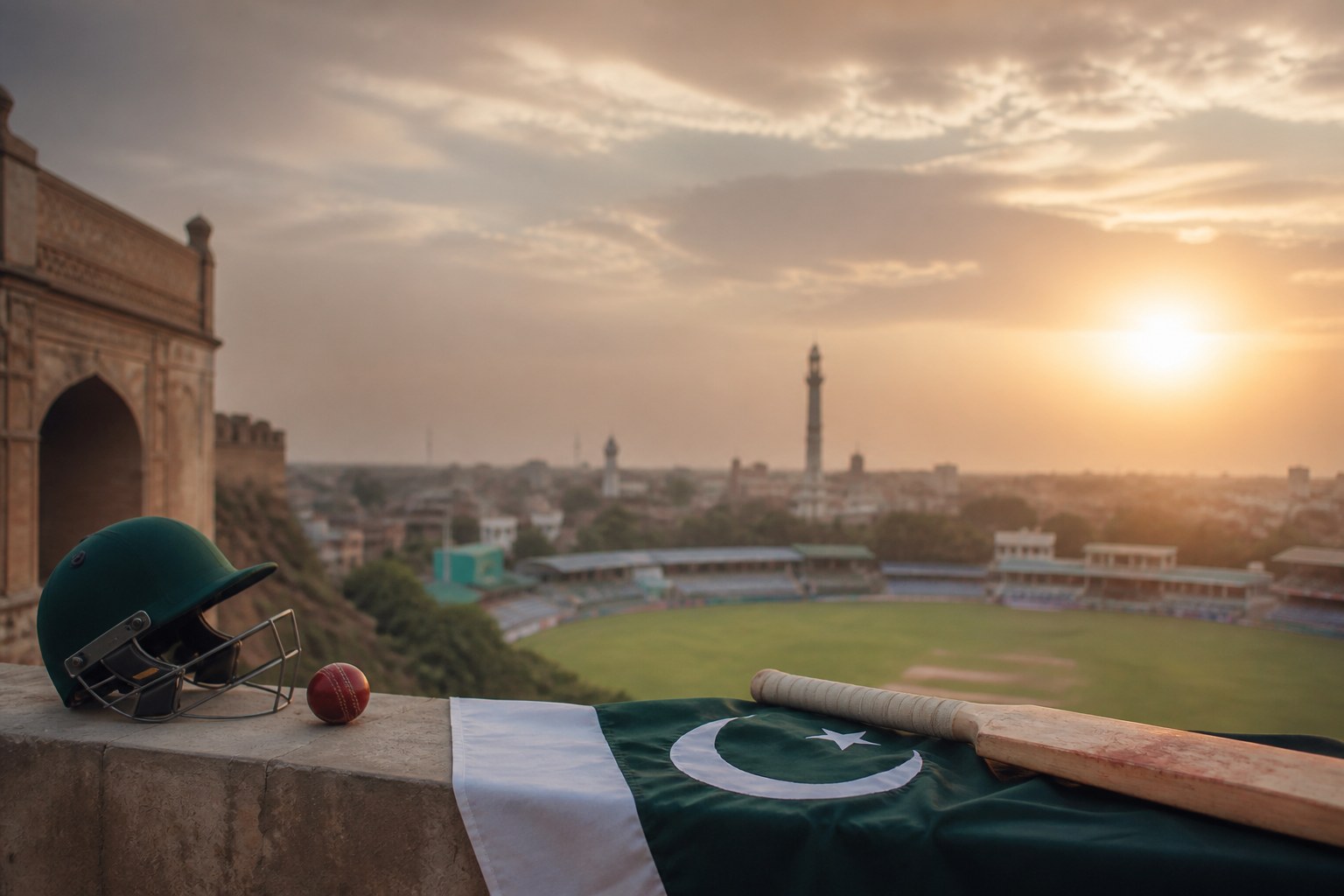
Fast bowling in Pakistan is not a lifestyle brand. It is a job that wrecks lumbar discs when the calendar is stupid, and a hobby that wrecks the same discs when a club captain wants twenty overs on a Sunday in May. The off-season—after a league, a departmental side, or the last tape-ball tournament on a Sialkot ground—is where careers last or quietly end.
You do not need a national contract to steal the logic. You need a posterior chain that can hinge, a filmed run-up you are willing to watch, and the humility to treat heat as a partner rather than a test. Speed is a byproduct of a body that can repeat the same action when the air is ugly and the pitch is tired.
What the gap is actually for
The Pakistani cricket calendar does not offer a clean English winter. You get a gap—six weeks, or a month that collapses because someone found a club tour in Faisalabad. That gap is not a holiday. It is the only window in which you can get strong without bowling twenty overs the next morning.
Coaches who keep bowlers on the park talk about repeatability more than a radar gun in October. Club bowlers who treat the off-season as permission to disappear into biryani, then wonder why April feels like a new injury, are not short of talent. They are short of a plan that survives a day job.
Provincial and school programmes vary, but the physical problem is consistent: bowling is a repeated high-speed hinge and brace under fatigue. If your training only builds a mirror chest and a loud WhatsApp presence, the lumbar spine will file the paperwork later. The Pakistan Cricket Board publishes high-performance and domestic structures for contracted players; club bowlers still need a version that fits sales shifts, college hours, and women’s net slots that are not afterthoughts.
The posterior chain nobody wants to train
Pakistani gyms still sell the chest. Fast bowling is a posterior-chain sport wearing a cricket shirt. Hamstrings, glutes, and a back that can hinge without folding are the difference between a season and a cortisone story.
A useful template is unglamorous: Romanian deadlifts or hip hinges, split squats, single-leg work, medicine-ball or bag throws, and hills or stadium stairs. Add mobility for hips and thoracic spine. Sleep. Do not live on chai and spite.
If you only have dumbbells in a DHA apartment, you still hinge. A backpack of books works for loaded carries and hip hinges when plates are a fantasy. If the squat rack is a coat stand, leave that gym for strength days—or train elsewhere and use the club only for nets.
Long-toss, nets, and ego bowling
Long-toss teaches the arm to throw hard without the full run-up tax. Do it on grass if you can, on a plot if you must, and stop when the shoulder starts writing letters. Progress distance gradually. Cold shoulders find physiotherapists.
Nets at a club ground, a college strip, or a stadium booking are for rhythm—not for proving you remain the fastest man in the group chat. Six-over spells into a worn pitch teach more than a hundred balls of showing off. Write the ball count down. Patterns of pain and fatigue show up in logs before they show up in collapses.
Film the front foot. Film the gather. Pakistani coaching culture has always talked about the seam; fewer club sessions talk about whether the front arm is a forklift. Watch the tape on a phone. If you cannot bear to watch yourself, you are not ready to be coached. Technical work in the off-season is slow on purpose. Do not arrive at the first match having bowled only in your head.
Heat, wet-bulb thinking, and Ramadan
Lahore in May is not a training montage. Heat stress is a medical risk, not a character exam. The World Health Organization’s fact sheet on heat and health advises avoiding strenuous outdoor activity in the hottest part of the day, staying informed about warnings, and keeping the body cool and hydrated. The CDC’s page on extreme heat prevention makes the same practical point for outdoor work and sport: plan around peak heat, drink fluids, and take heat illness seriously.
Translate that to bowling: lift and throw early, or in a room where air moves. Hydration starts the day before, with salt in food you actually eat. Dark kit in this sun is a dare. A cap is equipment. English PDF plans in coaching WhatsApp groups were written for a different sky.
Ramadan changes the calendar whether the league notices or not. Training after iftar can work if you respect the gut: easy strength, mobility, a short run—not a time trial on a full stomach. Sehri is eggs, yoghurt, a slow carbohydrate, water, salt. Club captains who schedule 11am friendlies in the last week of the month are not being traditional. They are being careless. Modified work is still training. Saying no is part of lasting.
A week that fits a body with a job
Sialkot still makes the ball. It also makes bowlers who work a day shift and then run in on Saturday as if the factory did not happen. The programme that only fits a centrally contracted athlete is a fantasy. The version that fits a salesman, a student, or a stitcher is three sessions you will actually do.
| Day | Work | Notes |
|---|---|---|
| Monday | Throws, hinges, split squats | Warm the shoulder first; stop if pain travels |
| Wednesday | Hills or stairs, short and honest | Quality over volume; heat decides the hour |
| Friday | Long-toss + technical net | Ball count written; film one over |
| Between | Walk, sleep, dal and chicken when budget allows | Roti as fuel, not a dare stack |
Women who bowl—in colleges and emerging clubs, often in leftover hours—need the same posterior chain and a room that does not treat them as a scheduling problem. Ask what “women’s time” means at the gym next to the nets. A curtain is not a programme. A separate hour with a squat rack that is not storage is a start. The cricket is the same physics. The logistics are not.
What you are not chasing in October
The radar gun is a side effect. Repeatability is the work. Ice is for swelling, not a personality. If you are always sore, you are under-recovered: cut a session before you add a gadget. Adult activity guidance from the NHS on physical activity for ages 19 to 64 is a useful floor for general health—strength on major muscle groups and regular movement—but fast bowling adds sport-specific load on top of that floor. Do not confuse a general guideline with a pace-bowling programme, and do not ignore medical advice for injuries.
Pakistani fast bowling has always been sold as heart. Heart without hamstrings is a short story. Do the unglamorous week until it is boring. Boring is how people last until the club final. Speed arrives if the body can still be there in the third spell.
Train for the club ground in May and the Monday that follows it. The off-season is not a holiday. It is the job, done without an audience. The nets will still be there when the season returns. The question is whether you will. Keep the off-season boring on purpose: dramatic weeks compound into physiotherapy stories, while repeated ordinary sessions compound into a body that can still run in when the season returns.
Load management across a Pakistani club calendar
Club cricket rarely hands you a perfect periodisation chart. Friendlies appear. Tournaments move. A cousin’s wedding eats a weekend. The off-season plan has to absorb those hits without turning every disruption into a guilt spiral.
Think in three layers: a minimum week you can protect (two strength sessions and one throw or net), a standard week (the Monday–Wednesday–Friday template above), and a peak week you only use when sleep and food are genuinely in place. When life collapses, drop to the minimum week rather than disappearing for fourteen days and returning with hero volume.
Ball counts belong next to sleep notes. If you bowled forty competitive overs on Sunday, Monday is not a day to prove toughness with heavy hinges. Walk, mobility, and easy upper-back work keep blood moving without stacking fatigue onto a spine that just worked overtime. The bowlers who last treat recovery as training time with a different costume—not as optional lifestyle content.
Youth bowlers need even tighter adults in the room. Growing bodies tolerate less repeated high-speed bowling. Parents and school coaches should prioritise technique, strength foundations, and rest over premature pace contests filmed for relatives. A fifteen-year-old’s radar number is not a career. A durable run-up is.
Sources and official profiles
Was this helpful?
Keep reading
Related stories
More from this desk, this beat, and the tags on this piece.
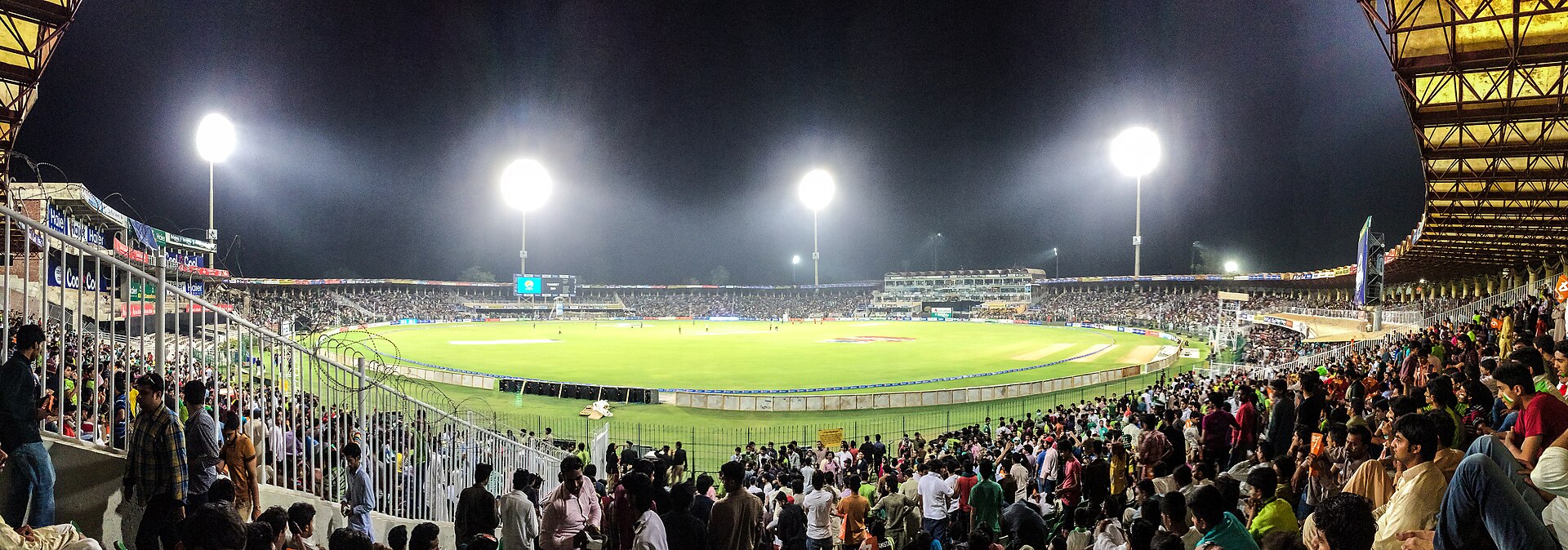
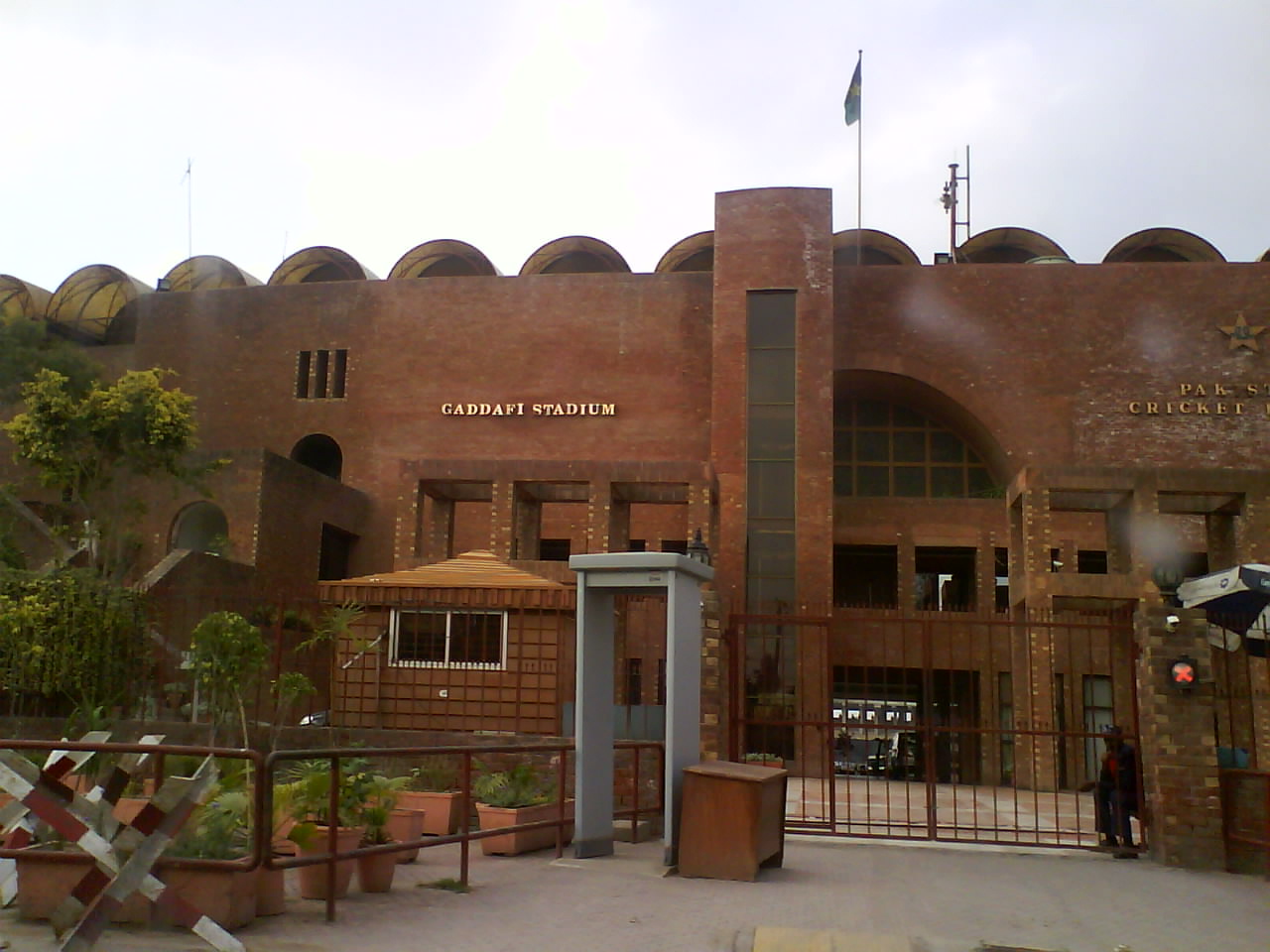
Saim Ayub: batting style, domestic pathway, and international career
Imran Sheikh · 10 Feb 2026
Readers
The conversation
0 notes
Anyone can leave a note. Guests add a name and email — no account required, and the email is never published.
No notes yet. Yours would be the first.