Culture
After dinner: rooms, screens, and Coke Studio
An evening essay about the Pakistani music programme that becomes family ritual once dinner plates move aside.
By Bilal Ahmed
Culture editor
3 min read

Dinner ends unevenly. Someone is still tearing naan; someone else has begun stacking plates despite being told to sit. The television wakes before the room settles. A red circle, a familiar set, the first instrument—and suddenly three generations have opinions about the volume.
Coke Studio works in a family room because it offers several doors into one song. A teenager may know the singer from clips. A parent recognises the composition. A grandparent listens for a line of poetry and decides whether the pronunciation has survived the arrangement. Nobody needs to enter through the same door to remain for four minutes.
The screen changes listening. Credits can be paused, lyrics searched, an instrument identified. Diaspora children who speak Urdu or Punjabi more confidently than they read it can follow a translation, then discover that the translated line has lost its internal joke or devotional weight. That loss becomes conversation rather than failure.
The room is part of the mix
A phone speaker makes rhythm thin; a television can make the bass dominate; an uncle talking through the prelude introduces an entirely different problem. Yet domestic interruption is not the enemy of music. Tea arrives. Someone names the original vocalist. A cousin sends another version to the family group. Listening becomes social annotation.
The programme has also shaped expectation. Folk and devotional material can acquire the polish of a global studio; regional languages reach listeners who may never have sought them; old songs return with new voices and new arguments. Accessibility is valuable, but it should lead outward. Find the earlier recording. Read about the poet. Listen to the form beyond the branded set.
After dinner, nobody has to agree which version is definitive. The useful question is what each arrangement lets you hear. By the time the next song begins, the plates are gone and the room has reorganised around attention. That small domestic choreography may be Coke Studio’s most durable stage.
Sometimes the evening travels beyond the official episode: an aunt remembers a wedding where the older song played, a child attempts the chorus without understanding every word, and somebody finds a grainy performance recorded long before the studio’s lights. These detours are not supplementary material. They are how a polished national programme returns to private memory, where music can be interrupted, inherited and loved without requiring agreement about genre or generation.
Even the person clearing the last cups remains part of this listening circle, catching a refrain from the kitchen and returning in time for the instrumental passage that everyone else nearly talked over, because attention in a family room expands and contracts without ever becoming silence.
Filed under
Keep reading
Related stories
More from this desk, this beat, and the tags on this piece.
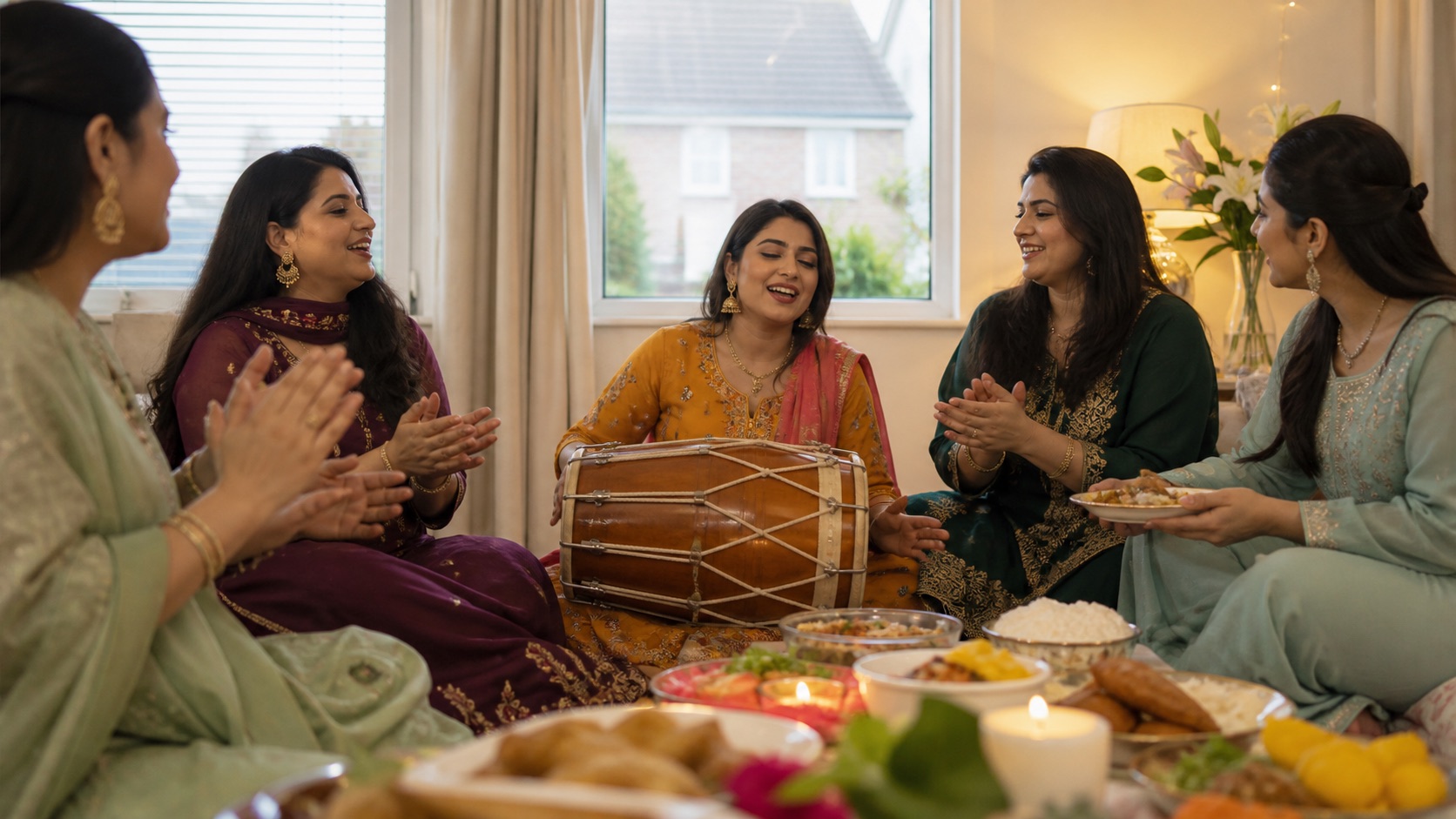
Dholki at home: music, food, neighbours, and a sensible schedule
Bilal Ahmed · 31 Jul 2026 · 2 min


Pakistani baby names: how to research meaning and pronunciation
Bilal Ahmed · 25 Aug 2026 · 2 min
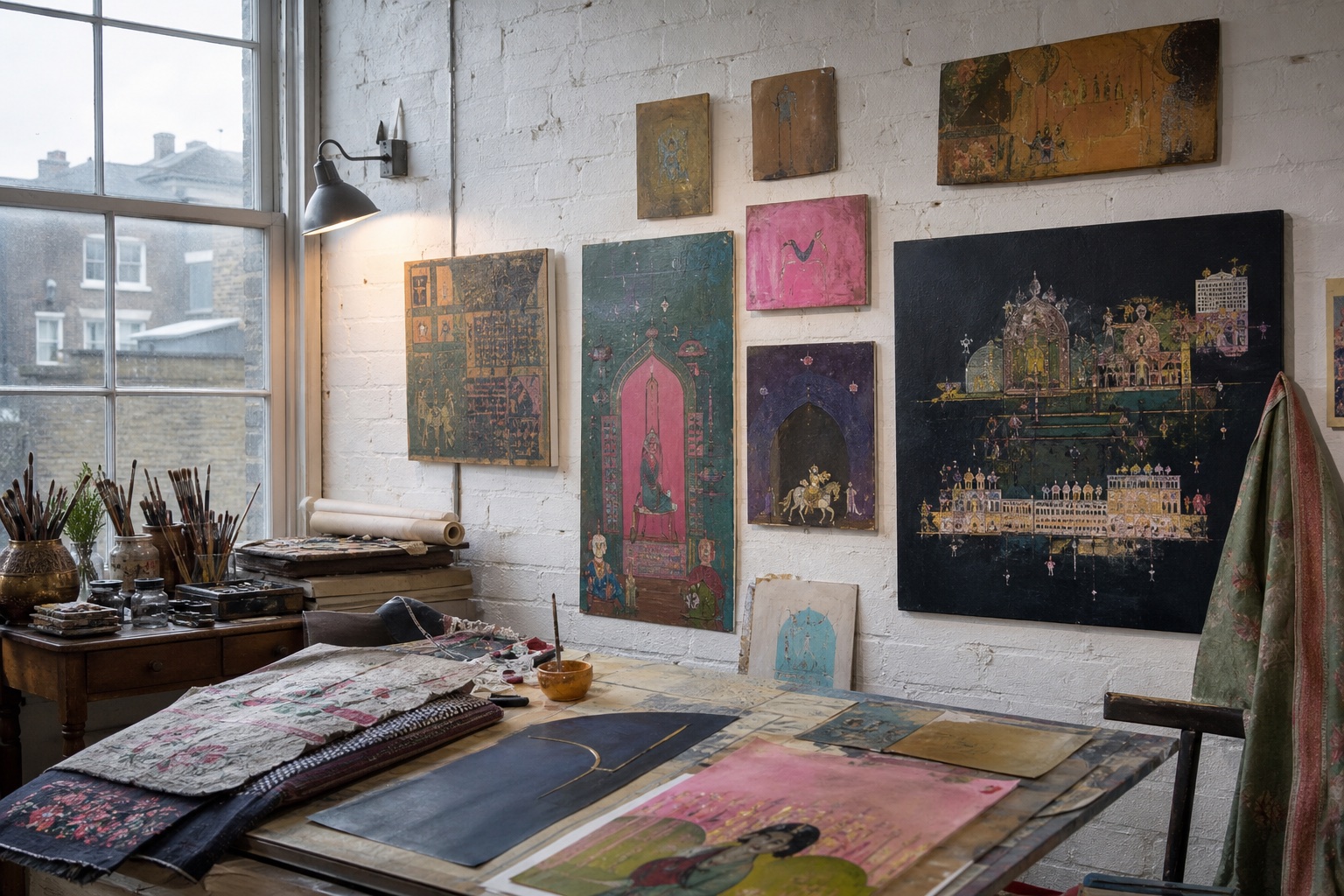
South Asian arts organisations connecting Pakistan and the UK
Bilal Ahmed · 28 May 2026 · 4 min
Readers
The conversation
0 notes
Anyone can leave a note. Guests add a name and email — no account required, and the email is never published.
No notes yet. Yours would be the first.