Dholki, mayun and mehndi: why Pakistani pre-wedding events are not the same thing
Dholki, mayun and mehndi overlap in modern weddings but come from different ideas: music gatherings, bridal preparation and the henna celebration itself.
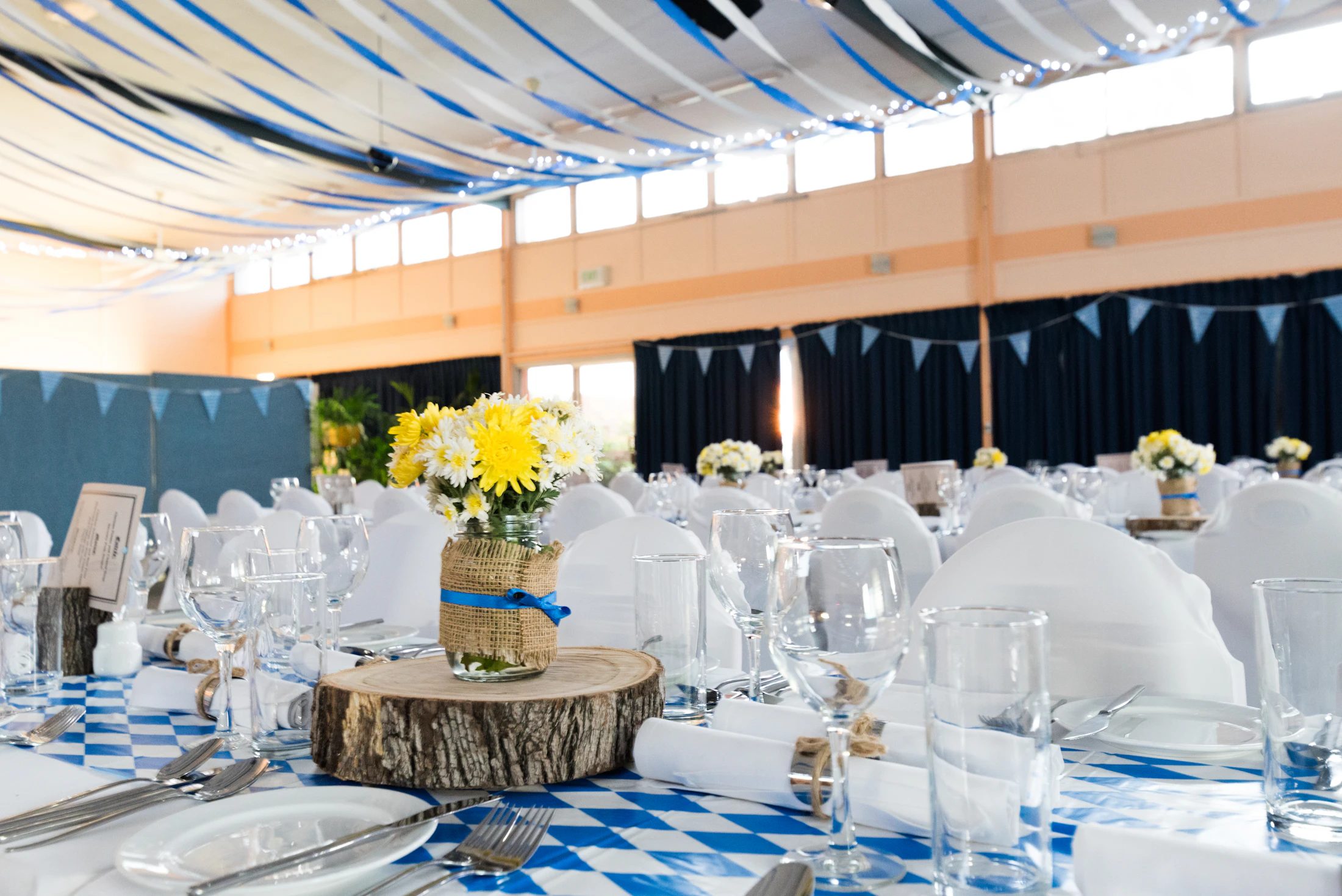
Modern Pakistani invitations can list dholki, mayun and mehndi as separate nights, combine two of them, or skip one entirely. That does not mean the words are interchangeable. They describe traditions that developed around different parts of the pre-wedding period.
Dholki is built around music
A dholki is traditionally an informal musical gathering named after the small drum at its centre. Family and friends sing wedding songs, clap, tease the couple and rehearse dances. In some families there is one dholki; in others there are several smaller evenings before the formal wedding.
Mayun is associated with bridal preparation and seclusion
Mayun customs vary strongly by region and family. In many households it marks the beginning of a bride's final pre-wedding days, with simple yellow clothing, ubtan or turmeric-based rituals and close-family gatherings.
Older versions could involve the bride remaining at home until the wedding. Most modern families interpret that far more loosely.
Mehndi centres the henna celebration
The mehndi is the event where henna is applied and the wedding becomes publicly festive. It often includes music, dance, bright clothes and elaborate décor. Brides may have detailed henna applied privately before the main event so it has time to develop.
Why the events blur together now
Venue cost, diaspora travel and short wedding weekends encourage families to merge traditions. A “mehndi” may include dholki songs, mayun-style yellow clothes and a formal dance programme in the same evening.
Regional and family differences are normal
Punjabi, Urdu-speaking, Sindhi, Pashtun and other families may use different names, songs and rituals. Not every Muslim Pakistani family observes every tradition, and some avoid particular customs for religious or personal reasons.
Guests should follow the invitation rather than police terminology
If the card says “dholki”, expect a musical, generally less formal gathering. If it says “mehndi”, festive colour is usually safe. If there is a specific dress theme, the hosts will tell you.
Wedding vocabulary is useful when it helps guests understand the shape of the event. It becomes unhelpful when people use it to tell another family their version is “wrong”. Pakistani wedding culture has always been more plural than one checklist suggests.
Assume there is more than one Pakistani version: Dholki, mayun and mehndi
Dholki, mayun and mehndi: why Pakistani pre-wedding events are not the same thing can look different across Punjabi, Urdu-speaking, Sindhi, Pashtun, Kashmiri and other families, and diaspora life adds another layer. Describe common practice without turning one household's version into a national rule.
Words such as “traditionally” and “in many families” are not evasive when variation is real; they are more accurate.
Keep the human purpose visible: Dholki, mayun and mehndi
Behind dholki mayun mehndi difference is usually hospitality, commitment, family connection or marking a transition. Return to that purpose when logistics become overwhelming.
A tradition is strongest when the people inside it still have room to consent, afford it and understand why it matters.
Final practical check
Before acting on dholki mayun mehndi difference, recheck the part that carries the most cost, risk or time pressure and make sure the advice still matches your circumstances. Save the source, receipt, booking, product directions or family agreement where it may matter later.
The point of a long guide is not to create more work. It is to reduce the number of surprises once the real decision has to be made.
The names describe different centres of gravity
A dholki is primarily a music gathering, traditionally built around songs, clapping and the dholak. Mayun is associated with bridal preparation and a period of relative seclusion in some families. Mehndi centres the henna celebration, often with music, colour and a larger guest list. Modern weddings frequently combine these jobs, which is why invitations may use the names loosely.
Regional practice matters
Punjabi, Sindhi, Muhajir, Pashtun and other family traditions do not organise pre-wedding events identically, and diaspora families often compress several evenings into one. Treat a relative’s version as evidence of that family’s practice, not proof of a single national rule.
Guests should follow the invitation
If an invitation says “mehndi” but the event feels more like a dholki, there is no need to correct the hosts. The useful guest questions are practical: what time to arrive, whether children are included, how formal the dress is and whether the family expects participation in songs or dances.
Clothing follows the event’s scale more than its label
A small home dholki may suit comfortable bright clothes; a hotel mehndi can be as formal as another wedding event. Ask the host when unsure rather than assuming every pre-wedding function demands the same level of embroidery or jewellery.
Keep the sequence flexible
Some families hold mayun before mehndi, some combine them, and some skip one entirely. The cultural meaning survives adaptation. A useful guide explains the distinctions without turning them into a checklist that families must obey.
Why the same evening can carry three labels
Modern weddings often combine the jobs that older or larger celebrations spread across several days. A family may hold a dholki-style music night with mehndi being applied and still refer to the event as mayun because that is the name used in their household. The overlap is not evidence that the words have no meaning; it shows that the social format has changed while older labels remain.
That is especially common in the diaspora, where venue cost, annual leave and relatives arriving from abroad compress the calendar. A useful explanation therefore describes the traditional centre of each event without pretending every family follows the same sequence.
What guests actually need to know
The invitation matters more than a taxonomy lesson. Ask about dress level, start time, whether children are included and whether the event is at home or in a venue. A small home dholki can be relaxed and participatory; a large mehndi in a hotel may be as carefully styled as the wedding day itself.
If music, dancing or a particular ritual is not part of your own family practice, follow the hosts’ cues without turning the evening into a debate about authenticity. Pakistani wedding customs vary by region, language, religious outlook and family history. The respectful guest notices those differences instead of policing the label.
Use the family’s vocabulary when you are inside the event
Editorially, it is useful to explain where the words differ; socially, it is rarely useful to correct somebody’s grandmother because her family calls a combined evening “mayun”. Once you understand the underlying traditions, use the name on the invitation and let the hosts define their own celebration. That keeps cultural explanation descriptive rather than turning it into a purity test.
For couples planning several events, the distinction can still help with budgets. Decide what each evening is meant to achieve—close-family music, bridal preparation, henna, a larger guest celebration—then combine only where the overlap genuinely saves time or money. That is more useful than preserving three separate labels simply because another wedding did.
Use the guide in real life: Dholki, mayun and mehndi
For dholki, mayun and mehndi, separate the useful convention from the idea that every Pakistani family follows one fixed rule. Region, language, generation, religious practice, budget and diaspora life can all change how the same event or habit looks. Use the guide to understand the logic, then ask the people directly involved how their household handles the detail.
With dholki, mayun and mehndi, that approach also makes disagreements easier to manage. Instead of arguing over which version is “authentic”, identify the practical decision—who is invited, what is expected, what a term means in this family, or what must happen before the day. Clear information protects relationships better than turning a flexible custom into a test of belonging.
Sources and official profiles
Filed under
Was this helpful?
Keep reading
Related stories
More from this desk, this beat, and the tags on this piece.

Rukhsati is not a legal marriage step: what the tradition actually marks
Bilal Ahmed · 10 Oct 2026


Pakistani wedding RSVP etiquette: when the invitation names only some of the family
Bilal Ahmed · 3 Oct 2026

Sending money from the UK to Pakistan: compare the amount received, not the fee alone
Bilal Ahmed · 20 Oct 2026

Eid gifts for children without turning the house into a toy warehouse
Bilal Ahmed · 12 Oct 2026
Raising children with Urdu and English: keep the home language useful, not ceremonial
Bilal Ahmed · 9 Oct 2026
Readers
The conversation
0 notes
Anyone can leave a note. Guests add a name and email — no account required, and the email is never published.
No notes yet. Yours would be the first.