Culture
Arooj Aftab: how genre-crossing work made Grammy history
Arooj Aftab did not make Grammy history by fitting neatly into “world music”. Her recordings thrive in the unstable space between ghazal memory, jazz improvisation, minimalism and studio atmosphere.
By Bilal Ahmed
Culture editor
4 min read
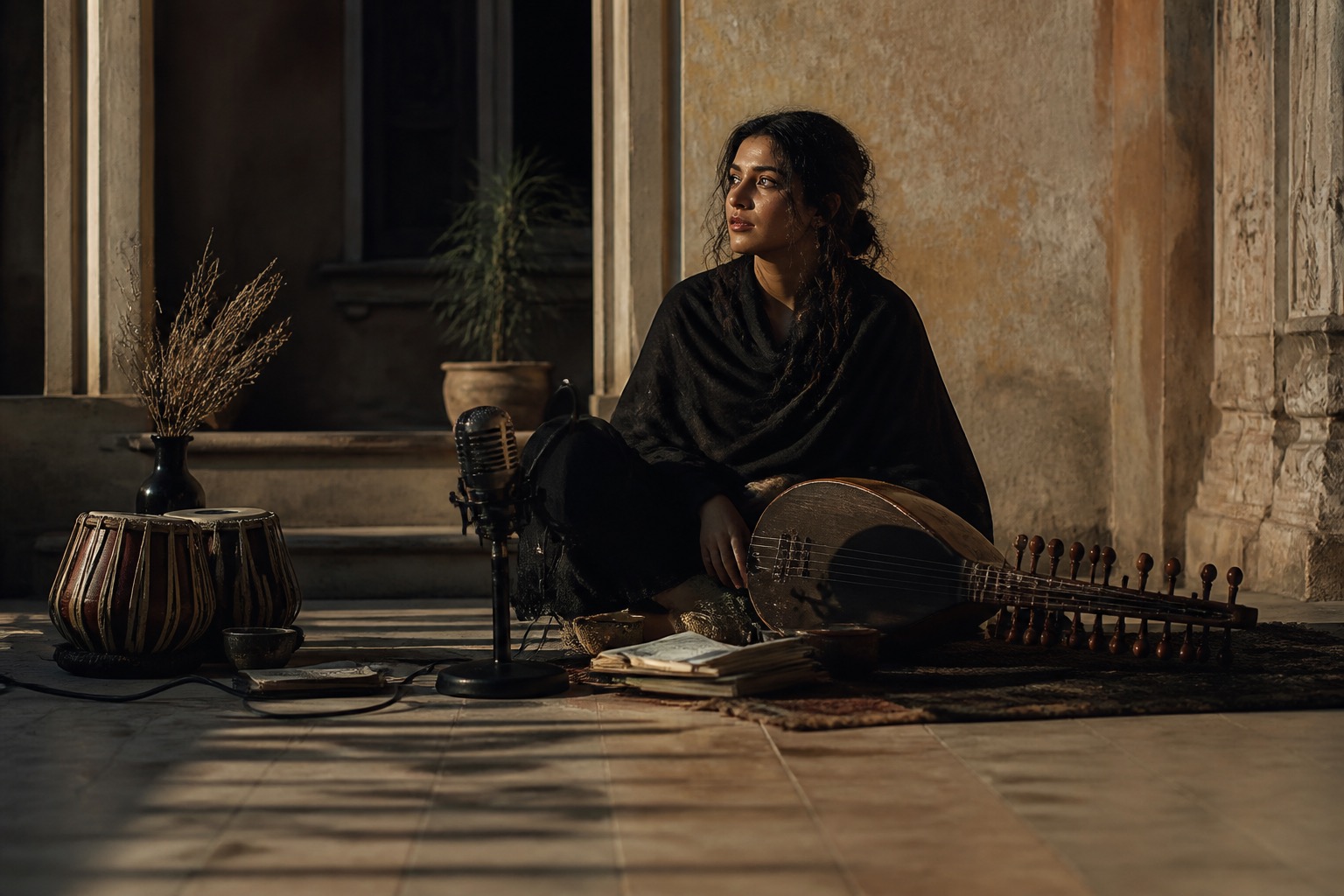
Arooj Aftab did not make Grammy history by fitting neatly into “world music”. Her recordings thrive in the unstable space between ghazal memory, jazz improvisation, minimalism and studio atmosphere.
Which Arooj Aftab recording changed how you heard silence or space in a song?
— A question for PakStyles readers
Vulture Prince and the architecture of grief
The album uses low light rather than dramatic climax: repetition, suspended harmony and carefully placed instruments give poetry room to remain unresolved.
Place the earliest example beside a later one and resist reducing the difference to confidence. Listen for pace, breath and silence; watch posture, eye-line and the way attention is handed to another performer. Those small choices make “Vulture Prince and the architecture of grief” a useful chapter in Arooj Aftab: how genre-crossing work made Grammy history, rather than another credit copied from a biography.
Mohabbat and a historic Grammy
The recording brought Aftab the Grammy for Best Global Music Performance, a first for a Pakistani artist. The milestone matters, but close listening explains why the work travelled.
No performance is made alone. Revisit “Mohabbat and a historic Grammy” with the writer, director, editor, composer and scene partners in mind. Ask what the work gives the artist to respond to and what changes when somebody else enters the frame. That keeps praise specific and prevents a career profile from becoming celebrity worship.
Language without translation as permission
Urdu poetry reaches listeners who understand every word and those who do not. Arrangement, vowel, breath and repetition carry meaning without pretending language is irrelevant.
Release context matters here. Look at the genre expectations, audience and production scale surrounding “Language without translation as permission”, then notice where the work follows or unsettles them. The point is not to award a definitive ranking; it is to explain why this example changes the argument about Arooj Aftab: how genre-crossing work made Grammy history when watched in full.
Night Reign and continuing movement
Later work should not be treated as an appendix to one award. It extends her nocturnal palette through collaboration, rhythmic change and a refusal to settle into a market category.
A useful career guide should send readers back to complete work. For “Night Reign and continuing movement”, choose one scene, recording or project and write down the exact transition that holds your attention. Compare that observation with another reader’s rather than leaning on awards, box-office shorthand or a viral clip stripped of its setup.
Where to continue after Arooj Aftab
The Recording Academy: Arooj Aftab is a starting point for the current record connected with Arooj Aftab: how genre-crossing work made Grammy history. Check dates, credits and availability at the source; then follow the names, works and institutions mentioned above rather than relying on a search-result summary.
Which Arooj Aftab recording changed how you heard silence or space in a song? If you have a strong answer, name the specific example or first-hand experience that shaped it.
What would you add—or challenge? Which Arooj Aftab recording changed how you heard silence or space in a song? Keep the conversation attached to a named work, tested method, dated source, or first-hand observation so it improves the guide for the next reader. Before commenting on Arooj Aftab: how genre-crossing work made Grammy history, revisit one complete example and note the detail that confirmed—or overturned—your first impression. Include enough context for somebody else to find or repeat it: the work or product name, city or venue where relevant, approximate date, and the particular choice you noticed. That is more valuable than a vote for “best”.
Sources and official profiles
Filed under
Keep reading
Related stories
More from this desk, this beat, and the tags on this piece.


Pakistani baby names: how to research meaning and pronunciation
Bilal Ahmed · 25 Aug 2026 · 2 min

Ramadan hosting etiquette when your guests fast differently
Bilal Ahmed · 13 Sep 2026 · 15 min

Dholki at home: music, food, neighbours, and a sensible schedule
Bilal Ahmed · 31 Jul 2026 · 2 min


Readers
The conversation
0 notes
Anyone can leave a note. Guests add a name and email — no account required, and the email is never published.
No notes yet. Yours would be the first.