Rukhsati is not a legal marriage step: what the tradition actually marks
Rukhsati is the emotional departure of the bride after wedding celebrations, not the act that creates a marriage in law or religion. Families handle its timing differently.
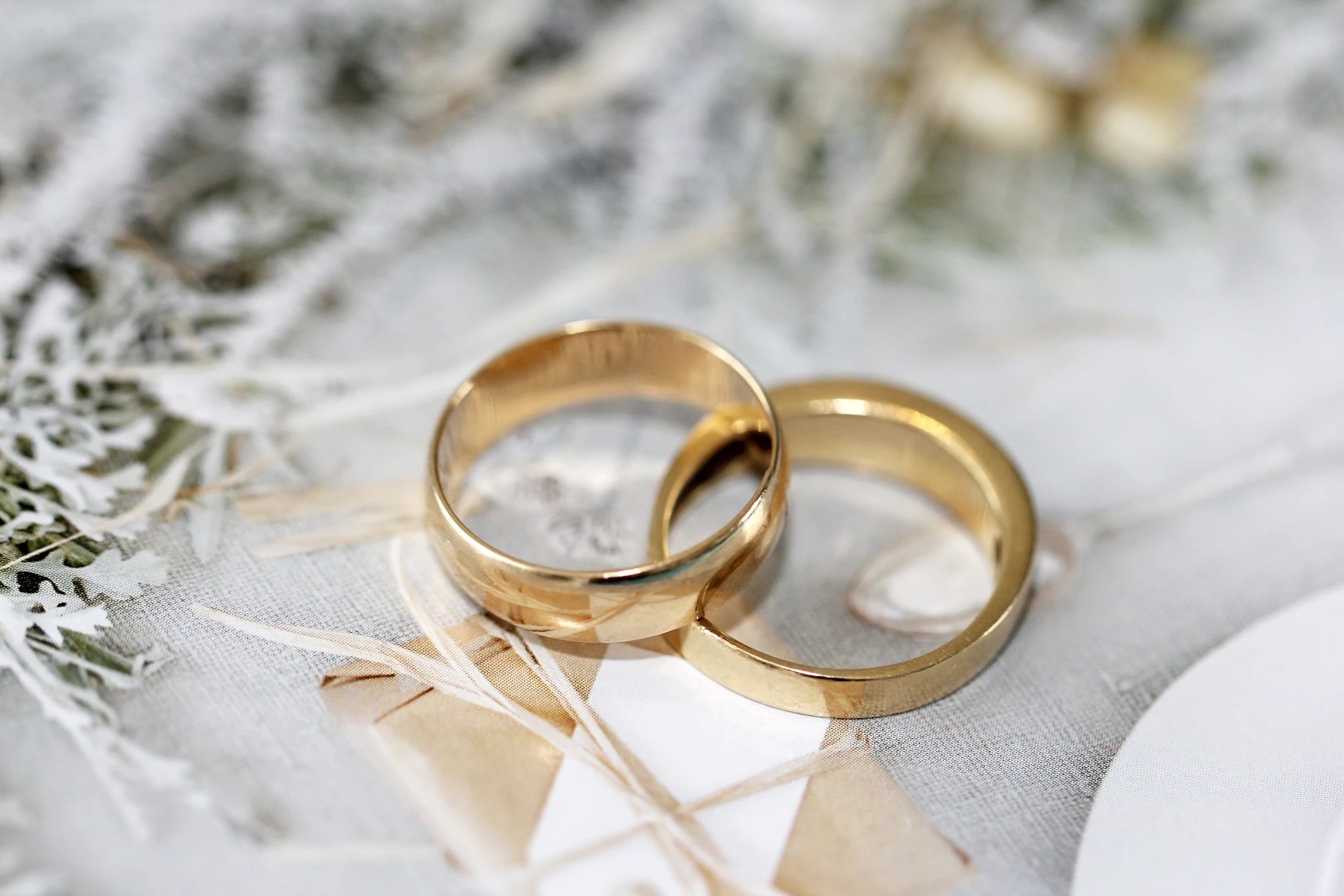
Rukhsati is one of the most emotionally loaded moments in many Pakistani weddings and one of the easiest to misunderstand from outside the culture. It is not the ceremony that creates the marriage. It marks departure.
The word is about leaving
In common Pakistani wedding practice, rukhsati describes the point when the bride leaves her parental home or wedding venue with her spouse after the formal wedding events. The mood can be celebratory and deeply sad at the same time.
It can happen immediately after the nikah — or much later
Some couples have nikah and rukhsati on the same day. Others complete the nikah months earlier and continue living separately until a later baraat or agreed family date.
That timing can be shaped by education, housing, immigration, finances or simple family preference.
Rukhsati is not the legal registration
For couples connected to Britain, the legal recognition of a marriage depends on the actual marriage ceremony and registration rules, not on whether a rukhsati took place. A cultural departure cannot substitute for the legal steps required in the relevant jurisdiction.
Families handle the emotion differently
Some households expect a formal farewell with Qur'an recitation, hugs and elders gathering at the car. Others keep it shorter because the couple already lives independently or because both families are nearby.
There is no need to perform grief for a camera. The meaning comes from the transition, not from how visibly emotional everybody appears.
Modern couples are changing the logistics
A bride may leave from a hotel rather than the family home. The couple may return to the same city apartment they already share. Same-sex and intercultural couples may adapt or skip the custom entirely.
Pakistani wedding traditions have always varied by region, family and generation. Rukhsati is meaningful because it marks a threshold, not because every household crosses it in exactly the same way.
For couples splitting nikah and rukhsati across months
Write down what each date means to both families. If the nikah creates the religious marriage but the couple will continue living separately until a later rukhsati, agree expectations around visits, finances, photographs and public announcements. Ambiguity is harder than the tradition itself.
For diaspora couples, immigration or housing timelines can shape the gap. Keep the legal, religious and family milestones distinct so one delayed event is not mistaken for another.
There is rarely one national version: Rukhsati is not a legal marriage step
Rukhsati is not a legal marriage step: what the tradition actually marks sits inside a country and diaspora shaped by region, language, religion, class and family history. Two Pakistani households can use the same word for practices that feel very different in the room.
Use “in many families” and “traditionally” where variation is real. Accuracy improves when a guide leaves space for people whose customs do not match the writer's family.
Diaspora compresses and combines traditions: Rukhsati is not a legal marriage step
In practical terms for rukhsati meaning Pakistani wedding, Venue cost, work, school calendars and international travel can turn several days of events into one weekend. Combining rituals does not necessarily mean a family values them less; it may simply be how the tradition fits contemporary life.
Digital invitations, bank transfers and bilingual ceremonies are newer tools serving older purposes: gathering people, marking transitions and maintaining relationships.
Keep the human purpose visible: Rukhsati is not a legal marriage step
Behind rukhsati meaning Pakistani wedding is usually a purpose such as hospitality, commitment, family connection or marking a life transition. If the performance becomes exhausting, return to that purpose.
A tradition remains meaningful when people can carry it forward with dignity, consent and practical flexibility rather than reproducing a checklist at any cost.
A practical way to use this guide: Rukhsati is not a legal marriage step
Applied specifically to rukhsati meaning Pakistani wedding, Save the small details that will be difficult to reconstruct later: measurements, ingredient ratios, product names, family decisions, alteration notes or care instructions. A short record turns the next attempt into an improvement rather than another first try.
For a reader working through rukhsati meaning Pakistani wedding, Choose a reversible test where possible. Cook a half batch, wear the shoes at home, try one skincare change or ask one clear family question. Low-cost tests produce better information than making a large commitment because the first answer sounded confident.
What to review after the first attempt: Rukhsati is not a legal marriage step
For rukhsati is not a legal marriage step in particular, Ask what worked, what created friction and what information you wish you had known earlier. Change one or two variables rather than rebuilding the whole plan. This keeps the useful parts and makes the next version easier.
With rukhsati is not a legal marriage step as the focus, The strongest PakStyles advice is meant to reduce uncertainty, not create another standard people have to perform. Use the framework, keep the parts that fit your household and update the rest when your circumstances change.
One final editorial note: Rukhsati is not a legal marriage step
Rukhsati is not a legal marriage step: what the tradition actually marks is most useful when treated as a framework rather than a rigid instruction. Recheck current rules, health advice or product directions where they matter, and keep your own notes about what worked. The extra few minutes spent documenting the result usually save far more time the next time the same decision appears.
What to do when two families use the same word differently: Rukhsati is not a legal marriage step
In practical terms for rukhsati is not a legal marriage step, Ask each side what they expect the event, gift or relationship term to involve before planning around the label. One family's “small nikah” may mean twenty people at home; another's may mean two hundred people in a hall. Shared vocabulary does not guarantee shared scale.
Write down the practical agreement—who is invited, who is paying, what the legal step is, when the couple moves, whether children attend—so the family does not discover the difference through assumption.
How to explain the custom to someone new to it: Rukhsati is not a legal marriage step
Applied specifically to rukhsati is not a legal marriage step, Start with the purpose, then the usual sequence, then the variations. Avoid presenting every ritual as compulsory. A partner, child or friend joining a Pakistani family learns faster when they understand why people care about the moment.
A final reader check: Rukhsati is not a legal marriage step
Before acting on rukhsati is not a legal marriage step, re-read the step that carries the most cost or risk and confirm it still fits your circumstances. Keep the original source, receipt, measurements or notes where relevant, and choose the reversible option when uncertainty remains.
Keep the legal timeline separate from the family timeline
Families may speak about the nikah, rukhsati and move into a shared home as though they are one sequence, but they answer different questions. Rukhsati is a social and family transition, not the step that creates a civil marriage under UK law. Couples living in Britain should check the legal status of the marriage itself independently of when the farewell or move takes place.
That distinction is especially useful when a nikah happened months earlier, the couple live in different countries, or immigration and housing plans delay the rukhsati. Explaining the dates plainly is more accurate than forcing every family into one “correct” wedding order.
A final practical check: Rukhsati is not a legal marriage step
For rukhsati is not a legal marriage step, separate the useful convention from the idea that every Pakistani family follows one fixed rule. Region, language, generation, religious practice, budget and diaspora life can all change how the same event or habit looks. Use the guide to understand the logic, then ask the people directly involved how their household handles the detail.
With rukhsati is not a legal marriage step, that approach also makes disagreements easier to manage. Instead of arguing over which version is “authentic”, identify the practical decision—who is invited, what is expected, what a term means in this family, or what must happen before the day. Clear information protects relationships better than turning a flexible custom into a test of belonging.
Sources and official profiles
Filed under
Was this helpful?
Keep reading
Related stories
More from this desk, this beat, and the tags on this piece.
Pakistani wedding RSVP etiquette: when the invitation names only some of the family
Bilal Ahmed · 3 Oct 2026
Raising children with Urdu and English: keep the home language useful, not ceremonial
Bilal Ahmed · 9 Oct 2026
What to take from the UK for relatives in Pakistan without packing for everybody
Bilal Ahmed · 9 Oct 2026
Urdu family words British Pakistani children hear but do not always understand
Bilal Ahmed · 3 Oct 2026
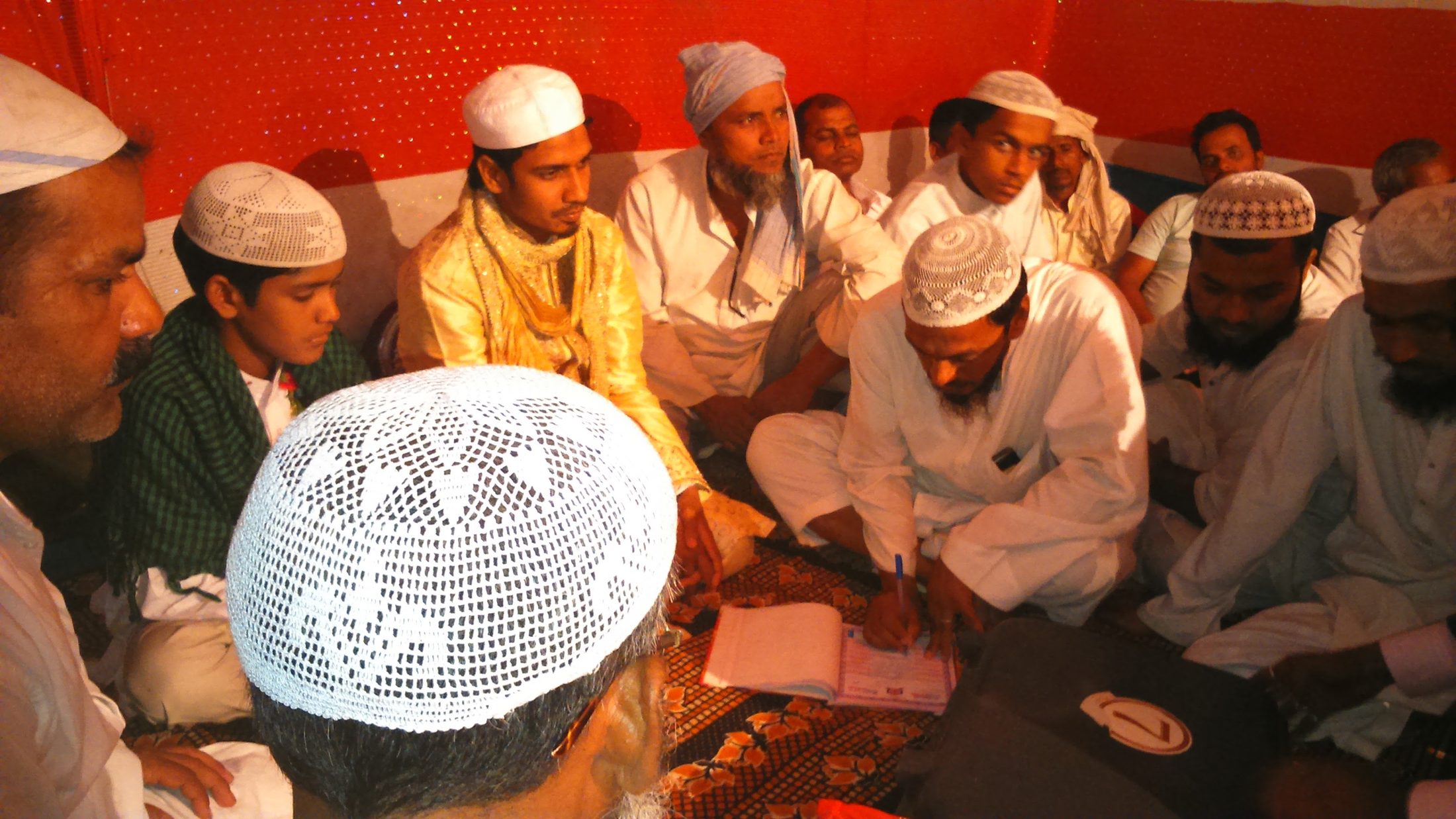
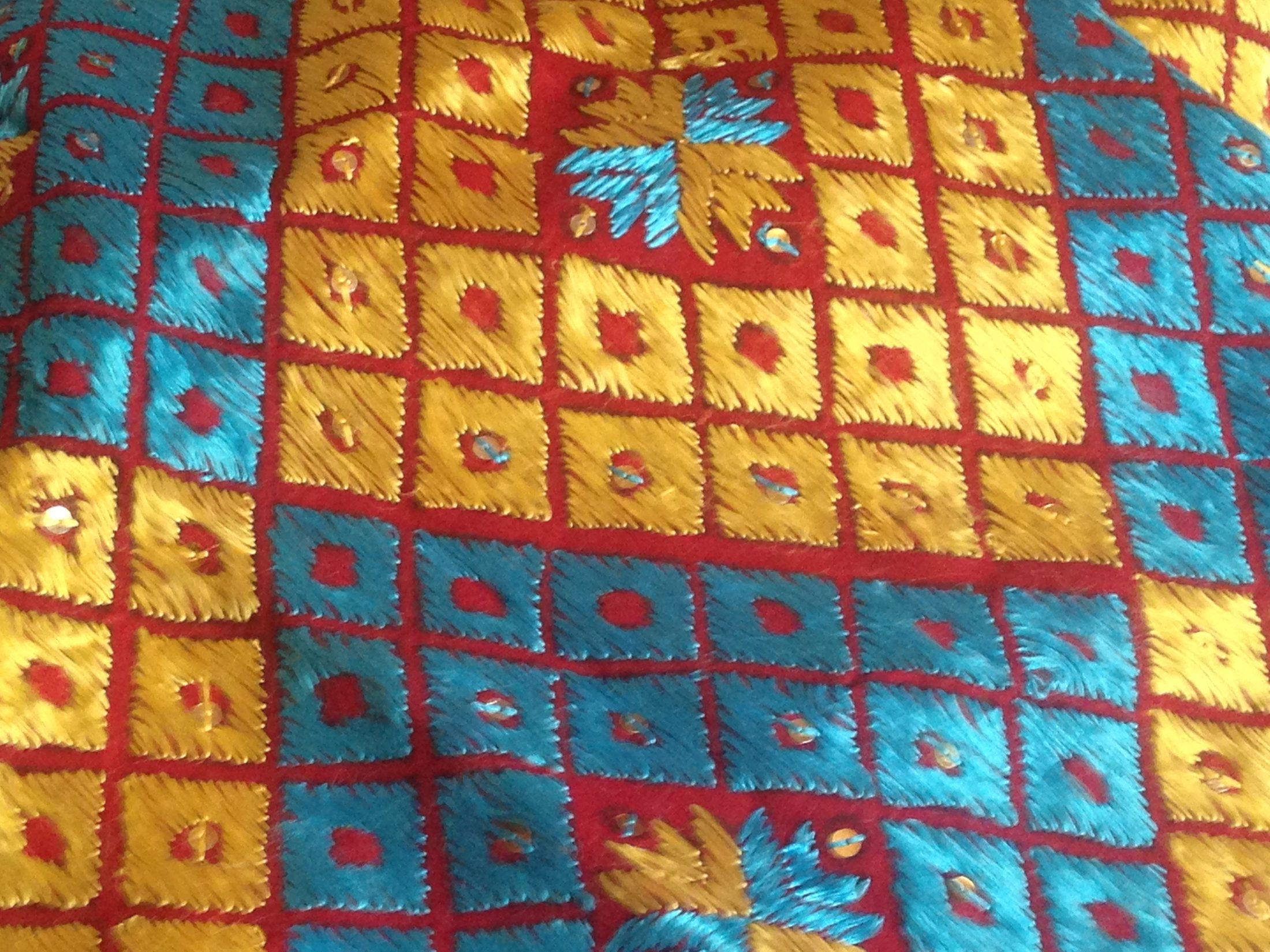
Phulkari beyond the wedding shawl: how Punjab's embroidery is built
Bilal Ahmed · 8 Oct 2026
Readers
The conversation
0 notes
Anyone can leave a note. Guests add a name and email — no account required, and the email is never published.
No notes yet. Yours would be the first.