A nikah in England is not automatically a civil marriage: check the legal registration
A religious nikah can be spiritually valid without creating a legally recognised marriage in England and Wales. The venue, notice, authorised person and registration process matter.
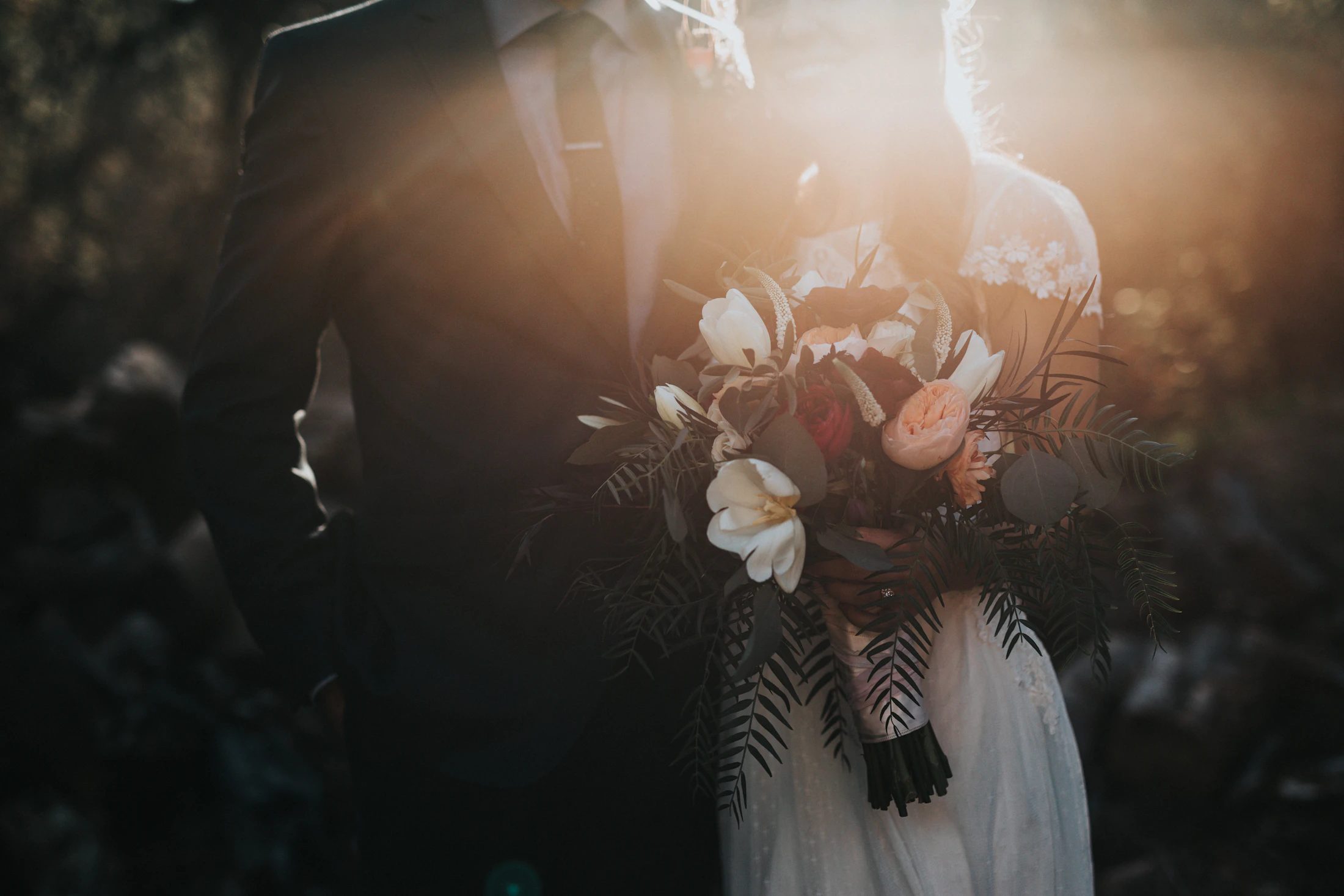
A couple can leave a nikah feeling completely married in religious and family terms and still discover later that English law does not recognise the ceremony as a legal marriage. The difference is not about whether the nikah was sincere. It is about whether the legal requirements were completed.
England and Wales regulate how a legal marriage is formed
Current GOV.UK guidance requires legal preliminaries such as giving notice, an appropriate venue or registered religious building, an authorised person or registrar where required, and proper registration after the ceremony.
A mosque ceremony may be legal — if the legal requirements are built into it
Some mosques are registered for marriages and have an authorised person or arrange registrar attendance. In that case, the religious and legal marriage can happen through the same event.
Other mosques perform only a religious nikah. The couple then needs a separate civil marriage if they want legal marital status.
Ask the venue a precise question
“Do you do nikahs?” is not enough. Ask: Will this ceremony create a marriage recognised under the law of England and Wales, and who will register it?
Legal status carries rights
A legally married spouse has rights and responsibilities involving inheritance, tax, pensions and financial remedies on divorce. GOV.UK makes clear that “common law marriage” does not exist in England and Wales simply because a couple has lived together for years.
Do not discover the gap during a separation or bereavement
The Law Commission has highlighted cases where couples only learn that their religious ceremony had no legal status when the relationship ends or one partner dies.
Give notice early
Most couples in England and Wales must give notice at least 29 days before a legal ceremony, with additional immigration rules potentially applying where a partner is from outside the UK or Ireland.
Scotland and Northern Ireland have different systems
This article is about England and Wales. Couples elsewhere in the UK should use the rules for their jurisdiction.
A nikah and a civil marriage do not have to compete. For many British Pakistani couples, the kindest planning is to make sure the spiritual commitment and the legal protection begin together—or at least to know clearly when each one begins.
Assume there is more than one Pakistani version: A nikah in England is not automatically a civil marriage
A nikah in England is not automatically a civil marriage: check the legal registration can look different across Punjabi, Urdu-speaking, Sindhi, Pashtun, Kashmiri and other families, and diaspora life adds another layer. Describe common practice without turning one household's version into a national rule.
Words such as “traditionally” and “in many families” are not evasive when variation is real; they are more accurate.
Keep the human purpose visible: A nikah in England is not automatically a civil marriage
Behind is nikah legally recognised UK is usually hospitality, commitment, family connection or marking a transition. Return to that purpose when logistics become overwhelming.
A tradition is strongest when the people inside it still have room to consent, afford it and understand why it matters.
Final practical check
Before acting on is nikah legally recognised UK, recheck the part that carries the most cost, risk or time pressure and make sure the advice still matches your circumstances. Save the source, receipt, booking, product directions or family agreement where it may matter later.
Ask whether the ceremony will create a civil marriage
The key question is not whether the ceremony happens in a mosque or includes an imam. Ask whether the venue and ceremony satisfy the legal requirements for a marriage in England and Wales, including the authorised person or registrar arrangements that apply to that venue. If the answer is unclear, plan the civil process separately.
Giving notice is part of the legal route
Couples normally need to give notice before a legally recognised marriage can take place. The timetable and evidence depend on immigration and residence circumstances, so use current GOV.UK guidance rather than relying on a relative’s wedding from several years ago.
Religious validity and civil status answer different questions
A couple can regard a nikah as fully valid religiously while still lacking the legal status of spouses under civil law. That civil status affects areas such as inheritance, financial claims on divorce and next-of-kin assumptions. Understanding the distinction before the ceremony is easier than discovering it during a crisis.
Scotland and Northern Ireland are not governed by the same wedding law
This article is about England and Wales. Couples elsewhere in the UK should use the rules for the jurisdiction where the ceremony will occur rather than copying an English checklist.
Keep the evidence
After the legal marriage, keep the marriage certificate and any certified translations needed for later administrative use. If a separate nikah certificate also exists, store both and be clear which document proves the civil marriage.
Ask the venue one question in writing
Before paying a deposit, ask: “Will this ceremony itself create a legally recognised marriage in England and Wales, and who will complete the civil registration?” A venue can host beautiful nikahs every weekend and still not be arranging the legal marriage in the way a couple assumes. A clear written answer tells you whether the civil process is built into the ceremony or needs to be organised separately.
If a registrar or authorised person is involved, confirm the notice requirements and timetable using current GOV.UK information. Do not treat a relative’s experience at another mosque, in another council area or several years ago as proof that your arrangements work the same way.
Why the distinction matters after the wedding
A religious ceremony can be deeply meaningful without automatically creating the legal status of spouses. That status can affect financial remedies on separation, inheritance and administrative rights. Couples are better protected when they understand the position before the ceremony, while there is still time to complete the legal steps intentionally.
Keep the civil marriage certificate safely after registration, along with the nikah document and any translations used for immigration or overseas administration. The two documents can serve different purposes. Scotland and Northern Ireland have different marriage-law systems, so couples marrying there should use the guidance for that jurisdiction rather than applying this England-and-Wales explanation wholesale.
Put the legal and religious milestones on the same planning sheet
List the notice appointment, civil requirements, nikah ceremony, venue arrangements and certificate collection as separate tasks even if several happen on the same day. Seeing them separately makes it much harder to assume that paying the mosque or booking an imam has automatically completed the civil process.
If immigration status, a previous marriage, overseas documents or another complication affects the notice process, deal with it before printing invitations around a fixed date. The legal timetable can involve evidence that a normal venue booking does not. Current official guidance should control that plan, not an informal estimate from friends.
Couples should both understand the answer
Do not let one parent, planner or venue coordinator be the only person who knows whether the marriage will be civilly registered. Both partners should know what will happen, which certificate they will receive and whether any separate appointment remains. That is a small piece of administration with potentially large consequences later.
One last way to test the advice: A nikah in England is not automatically a civil marriage
For a nikah in england is not automatically a civil marriage, separate the useful convention from the idea that every Pakistani family follows one fixed rule. Region, language, generation, religious practice, budget and diaspora life can all change how the same event or habit looks. Use the guide to understand the logic, then ask the people directly involved how their household handles the detail.
With a nikah in england is not automatically a civil marriage, that approach also makes disagreements easier to manage. Instead of arguing over which version is “authentic”, identify the practical decision—who is invited, what is expected, what a term means in this family, or what must happen before the day. Clear information protects relationships better than turning a flexible custom into a test of belonging.
Sources and official profiles
Filed under
Was this helpful?
Keep reading
Related stories
More from this desk, this beat, and the tags on this piece.

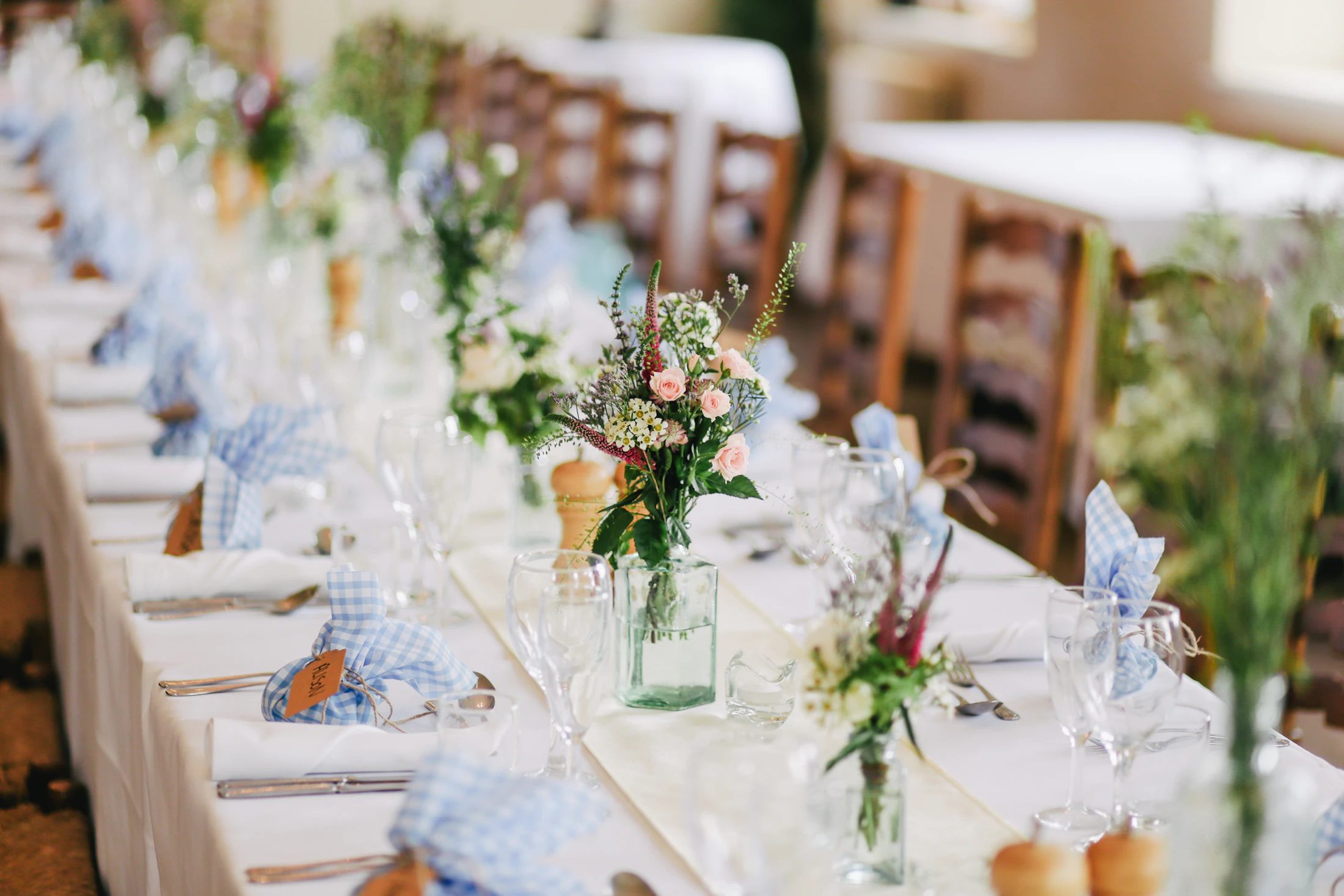
Walima explained: what the reception is for and why every family does it differently
Bilal Ahmed · 27 Oct 2026

Sending money from the UK to Pakistan: compare the amount received, not the fee alone
Bilal Ahmed · 20 Oct 2026

Eid gifts for children without turning the house into a toy warehouse
Bilal Ahmed · 12 Oct 2026
Rukhsati is not a legal marriage step: what the tradition actually marks
Bilal Ahmed · 10 Oct 2026
Raising children with Urdu and English: keep the home language useful, not ceremonial
Bilal Ahmed · 9 Oct 2026
Readers
The conversation
0 notes
Anyone can leave a note. Guests add a name and email — no account required, and the email is never published.
No notes yet. Yours would be the first.