Packages Group: printing, packaging, and industrial growth in Pakistan
An industrial timeline of Packages Limited—from Swedish joint-venture origins to paper, films, inks, and tissue—read through primary company history.
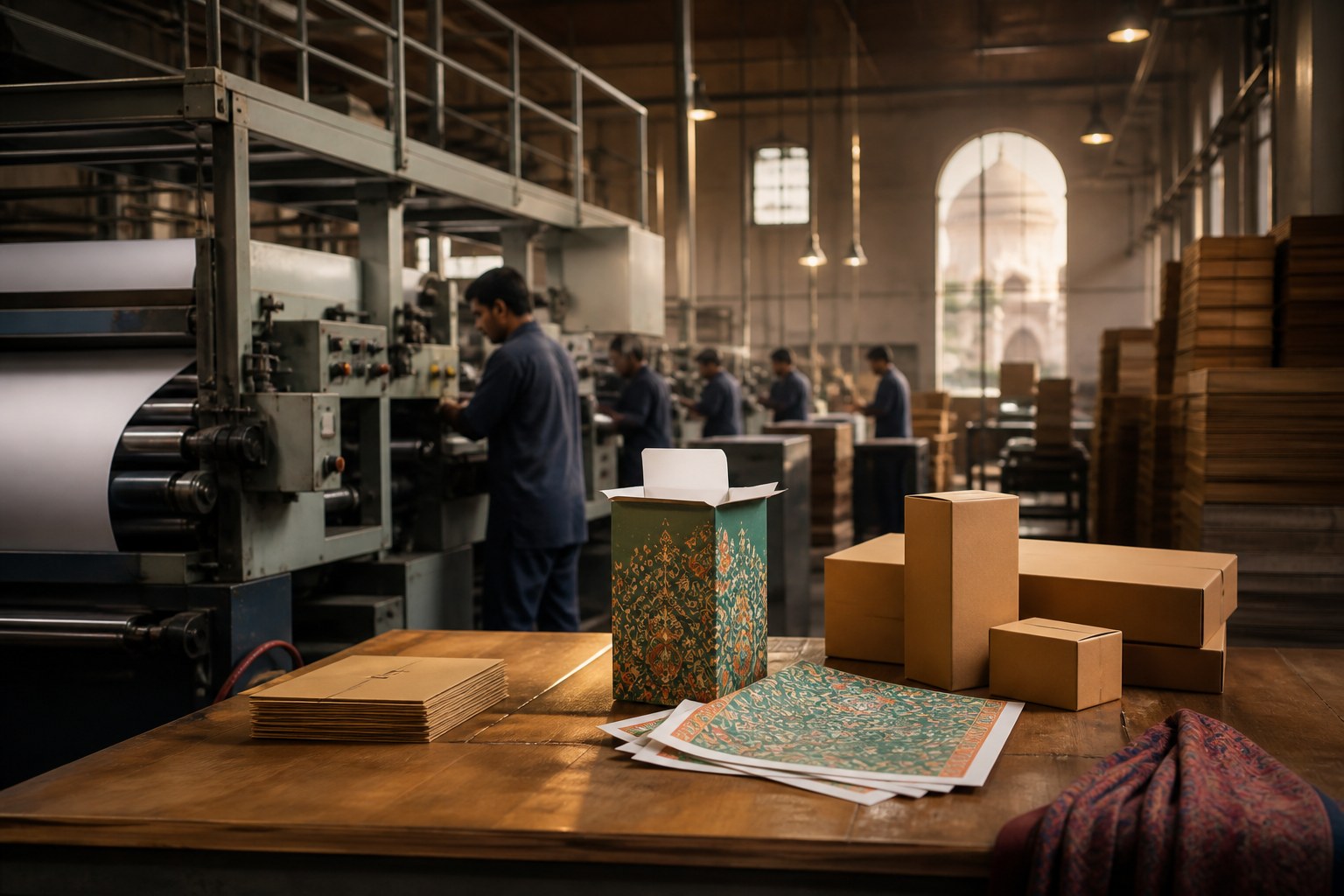
Packages Group is not a consumer fashion story that happens to own factories. It is an industrial story that began converting paper and paperboard into packaging for Pakistan’s consumer industries, then moved upstream into pulp and paper, sideways into films and inks, and into household tissue brands many families recognise without knowing the corporate tree.
Packaging is where design meets manufacturing under cost, hygiene, and logistics pressure—not where a logo becomes a lifestyle automatically.
— PakStyles culture desk
Begin with the joint-venture origin
Packages Group’s official Our Story page states that Packages Limited was established in 1956 as a joint venture between the Ali Group of Pakistan and Akerlund & Rausing of Sweden. Some older PDFs use 1957 language; when dates disagree by a year, prefer the current primary timeline and note the discrepancy.
Mid-century Pakistan needed industrial packaging capacity as consumer manufacturing expanded. Without converting plants, food, soap, tobacco, and pharmaceutical brands cannot move goods safely.
Upstream paper and household tissue
Company history describes a late-1960s move upstream into a pulp and paper mill with International Finance Corporation participation, using waste paper and agricultural by-products such as wheat straw. Integration altered cost structure, quality control, and environmental obligations.
Tissue production and the Rose Petal brand, as described in company historical materials, show how an industrial packager can touch households directly. Brand fame on a kitchen counter is not the same evidence as group financial health in filings.
Partnerships as technology transfer
Packages’ timeline includes Tetra Pak Pakistan from 1982, Tri-Pack Films with Mitsubishi participation in the mid-1990s, ink manufacturing with Coates Lorilleux roots becoming DIC Pakistan in company telling, Packages Lanka for flexible packaging, and later Bulleh Shah structures involving Stora Enso participation and subsequent ownership changes.
Dawn reported in 2009 that Packages sold its Tetra Pak Pakistan stake to Tetra Laval for about US$115 million according to market sources cited then. Joint ventures can end; check current subsidiaries on packages.com.pk rather than assuming a 1980s map.
Design, sustainability claims, and allegory risk
Readers encounter packaging as shelf presence: barrier properties, print registration, line speed, and retailer handling. Treat sustainability claims as claims backed by dated reports, not slogans.
Bulleh Shah Packaging’s naming after the Punjabi Sufi poet touches industrial geography and cultural memory. Enjoy the resonance; still verify ownership through documents. Retail experiments such as Packages Mall widen name recognition without redefining the core packaging business.
Sources and official profiles
Was this helpful?
Keep reading
Related stories
More from this desk, this beat, and the tags on this piece.

Walima explained: what the reception is for and why every family does it differently
Bilal Ahmed · 27 Oct 2026

Dholki, mayun and mehndi: why Pakistani pre-wedding events are not the same thing
Bilal Ahmed · 25 Oct 2026
NADRA Family Registration Certificate: what an FRC proves and what it does not
Bilal Ahmed · 22 Oct 2026


Sending money from the UK to Pakistan: compare the amount received, not the fee alone
Bilal Ahmed · 20 Oct 2026

Birmingham's Pakistani community in Census 2021: why 17% is a local story, not a UK average
Bilal Ahmed · 20 Oct 2026
Readers
The conversation
0 notes
Anyone can leave a note. Guests add a name and email — no account required, and the email is never published.
No notes yet. Yours would be the first.