Culture
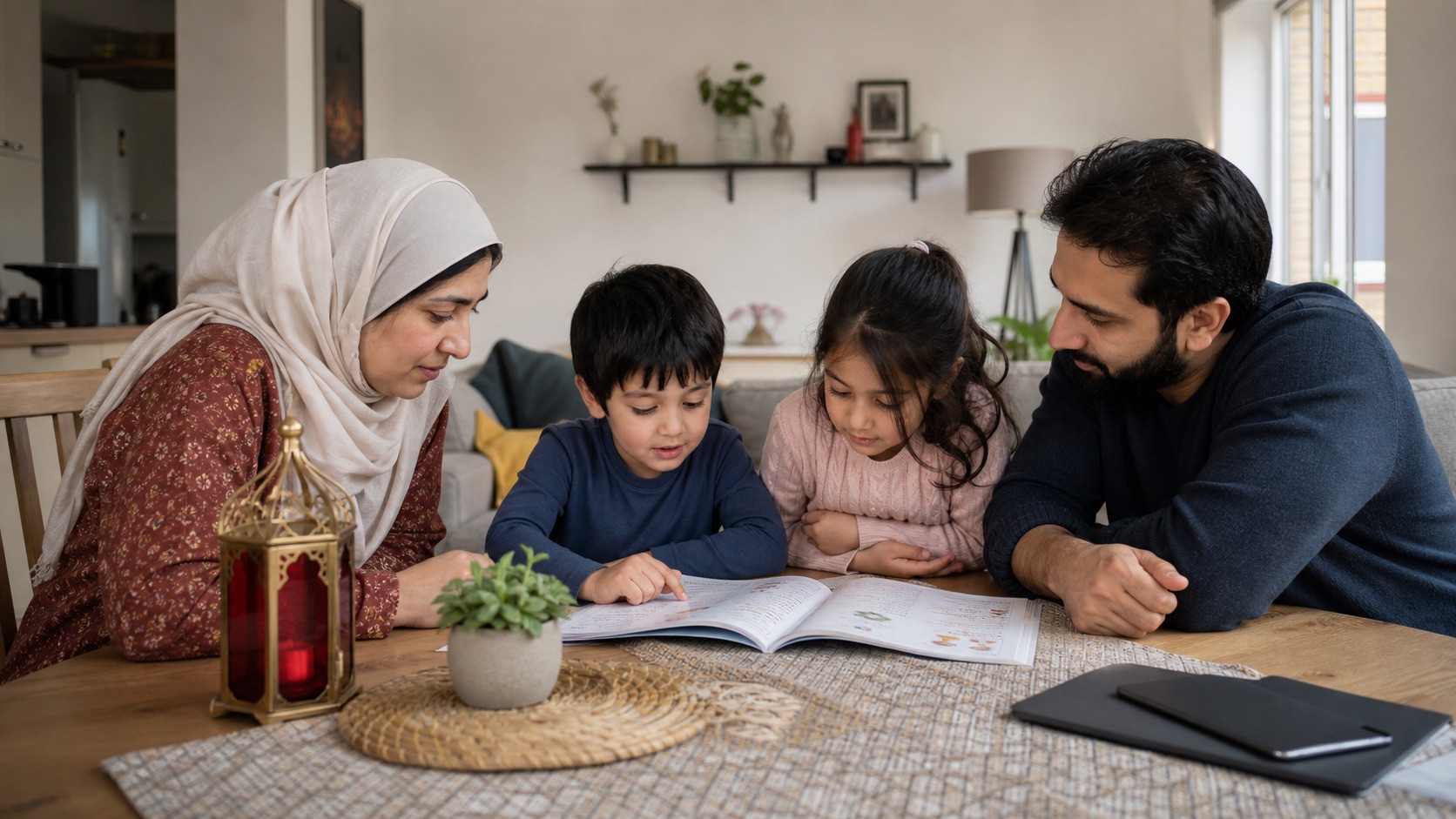
Teaching kids Urdu greetings before a Pakistan visit
A short, shame-free home practice so children can say salam, thank you, and please—without performing fluency for relatives.
By Sara Malik
Fitness editor
2 min read
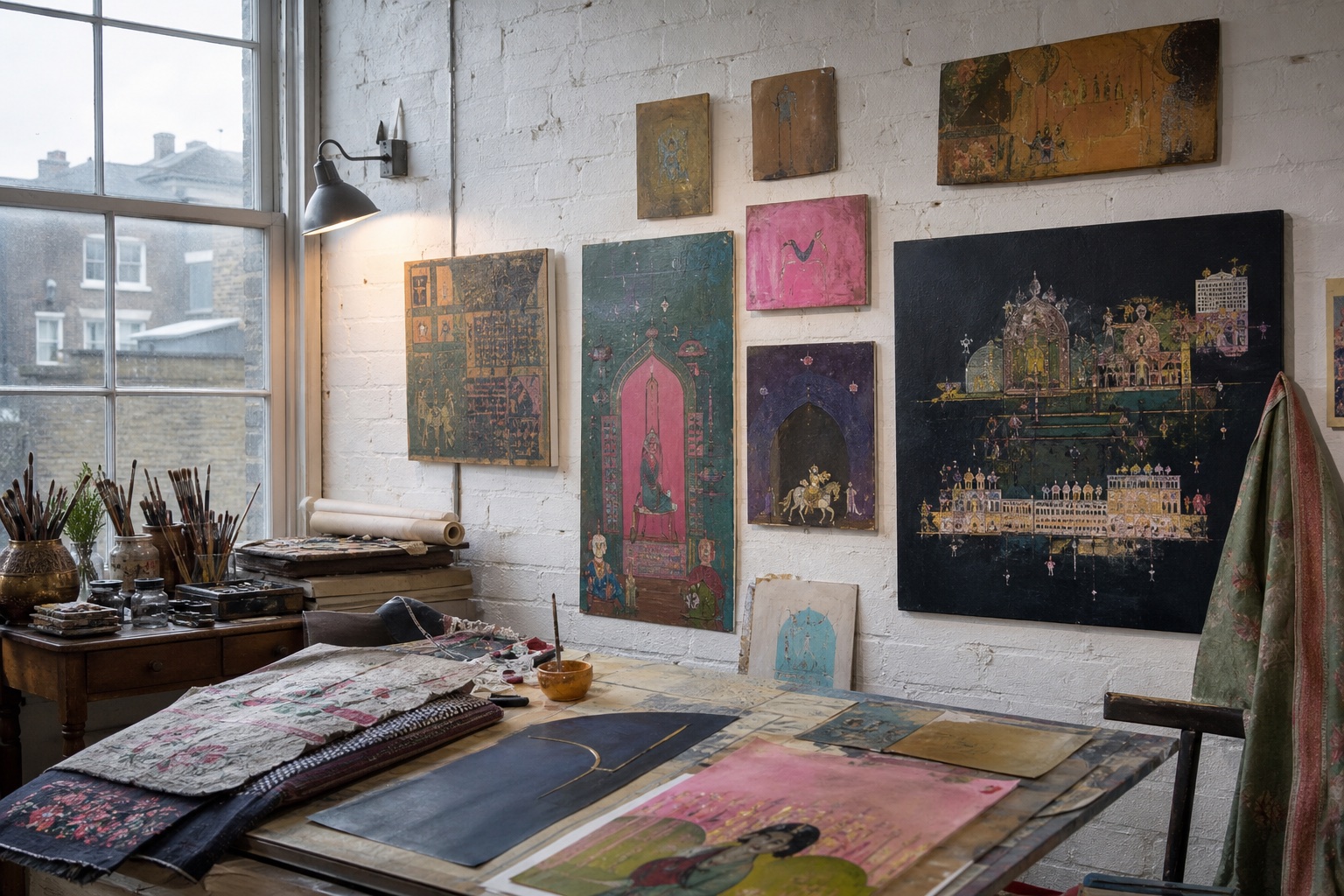
Relatives remember the child who tried a greeting more kindly than the child who was pushed into a speech. Ten days of short practice beats a panicked airport drill.
Choose a tiny set: assalamu alaikum, shukriya, ji, please as meharbani or the phrase your family actually uses, and one question such as “how are you?” Practise for five minutes after breakfast, not for an hour after homework meltdown.
Make it usable, not perfect
Role-play the doorway: shoes off, salam, eye contact, then English if needed. Record a grandparent saying the phrases if they are willing—children often copy a loved voice faster than a textbook clip. Praise attempts; do not correct every vowel in front of an audience.
Explain that some relatives will switch to English immediately, and that is not a failure. The greeting is a bridge, not a fluency exam. If your child freezes, you can model the line once and move on to a shared snack or a cricket clip.
Pack the phrase list in a note on your phone for the flight. The visit will still be bilingual and messy. A few greetings simply let the child enter the room as a participant rather than a silent guest.
Keep reading
Related stories
More from this desk, this beat, and the tags on this piece.
Pakistani names in British and American workplaces: pronunciation without embarrassment
Bilal Ahmed · 13 Sep 2026 · 14 min

Pakistani baby names: how to research meaning and pronunciation
Bilal Ahmed · 25 Aug 2026 · 2 min
Recording grandparents’ stories: an ethical family oral-history guide
Bilal Ahmed · 13 Sep 2026 · 16 min
Readers
The conversation
0 notes
Anyone can leave a note. Guests add a name and email — no account required, and the email is never published.
No notes yet. Yours would be the first.