Urdu family words British Pakistani children hear but do not always understand
Khala, phuppo, mamu and chachu carry relationship information that English 'aunt' and 'uncle' flatten. A simple family map can help diaspora children keep the vocabulary useful.
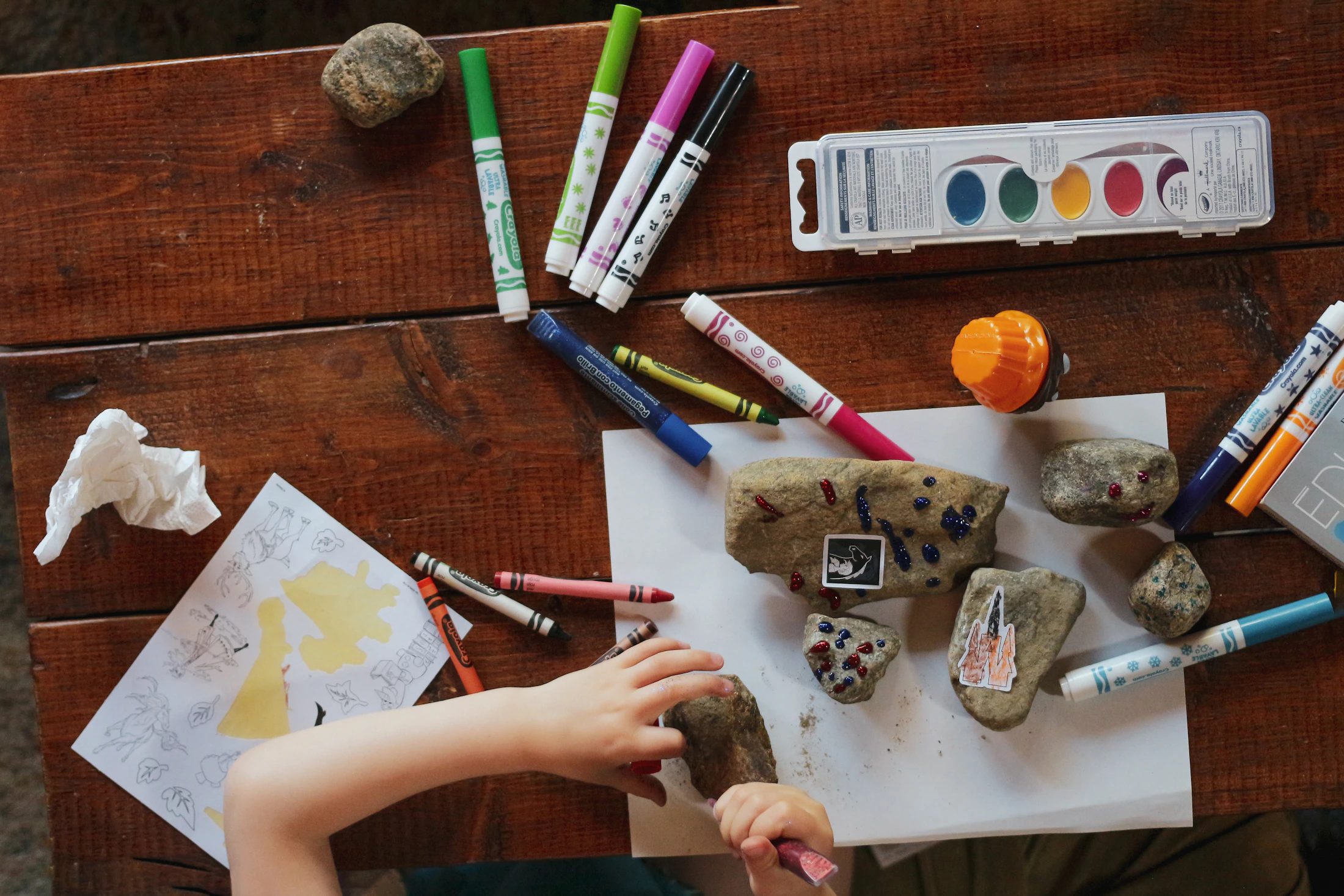
English makes a lot of relatives into “auntie” and “uncle”. Urdu often tells you immediately which side of the family a person comes from. For British Pakistani children, that can feel like unnecessary admin until the family tree becomes large enough that the vocabulary starts doing useful work.
Mother's side
- Nani: maternal grandmother
- Khala: mother's sister
- Mamu: mother's brother
Father's side
- Dadi: paternal grandmother
- Phuppo: father's sister
- Chachu: father's younger brother in many families; terminology for older/younger paternal uncles can vary
Marriage adds another layer
Words such as khala and mamu may also be extended affectionately to spouses or close family friends, depending on household custom. That is why a dictionary alone never explains every “auntie” at a Pakistani gathering.
Regional languages change the map
Punjabi, Pashto, Sindhi, Saraiki and other languages have their own relationship vocabularies. Even Urdu-speaking families vary in pronunciation and which terms they prefer.
Teach the relationship, not just the word
Instead of asking a child “what is phuppo?”, point at a family photograph and say: “This is your dad's sister, so she is your phuppo.” The word gains a person.
Children do not need to pass a vocabulary exam at Eid
Correct gently. A child who calls mamu “uncle” has not failed Pakistani culture. Use the Urdu word naturally in conversation and it becomes familiar through repetition.
Make a bilingual family tree
For a large diaspora family, write both the person's name and relationship term: Samina — Khala — Mum's sister. Children can understand the system without being embarrassed in front of relatives.
Kinship words survive when they remain useful. They carry family structure, but they should also carry warmth.
Spouses and in-laws add another useful layer
Urdu also has specific terms for relationships created by marriage, but usage varies enough that families may prefer names, respectful titles or regional-language words. Teach the words your own household actually uses rather than importing a complete textbook list.
That keeps the vocabulary connected to real people instead of turning kinship into memorisation.
Assume there is more than one Pakistani version: Urdu family words British Pakistani children hear but do not always understand
Urdu family words British Pakistani children hear but do not always understand can look different across Punjabi, Urdu-speaking, Sindhi, Pashtun, Kashmiri and other families, and diaspora life adds another layer. Describe common practice without turning one household's version into a national rule.
Words such as “traditionally” and “in many families” are not evasive when variation is real; they are more accurate.
Keep the human purpose visible: Urdu family words British Pakistani children hear but do not always understand
Behind Urdu family relationship words is usually hospitality, commitment, family connection or marking a transition. Return to that purpose when logistics become overwhelming.
A tradition is strongest when the people inside it still have room to consent, afford it and understand why it matters.
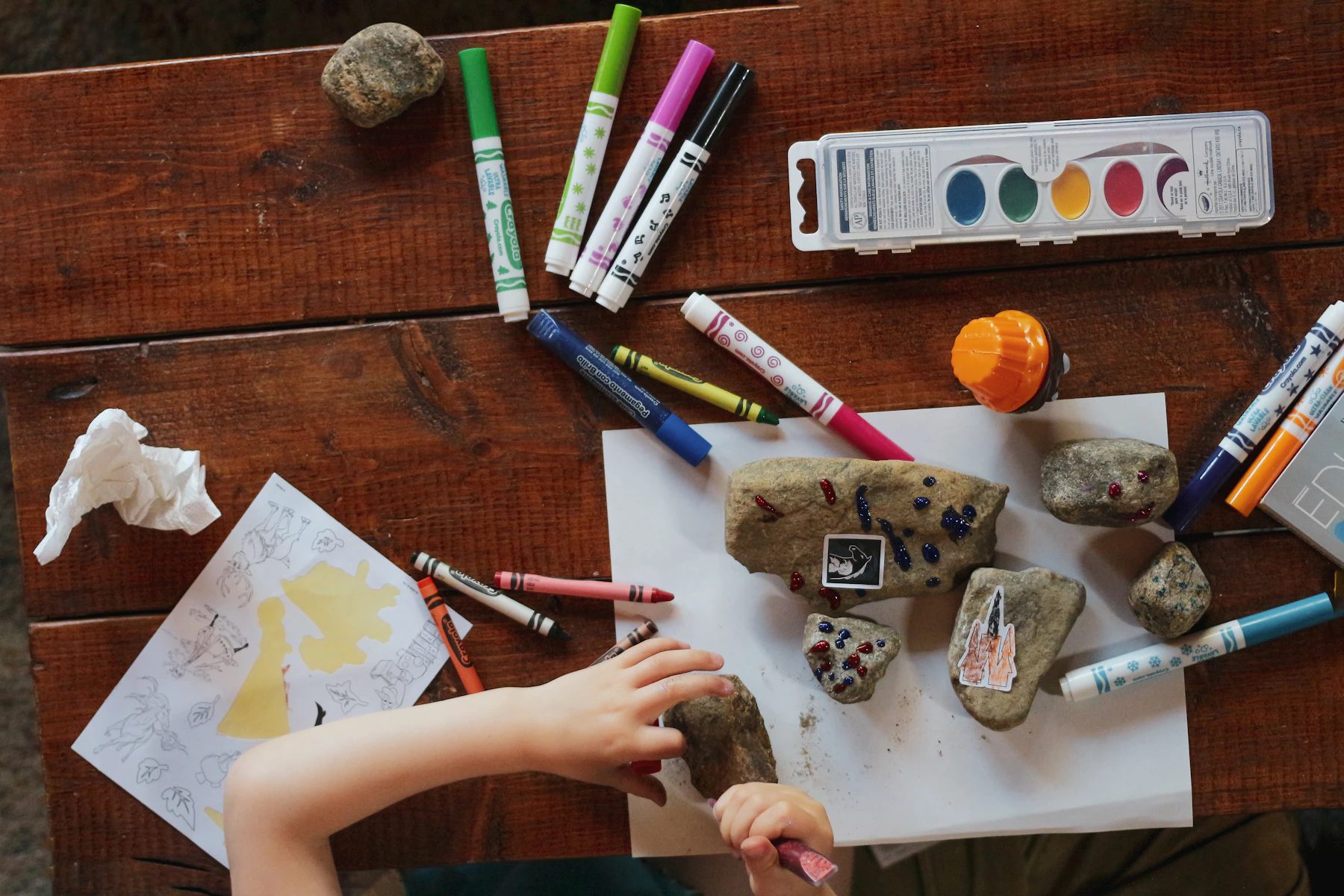
Final practical check
Before acting on Urdu family relationship words, recheck the part that carries the most cost, risk or time pressure and make sure the advice still matches your circumstances. Save the source, receipt, booking, product directions or family agreement where it may matter later.
Teach the family tree in pairs
Many Urdu relationship words become easier when taught as pairs: khala and mamu for the mother’s sister and brother; phuppo and chacha or taya for key relationships on the father’s side. The exact vocabulary can vary by language and family, so attach each word to a real person rather than presenting a national exam.
Use names and relationships together
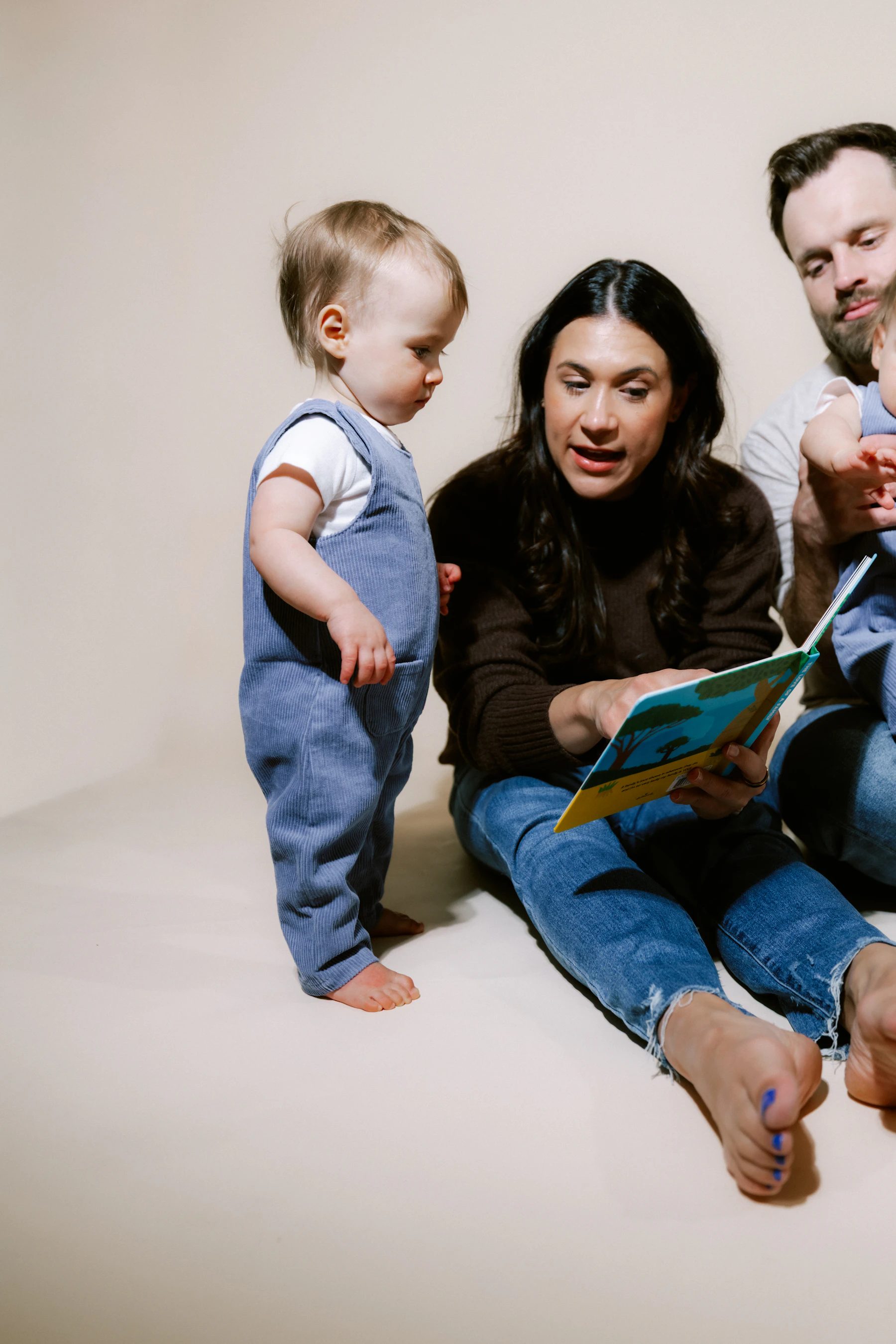
“Phone Khala Samina” teaches more than asking a child to memorise that khala means maternal aunt. Repeated use in ordinary speech builds the map naturally. Family photographs can help younger children connect the Urdu word with the person.
Marriage adds another layer of vocabulary
Words for in-laws and relatives by marriage are useful because British Pakistani children often hear them at weddings and gatherings long before anyone explains the relationship. Introduce them when the relationship becomes relevant instead of trying to teach every possible term in one lesson.
Regional languages legitimately change the words
A Punjabi-, Mirpuri-, Pashto- or Sindhi-speaking household may use different kinship vocabulary alongside Urdu. That is not a mistake. A bilingual family tree can record the version your own relatives actually use and still note the standard Urdu term where helpful.
Do not turn language into a loyalty test
A child can understand a relationship and still answer in English. Keep Urdu useful for affection, humour, stories, calls and practical family life. Correct gently when meaning matters, but do not make Eid lunch feel like an oral examination.
Make the words point to real people
A child is more likely to remember khala, mamu, phuppo or chacha when the word appears beside a name and a relationship they already understand. “Call Mamu Imran” carries more information than a worksheet asking for the Urdu word for maternal uncle. Use family photographs, video calls and stories to build the vocabulary into ordinary life.
Where your family uses Punjabi, Mirpuri/Pahari, Pashto, Sindhi or another language alongside Urdu, record both forms rather than correcting one into the other. Kinship vocabulary is one of the places where regional language remains very strong inside diaspora households.
Teach the map gradually
Start with the relatives the child sees most. Add in-law terms when weddings or new relationships make them relevant. A giant chart of every possible connection may be linguistically impressive but is less useful than ten words the child can use confidently with actual people.
Most importantly, do not use kinship vocabulary as a test of whether a child is “Pakistani enough”. If they answer in English, keep the conversation going. Adults can model the Urdu word naturally and repeat it next time. The aim is a living family language that supports belonging, not a performance in front of relatives at Eid.
A family tree can carry more than one language
Write the English relationship, the Urdu term your family uses and any regional-language version beside the same person. For example, the point is not to decide which language “wins”; it is to show the child that one person can be understood through several linguistic systems. This is particularly helpful in households where grandparents use Punjabi, Pahari/Mirpuri, Pashto or Sindhi while parents switch between Urdu and English.
Record pronunciation in a simple voice note if spelling is becoming a barrier. Kinship terms are spoken far more often than they are written, and a familiar relative’s voice can be a better learning tool than a transliteration system the household never otherwise uses.
Let understanding arrive before perfect production
A child who knows which aunt is being discussed but replies with her English relationship has still understood the family map. Keep modelling the Urdu word without turning every answer into correction. Repeated, low-pressure use is much more likely to survive into adulthood than vocabulary associated mainly with embarrassment in front of elders.
Use the guide in real life: Urdu family words British Pakistani children hear but do not always understand
For urdu family words british pakistani children hear but do not always understand, separate the useful convention from the idea that every Pakistani family follows one fixed rule. Region, language, generation, religious practice, budget and diaspora life can all change how the same event or habit looks. Use the guide to understand the logic, then ask the people directly involved how their household handles the detail.
With urdu family words british pakistani children hear but do not always understand, that approach also makes disagreements easier to manage. Instead of arguing over which version is “authentic”, identify the practical decision—who is invited, what is expected, what a term means in this family, or what must happen before the day. Clear information protects relationships better than turning a flexible custom into a test of belonging.
Sources and official profiles
Was this helpful?
Keep reading
Related stories
More from this desk, this beat, and the tags on this piece.

Pakistani wedding RSVP etiquette: when the invitation names only some of the family
Bilal Ahmed · 3 Oct 2026

Readers
The conversation
0 notes
Anyone can leave a note. Guests add a name and email — no account required, and the email is never published.
No notes yet. Yours would be the first.