Culture
Yumna Zaidi: a performance-led guide to her television work
Yumna Zaidi’s range is not proved by wigs or accents. It appears in how differently her characters understand danger, dignity, work and their right to occupy a room.
By Bilal Ahmed
Culture editor
4 min read
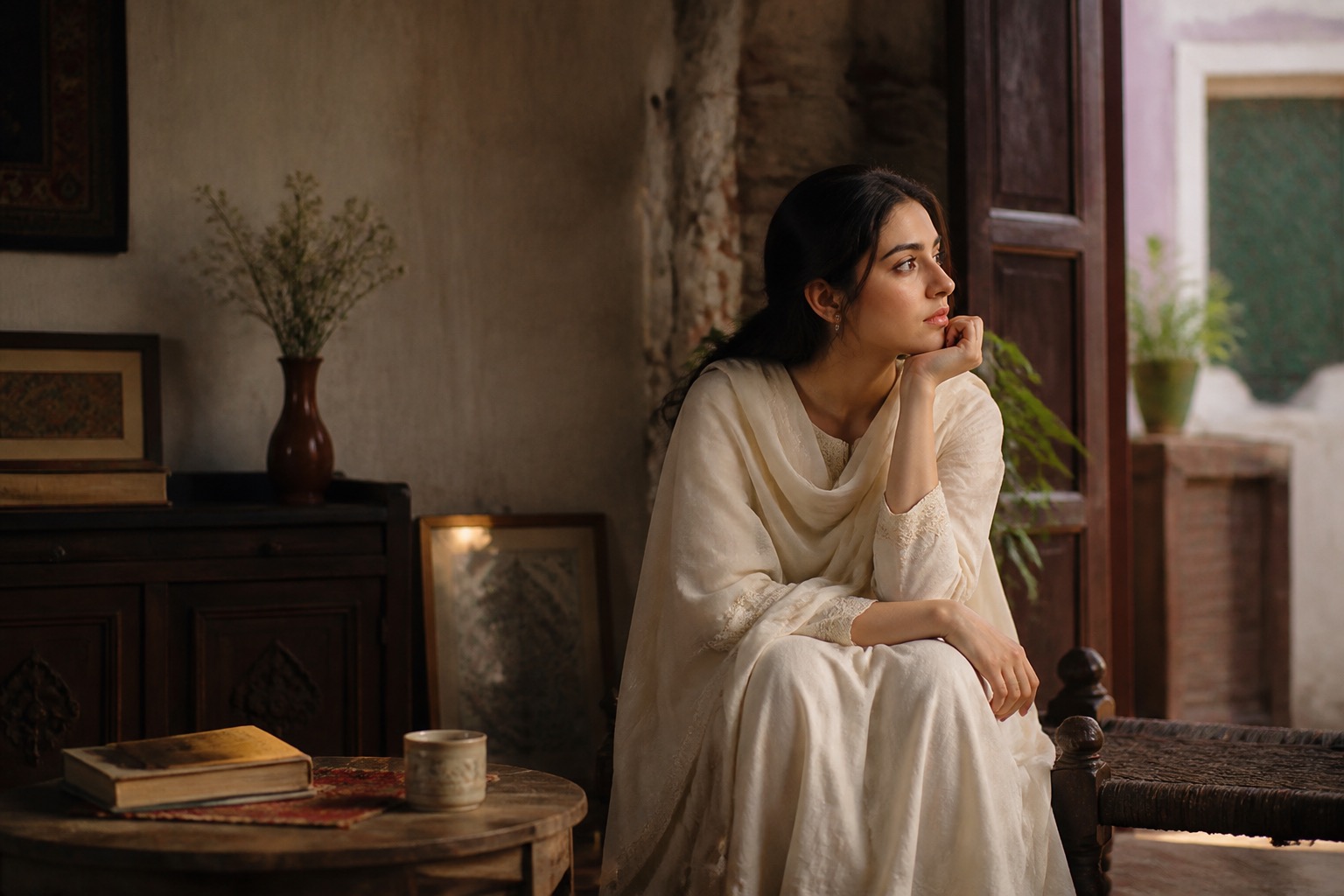
Yumna Zaidi’s range is not proved by wigs or accents. It appears in how differently her characters understand danger, dignity, work and their right to occupy a room.
Which Yumna Zaidi character felt most internally complete even when you disagreed with her choices?
— A question for PakStyles readers
Pyar Ke Sadqay and social discomfort
Mahjabeen’s innocence is played without turning her into a joke. Zaidi lets comedy, vulnerability and the audience’s protective instinct exist in the same scene.
Place the earliest example beside a later one and resist reducing the difference to confidence. Listen for pace, breath and silence; watch posture, eye-line and the way attention is handed to another performer. Those small choices make “Pyar Ke Sadqay and social discomfort” a useful chapter in Yumna Zaidi: a performance-led guide to her television work, rather than another credit copied from a biography.
Dil Na Umeed To Nahi and survival
Allah Rakhi and Sumbul belong to a drama about trafficking and exploitation. The performance tracks adaptation without using trauma as decorative seriousness.
No performance is made alone. Revisit “Dil Na Umeed To Nahi and survival” with the writer, director, editor, composer and scene partners in mind. Ask what the work gives the artist to respond to and what changes when somebody else enters the frame. That keeps praise specific and prevents a career profile from becoming celebrity worship.
Bakhtawar and performed identities
A woman navigating work and danger through changed presentation gives Zaidi a technical challenge: disguise must protect the character without becoming the whole character.
Release context matters here. Look at the genre expectations, audience and production scale surrounding “Bakhtawar and performed identities”, then notice where the work follows or unsettles them. The point is not to award a definitive ranking; it is to explain why this example changes the argument about Yumna Zaidi: a performance-led guide to her television work when watched in full.
Tere Bin and the scale of melodrama
Meerab operates inside heightened romance and conflict. Comparing it with quieter work shows how Zaidi adjusts gesture and vocal force to the serial’s register.
A useful career guide should send readers back to complete work. For “Tere Bin and the scale of melodrama”, choose one scene, recording or project and write down the exact transition that holds your attention. Compare that observation with another reader’s rather than leaning on awards, box-office shorthand or a viral clip stripped of its setup.
Where to continue after Yumna Zaidi
HUM TV official drama archive is a starting point for the current record connected with Yumna Zaidi: a performance-led guide to her television work. Check dates, credits and availability at the source; then follow the names, works and institutions mentioned above rather than relying on a search-result summary.
Which Yumna Zaidi character felt most internally complete even when you disagreed with her choices? If you have a strong answer, name the specific example or first-hand experience that shaped it.
What would you add—or challenge? Which Yumna Zaidi character felt most internally complete even when you disagreed with her choices? Keep the conversation attached to a named work, tested method, dated source, or first-hand observation so it improves the guide for the next reader. Before commenting on Yumna Zaidi: a performance-led guide to her television work, revisit one complete example and note the detail that confirmed—or overturned—your first impression. Include enough context for somebody else to find or repeat it: the work or product name, city or venue where relevant, approximate date, and the particular choice you noticed. That is more valuable than a vote for “best”.
Sources and official profiles
Keep reading
Related stories
More from this desk, this beat, and the tags on this piece.



Pakistani wedding photography shot list that protects real moments
Bilal Ahmed · 27 Jul 2026 · 4 min

Pakistani baby names: how to research meaning and pronunciation
Bilal Ahmed · 25 Aug 2026 · 2 min
Readers
The conversation
0 notes
Anyone can leave a note. Guests add a name and email — no account required, and the email is never published.
No notes yet. Yours would be the first.