Desserts
Gajar ka halwa with deep flavour and clean texture
A gajar halwa method that concentrates carrot and milk without drowning either in sweetness.
By Hassan Raza
Food editor
2 min read
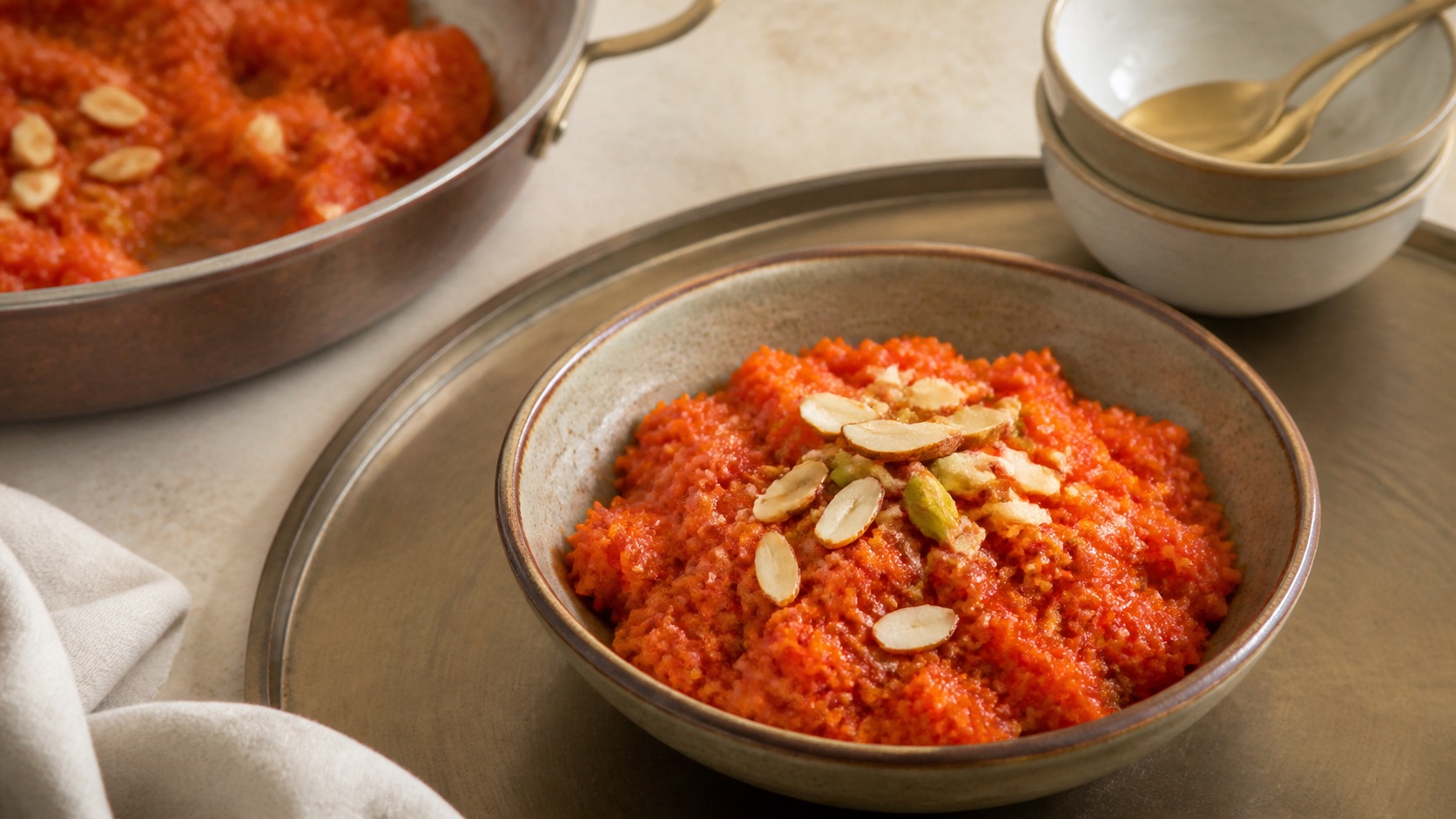
Good gajar ka halwa tastes first of carrot cooked into milk. Sugar, ghee and khoya should deepen that flavour, not bury it.
Grate for the texture you want
Choose firm, sweet carrots and grate them evenly. A coarse grate keeps visible strands; a finer one becomes softer and more cohesive. Put carrot and milk in a wide heavy pan so evaporation happens across surface area rather than through furious heat.
Cook until the milk has reduced and the carrot is tender before adding sugar. Sugar draws out liquid, so the mixture will loosen again. Continue stirring, scraping the corners, until that moisture evaporates. Add ghee gradually and stop when the halwa looks glossy and moves as one soft mass; a pool of fat is not proof of generosity.
Toast nuts separately so they remain distinct. Cardamom should perfume the steam rather than create grit. For a crowd, make the halwa a day ahead, cool promptly, refrigerate and reheat gently with a spoonful of milk if needed.
Serve warm, not blisteringly hot, in small portions. The finished spoonful should show carrot strands, dairy concentration and a clean finish—not sweetness followed by oil.
Let the carrot set the colour
Seasonal red carrots can produce the most familiar flavour, but orange carrots still make good halwa when treated according to their moisture and sweetness. Do not add colouring to imitate another variety. Let the ingredient determine the shade, and tell guests plainly when khoya or nuts are present.
Use the pan as your measuring instrument
Record the starting weight of grated carrot and add sugar in stages, tasting only after it dissolves. Carrot sweetness varies, so a fixed family measure may need adjustment. A wide pan reduces faster but also exposes more surface to scorching; lower the heat as the mixture thickens and use a firm spatula that reaches the base. If preparing nut-free portions, remove them before garnish with clean utensils and label them. Cool leftovers in shallow containers and refrigerate promptly. Reheat once for service where possible, loosening gently instead of adding enough milk to restart the entire reduction.
Filed under
Keep reading
Related stories
More from this desk, this beat, and the tags on this piece.
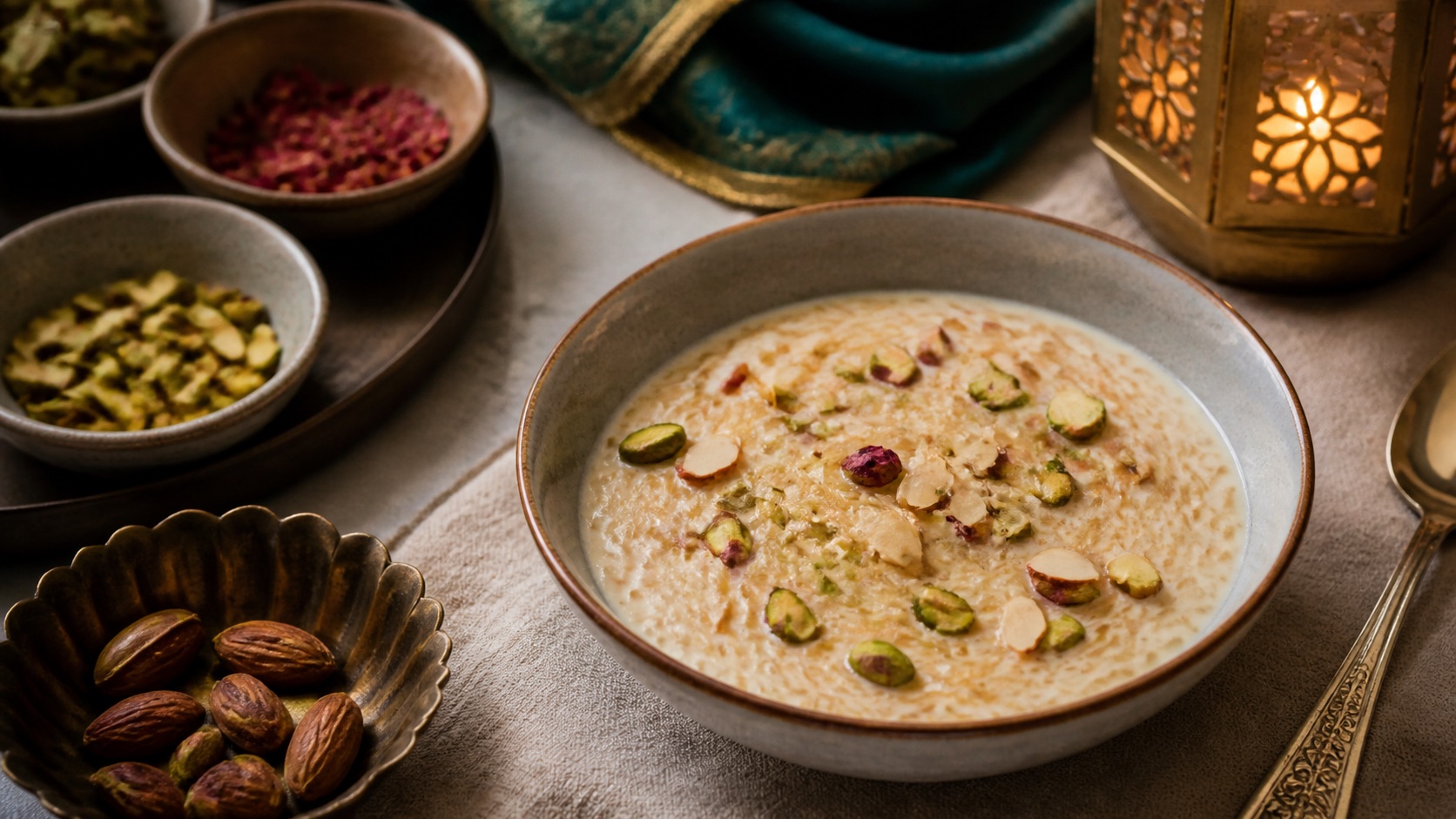
Sheer khurma for Eid: balance, texture, and make-ahead timing
Hassan Raza · 14 Jul 2026 · 2 min
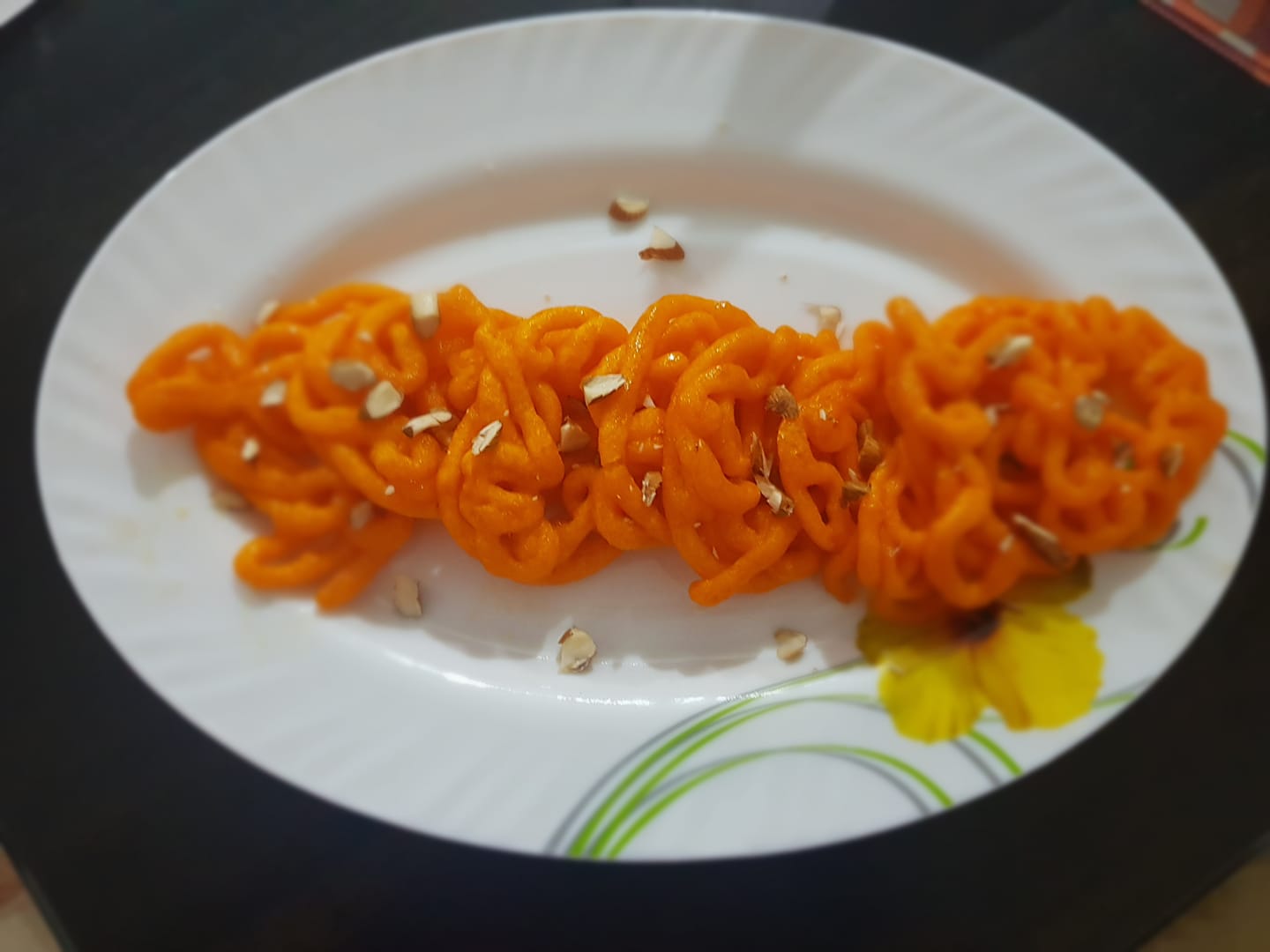
Gulab jamun from scratch: syrup absorption without collapse
Hassan Raza · 13 Sep 2026 · 14 min
Readers
The conversation
0 notes
Anyone can leave a note. Guests add a name and email — no account required, and the email is never published.
No notes yet. Yours would be the first.