Packing mithai for UK domestic flights without crush damage
How to pack mithai for UK domestic flights so boxes survive security and bins: rigid tins, cabin versus hold choices, and syrup rules under GOV.UK liquids guidance.

You are not flying mithai across the UK to prove loyalty. You are trying to land a box that still looks like a gift after security trays, overhead bins, and a suitcase that spent the flight under someone else’s golf bag. Crush damage is the usual villain for dry pieces; syrup is the quieter one that gets a tray emptied at the scanner. This is a packing essay for UK domestic flights, checked against public hand-luggage guidance around September 2026. It is not airline marketing and not a promise that every security officer will smile at gulab jamun.
Domestic hops still mean security screening. Assume your sweets will be handled, tipped, and judged. Pack for that reality, then choose cabin or hold on purpose. If the mithai is a gift for elders, pack a small spare of firm pieces in a second tin so one failure does not empty the gesture.
Choose sweets that forgive compression
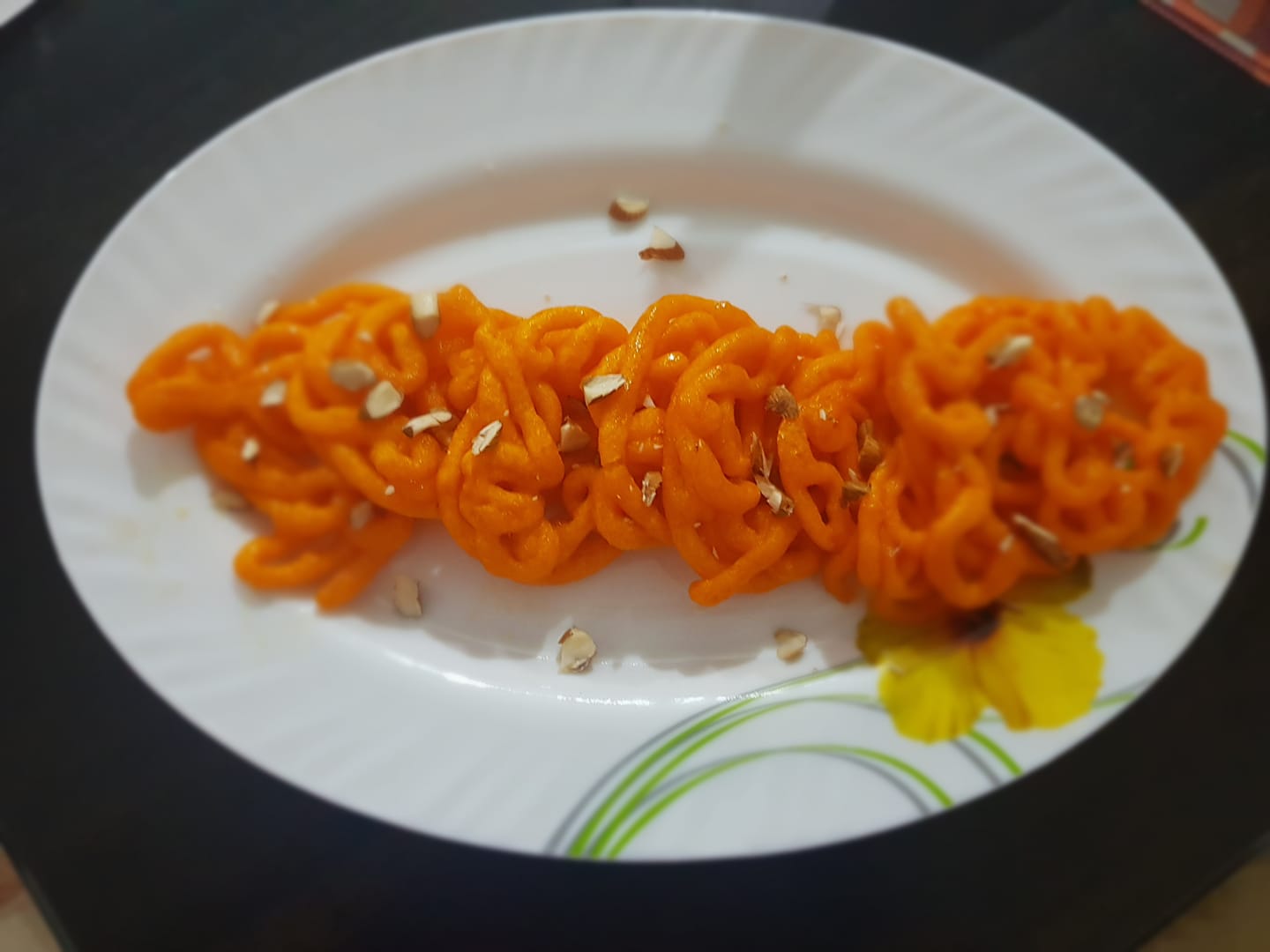
Barfi, pista rolls, coconut squares, and firm ladoo forgive a short domestic hop better than anything swimming in sharbat. Jalebi and imarti travel only if they are drained enough to stay in their own sticky world and boxed so the lattice cannot flatten into a single amber sheet. Rasmalai, fresh gulab jamun in open syrup, and anything with a loose rabri layer are hospitality at home. They are a leak risk in a cabin bag and a crush risk in the hold.
Ask the sweet shop for a rigid box with a lid that closes flat, not a thin cardboard sleeve that collapses when a laptop bag leans on it. If the shop only offers a soft carton, transfer at home into a plastic or metal tin that fits inside your cabin bag without bulging the zip. Pad the lid with baking paper so icing sugar and garnish do not glue themselves to cardboard. Do not stack a second gift on top of the mithai box inside the same bag; the second gift always wins. Put the mithai tin against the bag’s structured back, with soft clothes as side cushions, and keep water bottles away from the lid.
- Best travellers: dense milk sweets, nut rolls, coconut squares, firm ladoo
- Conditional travellers: drained jalebi/imarti in a rigid single layer; lightly syruped pieces wiped and separated
- Poor travellers in cabin: open syrup baths, rabri tubs, unfinished gulab jamun swimming in liquid, soft cream-filled pieces
- Hold-only candidates: generous syrup containers you are unwilling to abandon, if your airline allowance and packing protect them
Cabin versus hold, and liquid rules for syrups
Cabin is kinder to crush-sensitive boxes if you can keep the bag with you and place it carefully in the overhead locker rather than under the seat where feet and bottles fight for space. Hold luggage protects you from carrying weight through the terminal, but suitcases are stacked; a mithai tin needs to sit inside a hard-sided case, wrapped so it cannot become a corner bumper for shoes. If you check the sweets, photograph the closed box before you leave home so you know what “intact” looked like.
Official UK hand-luggage guidance treats liquid and semi-liquid foods, including soups, jam, honey and syrups, as liquids for screening. That matters for mithai packed in syrup, loose sharbat sachets, or a tub of rabri travelling beside the sweets. The GOV.UK liquids page for hand luggage is the starting point: container size limits depend on the departure airport, a partly empty large container still counts as that container’s size at airports that keep a 100 ml rule, and staff can refuse anything they judge unsafe even when a category usually passes. The UK Civil Aviation Authority’s packing advice points passengers back to that government liquids guidance and reminds travellers that airports and airlines may apply discretion. Broader CAA baggage orientation lives on the Authority’s baggage pages.
Practical translation: dry or barely moist pieces in a sealed box are a crush problem, not a liquids drama. Pieces sitting in free syrup, or a separate bottle of sharbat “for soaking later,” are liquids in the security sense. Prefer hold baggage for generous syrup containers when your airline allowance allows it, or choose a drier assortment for cabin-only trips. Do not assume a domestic route skips screening.
Packing sequence, security trays, and the gift you can still present
- Night before: chill only if the sweet needs it; wipe condensation before sealing so cardboard does not soften.
- Layer inside the tin: parchment between layers; fill empty space with crumpled paper so pieces cannot rattle into powder.
- Morning of travel: confirm your departure airport’s current liquid container rules, then decide cabin or hold for any syrup.
- At security: be ready to show food containers if asked; sticky exteriors slow everyone behind you.
- On board: put the mithai bag in last so it comes out first, and do not crush it under a coat mountain.
- On landing: open upright at the destination, not while jogging through the terminal.
| Sweet type | Cabin strategy | Hold strategy |
|---|---|---|
| Firm barfi / ladoo | Rigid tin upright in cabin bag spine | Hard case, padded, not against suitcase edge |
| Drained jalebi | Single layer, parchment, no stacking gifts on top | Same, plus crush protection from shoes |
| Open syrup / rabri | Usually avoid; liquids rules apply | Sealed containers, leak bags, photo before check-in |
Place the mithai tin where officers can see it without unpacking your entire life. If you are asked to open it, open upright over the tray. Accept that a swab or visual check can happen. If a syrup item is refused for cabin carriage, do not improvise by hiding it. Summer tarmac and warm holds soften milk sweets; prefer firmer pieces when heat is likely. Strong rose or kewra syrup can perfume clothes; keep scented sweets in a sealed tin away from meeting clothes.
When the flight is only one leg of a longer gift journey
Sometimes mithai flies from Manchester to London, then rides in a car to a family home, then sits on a warm radiator while speeches run long. Pack for the weakest link, not only the aircraft. A rigid tin still matters in the car boot. Keep the box out of direct sun. If the final presentation is hours after landing, choose firmer pieces that forgive waiting.
If multiple relatives are bringing sweets to the same gathering, coordinate so you are not all carrying syrup-heavy trays through the same security queues. One well-packed dry assortment plus a local top-up near the destination often looks more generous than three crushed shop boxes.
Children travelling with mithai as a gift for grandparents should still follow the same liquids logic. A child-friendly story about “sweets for Dadi” does not exempt syrup tubs at security. Pack the child’s bag with the rigid tin visible and keep sticky fingers off the tray by wiping the exterior before the queue.
Allergy coordination matters more when several boxes arrive together. Ask someone at the receiving house to label serving plates with nut contents rather than assuming guests will interrogate every aunt. A gift that hospitalises a cousin is not hospitality.
Tell the sweet shop you need a rigid box that closes flat, prefer dry mix for air travel, ask for parchment between sticky items, and confirm nut contents if recipients have allergies. If the shop pushes a syrup-heavy display tray because it looks generous, hold the line. Arrive with a box you can open without apology. Re-plate at the destination if a corner crushed. The gift is the mithai that survived, not the story of how security discovered a leaking jamun tray.
Sources and official profiles
Was this helpful?
Keep reading
Related stories
More from this desk, this beat, and the tags on this piece.
Pakistani grocery shopping in the UK: pantry, freezer, and fresh food
Hassan Raza · 20 Aug 2026
Readers
The conversation
0 notes
Anyone can leave a note. Guests add a name and email — no account required, and the email is never published.
No notes yet. Yours would be the first.