Aloo paratha without the filling escaping: a rolling guide
The difference between a calm aloo paratha and a split one is mostly moisture and pressure. Cool the potatoes, keep the filling dry, seal cleanly and roll from the centre.
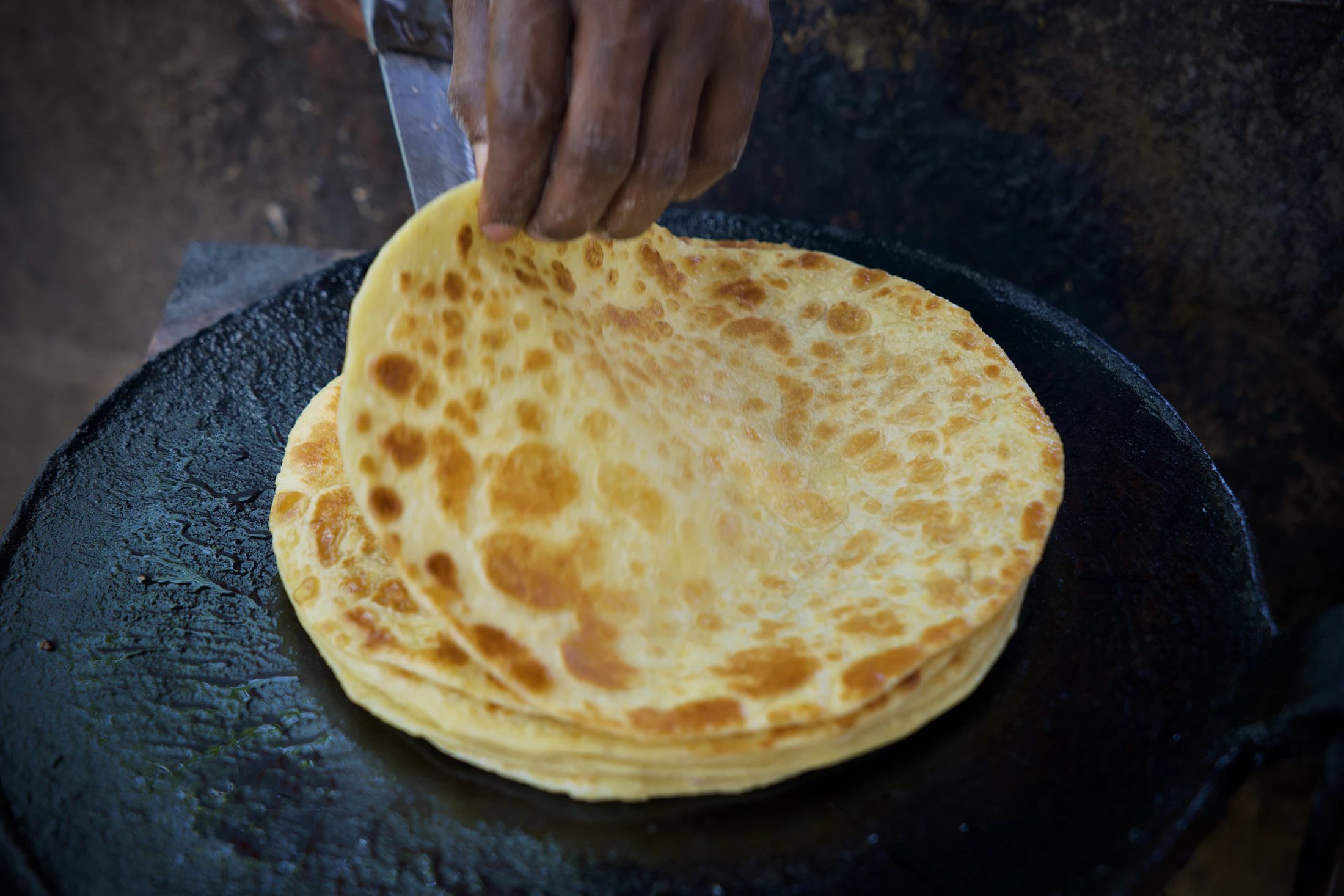
The stressful moment in aloo paratha is not the tawa. It is the first roll after stuffing, when a damp potato filling finds the smallest weak point and appears on the counter. The fix is less dramatic than the problem: dry filling, rested dough, modest stuffing and gentle pressure.
Dough for eight medium parathas
- 400g wholewheat atta
- ½ tsp salt
- about 260ml lukewarm water, added gradually
- 1 tsp oil, optional
Mix into a soft dough, knead until reasonably smooth and rest covered for at least 20 minutes. A rested dough rolls with less resistance, which means you do not have to fight it over a fragile filling.
Filling
- 600g floury potatoes
- 1 tsp salt
- 1 tsp roasted ground cumin
- 1 tsp crushed coriander seeds
- ½ tsp chilli flakes or chilli powder
- 1 green chilli, very finely chopped
- 2 tbsp chopped coriander
- ½ tsp amchur or a squeeze of lemon, optional
Boil the potatoes in their skins or steam them until tender. Drain well, peel and let them cool before mashing. Steam trapped in hot potato becomes moisture inside the dough. Mash out large lumps; hard chunks can puncture the bread when you roll.
Season only when the potato is cool
Mix in the spices, chilli and coriander. If using lemon, add very little. Taste now. The filling should taste slightly more assertive than plain mashed potato because it will be wrapped in unsalted-tasting bread.
Use less filling than social media suggests
Divide the dough and filling into eight portions. Roll one dough ball into a small disc with the centre slightly thicker than the edges. Put the filling in the centre, bring the edges up around it and pinch firmly closed. Press the sealed parcel gently into a puck.
A dramatic, overfilled paratha can be satisfying when made by someone who does it daily. For a home cook learning the feel, leaving a little breathing room makes a better breakfast than proving a point.
Roll from the centre and keep turning
Dust lightly with dry atta. Roll from the centre outward, rotate the paratha, then repeat. Do not lean hard on one edge. Aim for even thickness rather than perfect roundness. If a tiny patch of potato appears, dust it and continue; do not tear the whole surface trying to hide it.
Cook on a properly heated tawa
Heat a tawa or heavy frying pan over medium-high heat. Cook the first side until small bubbles and light brown spots appear. Flip, brush or spoon on a little ghee or oil, then flip again and grease the other side. Press the edges lightly so they cook, but avoid smashing the centre.
Adjust heat between parathas. If the outside blackens before the dough cooks, lower it. If the bread dries for several minutes without colour, raise it.
Freeze the useful stage
For batch cooking, shape and roll the parathas, separate them with baking paper and freeze flat. Once firm, stack in a sealed bag. Cook from frozen on a medium tawa, allowing a little extra time. This keeps the morning job to cooking rather than potato boiling, cooling, stuffing and rolling.
Serve with dahi, achar or simply chai. A slightly uneven paratha that stays sealed and reaches the table hot is not a failed circle. It is breakfast.
Potato choice affects both flavour and handling
Floury potatoes mash smoothly and absorb spice well, which makes them useful for stuffing. Waxy potatoes can stay lumpy and puncture dough if not mashed carefully. Whatever variety you use, cook until fully tender and let steam escape before seasoning.
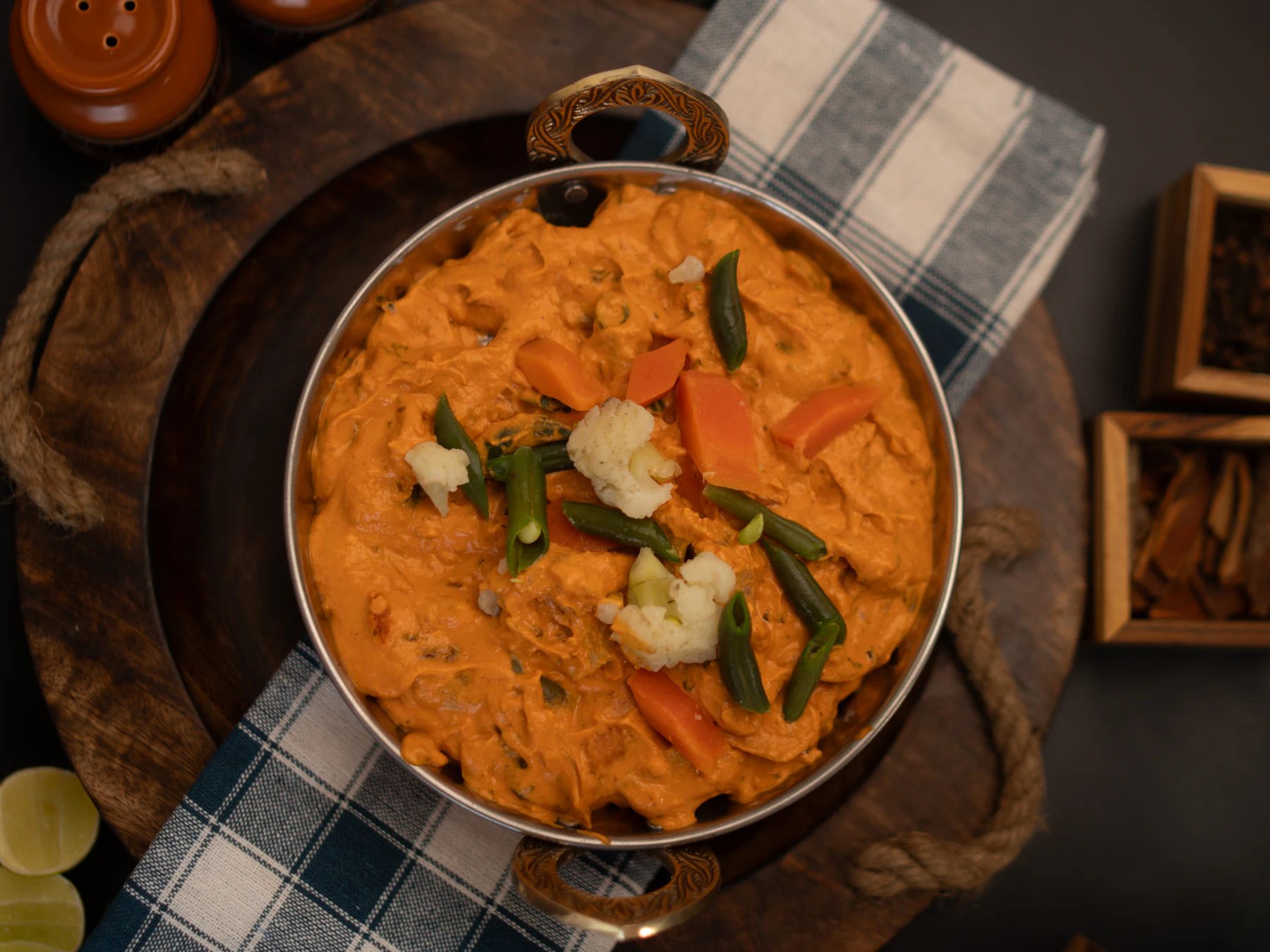
Boiling whole potatoes in their skins reduces water absorption compared with peeled cubes. Steaming is another good option when you want a drier mash.
Cool filling is easier to control
Warm potato softens dough and creates condensation. Spread the mash on a plate or tray and let it cool before adding onion, chilli, herbs or lemon.
If using fresh onion, chop extremely finely and use modestly because it releases water and can tear the dough. Spring onion greens or coriander add freshness with less moisture.
Make the dough softer than chapati dough, but not sticky
A stiff dough fights the rolling pin and squeezes filling towards the edges. A very wet dough sticks and needs so much dry flour that the cooked paratha becomes dusty. Add water gradually, knead until supple and let the dough rest covered.
Resting lets flour hydrate fully, making the dough more extensible without extra water.
Two stuffing methods are both valid
The gathered-pouch method puts a filling ball in the centre and draws dough around it. The two-disc method sandwiches filling between two small rolled rounds and seals the perimeter. The first gives a higher filling-to-dough ratio; the second can feel easier for beginners.
Choose the method that lets you roll gently. The best technique is the one that keeps potato inside.
Control the flour on the bench
Too much dry atta burns on the tawa and gives the surface a powdery taste. Dust only enough to prevent sticking, then brush off obvious excess before cooking.
Roll in several directions, not one hard push
Press the stuffed puck gently with your fingertips first. Roll from centre outward, rotate and repeat. This redistributes filling instead of driving it to one side.
If one edge becomes noticeably thicker, correct early with lighter pressure rather than flattening the whole paratha aggressively.
Tawa temperature should change during a batch
The pan is often hottest after several parathas. If dark spots appear before the dough has time to cook, reduce the flame. If the bread sits pale and dries out, raise it.
Cook the first side dry until small spots appear, then flip and add ghee or oil. That prevents the fat from soaking into raw dough.
Use fat for flavour, not as the cooking medium
A teaspoon or two per side is plenty for a medium home paratha. Pouring a shallow pool into the pan turns the cooking method towards frying and can mask whether the dough itself is properly cooked.
Making them for children
Reduce chilli, keep the potato smooth and make smaller parathas that are easier to hold. A little grated cheese is a modern variation that many children enjoy, but avoid so much that melted cheese leaks and burns.
Freezer strategy
You can freeze rolled uncooked parathas between sheets of baking paper or partially cook them first. Test which method suits your dough. Freeze flat before stacking, label the date and keep them well wrapped against freezer burn.
Cook or finish directly from frozen over medium heat, allowing enough time for the centre to heat through.
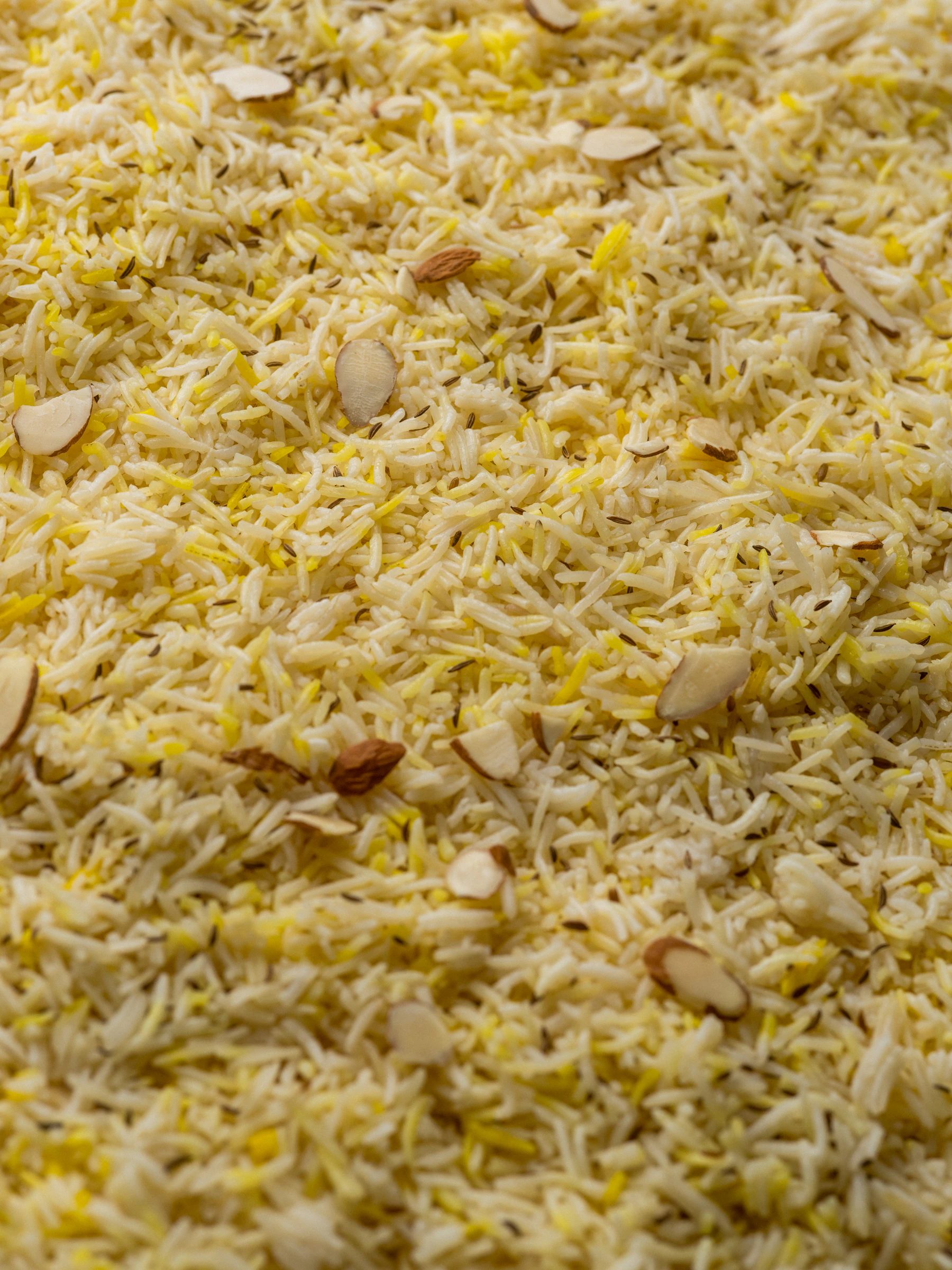
Serve without turning breakfast into a banquet
Plain yoghurt, achar and chai are enough. For a fuller meal, add eggs or fruit. The paratha already contains starch and potato; it does not need three other fried sides to become hospitable.
Aloo paratha rewards calm hands more than advanced skill. Dry filling, rested dough, moderate stuffing and patient rolling solve most of the drama before the bread reaches the tawa.
Build the plate around contrast: Aloo paratha without the filling escaping
For aloo paratha recipe in particular, A rich or slow-cooked dish benefits from something fresh, acidic or crisp; a dry grilled dish may need yoghurt, chutney or a juicy salad. Think about the main dish before adding sides. Hospitality does not require five starches and three fried items beside a recipe that was already complete.
With aloo paratha recipe as the focus, For family meals, put chilli, lemon, chutney and raw onion on the table rather than forcing every diner into the same heat level. That gives children, older relatives and people with different tolerances a way to adjust the plate without changing the core recipe.
Troubleshoot the process, not your ability: Aloo paratha without the filling escaping
If aloo paratha recipe is watery, ask where excess water entered and whether it had enough surface area to leave. If it is tough, ask whether the ingredient needed longer gentle cooking. If it is greasy, consider the fat content of the meat and whether free oil could be removed. Specific questions produce specific fixes.
In practical terms for aloo paratha recipe, Keep notes for the next attempt: pan size, brand of rice or flour, approximate cooking time and the one adjustment you would make. Home cooking becomes reliable through small recorded corrections, not through deciding you are either “good” or “bad” at a dish.
Respect regional and family variation: Aloo paratha without the filling escaping
Applied specifically to aloo paratha recipe, Pakistani recipes move between cities, languages, migration routes and individual kitchens. A family in Karachi may finish the same named dish differently from a family in Peshawar or Birmingham. Treat those differences as evidence of a living cuisine rather than a contest that requires one winner.
For a reader working through aloo paratha recipe, The useful test is whether your method is honest about what it is and produces the texture and flavour you intended. Learn the classic structure first, then adapt with enough understanding that the change is a choice rather than an accident.
How to plan this dish before the heat goes on: Aloo paratha without the filling escaping
For aloo paratha recipe, preparation is part of the cooking. Read the method once, identify the ingredient that takes longest, and decide which components can be measured, chopped or cooled before the pan becomes busy. Pakistani home cooking often feels intuitive because experienced cooks have already internalised that sequence; writing it down makes the same intuition available to a newer cook.
For aloo paratha recipe in particular, Keep raw meat, cooked food and ready-to-eat garnishes separate while you work. Put spices into a small bowl in the order they will be used, prepare a clean spoon for tasting after meat is cooked, and clear enough bench space that you are not balancing hot pans around packets. Good mise en place is not restaurant theatre; it prevents the stage where garlic burns because the tomatoes are still being chopped.
Use sensory cues instead of treating minutes as law: Aloo paratha without the filling escaping
Recipes give times because readers need a starting point, but pans, burners, meat cuts, vegetable water content and altitude all change the clock. Learn the cues in aloo paratha without the filling escaping: whether the onion is actually golden, whether the masala has lost its raw smell, whether water has evaporated, whether rice grains are almost tender, or whether a batter has the right thickness.
With aloo paratha without the filling escaping as the focus, Write down what you saw when a batch worked. “Tomatoes reduced until the spoon briefly exposed the pan” is a better future instruction than “cook 12 minutes” if your next hob is stronger. Sensory cooking makes a recipe portable between a British induction hob, a Pakistani gas flame and a family kitchen with a completely different pan.
Ingredient quality matters most where the recipe is simple: Aloo paratha without the filling escaping
When a dish uses relatively few ingredients, substitutions are more visible. Old ground spices can taste dusty, watery tomatoes can extend reduction dramatically, and rice from a different brand may need a different liquid ratio. Buy the best version that is practical, but do not confuse expensive with suitable.
If an ingredient is unfamiliar or difficult to find, change one thing at a time and record it. Replacing three spices, the main protein and the cooking fat at once may still make dinner, but it no longer teaches you how the original balance of aloo paratha without the filling escaping works.
Heat management is an ingredient: Aloo paratha without the filling escaping
A high flame is useful for browning and evaporation; low heat is useful for tenderness and gentle finishing. Many disappointing Pakistani dishes come from leaving the burner at one setting for the entire recipe. Move deliberately between high, medium and low heat based on the job being done.
If a masala catches, lower the heat and add a small amount of hot water rather than pouring in enough liquid to erase the concentration you built. If food is pale and steaming instead of browning, the pan may be overcrowded or too cool. The sound of the pan is often as useful as the clock.
Scaling for guests needs more than multiplication: Aloo paratha without the filling escaping
Doubling aloo paratha without the filling escaping can double water and food mass without doubling evaporation surface or burner power. That is why a recipe that works for four can become watery for twelve. Use two pans, work in batches or allow extra reduction time when the cooking method depends on browning or evaporation.
Salt, chilli and strong whole spices should usually be increased more cautiously than the main ingredient. Add most of the calculated amount, taste when safe, then finish. A large batch is expensive to rescue after seasoning has overshot.
Make-ahead work should protect the final texture: Aloo paratha without the filling escaping
Decide which stage improves after resting and which part should stay fresh. Slow meat bases, daal and some curries often reheat well; fried coatings, fresh herbs, crisp toppings and delicate breads generally do not. stop at the stage that preserves the part diners care about most.
With aloo paratha without the filling escaping as the focus, Cool cooked food promptly in smaller containers rather than leaving a large hot pot at room temperature. Label freezer containers with the dish and date. A freezer full of unlabelled brown curries is not meal preparation; it is a guessing game.
Storage and reheating deserve the same care as cooking: Aloo paratha without the filling escaping
Food safety does not become less important because the recipe is traditional. Refrigerate leftovers promptly, keep raw and cooked food separate, and reheat according to current food-safety guidance. Rice and poultry deserve particular attention because poor cooling or incomplete reheating can create risks that are invisible to taste.
Reheat only the amount you need where possible. Add fresh water, stock or garnish after reheating if the dish has thickened in the fridge. The goal is to restore texture without repeatedly cycling the whole pot through warm temperatures.
Sources and official profiles
Filed under
Was this helpful?
Keep reading
Related stories
More from this desk, this beat, and the tags on this piece.
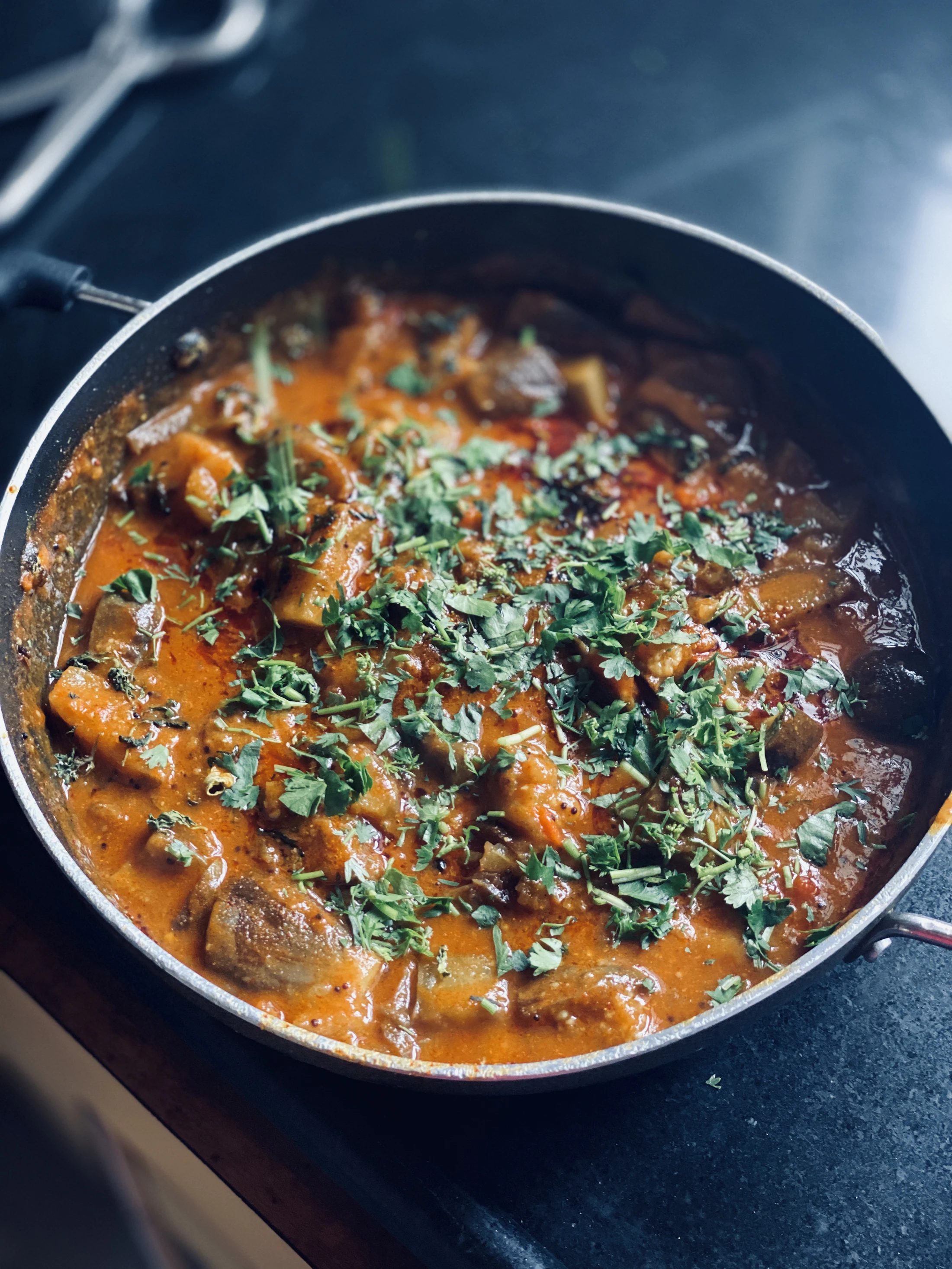
Chicken yakhni pulao: build the stock before you think about the rice
Hassan Raza · 4 Oct 2026
Shami kebab that freezes well: cook the mixture dry before you shape it
Hassan Raza · 5 Oct 2026
Readers
The conversation
0 notes
Anyone can leave a note. Guests add a name and email — no account required, and the email is never published.
No notes yet. Yours would be the first.