Diaspora Eid clothes when the US weather won’t match the lookbook
Adapt Pakistani Eid outfits to US climates with fabric-weight choices, forecast checks, layer systems, and care-label sense, without abandoning the look.
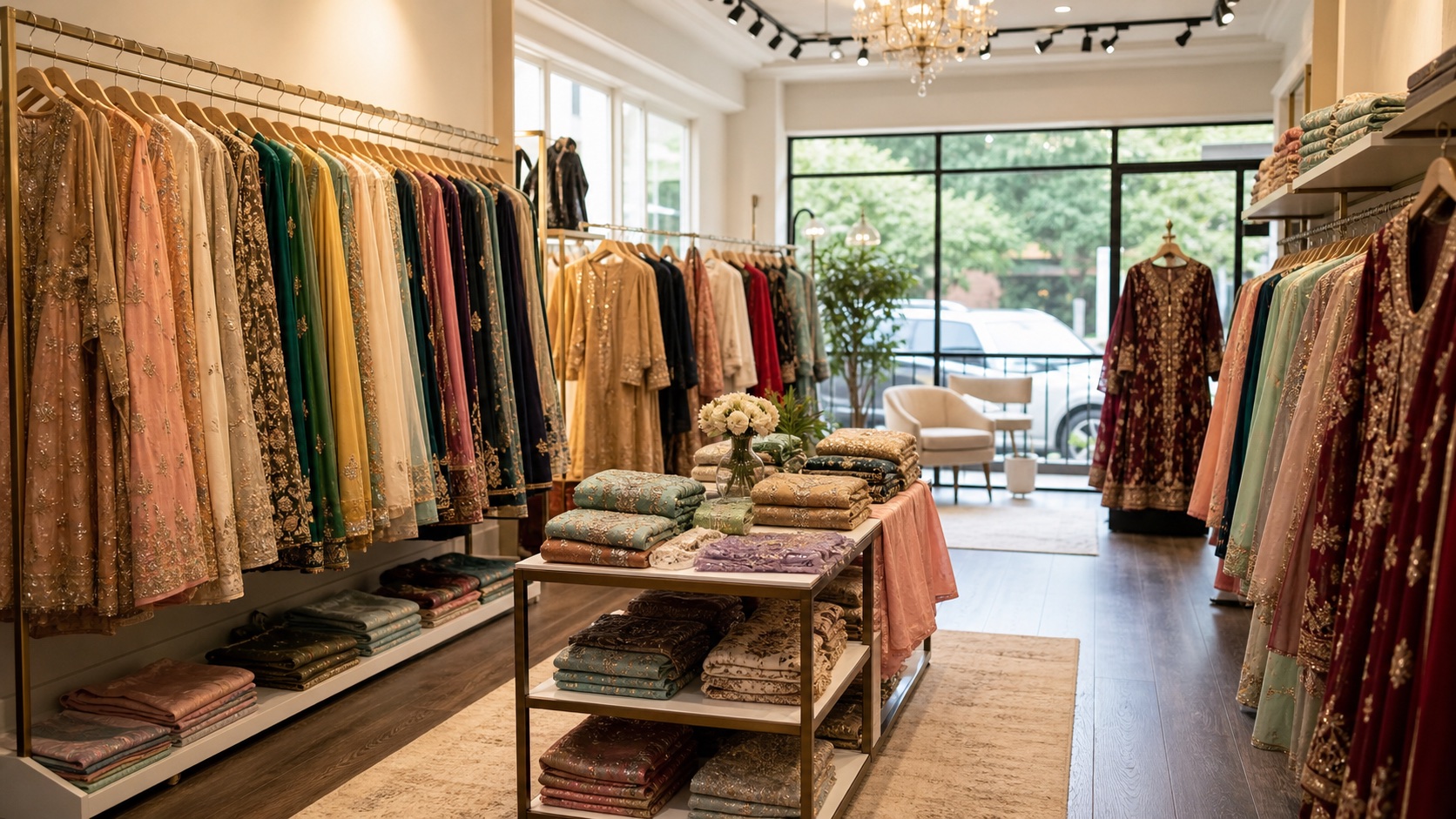
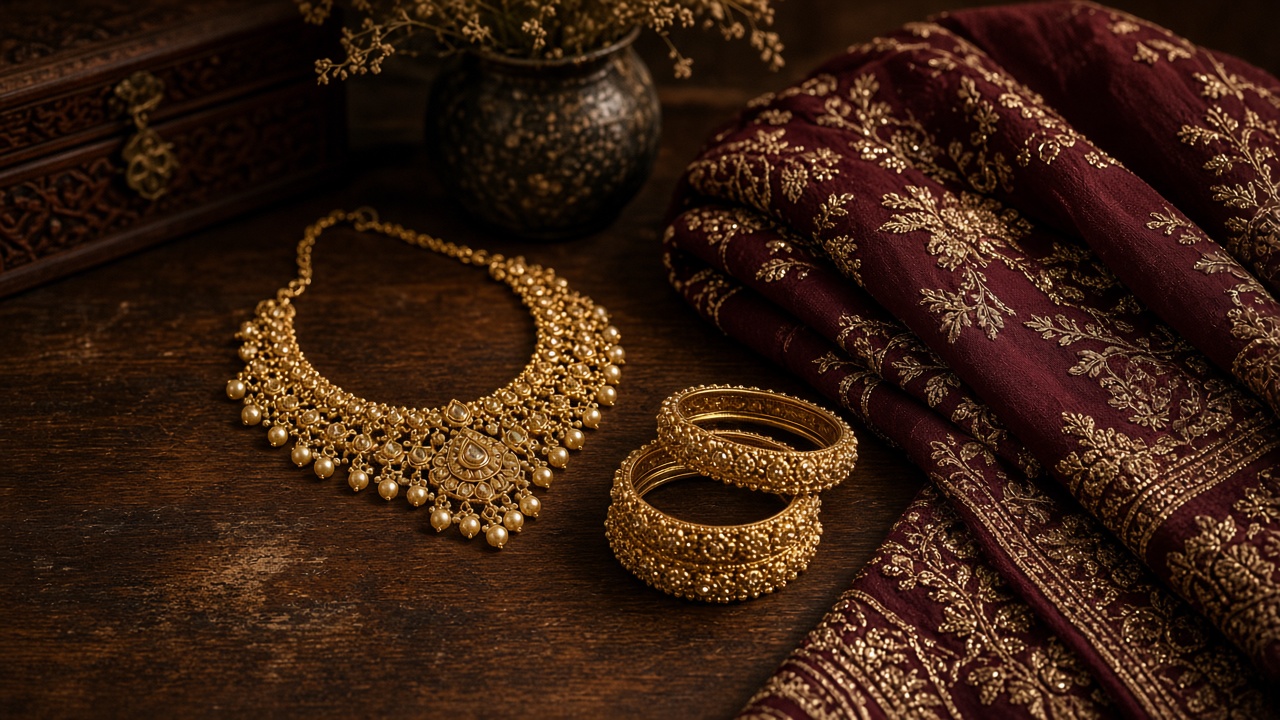
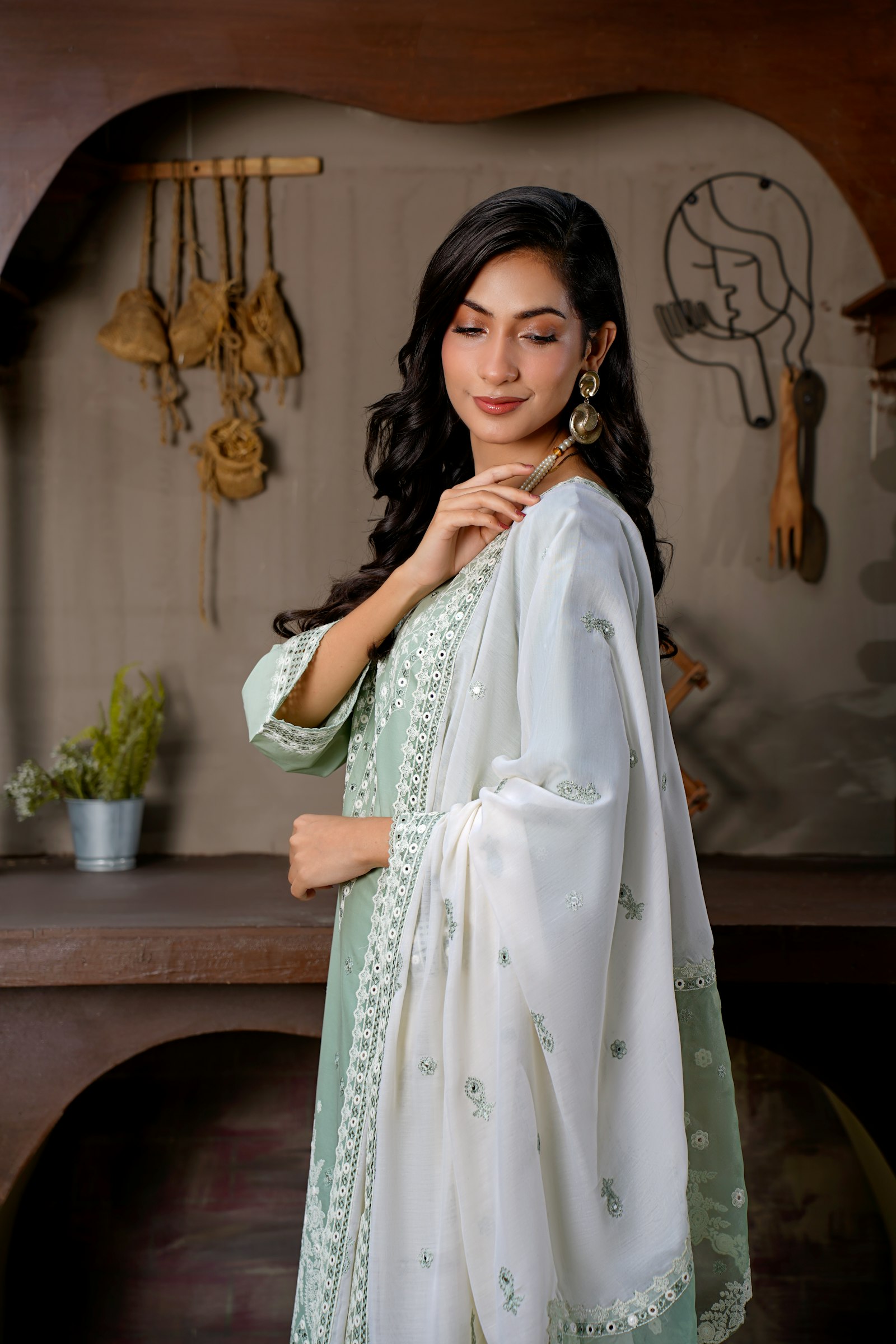
The lookbook was shot on a Lahore terrace in April light. Your Eid morning is a Minnesota parking lot, a Houston mosque courtyard, or a Bay Area wind that cuts through chiffon. The outfit is not wrong. The climate brief was never written for the photograph.
Pakistani American Eid dressing fails most often at the doorway: beautiful fabric, wrong thermal load, then a rushed coat that ruins the line. Plan the outfit as a system—base layer, statement piece, weather shell, footwear—rather than as a single curated flat-lay. This is a climate-dressing guide for diaspora Eid mornings in the United States. Fabric and care claims follow FTC labelling guidance; weather planning follows National Weather Service and Ready.gov pages checked around September 2026.
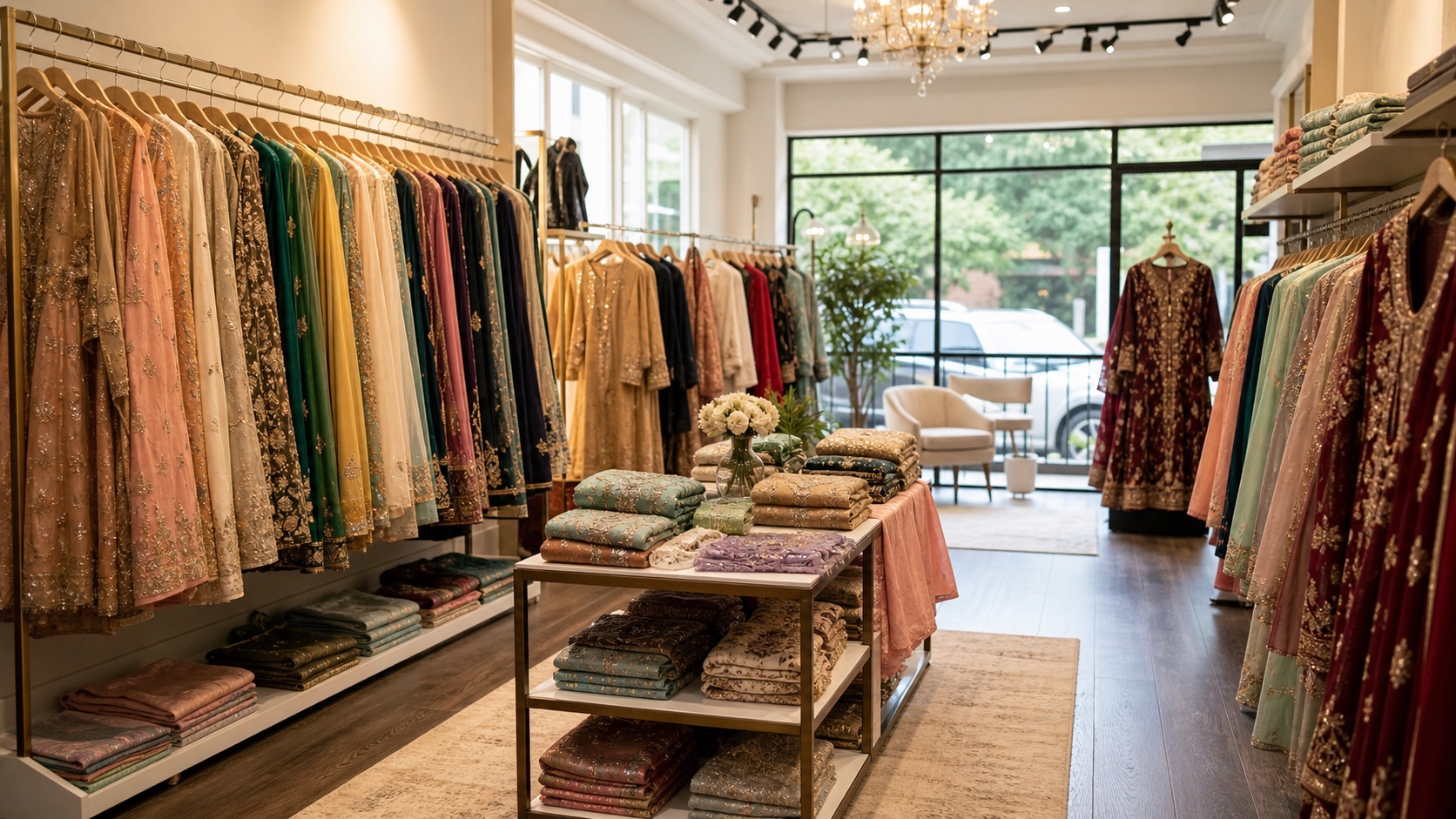
Write the climate brief before you open the lookbook
Open weather.gov for your ZIP code the night before and again in the morning. Note three numbers that product photos never print: temperature at the outdoor photo window, wind, and whether rain or ice will meet the car door. Use NWS heat safety awareness when Eid falls in summer, and Ready.gov winter weather habits when ice is possible.
Then write one sentence that replaces the lookbook caption. Examples that actually help a tailor or a teenage relative: “Chicago March Eid, 28°F at 8 a.m., windy courtyard walk, indoor AC later.” Or: “Houston June Eid, heat index over 100°F by noon, shade scarce between car and door.” Or: “Bay Area Eid, 55°F and gusty at the mosque steps, warmer inside.” The sentence is the brief. Everything else is decoration.
Read fabric by weight, not by brand season
Lawn and light cotton breathe in humid heat and fail in wind. Silk and satin look formal and chill quickly in air conditioning. Velvet and heavy silk blends hold warmth for cold Eid mornings but punish Houston midday. Soft net and chiffon dupattas behave like sails in parking-lot gusts; a heavier border or shorter outdoor drape is not a style failure, it is physics.
Choose the statement fabric for the hour you will be outdoors longest, then support it with layers you can add or remove indoors. A velvet gharara that looked correct in a Lahore winter catalogue can be the wrong tool for a Florida Eid that begins in a hot car park. A lawn set that looked correct for Karachi April can be misery in a Detroit dawn. The garment is not universal. The ZIP code decides.
Care labels travel with the garment. FTC Care Labeling Rule guidance explains why US-sold apparel generally carries care instructions; follow them when you steam or spot-clean before prayer rather than inventing chemistry on white lawn. If the set arrived from Pakistan without a US-style care label, treat heavy embroidery as dry-clean or gentle steam only until a tailor or cleaner you trust advises otherwise. Hotel irons and midnight stain experiments are how Eid mornings become laundry grief.
Build a layer stack that still reads as Eid
- Base: thin thermal or cotton layer in colours that will not show through light lawn; seamless where possible so the silhouette stays clean under photography.
- Statement: the embroidered piece you came to wear—the reason the lookbook existed.
- Mid: light shawl, soft cardigan, or structured jacket that can stay on in cold halls without looking like you abandoned the outfit.
- Shell: a coat you accept will appear in candid photos; choose length that covers the hem you care about, and a closure you can manage with cold fingers.
- Feet: soles that survive wet pavements; keep delicate khussas for indoor carpet if streets are slush.
Kids need the same system with more spare socks and a spare mid-layer in the car. Adults need pockets or a small bag for phones so hands stay free for children and greetings. Hosts moving between kitchen and door need shells that come on and off without a twenty-minute rebuild; guests who only sit and photograph can afford a more fragile stack.
| US climate problem | Fabric tendency | System fix |
|---|---|---|
| Cold dry morning | Lawn and chiffon freeze the wearer | Thermal base + coat; brief coat-off photos only |
| Hot humid midday | Velvet and heavy silk overheat | Lighter statement; shade plans; water between car and door |
| Wind | Dupatta becomes unmanageable | Secure pins; heavier border; shorter outdoor time |
| Hard indoor AC | Sweat then chill | Mid layer in bag; not only a coat for outdoors |
| Wet spring curb | Trailing hems drink mud | Temporary walking hem outdoors; towel in the car |
Prayer movement beats flat-lay elegance
Mosque courtyards and prayer halls have their own dress expectations. A coat that is fine for a restaurant may be awkward in sajdah if it is bulky or trailing. Test sitting, bending, climbing stairs, and buckling a child into a car seat in the full system at home. If you wear a sports-style under-cap under a decorative hijab for wind, make sure the combination still looks intentional for Eid, not like cardio leftovers under formal fabric.
Metal jewellery gets painfully cold in northern parking lots and then clammy indoors. Warm pieces in a coat pocket on the way in if needed. Handbags should close securely against wind and have room for a compact umbrella. Avoid dangling pieces that catch on car doors while you manage children in formalwear.
Sherwanis and waistcoats layer differently from lawn kurtas. A thermal base under a cotton kurta is often invisible and decisive in March northern weather. Waistcoats add formality and warmth; heavy sherwani fabric can be enough outdoors but stifling in crowded prayer halls. Carry the topi in a way that survives hugs. Shoes that survive wet car parks matter as much as the embroidery on the collar. Keep fragrance light for packed prayer spaces; what smells elegant in an empty bedroom becomes oppressive in a full hall.
Dupatta engineering for wind, hugs, and teenagers
Eid is full of embraces. Secure the dupatta at points that survive hugs without a twenty-minute rebuild. Hidden snaps, firm safety pins on a base outfit, or a style that drapes shorter outdoors can save the morning. Carry one spare pin card in the bag, not in the boot under the cooler. Teach teenagers the same habit; they are the ones most likely to chase photos in wind and then spend Maghrib rebuilding a ruined drape.
Wet US spring Eids destroy trailing hems at the car door. Pin or alter a temporary walking hem for outdoor segments if you must, then release for indoor photos if needed. Carry a small towel in the car for shoes. Mud on a white salwar will dominate the memory more than perfect embroidery placement. Umbrellas should be dark or coordinated enough that you do not mind them in photos. Clear disposable ponchos are ugly and useful; keep one in the boot for sudden storms rather than inventing coverage from a relative’s scarf.
Grey American light is not a tailor failure
Overcast Eid mornings mute colours that looked electric under Pakistani sun in a product photo. If outdoor light is flat, lean on richer jewel tones or add a mid-layer with depth rather than blaming the tailor. Phone cameras also over-sharpen embroidery; check the real fabric in daylight at home before you decide it “looks dull” and start an argument that is really about Midwest cloud cover.
Tell family photographers the weather plan out loud. Five minutes of outdoor photos with coats off, then coats on for the walk, is kinder than a twenty-minute shoot that leaves someone sick for lunch. Elders are not props for chiffon movement. If the wind is sharp, take the prettier photos indoors against a clean wall and stop performing Lahore weather in a Chicago car park.
Hour-by-hour rehearsal the night before
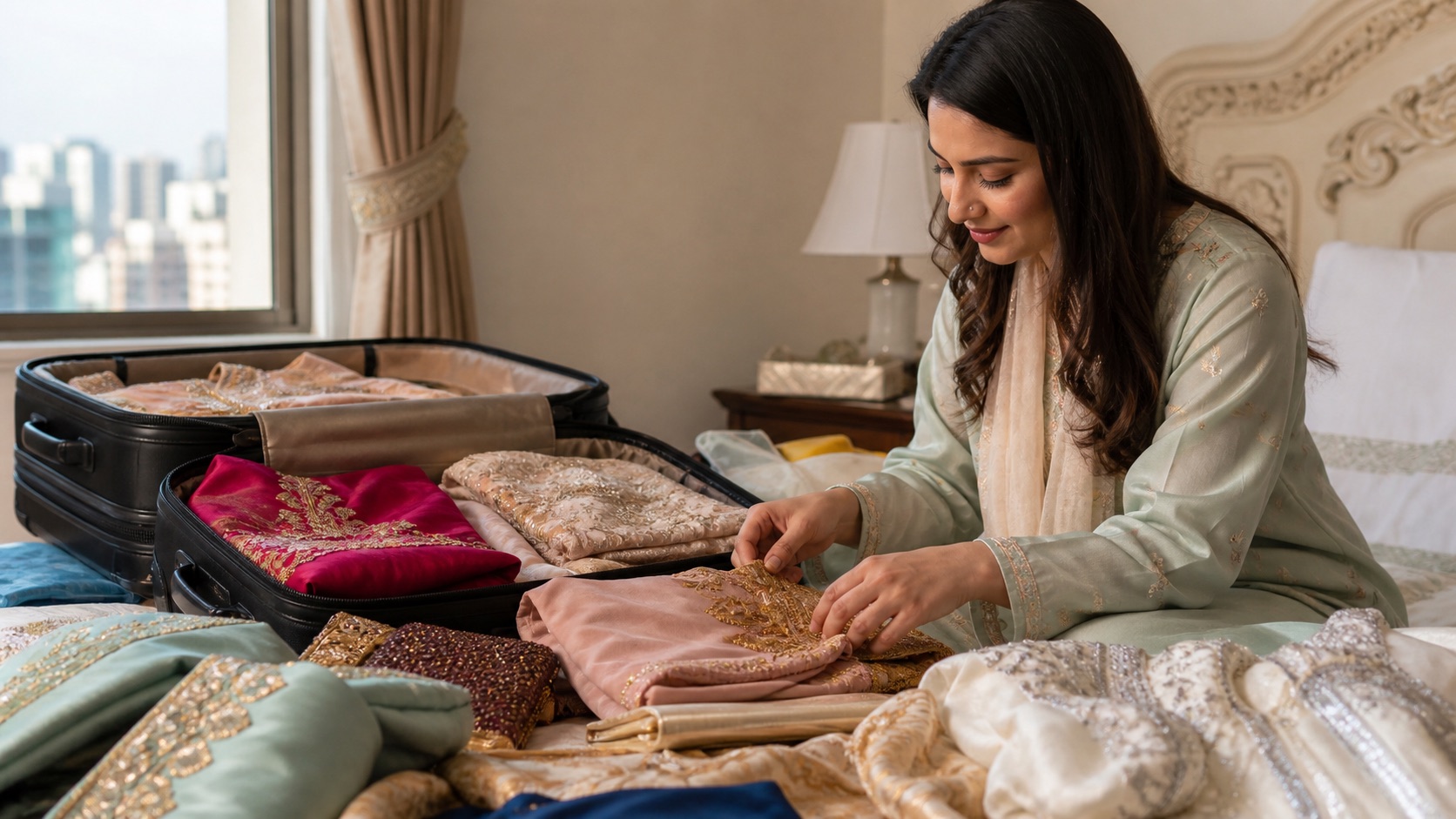
Lay the full stack on a chair in the order you will put it on: base, statement, mid, shell, shoes, bag, pin card. Walk the doorway sequence once: coat on for the car park, coat off for photos, coat on for the mosque walk, mid layer ready for indoor AC. If any step requires three hands, redesign before dawn. Eid mornings punish improvisation more than they punish a slightly simpler outfit.
Brief the tailor like a meteorologist, buy like a sceptic
Give the climate brief when ordering. “Eid outdoors in Chicago in March” is more useful than “make it bridal fancy.” Ask for sleeve ease over base layers, hem clearance for boots, and dupatta weight that will not fly. If ordering from Pakistan for US wear, budget time for alterations after arrival and try-on in the actual weather layer you will use. A perfect Lahore hem can be a sidewalk mop over American winter boots.
US boutiques and online sellers vary. Prefer clear fibre content, measurements, and return windows. FTC online shopping caution applies when a “Eid lawn set” listing is vague about fibre, measurements, or return terms. Leave alteration time for hems that must clear wet sidewalks. Do not assume a Pakistan-tailored length works over US winter boots, and do not assume a US return window will save a custom piece ordered three weeks late.
Northern winters and Midwest freeze ask for thermal bases and serious coats. Southern heat and humidity ask for breathable statements and shade. Coastal wind asks for dupatta discipline. Mountain mornings can start cold and warm fast; bring the mid-layer even if the afternoon lookbook is lawn. Your own ZIP code history beats a national stereotype about “American weather.”
Eid clothes can keep their Pakistani formality in American weather when you plan layers and check the forecast with the same seriousness you give embroidery. The lookbook is inspiration. The ZIP code is the brief.
Sources and official profiles
Was this helpful?
Keep reading
Related stories
More from this desk, this beat, and the tags on this piece.
Pakistani maternity occasionwear: comfort without buying a one-night outfit
Zainab Noor · 13 Sep 2026
Readers
The conversation
0 notes
Anyone can leave a note. Guests add a name and email — no account required, and the email is never published.
No notes yet. Yours would be the first.