Lawn, cambric and voile are not the same fabric: a Pakistani summer textile guide
Lawn, cambric and voile overlap, but they are not interchangeable. The useful differences are density, yarn twist, opacity, drape and the job the fabric is meant to do.
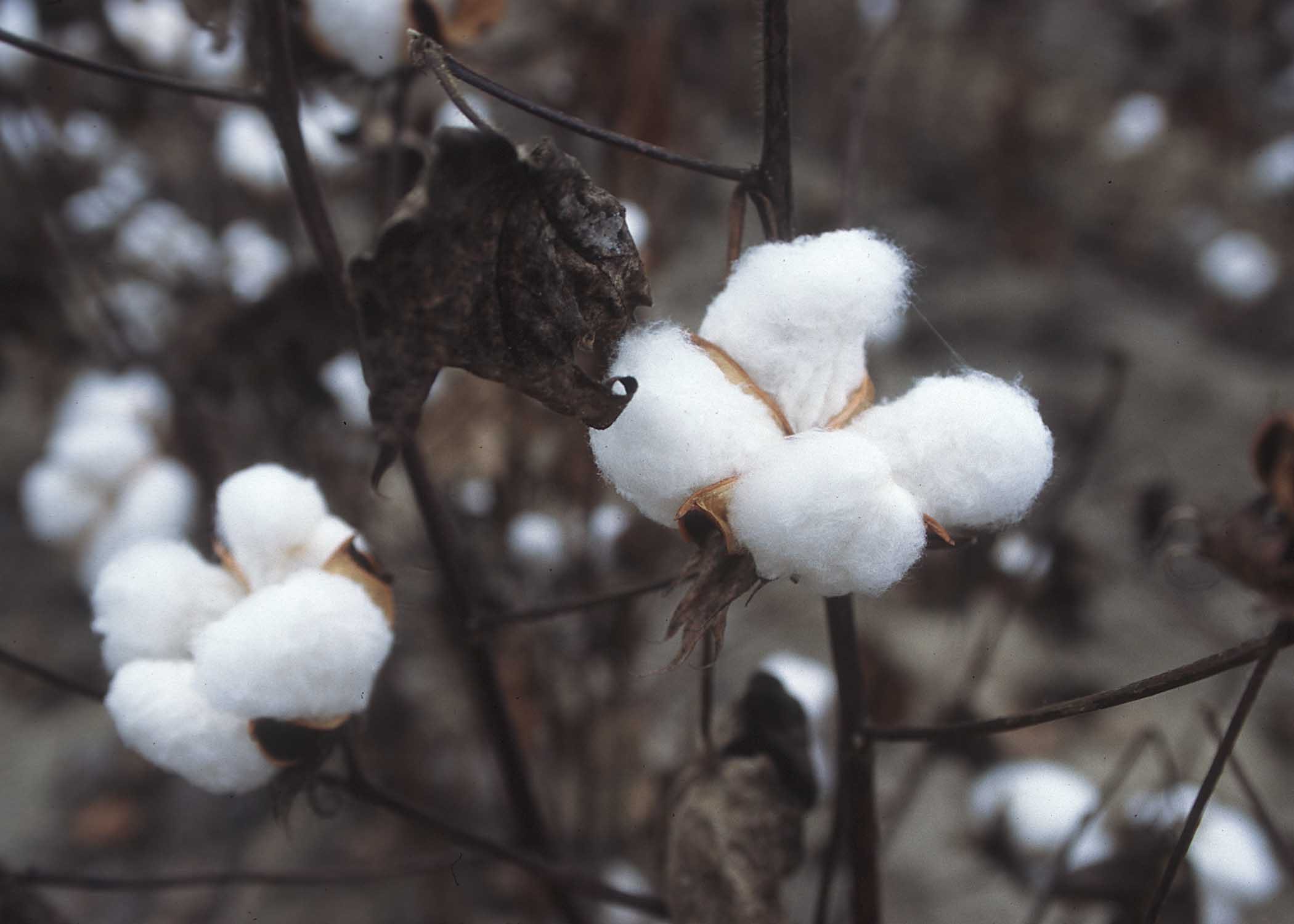
Pakistani summer fashion uses the words lawn, cambric and voile so casually that shoppers can assume they are grades of the same cloth. They are better understood as overlapping families of lightweight plain-weave fabrics whose yarn, density and finishing create noticeably different behaviour.
No single international rule fixes every commercial fabric sold under these names. Textile suppliers themselves warn that the labels overlap. That makes construction, weight, opacity and hand more informative than the name printed on a packet.
What lawn actually describes
Cotton lawn is generally a fine, light plain weave made from relatively fine yarns and woven densely enough to give a smooth, clean face. The close surface is one reason detailed printing works well on lawn and why it became central to Pakistan's printed summer-suit market.
Commercial lawn can be crisp or soft depending on finishing. A heavily finished lawn in a showroom may soften after washing, so judge the underlying weave as well as the first-touch sensation.
How cambric differs
Cambric is also a fine plain weave, but Pakistani trade descriptions commonly place it slightly denser or more substantial than lawn. It tends to feel smoother, more matte and a little more opaque, which can make it useful for embroidered shirts and shoulder-season clothing.
Because the terms are not protected specifications, some sellers use cambric for cloth that another supplier would call lightweight poplin. Weight in grams per square metre and a real swatch are more reliable than the marketing word alone.
Why voile looks and feels airier
Voile is designed around lightness and transparency. It is usually woven from fine, more highly twisted yarns at a comparatively open set, creating a dry, airy hand and a degree of sheerness that is intentional rather than a defect.
That construction makes voile excellent for dupattas, linings where minimal bulk is needed and layered summer clothes, but less suitable when the wearer expects one opaque layer.
Weight is useful, but it is not the whole story
Two fabrics with similar GSM can behave differently because yarn count, twist and weave density distribute that mass differently. A closely woven lawn may look more opaque than a voile of similar nominal weight.
When shopping online, use weight, width and composition together. If the seller publishes only 'premium lawn', you still do not know how sheer, tightly woven or heavily finished the cloth will be.
Breathability is more than thinness
Air movement depends on porosity, fibre, moisture and garment cut. A very open cotton voile can pass air readily, while a tightly woven lawn can still feel comfortable because cotton absorbs moisture and the garment is loose.
Dense embroidery, synthetic lining and fitted cuts can make an otherwise light summer fabric feel hot. Evaluate the completed outfit, not only the base cloth.
Opacity and lining decisions
Pale colours and open weaves transmit more light. Hold a single layer against daylight before deciding that a fabric can be worn unlined. The amount of lining needed also depends on body area and personal modesty preference.
A full polyester lining can remove much of the comfort gained from buying breathable cotton. Cotton voile, fine lawn or partial lining can preserve more airflow where the construction allows it.
Printing and embroidery behave differently on each cloth
Fine close surfaces carry small print detail cleanly. Embroidery adds weight and punctures the cloth, so extremely light bases may need backing or restrained stitch density.
A cambric base may support heavier embroidery with less distortion, while voile's open structure works better for light motifs and movement than for dense surface work.
Stitching considerations
Fine cottons benefit from a sharp, fine machine needle and balanced tension. Large needle holes, rough feed dogs and excessive unpicking can mark delicate cloth permanently.
Prewash when the maker or seller recommends it, particularly for cotton that may shrink. A tailor needs to know whether the fabric has already been washed before fixing a final trouser or kameez length.
How to read Pakistani lawn listings more critically
Look for fibre content, component lengths, width, embroidery placement, dupatta material and whether the product is unstitched or semi-stitched. 'Lawn suit' can describe a package containing several completely different fabrics.
If the shirt is lawn but the dupatta is chiffon and borders are organza, those components will have different care, heat and handling needs.
When each fabric makes most sense
Choose lawn when you want a light printed body fabric with a clean surface; cambric when you prefer a slightly more substantial cotton with easier opacity; and voile when transparency and airy drape are part of the design.
The categories overlap, so treat that sentence as a practical tendency rather than a laboratory boundary.
What the evidence can and cannot tell you: Lawn, cambric and voile are not the same fabric
Published textile guides provide useful construction ranges, but the commercial names remain inconsistent across mills and retailers. A physical swatch or measured weight and weave specification is the best way to confirm what a seller means.
For lawn vs cambric vs voile Pakistan, the most useful approach is to separate verified material facts from shop language, inherited terminology and aesthetic preference. Where a label has a legal or technical meaning, read the fibre or product disclosure. Where the term is cultural rather than standardised, ask the seller what construction, material and process they actually mean.
A practical PakStyles checklist: Lawn, cambric and voile are not the same fabric
- Check fibre content, not only the fabric name.
- Ask for GSM or a daylight opacity photograph if buying online.
- Confirm whether the dupatta is the same fabric as the shirt.
- Budget for lining before deciding which option is coolest.
- Prewash according to the seller or tailor's guidance before final hemming.
The practical advantage of understanding lawn, cambric and voile is not winning a terminology argument. It is knowing what will feel cool, how much will show through, how the cloth will stitch and whether the finished Pakistani suit will behave the way the product photograph suggests.
A better comparison method: Lawn, cambric and voile are not the same fabric
When comparing two options around lawn vs cambric vs voile Pakistan, use the same criteria for both: material, construction, dimensions, care, comfort, origin, expected lifespan and price. Marketing categories become much less confusing when every candidate is placed on the same practical grid.
The reader's final decision: Lawn, cambric and voile are not the same fabric
The strongest reason to learn about lawn vs cambric vs voile Pakistan is not to police other people's terminology. It is to make a purchase, styling choice or care decision with fewer surprises. Technical knowledge should create flexibility rather than another authenticity exam.
How to separate the name from the material reality: Lawn, cambric and voile are not the same fabric
With lawn vs cambric vs voile Pakistan, the first useful habit is to separate the market name from the physical object. Retail and cultural vocabulary can carry history, prestige and regional meaning, but a buyer still needs to know fibre, construction, dimensions, finish, weight, fastening or production method where those details affect use. That distinction prevents a descriptive word from doing more work than it can support.
Specific to lawn, cambric and voile are not the same fabric, For a practical purchase or styling decision, write down what the object must do before judging what it is called. A shawl may need warmth without bulk, a dupatta may need grip, a formal coat may need to survive six hours of sitting and movement, and a textile may need to tolerate ordinary cleaning. Those jobs are measurable even when terminology overlaps.
What a trustworthy seller or maker should be able to explain: Lawn, cambric and voile are not the same fabric
A strong seller response to questions about lawn, cambric and voile are not the same fabric should become more specific as the price rises. You should be able to ask what the material is, where it was produced, whether work is hand or machine made, what dimensions are supplied, how the item should be cleaned and which parts of the description are traditional names rather than regulated specifications.
Why photographs can mislead even when they are not edited: Lawn, cambric and voile are not the same fabric
Campaign photography changes how lawn, cambric and voile are not the same fabric is perceived. Studio light increases sheen, pins create temporary drape, steaming removes handling marks and model proportions can make a garment or accessory appear lighter, longer or more structured than it will in ordinary use. None of that requires deceptive editing; it is simply the difference between styling and specification.
How climate and diaspora use change the decision: Lawn, cambric and voile are not the same fabric
Pakistani clothing and craft products often move between climates. lawn, cambric and voile are not the same fabric may be produced with Lahore, Karachi, Multan or Peshawar conditions in mind and then worn in Birmingham, Manchester or Glasgow. Heating, rain, winter coats and long indoor events change what feels practical even when the cultural setting is the same.
Handmade variation versus poor quality: Lawn, cambric and voile are not the same fabric
Hand production connected to lawn, cambric and voile are not the same fabric can leave small differences in repeat placement, stitch tension, dye tone or surface finish. Those variations may document process rather than negligence. The useful question is whether the variation is structurally harmless and visually consistent with the making method.
Care is part of value: Lawn, cambric and voile are not the same fabric
The cost of lawn, cambric and voile are not the same fabric is not only the checkout amount. If the item needs specialist cleaning, careful flat storage, tissue padding, regular repair or a climate-controlled place to avoid damp, those demands belong in the ownership calculation.
Specific to lawn, cambric and voile are not the same fabric, Keep the care label, seller instructions and spare material together. For formalwear and handmade textiles, photograph the piece before the first clean and save details of any alteration or repair. That record can extend usable life and makes future professional care less guess-based.
How to judge authenticity claims without becoming a laboratory: Lawn, cambric and voile are not the same fabric
Most consumers cannot chemically identify fibre or date a textile at home, and they should not be expected to. For lawn, cambric and voile are not the same fabric, use several modest signals together: accurate labelling, plausible pricing, maker or region information, construction details, clear photographs and a seller willing to answer technical questions.
What modern adaptation gets right: Lawn, cambric and voile are not the same fabric
Contemporary versions of lawn, cambric and voile are not the same fabric can simplify production, reduce price, change fibre or adapt the format for new wardrobes. That does not automatically make them culturally empty. Living traditions survive partly because makers and wearers change how forms are used.
Sources and official profiles
Filed under
Was this helpful?
Keep reading
Related stories
More from this desk, this beat, and the tags on this piece.
Chiffon, organza, georgette or voile: which dupatta fabric behaves how
Zainab Noor · 17 Oct 2026
How to care for gota, zari and metallic embroidery without stripping the shine
Zainab Noor · 15 Oct 2026

Pakistani clothes alterations in the UK: what a tailor can usually fix
Zainab Noor · 8 Oct 2026
Readers
The conversation
0 notes
Anyone can leave a note. Guests add a name and email — no account required, and the email is never published.
No notes yet. Yours would be the first.