Second-hand lawn suits in the UK: inspecting quality before Eid
Inspect second-hand lawn suits in the UK before Eid: seams, sun fade, odour, opacity, alteration time, and how trader returns differ from private sales under Citizens Advice framing.

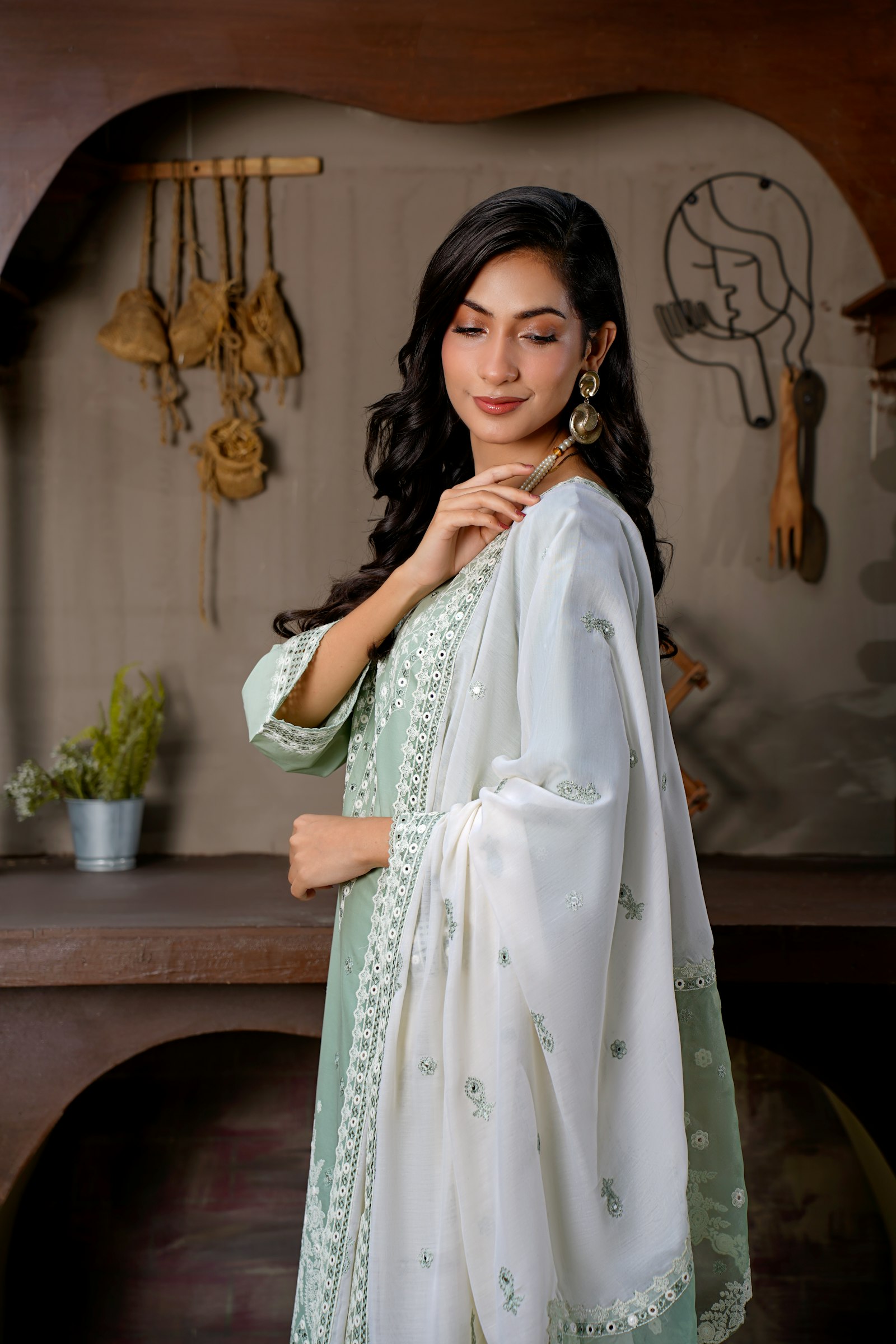
Eid week is a harsh lighting test. A lawn suit that looked soft under a reseller’s yellow bulb can show sun-bleached panels, pulled embroidery and a perfume ghost nobody warned you about once you hang it beside a white wall at home. Buying second-hand is often the only way a British Pakistani wardrobe gets fresh colour without a full boutique price, but the bargain only holds if you inspect like a tailor with a train to catch, not like a shopper scrolling “nearly new” captions.
This is an inspection method for lawn, chiffon-adjacent lawn mixes, and embroidered two- or three-piece sets sold in UK charity shops, Facebook Marketplace collections, Vinted-style listings, and South Asian resale racks. It does not rank sellers. Facts about returns were checked against current Citizens Advice consumer guidance around September 2026; they are general orientation, not advice for your particular purchase.
Before money leaves your account
- Ask what “as described” actually covers. Size labels on South Asian lawn are inconsistent across decades and brands. Demand bust, waist, hip, shirt length, and trouser or shalwar rise in centimetres, or refuse the listing. A photo of the care label and of the suit flat on a floor with a measuring tape in frame beats three mirror selfies.
- Separate trader from private seller. Buying from a business (including many charity shops and online traders) usually brings Consumer Rights Act standards: goods should be of satisfactory quality, fit for purpose, and as described, with “satisfactory” judged against age, price and disclosed wear. A private individual sale is closer to “buyer beware,” with a thinner safety net if the only problem is that you changed your mind. Citizens Advice’s pages on returning faulty goods are the practical starting point for England; check the matching pages if you are in Scotland, Wales or Northern Ireland. Wider consumer help sits on the Citizens Advice consumer hub.
- Get the return window in writing before you travel. A “no returns on ethnic wear” sign does not erase statutory rights when goods are faulty and sold by a trader, but change-of-mind policies are a shop’s own rules. If you need a size swap after Eid fittings at home, confirm that policy while the suit is still on the rail. Citizens Advice also publishes separate guidance on changing your mind about a purchase, which is a different track from faulty-goods rights.
Hands-on checks that catch Eid disasters
- Seams and stress points. Turn the kameez inside out. Look at underarms, side seams, zip or hook plackets, and the crotch curve of the trousers. Pull gently along the grain; a whisper of open stitching now becomes a split when you sit for dua. Check that embroidery threads are anchored, not floating, at cuff and neckline edges.
- Sun fade and panel mismatch. Hold the front panel against a sleeve and against the dupatta. Uneven purple, green or pink that “warms up” only on the chest is classic window fade. Compare left and right borders on heavily printed lawn; replacements cut from a different bolt show at wedding photographs.
- Odour and storage. Smell the underarm, the hem, and the fold lines of the dupatta. Smoke, heavy perfume, damp cupboard and moth treatment all travel into a small UK flat. A light airing may clear shop scent; a sour or chemical smell after a short hang outdoors is a walk-away signal if you have asthma or scent-sensitive elders at the Eid table.
- Opacity and lining honesty. Stand near a bright window in the changing area (or ask the seller to do so on video). White and pastel lawn that needs a slip should be priced and described that way. Missing bloomers, cracked drawstrings, or a dupatta with pulled silver work belong in the price conversation before you pay, not after.
- Alteration reality against the calendar. A skilful UK darzi can take in side seams; they cannot invent missing length the night before Eid salah. If the shirt is short on the seller’s tall model, measure against a garment you already wear rather than hoping the mirror lies less at home.
| Fault | Often salvageable before Eid? | Walk-away signal |
|---|---|---|
| Loose side seam, intact fabric | Yes, if a tailor has days free | Open stitching at crotch or underarm with thinning cloth |
| Mild shop perfume | Sometimes, after airing | Sour damp or chemical smell that survives outdoor hang |
| Slight hem unevenness | Yes | Sun-bleached chest panel vs darker sleeves |
| Missing slip for pastel lawn | Yes, if you budget one | Seller denies sheerness you can see in daylight |
| Short kameez on your frame | Rarely | Any promise that “it will stretch” |
Where British Pakistani buyers actually find lawn
Charity-shop rails in cities with large South Asian populations sometimes carry embroidered lawn in spring, but stock is unpredictable and sizing is chaotic. Specialist South Asian resale evenings and Marketplace “collection only” posts near Birmingham, Manchester, Bradford, East London, and Luton corridors move volume faster. University-town groups lean younger and may price more hopefully than the garment deserves. None of those scenes is a ranking. They are reminders to match your travel time to how thoroughly you can inspect.
If you are driving across town for a £40 suit, budget parking and a friend who will say no. If you are collecting after work in the dark, bring a phone torch and still insist on a daylight photo before you transfer money. Nighttime hallway lighting flatters everything.
Online listings need a stricter script
Ask for measurements in centimetres, a care-label photo, a daylight colour shot, and a video that pans seams while the garment is turned inside out. If the seller refuses all of that, treat the listing as entertainment. For collection-only deals, take a friend who will say no out loud, and inspect before you transfer money. Screenshot the advert and chat before you pay; those captures are your description evidence later.
If you bought online from a trader rather than a private individual, your rights may include distance-selling cooling-off rules in addition to faulty-goods rights. Confirm who the seller is: business name and address matter. Marketplace badges are not a substitute for knowing whether Consumer Rights Act protections apply.
Fabric notes that change the inspection
Pure cotton lawn breathes and creases. Embellished lawn with chiffon panels can catch differently under light and may need different opacity checks. Mirror-work and sequins hide pulled threads until you tilt the garment; run a soft hand along borders. Block-print lawn that has been sun-faded on one face often still looks strong on the reverse; that is useful information for a darzi who can turn a cuff, and a warning if the fade sits on the chest panel you cannot hide.
If the listing says “luxury lawn” without a fibre content label, ask. Polyester mixes can look sharp in photos and feel plasticky in a warm Eid hall. Neither is automatically wrong; misdescription is. Write the fibre answer into the chat before you travel.
Check the dupatta separately. Many “three-piece” listings quietly ship a different dupatta than the one in the hero photo, or a shorter scarf cut from leftover border. Measure dupatta length against your usual drape. A short dupatta that only works as a belt is not a styling opportunity on Eid morning; it is a missing piece.
After you buy: airing, pressing, and Eid week logistics
Hang the suit outdoors or near an open window before it enters a wardrobe shared with prayer clothes. Spot-press seams on low heat with a pressing cloth; lawn scorches. If embroidery has metal work, press from the reverse. Do not perfume the garment heavily to “reset” someone else’s scent; you will only layer smells.
Book a tailor the day you buy if side seams need taking in. Eid week appointments vanish. Carry the shoes you will wear to salah when you are fitted. A hem that clears trainers may drag on sandals.
Price signals that are not proof of quality
A high asking price does not guarantee intact seams. A low price does not automatically mean the suit is ruined. Judge the garment against the inspection table, then decide whether the seller’s number still makes sense after you budget a slip, a tailor visit, and dry cleaning if the embroidery needs it. If the math only works when you pretend alterations are free, walk away and keep looking.
If something is wrong after you buy
Photograph the fault in daylight, keep the receipt or listing screenshot, and contact the trader promptly. Citizens Advice explains that rights can apply to second-hand items as well as new ones when the goods are not of satisfactory quality, not fit for purpose, or not as described, and that you generally will not have those rights for problems you were clearly told about, should have spotted on a reasonable inspection, or caused yourself. Private sales are a different risk profile: inspect harder, assume fewer remedies, and treat “collection only, worn once, no returns” as a warning, not a dare.
A second-hand lawn suit earns its place on Eid morning when the seams hold, the colour matches across panels, the smell is yours to choose, and you knew, before the till beep, what happens if it does not.
Sources and official profiles
Was this helpful?
Keep reading
Related stories
More from this desk, this beat, and the tags on this piece.
Pakistani formalwear for a British wedding: groom and guest options
Zainab Noor · 13 Sep 2026
Pakistani maternity occasionwear: comfort without buying a one-night outfit
Zainab Noor · 13 Sep 2026
Readers
The conversation
0 notes
Anyone can leave a note. Guests add a name and email — no account required, and the email is never published.
No notes yet. Yours would be the first.