UK bridal jewellery brands for a Pakistani wedding
Compare UK bridal jewellery for kundan and polki-style work, jhoomars, naths and lighter reception pieces—buying the architecture on a moving person, not a velvet tray.
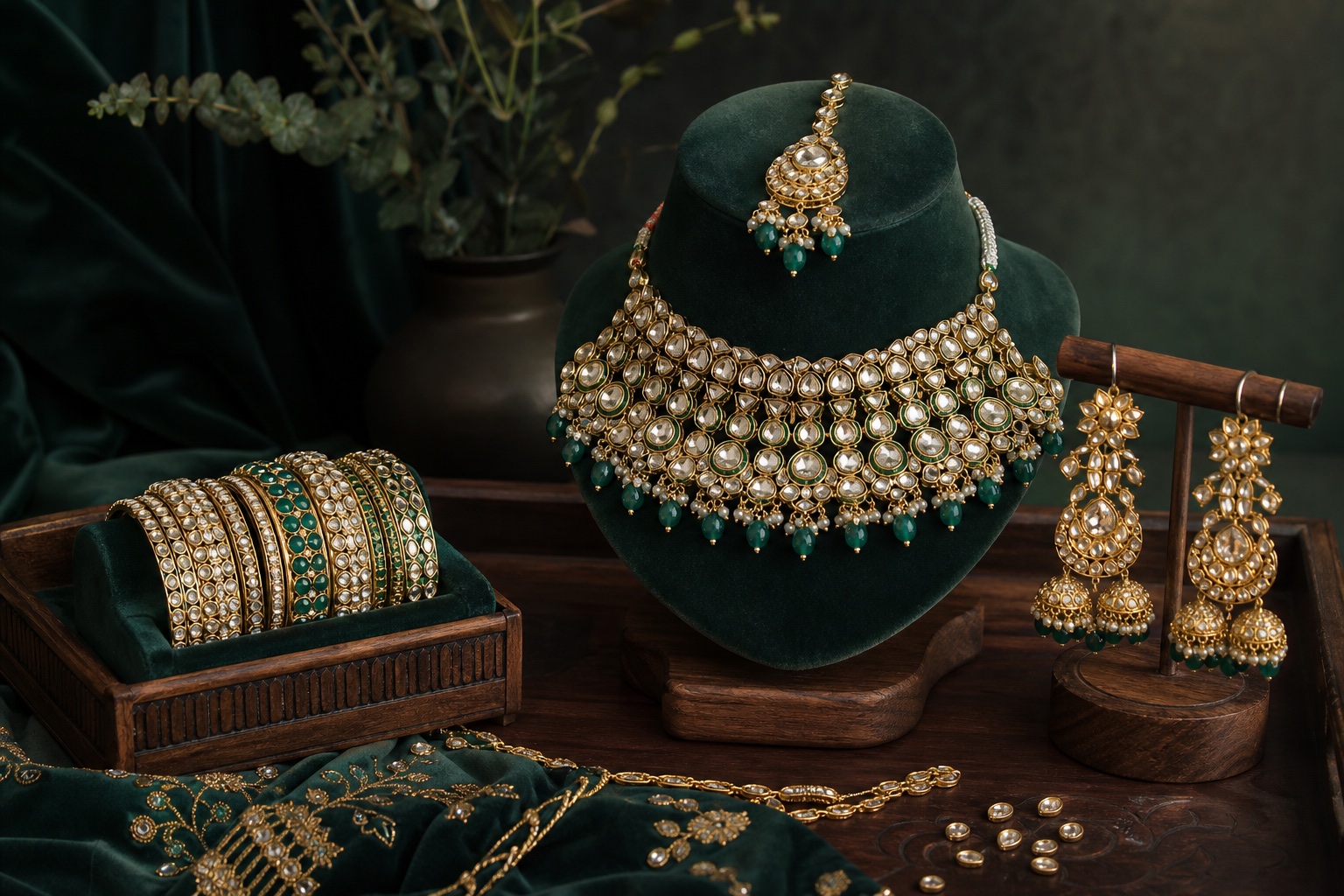
Bridal jewellery is architecture placed on a moving person. A necklace must clear the neckline, a tikka needs a secure centre parting, a jhoomar changes the balance of a dupatta, and a nath can become unbearable before the first family photograph. Buy the whole relationship, not a set seen alone on velvet. Costume, plated, sterling-silver and fine-jewellery purchases also require different expectations about materials and value.
This page does not treat gold-plated jewellery as investment gold, and it does not use heritage language to blur the materials actually being sold. Ask for composition in writing. Inclusion of a retailer is not an endorsement of every set in its catalogue.
Build the look from the neckline outward
Take the blouse or neckline photograph, dupatta plan, hairstyle and exact event into an appointment. Test every piece together and then remove one: bridal styling often improves when the face has room. A heavy haar that looks complete on a bust can collapse a lightweight blouse or fight a high neckline. A pair of statement earrings may make a full choker unnecessary.
Move while you test. Sit, stand, hug, raise arms as if greeting elders, and turn your head as if looking for a photographer. Jewellery that only works in a still pose will fail in a Pakistani wedding hallway.
| Piece | What to test | Failure mode |
|---|---|---|
| Haar / necklace | Clears neckline while seated; clasp security | Pulls blouse or flips during greetings |
| Tikka | Stays with parting; weight tolerance | Slides on oily hair or presses forehead |
| Jhoomar | Balance with dupatta pins | Twists, catches, or overpowers one side |
| Nath | Comfort after twenty minutes | Unwearable by the first photograph block |
| Bangles / kalire | Can eat, greet, and hold a glass | Noise and sna
Clasps, backs and the physics of greetingPakistani wedding greetings involve embraces, raised hands and sudden turns toward elders. Clasps that look secure on a bust form can open when a haar swings. Ask to see the clasp type and whether a safety chain is included or can be added. Earring backs should match the weight of the front; pretty fronts with weak backs become lost earrings by dinner. If you wear glasses, test temple arms against jhoomar and tikka wires before you pay. Small mechanical details decide whether jewellery stays architecture or becomes a distraction. Children who want to touch bridal jewellery need a kind boundary. Assign one person to intercept curious hands. A broken clasp mid-baraat is not a charming story while it is happening. Colour matching without lying to yourselfOutfit colour under boutique lights and outfit colour in a British garden at 4pm are different facts. Bring a fabric swatch or photograph the blouse beside the jewellery in daylight near a window. Gold tones that flatter warm silk may fight a cooler pastel. If the bridal outfit is still being embroidered, delay the final jewellery purchase until a reliable swatch exists, or choose a flexible metallic that works across small shade shifts. Red, maroon, ivory and pastel pinks each change how polki-style foiling reads on camera. Ask the seller whether a set photographs warm or cool in flash. Then trust your own phone test more than a promise. Bespoke lead times in a British calendarCustom head-pieces and blouse-matched sets need lead times that respect fittings, not only Instagram desire. Ask when the piece leaves the maker, when it reaches you, and what happens if a stone setting fails inspection. Build a buffer before hair trials so the tikka can be present. A bespoke piece that arrives the morning of mehndi forces panic decisions. If a seller offers rush fees, get the new deadline in writing. Rush work is where quality shortcuts hide. Inspect rushed pieces under magnification for loose settings before the balance payment clears. Skin, perfume and aftercarePerfume, hair oil and setting spray can dull plating and irritate skin under heavy metal. Apply fragrance before jewellery and let it dry. Wipe pieces gently after the event according to the seller’s care sheet. Do not invent lemon-juice or toothpaste cleaning for plated work. Store dry, separate and labelled. Moisture in a British wardrobe is enough to start dulling and tangling if sets are dumped together in one box. If skin reacts, remove the piece and clean the area. Recurring reactions deserve a different metal strategy next time, not a thicker foundation layer. What “traditional” should not be allowed to hideTraditional design language can describe motif and silhouette without describing materials. Ask plainly whether you are buying gold, silver, base metal, plating thickness claims, glass, cubic zirconia, or something else. A honest plated set at a clear price can be a perfect wedding tool. A vague “bridal gold look” at an unclear price is how budgets and trust break. Read warranty text for what voids cover: swimming, perfume, bending, resizing. Then decide whether the set matches your actual wedding behaviour. Sources and official profilesFiled under Was this helpful? Keep reading Related storiesMore from this desk, this beat, and the tags on this piece. 
Jewellery
Buying Pakistani gold jewellery in the UK: read the hallmark before the receiptZainab Noor · 13 Oct 2026 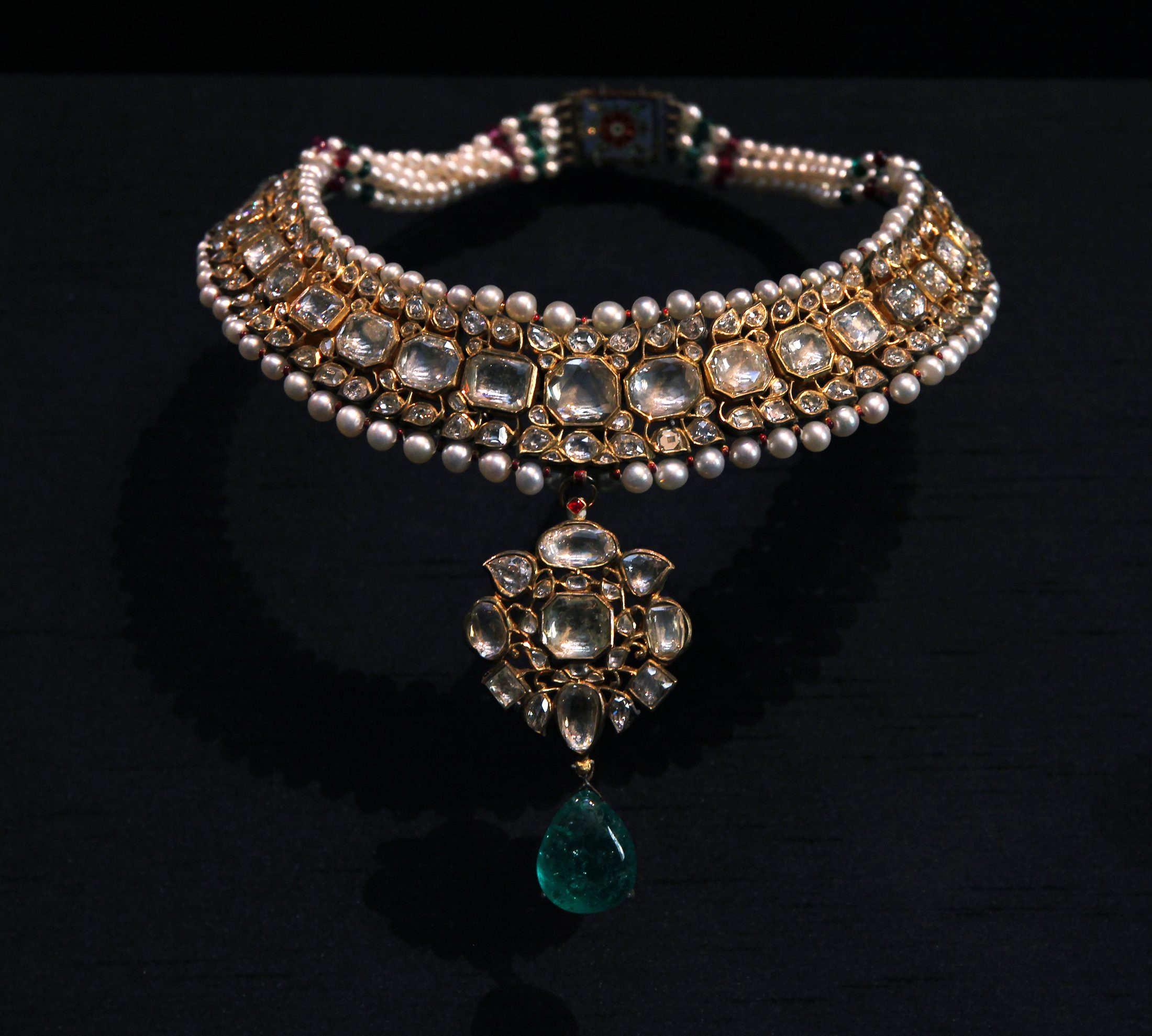
Jewellery
Pakistani bridal jewellery names: tikka, jhoomar, matha patti and what each piece doesZainab Noor · 13 Oct 2026 
Workwear
Pakistani clothes alterations in the UK: what a tailor can usually fixZainab Noor · 8 Oct 2026 

Readers The conversation0 notes Anyone can leave a note. Guests add a name and email — no account required, and the email is never published. No notes yet. Yours would be the first. |