Pakistani clothes alterations in the UK: what a tailor can usually fix
A pre-alteration triage for Pakistani ready-to-wear in Britain: sleeves, shoulders, kameez length, side seams, trousers, embroidery and when a repair risks costing more than it solves.
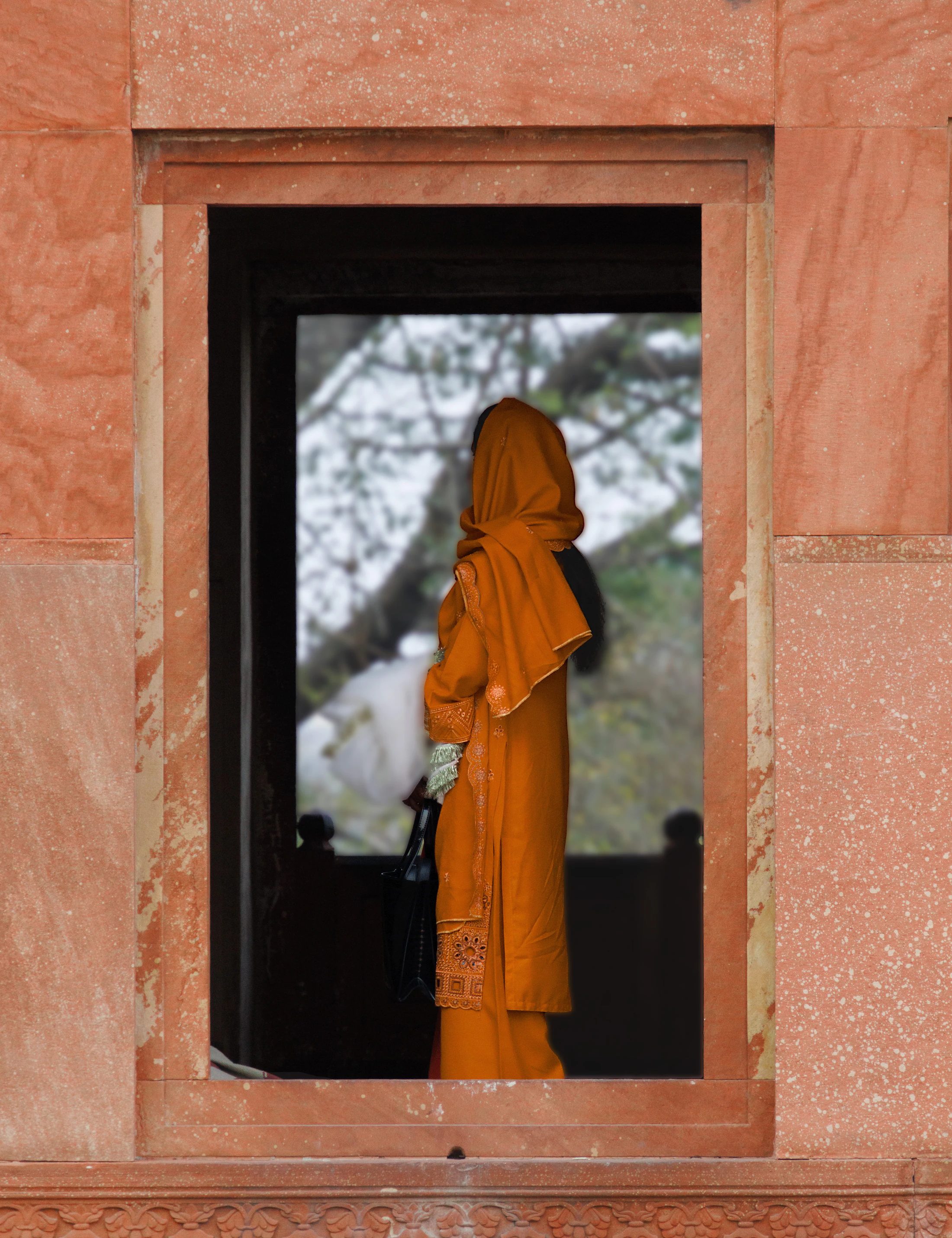
A Pakistani outfit that is slightly wrong can often be rescued in Britain without being rebuilt. The important word is slightly. Hemming a trouser and narrowing a side seam are very different jobs from moving a heavily embroidered neckline or rebuilding an armhole. Before you pay for alterations, work out which problem you actually have.
Take the whole outfit to the fitting
Bring the kameez, trouser, dupatta and the shoes you expect to wear. For formal clothes, bring the bra, shapewear or undershirt that changes the fit. A tailor cannot judge trouser break, kameez balance or sleeve comfort properly if half the outfit is at home.
Do not arrive apologising for your body. Say what the garment is doing: “the shoulder is falling past my shoulder point”, “the sleeve catches when I bend my elbow”, or “the trouser pools under these shoes”. Those are solvable clothing problems.
Usually straightforward: hems, waists and simple side seams
Plain trouser length is among the easiest fixes when there is enough clean hem allowance. Waist adjustment can also be routine, depending on the waistband construction. A simple kameez with generous side seams may be taken in through the body without disturbing its visual balance.
Ask the tailor to pin both sides while you are wearing the garment. Pakistani cuts often depend on side slits; narrowing only the upper body can change how those slits hang.
Sleeves are easy until embroidery enters the seam
Shortening from a plain cuff is often simpler than shortening from the shoulder. If there is a scalloped border, cuff embroidery or a motif placed close to the wrist, the tailor may need to shorten higher up or preserve the decorative edge and reattach it. That is more work, and it should be discussed before anything is cut.
For tight upper arms, check whether the sleeve seam contains usable allowance. If it does not, adding a discreet panel may be possible, but matching fabric can be the hardest part.
Shoulders and armholes are the expensive zone
A garment that is one size too large everywhere is not automatically a cheap alteration. Bringing in shoulders can affect the sleeve head, neckline, chest and embroidered placement. If the armhole itself is wrong, the job becomes closer to reconstruction.
Ask for a quote before pinning turns into cutting. For a modest everyday suit, replacing the garment may sometimes be more sensible than spending heavily to preserve a poor base fit. For bridal or sentimental clothing, the calculation can be completely different.
Length can alter the whole design
A plain kameez can usually be shortened. A kameez with a deep embroidered hem, scallop, print border or panelled flare needs planning. The tailor may be able to lift the garment at a seam or move a border, but the result depends on where the design was engineered.
Ask these five questions before leaving the garment
- Where exactly will you open the garment?
- Will any embroidery, piping or border be removed and reattached?
- Is there enough seam allowance for the change?
- Will you need matching fabric, and who is supplying it?
- Can we agree the finished length or pinned position before I leave?
Take a quick photograph of the pins and note the promised changes. This is not distrust; it is a shared reference.
One alteration at a time can be kinder to the garment
For valuable clothes, solve the structural issue first—shoulder, body width, waist or length—then reassess the smaller details. Changing everything at once makes it harder to see which alteration improved the fit and which introduced a new problem.
A good alteration should make the outfit easier to wear, not make you stand differently to satisfy it. If you can sit, reach, walk and breathe comfortably after the fitting, the tailor has done more than make the photograph neater.
Separate fit problems from design problems
A sleeve that is two centimetres too long is a fit problem. A neckline motif that sits too low because the whole embroidered panel was designed for a different torso is partly a design problem. The first may be routine; the second may require moving decorative work, changing the neckline or accepting that the original composition cannot be preserved exactly.
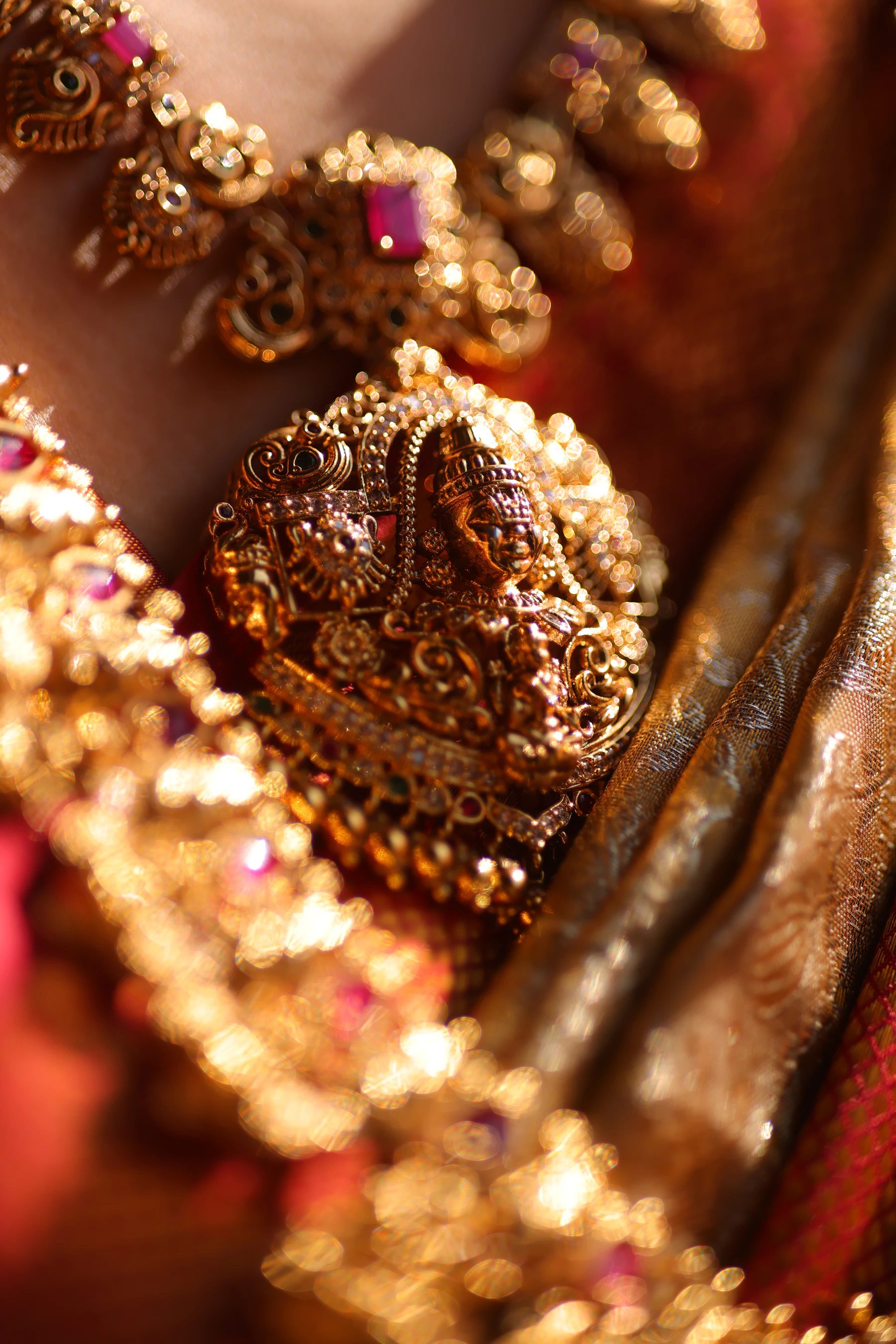
Before asking for “a smaller size”, identify what is actually wrong: shoulder width, chest ease, waist, hip, armhole, sleeve, kameez length, trouser rise or hem. A good alterations conversation becomes much cheaper once the problem has a name.
Bring the shoes and underwear that change the silhouette
Formal trousers cannot be hemmed accurately without the intended shoes. A blouse cannot be assessed properly over a different bra from the one you will wear. If the garment is for a wedding, take the real underlayer, petticoat or shapewear to the fitting.
For modest outfits, also bring the camisole or inner slip you intend to wear; it can change how tightly a kameez fits at the armhole and chest.
Ask whether the tailor understands South Asian construction
Many competent UK alteration shops can shorten a simple hem. More specialised work—moving gota, preserving a scalloped border, rebuilding a churidar cuff, adjusting a gharara knee joint or altering a heavily embellished blouse—benefits from someone familiar with the garment type.
Show photographs of the complete outfit if you are taking only one piece into the shop. The tailor needs to know whether a side slit, border or proportion has to line up with something else.
Shoulder alterations have a chain reaction
Taking in a shoulder can move the armhole, sleeve head and neckline. On an embroidered shirt, it can also shift a motif closer to the seam. This is why a garment that is “just a bit wide at the top” may cost more to fix than taking in several centimetres at the side seams.
Ask whether the tailor proposes altering from the shoulder or using the side seam to improve the visual fit. The correct route depends on where the excess fabric actually sits.
Adding room is governed by seam allowance
Pakistani stitched clothes often contain more seam allowance than mass-market Western garments, but not always. Turn the garment inside out with the tailor and look. A generous hidden allowance can rescue a tight chest, hip or sleeve without a visible panel.
If there is no allowance, matching fabric becomes the issue. Spare trouser cloth, a dupatta edge or the cut-off piece from a previous shortening can sometimes provide discreet fabric for gussets. Keep alteration offcuts from expensive outfits for exactly this reason.
Embroidery changes the price because it changes the labour
A plain hem may take minutes. A hem with a hand-attached border may need the border unpicked, the fabric shortened and the border reapplied. Be suspicious of a quote that ignores this difference; the result may simply cut through the design.
Ask what will happen to motifs that cross the proposed seam. If the answer is unclear, do not let cutting start.
Alteration order matters
Fix structure before detail. Shoulder and body width come before sleeve length because changing the shoulder can change where the sleeve finishes. Waist position comes before trouser hem because adjusting how a trouser sits can change apparent length.
For a bridal blouse, complete any major bodice changes before deciding the final hook position or decorative trim.
Know when replacement is more sensible
Every garment can theoretically be rebuilt; not every rebuild is good value. A low-cost everyday kameez that is wrong at shoulder, armhole and hip may cost more to reconstruct than to replace. Sentimental outfits, heirloom embroidery and bridal clothing justify a different calculation.
Ask for the quote before authorising work and compare it with replacement cost and emotional value rather than assuming alterations are always cheaper.
After the fitting, move normally
Do not stand frozen while the tailor pins. Sit, reach, bend your elbow and walk. For trousers, sit on an ordinary chair and check the rise. For fitted sleeves, bring your hands together in front of you. For a kameez, lift both arms.
When collecting, repeat those movements before leaving the shop. A garment is not successfully altered because it looks smooth while you stand still.
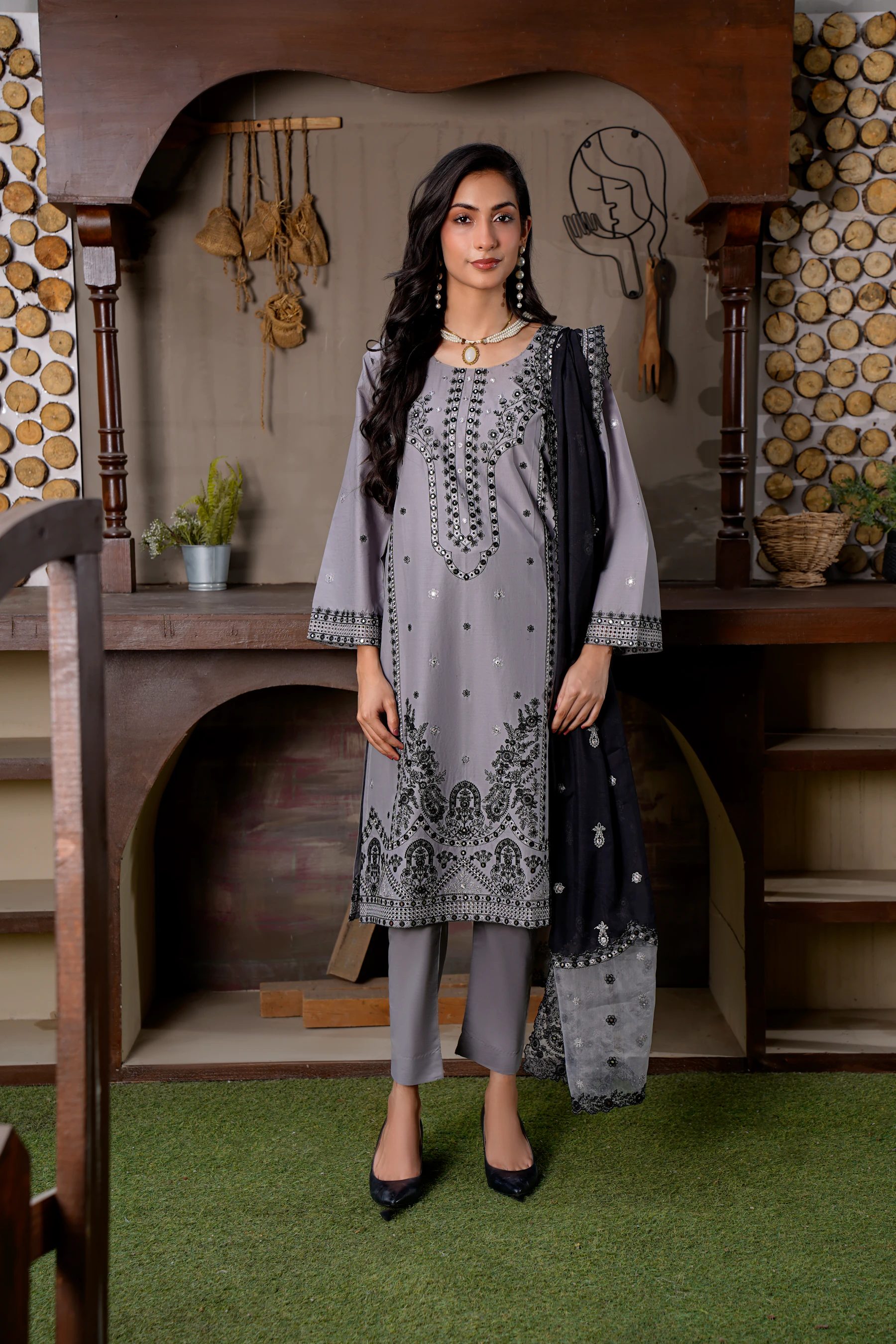
Keep the alterations record
Photograph the final result and keep the receipt with a short note: “sleeves shortened 3cm from shoulder”, “sides released 2cm”, “trouser hem 1.5cm above floor in 5cm heel”. The next tailor—or you in two years—will understand what has already been changed.
Good alterations respect both the body and the original garment. The aim is not to make you fit a sample; it is to make the clothing perform better on the person who actually owns it.
Fabric changes what the same cut feels like: Pakistani clothes alterations in the UK
For a reader working through Pakistani clothes alterations UK, Lawn, linen, cotton, raw silk, velvet, chiffon, organza and heavily embroidered net have different weight, drape and breathability. The same measurement can feel loose in a soft fabric and restrictive in a stiff lined one.
Think about the complete outfit before altering one piece: Pakistani clothes alterations in the UK
For Pakistani clothes alterations UK in particular, Shoes change trouser and lehenga length. Jewellery changes neckline comfort. A dupatta can alter shoulder balance. A coat can crush a structured sleeve. Bring or at least photograph the other pieces when making an important fit or styling decision.
Online buying needs technical information: Pakistani clothes alterations in the UK
With Pakistani clothes alterations UK as the focus, Look beyond the campaign image for garment measurements, fabric composition, piece count, care instructions and return terms. A seller that provides only model height and a size label is giving you much less information than a proper measurement chart.
Save screenshots at purchase because product pages can change. If the order is customised, confirm in writing which measurements, colours and alterations were agreed.
Alteration potential is part of value: Pakistani clothes alterations in the UK
In practical terms for Pakistani clothes alterations UK, A garment with sensible seam allowance, removable borders and straightforward construction has a longer useful life than one that can only fit one exact body shape. Ask a tailor what can realistically be changed before rejecting or buying an expensive piece.
Let personal comfort overrule performative fashion: Pakistani clothes alterations in the UK
Applied specifically to Pakistani clothes alterations UK, A wedding guest does not need to wear the heaviest available outfit, and a modest dresser does not need to accept overheating as the cost of coverage. Choose fabric, fit and shoes that support the way you want to participate in the day.
Photographs matter, but they occupy seconds. The garment has to carry the hours between them.
Use a final event or purchase checklist: Pakistani clothes alterations in the UK
Before committing to Pakistani clothes alterations UK, check fit in motion, fabric behaviour, shoe compatibility, weather, care requirements, alteration options and return terms. For formal events, add transport, coat storage and emergency repair items.
For a reader working through Pakistani clothes alterations UK, Good style decisions usually look less dramatic on a checklist than on a feed. That is a strength: clothing that fits the body, climate and event gives the wearer more room to be the interesting part.
Start with the job the garment has to do: Pakistani clothes alterations in the UK
For Pakistani clothes alterations UK, begin with the real setting: workday, wedding, travel, summer heat, winter venue, prayer, dancing or daily errands. A garment can look beautiful in a product image and still be wrong for the hours you need it to perform.
Write down the non-negotiables before shopping or altering: sleeve coverage, pocket needs, shoe height, ability to sit comfortably, preferred neckline and whether the piece must survive public transport or a long car journey. Those requirements are more useful than a trend board.
Fit should be checked in motion: Pakistani clothes alterations in the UK
With pakistani clothes alterations in the uk as the focus, Stand in front of the mirror, then sit, reach, bend the elbow, raise the arms and walk. Pakistani clothing often relies on ease, side slits and layered fabric; a fit that looks smooth while standing can become restrictive when the body moves.
Sources and official profiles
Filed under
Was this helpful?
Keep reading
Related stories
More from this desk, this beat, and the tags on this piece.
Readers
The conversation
0 notes
Anyone can leave a note. Guests add a name and email — no account required, and the email is never published.
No notes yet. Yours would be the first.