Eid morning routes for British Pakistani households with young kids
Plan Eid morning with young kids in Britain: pick a realistic prayer slot, stage breakfast, order visits, and protect the nap that saves the afternoon.
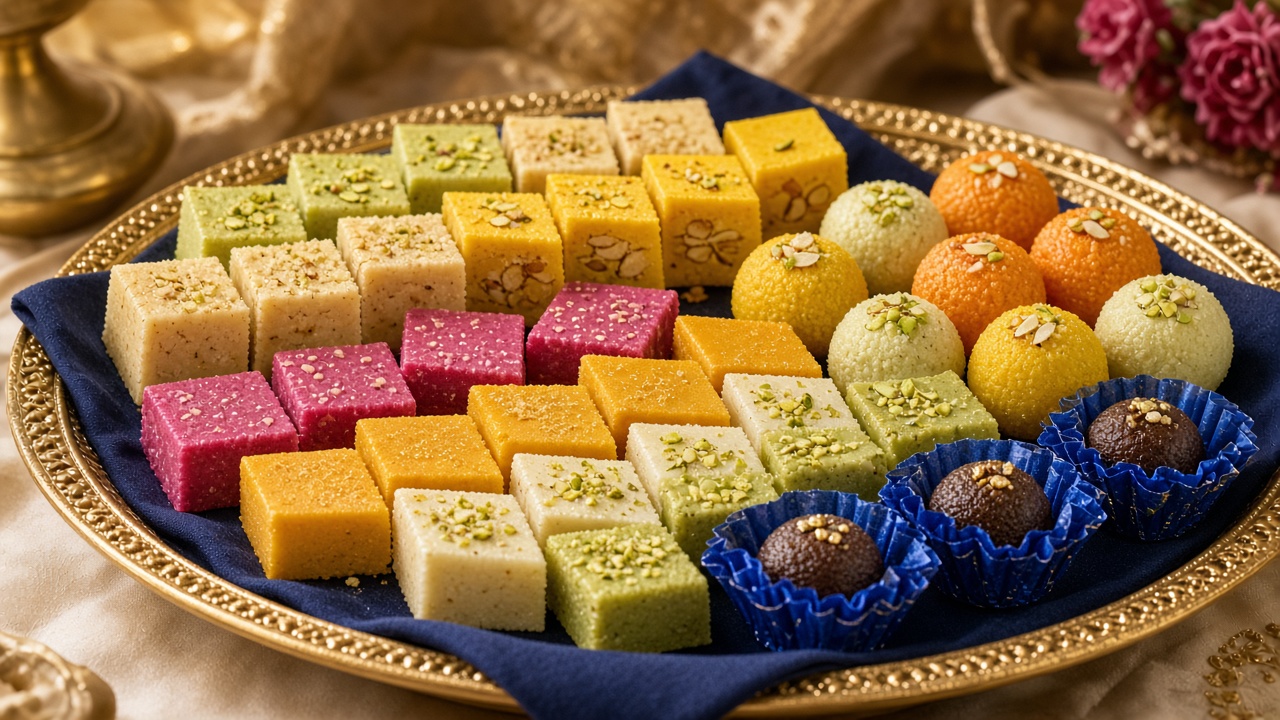
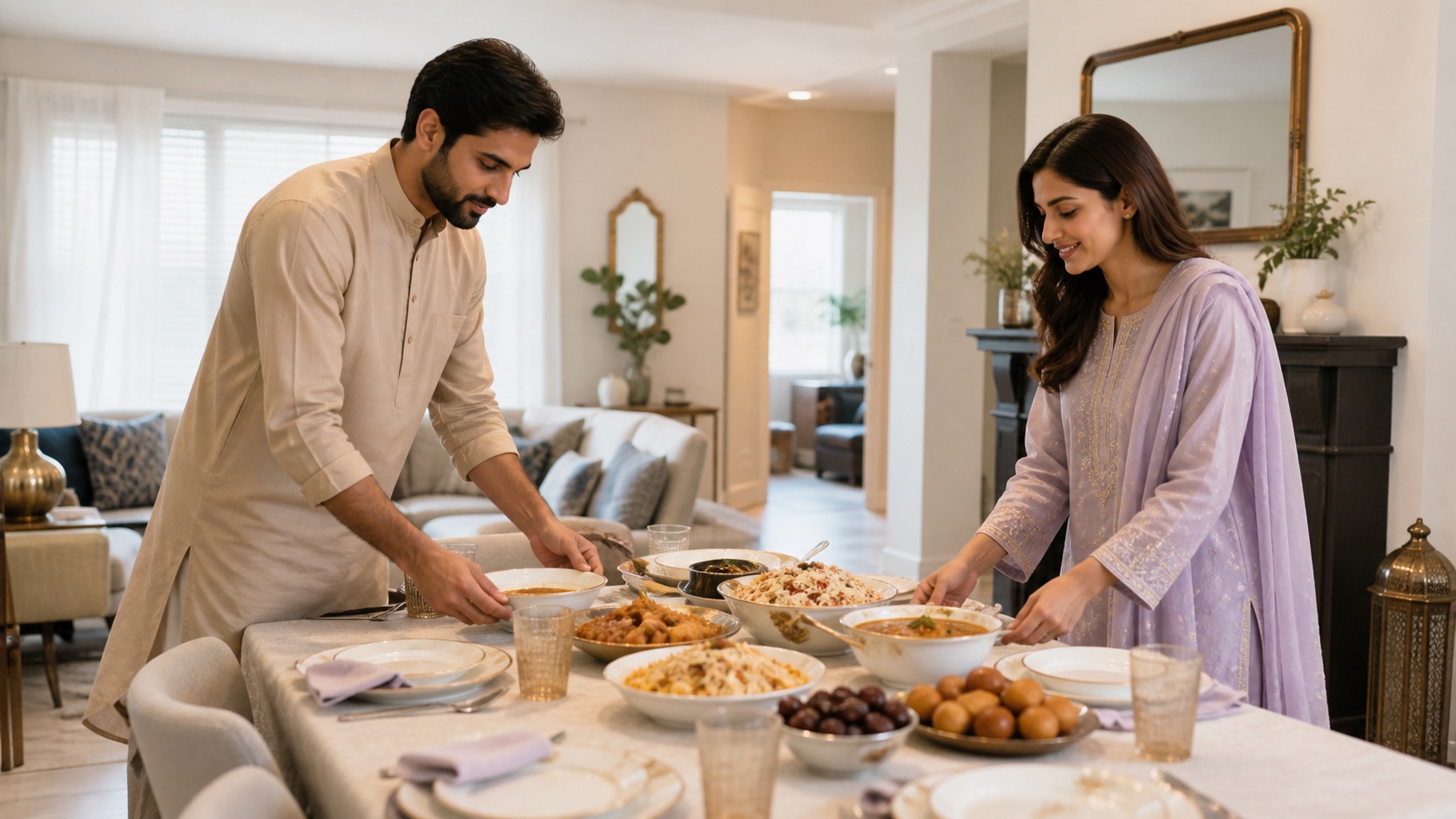
Eid morning with a toddler is not a failure of piety when someone cries in the car park. It is a logistics problem: an early jama‘ah, a breakfast that cannot wait for Instagram plating, relatives who assume you can be in three postcodes before lunch, and a nap window that will not negotiate. This is a morning timeline guide for British Pakistani households with young children. It is not a fatwa on who must attend which prayer, and not a ranking of mosques. The mithai photograph with this piece is thematic stock. It does not depict a named household’s Eid table.
Private brief for the day: leave the morning with salah done (at the mosque or a realistic home plan), children fed and dressed without a meltdown spiral, one or two meaningful visits completed, and enough energy left for the afternoon. Everything else is optional theatre.
Choose the prayer slot before you choose the outfit
Most UK mosques publish several Eid jama‘at on the morning, often from shortly after sunrise through late morning. Outdoor park prayers and rain contingencies appear in many local notices. Always read your mosque’s own announcement the night before. Islamic Relief UK’s public overview of Eid salah is a useful orientation on congregational practice, but it cannot tell you your venue’s start time, sisters’ entrance, or whether children are welcome in a particular hall. Only the mosque can.
With young kids, prefer the slot that matches their usual wake time rather than the one that impresses a WhatsApp group. A 9:00 a.m. jama‘ah that lets everyone eat and dress calmly often beats a 6:30 a.m. dash that deposits a hungry child into a crowded foyer. If one adult will take older children while another stays home with a baby, decide that division the night before, not in the hallway while looking for socks.
Clothes, weather, and the car bag
British Eid mornings are often cold, damp, or both. Layer children so the formal top can come off in the car without undressing them in a windy car park. Pack a spare outfit, wipes, and a light waterproof. Shoes that children can walk in matter more than shoes that only photograph well. If you will stand outdoors for park prayer, bring something dry to sit on and accept that grass stains are not a moral failure.
Keep eidi envelopes and small gifts in a labelled pouch in the boot so you are not hunting under seats while a child unbuckles. Same for a small toy that buys ten quiet minutes in a relative’s living room.
Breakfast as stage one, not a buffet performance
Feed children before or immediately after salah according to what your household can actually sustain. A small, familiar plate (toast, yoghurt, fruit, leftover sheermal if you have it) beats a delayed “Eid breakfast” that turns into hangry tears in the car. Adults who are fasting until after prayer should still pack something for the children. A child’s stomach does not follow the khutbah clock.
Keep the table simple enough that one adult can supervise shoes and coats while the other finishes wudu or loads the car. Save the elaborate sevaiyan photography for a quieter moment later, or skip it. The morning’s job is fuel and warmth, not a content shoot.
Visiting order that respects nap science
Write the visiting list as a route, not a guilt ledger. Start with the elders or household who most need a face-to-face salaam and who live on a sensible path from the mosque or home. Cap the morning at one or two stops if children are under five. Tell other relatives a later window (“after naps, insha’Allah”) and mean it. A promised 4:00 p.m. visit that happens is kinder than a noon whirlwind that ends with everyone crying in a driveway.
- First stop: shortest travel, highest emotional priority, chairs and a toilet that children can use.
- Second stop: only if the first was calm and the nap window is still intact.
- Gifts: ready in the boot the night before so you are not wrapping eidi envelopes while a child unbuckles themselves.
- Sugar pace: mithai at every house stacks quickly. Offer water and fruit as well, and do not force a second plate for politeness photography.
If a relative insists on “just a quick cup of chai,” set a visible exit: “We can stay twenty minutes; nap at one.” Adults who love your children can respect a boundary stated without apology.
Protect the nap that funds the rest of Eid
Young children who skip the usual sleep often spend the afternoon melting down during the very visits adults planned as the “real” celebration. Treat the nap as infrastructure. Go home, darken the room, and refuse “one more house” that eats the window. Older relatives who raised children through Eid mornings usually understand when you explain the trade: a rested child who can sit through evening dua versus a morning heroics tour that ruins Maghrib.
If you are hosting, put the guest list in waves: morning tea for elders who keep early hours, afternoon for cousins with school-age kids, so your own toddlers are not on display through every hour of the day. Hospitality includes protecting the household that cooks and clears.
Eidi, sugar, and relative politics
Eidi cash and mithai arrive in waves. Decide in advance who holds the envelopes, how you thank relatives without opening every gift in a doorway draft, and how much sugar children may accept before lunch. A simple household rule (“two sweets before nap”) travels better than improvising under pressure from enthusiastic aunts.
If relatives compete for your morning, publish the route once and stick to it. Softening for every call trains people to escalate. Kindness with a clock is still kindness.
When plans break
Traffic, a late khutbah, a nappy blowout, or a relative’s surprise “everyone is here now” will happen some years. Have a fallback: home prayer with a calm breakfast, one priority visit by video call, and a shorter afternoon list. The day is not ruined because the route changed. It is ruined when adults keep adding stops after the children have already spent their patience.
Home prayer as a valid plan
Some years the kindest route is salah at home with a calm breakfast, then one priority visit. Crowded foyers, long outdoor queues, and illness seasons are real constraints. A household that prays, feeds children, and greets elders without collapsing has not “failed Eid.” It has matched the day to the children it actually has.
If you do stay home for prayer, still protect the nap and still publish a short visiting window so relatives are not waiting on the doorstep at noon with mithai and expectations.
Stop when salah is done, breakfast happened, the priority salaams landed, and the nap held. That is a successful Eid morning for a British Pakistani household with young kids, not a perfect photograph of everyone in matching clothes at every address before noon.
Eidi, photos, and home prayer as a valid plan
Decide in advance who holds eidi envelopes, how much sugar children may accept before lunch, and where the one family photograph will happen. Matching outfits do not need to be staged before every visit. Pick one backdrop and five minutes, not a mobile studio.
Some years the kindest route is salah at home with a calm breakfast, then one priority visit. Crowded foyers, long outdoor queues, and illness seasons are real constraints. A household that prays, feeds children, and greets elders without collapsing has not failed Eid.
Sources and official profiles
Filed under
Was this helpful?
Keep reading
Related stories
More from this desk, this beat, and the tags on this piece.

Pakistani names in British and American workplaces: pronunciation without embarrassment
Bilal Ahmed · 13 Sep 2026
Moving from Pakistan to the UK: what household items are worth bringing
Rabia Kamal · 13 Sep 2026
Readers
The conversation
0 notes
Anyone can leave a note. Guests add a name and email — no account required, and the email is never published.
No notes yet. Yours would be the first.