Neighbour diplomacy after a UK baraat arrives late
Etiquette for when a UK baraat runs late: apology scripts, quieter arrivals, parking sense, and how to steady the street without turning celebration into a dispute.
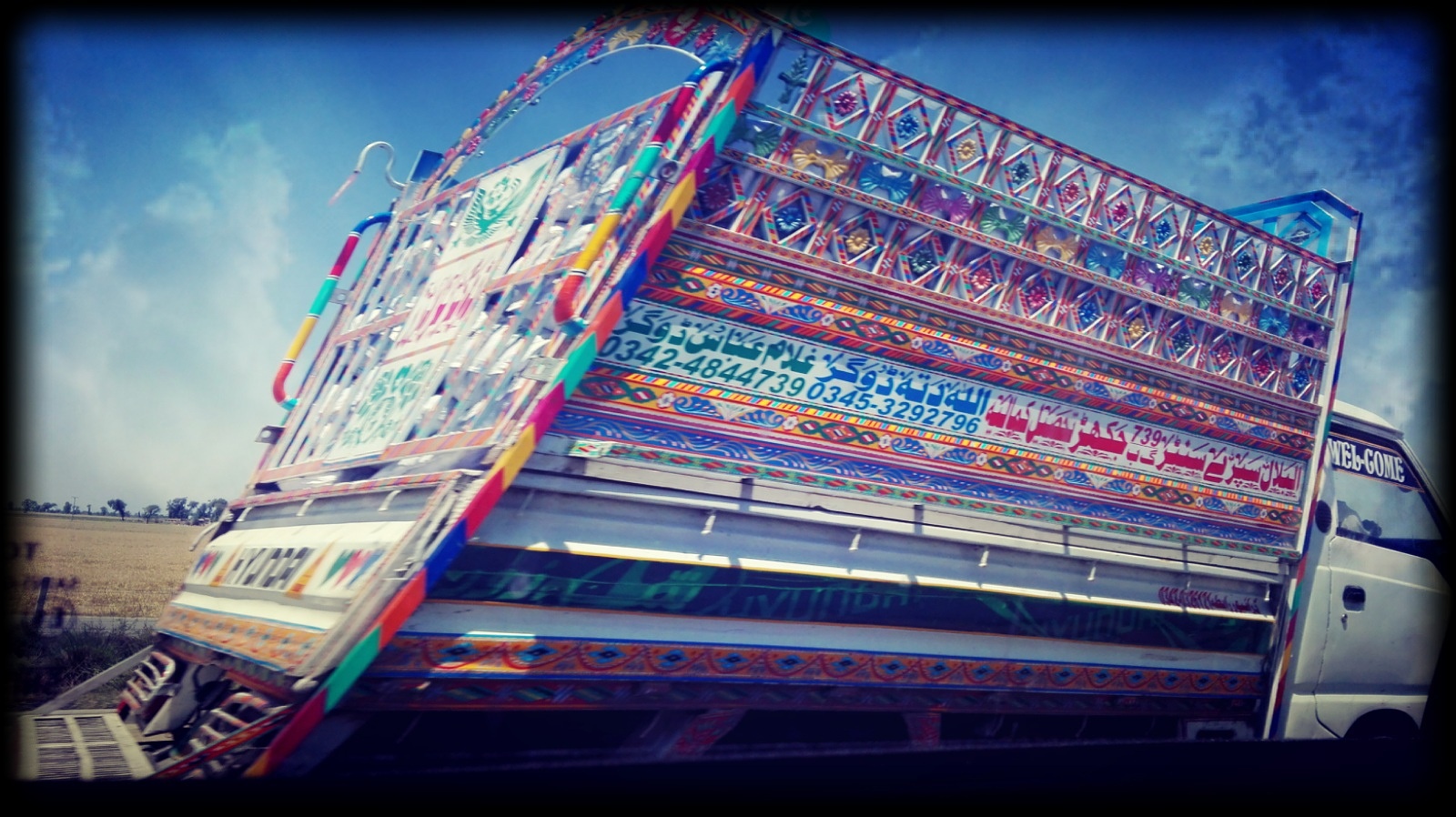
The baraat was meant for half past two. The cars find the street at ten to four, the dhol is still enthusiastic, and a neighbour who works nights is already at the window. Late does not have to become a feud, but volume and parking will decide the tone faster than any explanation about traffic on the ring road. This is an etiquette narrative for British Pakistani hosts and wedding parties who need the street to stay liveable after the delay. It is social craft, not legal advice. Local noise and parking rules still belong to the council and the police if a situation escalates.
Start with the person who opens their door, not with a group chat defence. One adult from the host side, or the groom’s party if the noise is theirs, should walk over before the next song. Keep the script short and specific: you are late, you are sorry for the disturbance, you will keep the music down and clear the cars. Do not lead with “it’s our culture” as the first sentence; lead with the neighbour’s evening, then the celebration. Culture explains why the gathering matters. It does not erase a shift worker’s sleep.
Choose the spokesperson before the cars leave the previous venue. The calmest adult with clear English or the neighbour’s preferred language should own the doorstep, not the relative most invested in defending the dhol. Pride and diplomacy rarely share one mouth under pressure.
Volume first, then the convoy
A late baraat inherits less goodwill than an on-time one. Treat amplification as optional from the moment you are overdue. Hand drums at walking volume beat a Bluetooth speaker aimed at terraced bedrooms. If a professional dholi is with you, agree a reduced set before the cars stop: two minutes of greeting energy, not a full street concert for guests who already know the house number. Save the loud peak for inside the venue or a booked hall, not for a residential cul-de-sac at the hour you were supposed to have finished arriving.
If the receiving house has a rear garden or side alley that keeps sound off the street, use it. Moving the last burst of energy off the pavement is often the difference between a waved hello and a council diary entry. Ask the host family which elevation faces bedrooms next door before the convoy arrives.
Horns in sequence feel like celebration to the convoy and like harassment to everyone else. One short courtesy beep to find the right house is enough; a call-and-response across the street is how doorbell cameras start recording for the wrong reasons. Assign one calm marshal, not the most excited cousin, to hush the line when windows open. Children in the convoy need briefing too: keep kids seated until vehicles stop safely. A celebration that scares a toddler on the pavement has already failed its diplomacy test.
Public guidance on neighbour noise is worth knowing before anyone needs it. GOV.UK explains how to complain about noise to the council and how councils deal with noise nuisances, including that councils must investigate complaints that could be a statutory nuisance and may serve abatement notices. Hosts who understand that pathway usually de-escalate earlier. This article does not coach anyone on how to fight a complaint; it exists so wedding parties remember that residential streets have other lives in them.
Parking, pathways, and the apology that sticks
Late convoys double-park because people are flustered. That is exactly when drives, dropped kerbs, and corner sightlines must stay clear. Ask three cars to peel off to a nearby side street or car park before the rest unload gifts and outfits. Leave emergency access obvious. A blocked ambulance argument will outlive any mehndi stain.
If a neighbour has already come out angry, do not crowd them with ten uncles offering theology and traffic meteorology. One spokesperson, open hands, no filming for comedy. Offer a practical fix in the same breath as the apology: turn the music down now, move the car across their drive now, share a mobile number if something else goes wrong before you leave. A box of mithai helps only after the obstruction is gone; sweets are not a permit. Language matters under stress: “Sorry for the noise, we’ll fix it now” travels further than a seminar about weddings in Pakistan while a speaker still blasts.
| Street problem | Immediate fix | What not to do |
|---|---|---|
| Amplified speaker on a late arrival | Switch off; hand drums only, briefly | Argue culture before lowering volume |
| Cars across drives / dropped kerbs | Move three cars first; unload later | Promise to move “after the photos” |
| Angry neighbour at the door | One spokesperson, short apology, visible action | A crowd filming and explaining |
After the party moves inside, and preventing the next late arrival
When the party finally moves indoors, send one person back out for a two-minute sweep: litter, bottles, a forgotten shawl on a hedge, engines still idling. Text the neighbour a brief thank-you if they were patient, or a second apology if they were not, without demanding forgiveness on the thread. Some streets have informal norms already: no horns after a certain hour, no parking on a particular corner. Ask a local cousin who actually lives there.
Diplomacy after lateness is necessary; prevention is kinder. Build a buffer into the baraat timetable that assumes traffic, outfit delays, and one missing uncle. Tell the dholi and the convoy marshal the reduced-volume plan in advance. If the receiving house sits on a narrow terrace street, agree a nearby meeting point where cars can wait without blocking drives, then walk the last stretch with quieter energy. Put the reduced-volume rule in writing in the baraat chat. Warn immediate neighbours the day before if you can: date, approximate arrival window, and a mobile number.
If a neighbour says they have already called the council, or will, stop amplifying immediately and clear obstructions. Do not debate statutory nuisance definitions on the doorstep. If police attend, cooperate calmly with one spokesperson. Afterward, debrief the host side without performing shame for the group chat. Name what worked and keep those names for the next wedding week.
What hosts owe the street the morning after
If litter, rice, flower petals, or bottle caps remain on the pavement, clear them before school-run traffic begins. A clean street is part of the apology even when nobody complains. Check that no car from the convoy is still blocking a drive overnight. Forgotten vehicles create angrier mornings than late dhols.
If a neighbour was especially patient, a brief in-person thank-you the next day can close the loop without theatrical mithai deliveries. If a neighbour was harmed, a blocked drive, broken plant pot, or frightened child, repair or replace promptly and without arguing about intent. Intent does not sweep a path.
If the baraat is arriving at a hired hall rather than a terrace house, the diplomacy target shifts to venue neighbours, shared car parks, and any residential windows overlooking the entrance. The same volume and parking rules apply. A hired hall is not a licence for street theatre at midnight.
Keep a short internal note for the family: what time you actually arrived, what volume worked, which parking plan failed, and who spoke well at the door. The next wedding week in the same street will be easier if you treat diplomacy as transferable knowledge rather than improvisation powered by adrenaline.
Neighbour diplomacy after a late baraat is mostly choreography: quieter sound, fewer blocking cars, and a human sentence that admits the clock slipped. The wedding can still be joyful. The street should still be able to sleep.
Sources and official profiles
Filed under
Was this helpful?
Keep reading
Related stories
More from this desk, this beat, and the tags on this piece.


Pakistani names in British and American workplaces: pronunciation without embarrassment
Bilal Ahmed · 13 Sep 2026

Moving from Pakistan to the UK: what household items are worth bringing
Rabia Kamal · 13 Sep 2026

Readers
The conversation
0 notes
Anyone can leave a note. Guests add a name and email — no account required, and the email is never published.
No notes yet. Yours would be the first.