Modest swimwear options for UK leisure centres
How to read UK leisure-centre swimwear policies for burkinis, swim leggings and rash vests: close-fitting, chlorine-ready garments, and why beach stock photos are not pool proof.

Modest swimming in Britain is often decided at reception, not in a changing-room mirror. UK leisure centres write their own swimwear rules. Many explicitly allow burkinis and other faith-compatible suits; almost all insist the fabric behave like swimwear in chlorinated water: close-fitting, lightweight, and not a baggy cotton layer that pulls a weak swimmer down. This is a clothing and policy guide for Muslim and modest swimmers using public UK leisure centres. It does not rank brands, invent a national dress code, or override the duty officer at your local pool. Policy examples below were checked against published council pages around September 2026.
Read the policy words, not the Instagram caption
Before you buy, open the leisure centre’s swimming or admissions page and search for “swimwear,” “attire,” or “appropriate clothing.” Policies checked in September 2026 show a repeating pattern rather than one national uniform:
- Active Leeds lists swim burkinis, rash vests, swim leggings, tankinis, and swim-specific longer shorts as appropriate, and rules out underwear, denim or cotton leggings, long flowing clothes, baggy t-shirts, and heavy materials such as denim or wool. Its published PDF also flags transparent costumes, sporting wear used as a swimsuit substitute, tracksuit bottoms, and items with protruding designs or accessories.
- Bradford’s Keighley Leisure Centre includes Lycra leggings, close-fitting short- and long-sleeve t-shirts, knee- and elbow-length suits, and “swim dresses or burkini 2 pieces or 3 pieces,” with a note for Lycra hijab only; inappropriate items include underwear, denim, cotton leggings, long flowing clothes, and baggy t-shirts. The centre reserves the right to decide what is appropriate and links closer-fitting choices to safer learning for weaker swimmers.
- Telford & Wrekin Leisure names “Hijood / Burqini or specifically designed modesty swim wear” as suitable, while normally not permitting ordinary T-shirts; anyone needing alternative clothing for cultural, faith, disability, or other reasons is told to speak to the duty officer first.
- Newcastle-under-Lyme lists burkini costumes alongside fitted t-shirts or leggings under swimwear and wetsuit-style swimming tops among accepted styles.
Those pages are examples of how councils write rules, not a passport that works in every borough. If your centre’s PDF is silent, email or phone and ask two plain questions: are burkinis or full-coverage swim sets allowed in public sessions, and must the fabric be swim-specific rather than cotton streetwear? Save the reply with the session type named. A short email from the centre is more useful at reception than a screenshot of another city’s PDF.
Build a modest kit from garment jobs, not logos
| Job | What pools tend to accept | What usually fails |
|---|---|---|
| Torso and arms | Rash vest, long-sleeve swim top, burkini top in stretch swim fabric | Loose cotton T-shirt, hoodie, non-swim tunic |
| Legs | Swim leggings, fitted swim trousers, burkini bottoms | Cotton leggings, tracksuit bottoms, denim |
| Hair and neck | Swim hijab / Lycra hood sold for pools, where the centre allows it | Everyday fabric hijab that floats or trails; check local wording |
| Full set | Two- or three-piece burkini / modesty swim set designed for chlorine | Street abaya or prayer clothes worn as a substitute swimsuit |
Try the set at home before you pay for a lane. Lift both arms overhead. Sit on a chair as if climbing out on the pool edge. Walk across a room. Check opacity when wet with a private dark-underlayer test if the fabric looks thin dry. Weak or non-swimmers are often steered toward closer-fitting suits so fabric does not balloon with water; Bradford’s published advice makes that point explicitly for learning. Thin pale colours often fail opacity even when dry coverage looked fine in the shop.
Men’s modest options—longer swim shorts, rash vests, fitted swim trousers—follow the same fabric logic even when marketing catalogues focus on women’s burkinis. Read the centre’s sentences for “rash vest,” “leggings,” and “close-fitting” rather than assuming only one gender’s kit is discussed. If a men’s set is baggy cotton, it will fail for the same safety reasons a women’s cotton tunic fails.
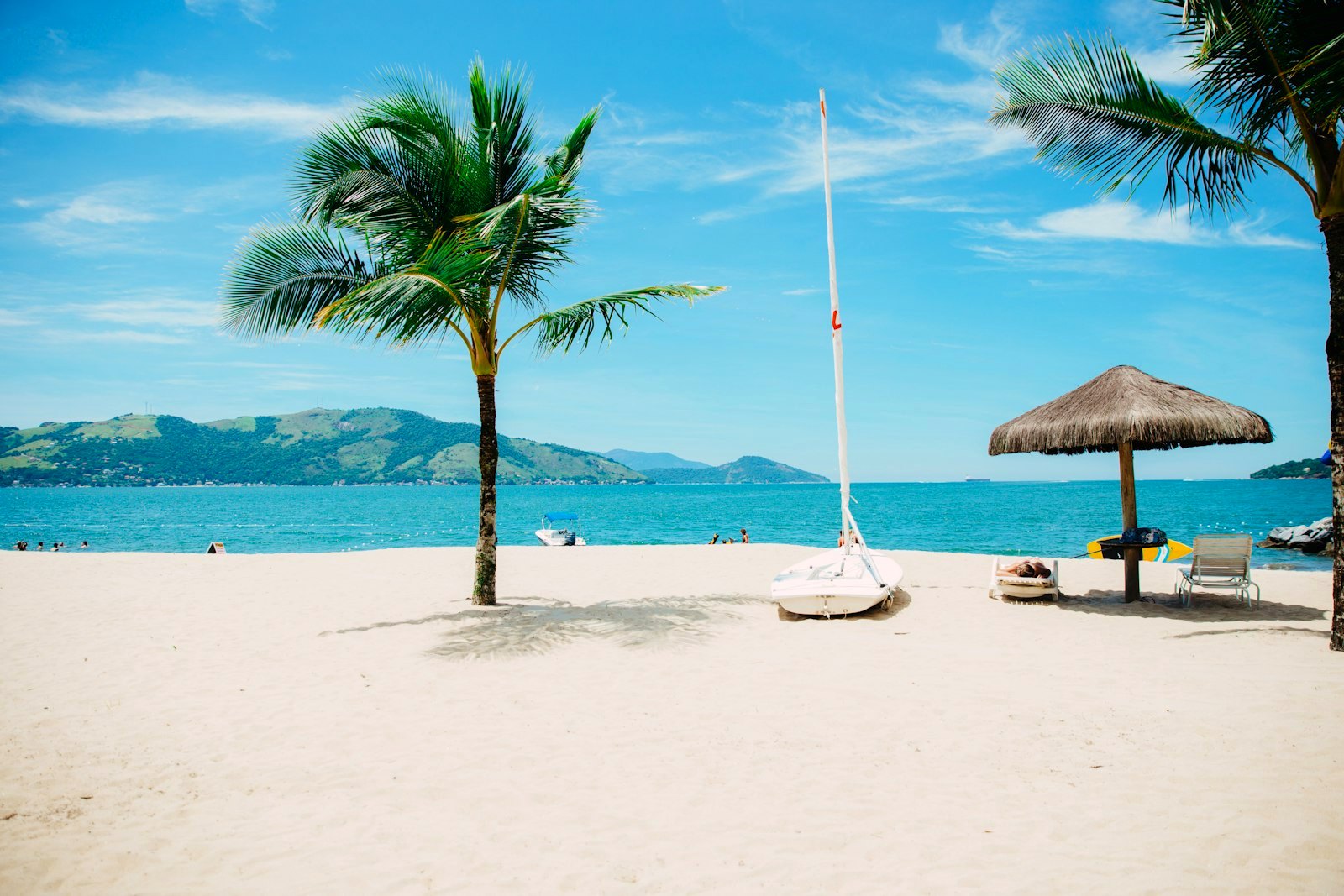
Beach photos sell drape; pools sell chlorine behaviour
Beach marketing photos sell breeze and silhouette. Pool rules sell fit and fabric behaviour in chlorinated water. A tunic that photographs modestly on sand can balloon, catch, or drag in a lane. Prefer sets sold as swimwear with chlorine-resistant stretch fibres. Check seams at the crotch and underarm before the receipt goes in a drawer. Colour and coverage still matter socially for many wearers, but the reception argument is usually about whether the garment is swimwear. Keep the receipt and the product description until you have entered the water once without a challenge.
Modest swim sets often run small because stretch fabric is designed to sit close. If you are between sizes, prioritise torso length and hip mobility over a vanity size on a hangtag. You do not need the most expensive label to meet a leisure-centre rule. You need chlorine-ready stretch, secure seams, and a receipt. Rinse chlorine out promptly after swimming and rotate two sets if you swim often. Pack a waterproof bag for the soaked kit so it does not perfume library books on the bus home.
Session type changes the answer
Some centres publish different rules for public sessions, lessons, and private hire. Read the page that matches the session you will actually attend. Women-only, family, or faith-friendly sessions may exist on the timetable; lifeguard gender mix is not always guaranteed even when a session is labelled women-only, so read the live programme rather than a forwarded WhatsApp claim from last year. Staff can still refuse garments that look unsafe in the water that day. Competitive Swim England suit rules for racing are a different regime from public leisure sessions; do not argue a race-suit standard into a family splash session, or the reverse.
If your household includes children learning to swim, confirm adult supervision rules and whether your modest set is allowed in the teaching pool as well as the main pool. A parent arguing with an instructor while a child waits in the water teaches the wrong lesson about pools and about dignity. Active Leeds also publishes separate under-fives notes for swim nappies and neoprene wraps; those are not burkini rules, but they remind you that age and session type can change the clothing conversation.
Talking to reception without turning it into a confrontation
Arrive a few minutes early on the first visit. Carry the product page wording or the centre’s own email confirmation. Ask calmly whether the set is acceptable for today’s session type. If staff need to check with a duty officer, wait. Escalating into a cultural debate in the lobby rarely helps the next Muslim swimmer who arrives after you.
If the answer is no, ask which garment features failed: bagginess, fabric type, trailing fabric, opacity, or something else. That answer tells you whether to change the set or merely the session. Some refusals are about safety in deep water for weak swimmers; others are about a centre’s written attire list. Knowing which one you face prevents buying three more wrong kits.
Disability or medical coverings may be handled under a different conversation with the duty officer. Faith modesty and medical needs can overlap in practice, but centres often ask you to declare the reason so staff can apply the right exception process. Bring whatever documentation the centre requests rather than arguing abstract rights at the turnstile.
A useful email, sent midweek, can save the lobby argument:
I plan to attend the [public / women-only / lesson] session on [date]. I wear a close-fitting burkini / modest swim set made of swim-specific stretch fabric (product link attached). Please confirm whether this is acceptable under your swimwear policy for that session, and whether a Lycra swim hijab is permitted.
What “specifically designed modesty swimwear” usually means in practice
Centres that use phrases such as Telford & Wrekin’s “specifically designed modesty swim wear” are pointing at construction, not at a brand logo. In practice that usually means stretch swim fibres that sit close to the body when wet, seams that survive lane swimming, and coverage that does not create long trailing panels. It does not mean a cotton abaya worn into the pool, a school PE hoodie, or a prayer outfit pressed into service because it photographs modestly on dry land.
If a product page says “beach cover-up,” “festival tunic,” or “cotton blend lounge set,” treat it as a warning for UK leisure centres even when the model is covered from wrist to ankle. Ask the seller one clarifying question before you buy: is this sold as chlorine-ready swimwear, and what fibre content is listed? Keep that answer with the receipt. Reception arguments go better with product language than with cultural speeches.
Changing rooms, privacy, and the walk to the water
Modest swimming logistics do not end at the turnstile. Some centres have cubicles; some have open changing; some have family rooms that book out at peak times. If privacy for changing into a full-coverage set matters to you, check the centre’s changing provision before you arrive with children and a wet bag. The walk from changing room to poolside is also where trailing fabric and non-swim layers get challenged, because staff see the garment in motion before it hits the water.
Pack a dark towel large enough to wrap while you adjust a swim hijab or zip a long-sleeve top. Carry goggles and a swim cap alternative only if your centre’s wording allows your hair covering; do not assume a decorative outdoor hijab will be accepted once it is wet and floating. If you are new to a centre, watch one public session from the gallery when that is allowed, or ask staff where modest swimmers usually change, without demanding a private policy that is not written down.
Community recommendations help as leads, not as law. A cousin’s successful swim at one Leeds centre does not rewrite Bradford’s PDF. Always return to the local sentences, then buy. Keep the receipt until you have entered the water once without a challenge. Modest swimwear that works in a UK leisure centre is the set that matches the posted policy in fabric and fit, not the set that merely photographed well on a beach that is not your pool.
Sources and official profiles
Was this helpful?
Keep reading
Related stories
More from this desk, this beat, and the tags on this piece.
Pakistani maternity occasionwear: comfort without buying a one-night outfit
Zainab Noor · 13 Sep 2026
Mosque-event dressing: practical Pakistani outfits for prayer and hosting
Zainab Noor · 13 Sep 2026

Readers
The conversation
0 notes
Anyone can leave a note. Guests add a name and email — no account required, and the email is never published.
No notes yet. Yours would be the first.