Nutrition
UK Pakistani school lunchboxes without a fridge meltdown
A packed-lunch field guide for British Pakistani school days: thermos strategy, ice packs, allergen labelling, and school rules—without medical claims or invented lunch menus.
By Mehreen Ali
Travel editor
4 min read
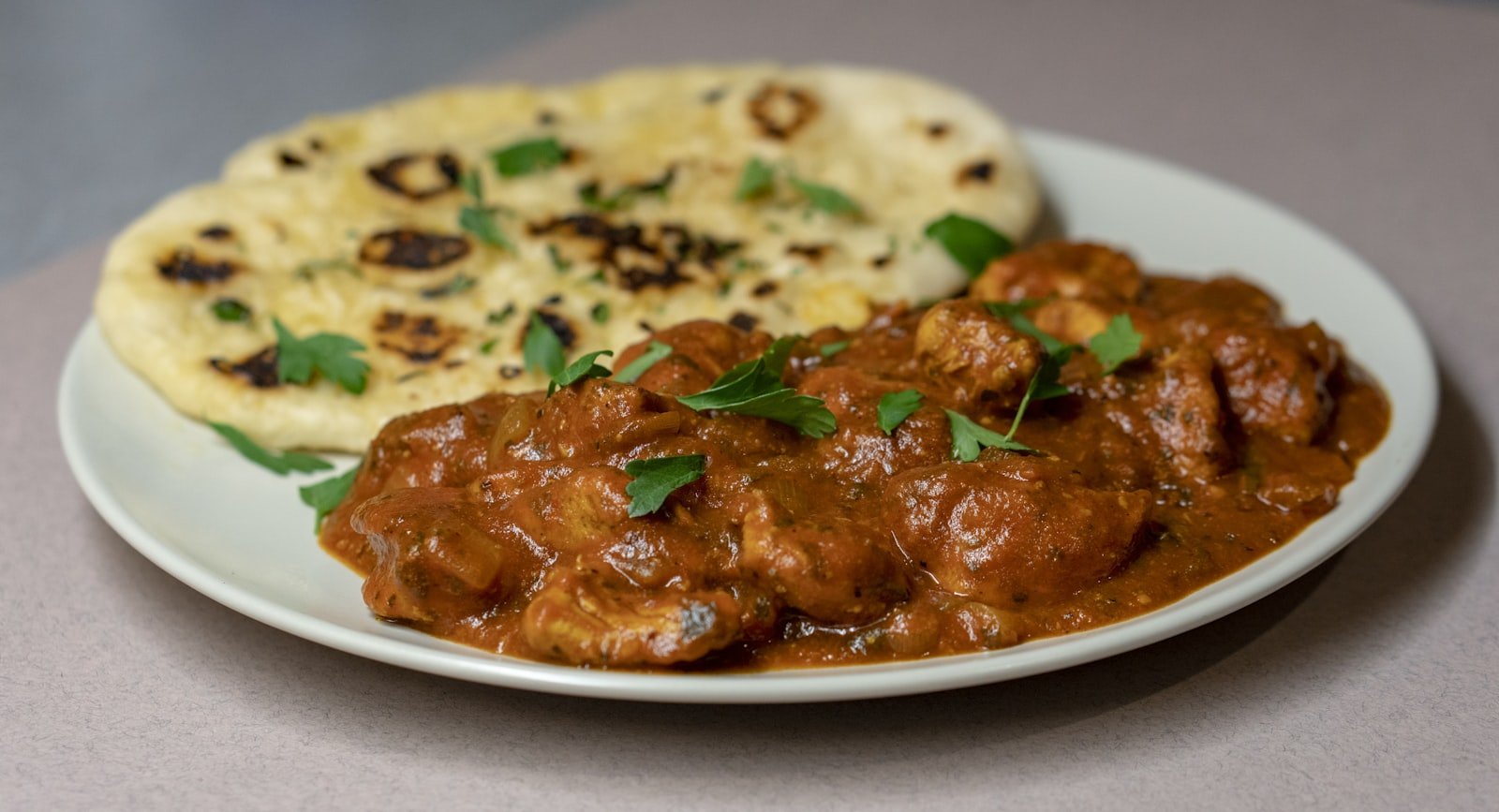
A British Pakistani school lunch fails in the cloakroom long before it fails on the plate. Chicken pieces that were safe at 7 a.m. can sit beside a radiator until midday; yoghurt turns into a soft protest; a thermos that was never preheated becomes lukewarm gravy with ambition. This is a packed-lunch field guide for parents who want familiar flavours without a fridge at school—and without turning lunch into a medical lecture. Guidance here is general food-hygiene practice checked around September 2026, not personalised health advice.
Build the box around temperature, not nostalgia
Ask whether lunchboxes sit in a classroom, a corridor trolley, or a hall without shade. If the answer is “wherever there is space,” treat the box like a picnic, not a hotel minibar. The Food Standards Agency’s picnic food-safety guidance is a practical UK baseline: keep perishable items cold with ice packs or frozen bottles, keep bags closed and out of direct sun, and throw away perishables that have sat warm too long in hot weather rather than sniff-testing them into a second chance.
Pakistani home cooking travels unevenly. Dry sabzi, plain chapati, fruit, and sealed yoghurt that stays cold usually behave better than wet rice left open or cream-heavy leftovers. If you cook the night before, cool and refrigerate promptly using the spirit of the FSA’s chilling guidance, then pack from cold in the morning. A warm pot portioned straight into a plastic box is how bacteria get a head start before the school bell.
Thermos for heat, ice pack for chill—pick one job per vessel
A thermos is for food that must stay hot until the sitting: dal, keema, pasta with mince, or mild chicken salan. Follow common-sense heat—food going in hot, flask preheated—and the school’s rules about hot liquids. An ice pack or frozen water bottle is for the cold lane: sandwiches, cheese, yoghurt, cut fruit, and leftovers that would live in your fridge at home. Mixing hot and cold in one soft bag without insulation is how both jobs fail.
- Hot lane: preheated thermos; minimal air space; lid checked before the bag zips.
- Cold lane: insulated bag, ice pack against the perishable side, bag kept shut until lunch.
- Ambient lane: whole fruit, plain crackers, sealed dried snacks the school allows—useful ballast, not a fridge substitute for cooked meat.
Allergen labels are school policy, not a family whisper
Shared tables make other children’s allergies your logistics problem even when your child has none. England’s Department for Education publishes statutory allergy safety in schools guidance that expects schools to manage food-allergy risk and to set clear expectations for packed lunches brought from home—including labelling, preparation, and storage. Read your school’s packed-lunch and allergy policy before you pack peanuts “because we always have,” sesame sweets, or egg sandwiches that will travel uncovered onto a shared bench.
If your own child has a diagnosed allergy or medical dietary need, that belongs with the school’s medical or allergy process and any individual healthcare arrangements—not with a magazine article. Do not use this guide to diagnose intolerance or to design treatment. Use it to pack cleanly, label honestly, and stop food swapping when a classmate’s safety depends on it.
School rules beat auntie recipes
Many UK schools restrict nuts, fizzy drinks, chocolate bars, or glass containers. Some ban sharing. Some require water bottles that can be refilled. Write those rules on the inside of a cupboard door once, then stop renegotiating them every Sunday night. Halal status is a household decision; allergen and packing rules are institutional. When they conflict—say, a preferred snack the school forbids—swap the snack, not the policy.
Portion for the sitting the child actually gets. A heroic three-course dabba that returns untouched teaches waste, not culture. Rotate formats that survive the morning: thermos keema one day, cold chicken with an ice pack another, chapati rolls that do not weep oil onto exercise books. Send a spoon if needed, a napkin, and the expectation that lunch is eaten—not performed for a group chat. The win is food that is still food when the bell goes, labelled for the room it enters, honest about a cloakroom with no fridge.
Filed under
Keep reading
Related stories
More from this desk, this beat, and the tags on this piece.
Post-workout Pakistani meals without a separate fitness menu
Sara Malik · 13 Sep 2026 · 16 min
Readers
The conversation
0 notes
Anyone can leave a note. Guests add a name and email — no account required, and the email is never published.
No notes yet. Yours would be the first.