Why type 2 diabetes often appears younger in South Asian families
Diabetes UK says type 2 diabetes is two to four times more likely in South Asian people and risk rises from a younger age. Genetics, visceral fat and social factors interact.
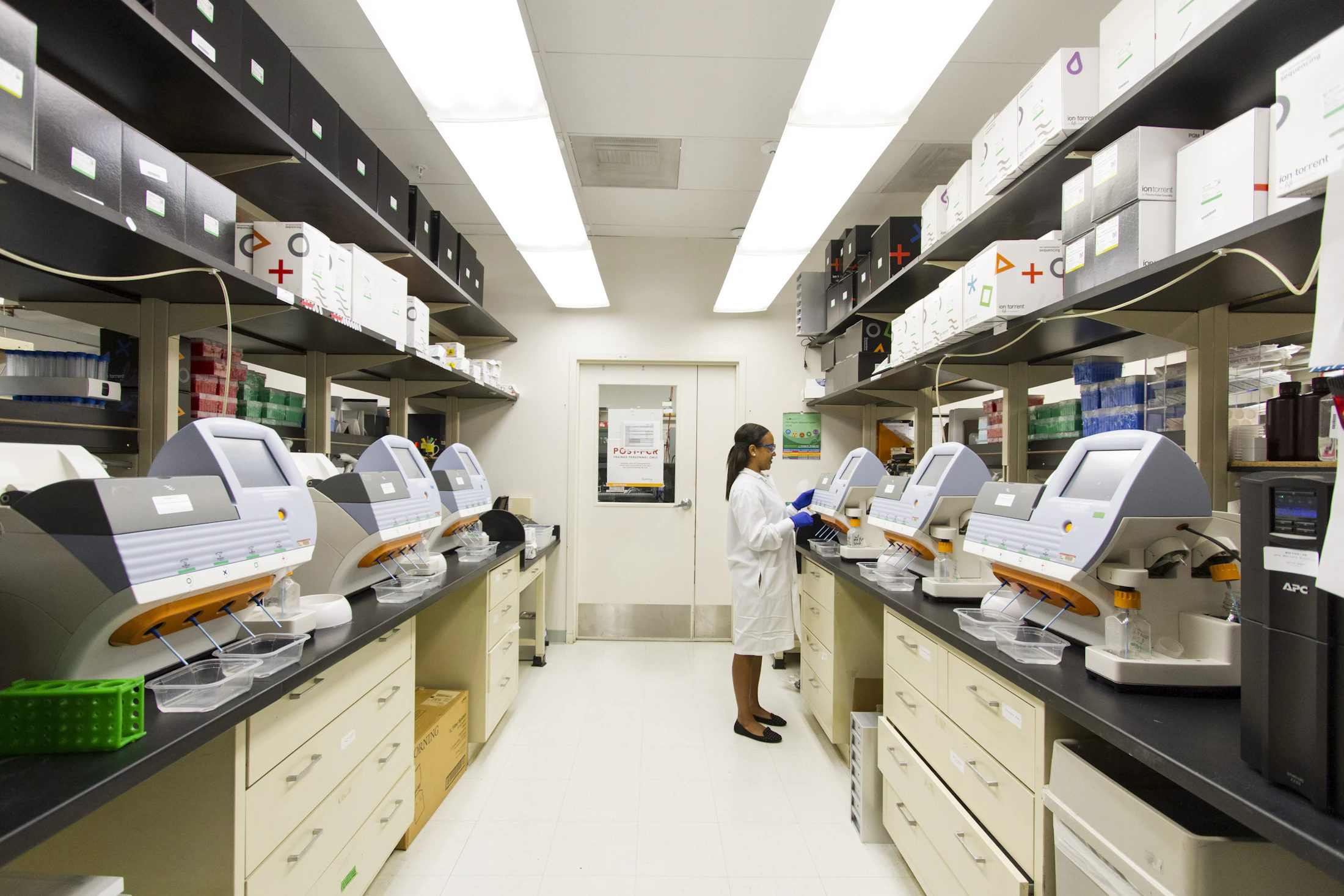
Type 2 diabetes is common enough in Pakistani families that it can begin to sound inevitable. It is not. Diabetes UK reports that type 2 diabetes is two to four times more likely in people of South Asian descent than in White populations, with risk increasing from a younger age.
Diabetes UK also notes that South Asian people can develop type 2 diabetes at lower body weights. Current research points to a mix of genetics, insulin resistance, visceral fat distribution and social or environmental factors rather than one simple 'ethnic gene'.
Risk starts younger
Diabetes UK considers type 2 diabetes risk to increase from around age 25 in South Asian, Black African, African-Caribbean and Chinese groups, compared with age 40 in White groups.
That changes when prevention and screening conversations should begin.
BMI thresholds do not mean the same risk
South Asian people can develop metabolic risk at lower BMI than White Europeans on average.
Diabetes UK highlights increased risk from BMI around 23 in South Asian adults, while BMI remains only one imperfect screening measure.
Visceral fat
Research suggests greater tendency toward fat stored around organs can contribute to insulin resistance even when overall weight is not very high.
Waist size can therefore add information to BMI.
Genetics contributes but does not decide destiny
The Genes & Health programme has studied tens of thousands of British Pakistani and Bangladeshi volunteers and identified genetic patterns linked to insulin production and fat storage.
Genes alter susceptibility; they do not make lifestyle, treatment and social conditions irrelevant.
Family history
Having a close relative with type 2 diabetes raises risk across ethnic groups.
In a family where several relatives are affected, that history is useful information to give the GP rather than a reason to assume diagnosis is unavoidable.
Symptoms can be absent
Type 2 diabetes can develop gradually without obvious symptoms.
Waiting for thirst, frequent urination or weight loss is not a reliable screening strategy for someone already at high risk.
Blood tests establish diagnosis
HbA1c and other glucose tests are used clinically to identify diabetes and high-risk states.
A home glucose meter or smartwatch cannot independently diagnose type 2 diabetes.
Diet does not require abandoning Pakistani food
Wholegrain roti, pulses, vegetables, yoghurt, fish and appropriately portioned rice can fit healthy patterns.
Reducing sugary drinks, excessive refined carbohydrate, saturated fat and portions may be more useful than rejecting cultural cuisine wholesale.
Physical activity helps
Regular activity improves insulin sensitivity and supports weight and cardiovascular health.
Walking is a legitimate starting point; prevention does not require an extreme programme.
Population risk and stigma
Ethnic-risk information should support earlier care, not shame people about body size or food.
Structural factors including access to culturally appropriate services also shape prevention and outcomes.
What the evidence does not justify
Different Diabetes UK pages cite relative risks from different evidence bases and populations, so 'two to four times' is a broad public-health estimate rather than an individual's personal probability.
Practical checklist
- If South Asian, take risk seriously from a younger age.
- Tell your GP about strong family history.
- Use waist and clinical risk assessment alongside BMI.
- Ask about blood testing if risk is high.
- Focus on sustainable activity and dietary changes rather than fatalism.
The useful message is earlier awareness. Higher South Asian risk means screening and prevention deserve attention sooner, not that a Pakistani surname guarantees a future diagnosis.
The practical conclusion
The useful endpoint for South Asian type 2 diabetes risk UK is a small number of behaviours supported by the evidence: change timing, choose a safer substitute, screen earlier, store food correctly, read the label or seek assessment for a warning sign.
Evidence-based writing becomes easier to trust when it leaves readers with proportionate actions rather than a list of alarming facts.
Separate mechanism from outcome
For South Asian type 2 diabetes risk UK, it is useful to distinguish what can be measured in a laboratory from what has been shown to improve a real health or cooking outcome. A plausible mechanism—acid changing protein, polyphenols binding iron, melanin absorbing UV—helps explain a result but does not by itself quantify the size of that result in every person or recipe.
Research quality improves when mechanism, controlled experiment, observational association and clinical guidance are not blended into one level of certainty.
Dose and context change the effect
South Asian type 2 diabetes risk UK is rarely an all-or-nothing exposure. The amount, timing, frequency, temperature, food matrix, skin type, disease status or baseline risk can change whether an effect is meaningful.
Population advice is not an individual diagnosis
Guidance linked to South Asian type 2 diabetes risk UK can identify groups with higher average risk or recommend a safe preventive behaviour. It cannot tell one reader whether they personally have a deficiency, disease or future event without appropriate assessment.
Traditional practice can be sensible without proving every explanation
Some habits connected with south Asian type 2 diabetes risk UK developed through practical observation long before modern biochemistry. A method may work while the popular explanation for why it works is incomplete or wrong.
Respect for tradition and scientific scrutiny are compatible. The strongest article can say “this technique is useful” while also correcting an exaggerated mechanism.
Substitution matters more than removal
Nutrition questions around south Asian type 2 diabetes risk UK often depend on what replaces a food rather than whether it disappears. Replacing saturated fat with unsaturated fat is different from replacing it with refined carbohydrate; moving tea away from a meal is different from removing all tea.
This is why useful advice describes the alternative behaviour instead of only naming something to avoid.
Measurement has limits
Numbers used in south Asian type 2 diabetes risk UK—BMI, Brix, SPF, HbA1c, AQI, grams of protein or degrees of doneness—compress a complex system into a practical indicator. They are valuable when their scope is understood.
A single number should not be promoted into a universal quality score. Use it alongside the other variables that materially affect the decision.
Food and health safety outrank optimisation
When south Asian type 2 diabetes risk UK touches raw meat, supplements, medication, sun exposure or suspected disease, the safety threshold matters more than squeezing out a small performance benefit. Refrigeration, appropriate dosing, diagnosis and sunburn prevention are foundational.
A cooking hack or wellness routine is not successful if it increases avoidable risk in order to improve texture, colour or convenience.
Use the highest-quality source available
For south Asian type 2 diabetes risk UK, clinical or public-health claims should come from recognised health bodies or peer-reviewed research, while regulatory rules should come from the regulator. Retailers and lifestyle sites can be useful for examples, not for settling safety questions.
When studies disagree or address different populations, explain that rather than choosing the most dramatic number.
Who should get personalised advice
Pregnancy, childhood, kidney or liver disease, diabetes, cardiovascular disease, allergies, prescribed medicine and previous severe reactions can all change the advice around south Asian type 2 diabetes risk UK.
How to use this article as a reference
Save the specific official or primary source that matters most for south Asian type 2 diabetes risk UK, along with the date you checked it. If the subject is commercial, keep the product label or receipt; if it is administrative, keep the application reference; if it is health-related, write down the question you need to take to a clinician. This turns reading into a record you can use later.
When circumstances change, update the one fact that changed rather than discarding the whole guide. That is especially important for regulations, travel conditions and health guidance, where a stable underlying principle can coexist with changing thresholds or procedures.
Questions worth resolving before you act
For south Asian type 2 diabetes risk UK, write down the exact decision you are making and the evidence that would change it. That may be a current fee, eligibility rule, test result, product composition, measured risk factor or official definition. Separating the decision from the background information helps prevent an interesting fact from being mistaken for the one fact that actually controls the next step.
Keep the next step proportionate
High-quality information should reduce uncertainty without creating unnecessary alarm. If south Asian type 2 diabetes risk UK raises a low-risk practical question, use the official checklist and proceed. If it raises a potentially serious health, legal or immigration issue, move to the relevant professional or authority rather than stacking more secondary articles.
One last way to test the advice
For why type 2 diabetes often appears younger in south asian families, keep the practical claim narrower than the mechanism. A plausible biological explanation does not guarantee a visible result for every person, and population-level risk does not diagnose an individual. Use the evidence to decide what is worth trying, screening or discussing—not to turn ethnicity, skin tone or one symptom into a conclusion about personal health.
For why type 2 diabetes often appears younger in south asian families, individual assessment matters when the decision involves supplements, symptoms, suspicious skin changes or significant medical risk. Record what changed, how long it has been present and any relevant medicines or family history. That information is more useful to a clinician than a long list of products or online theories tried at random.
Sources and official profiles
Filed under
Was this helpful?
Keep reading
Related stories
More from this desk, this beat, and the tags on this piece.



Readers
The conversation
0 notes
Anyone can leave a note. Guests add a name and email — no account required, and the email is never published.
No notes yet. Yours would be the first.