· Updated
A US grocery list for the first Ramadan away from home
What to buy once when you are fasting in a US city without a family kitchen already stocked: sehri anchors, freezer backups, hydration basics, and food-safety habits for leftovers.
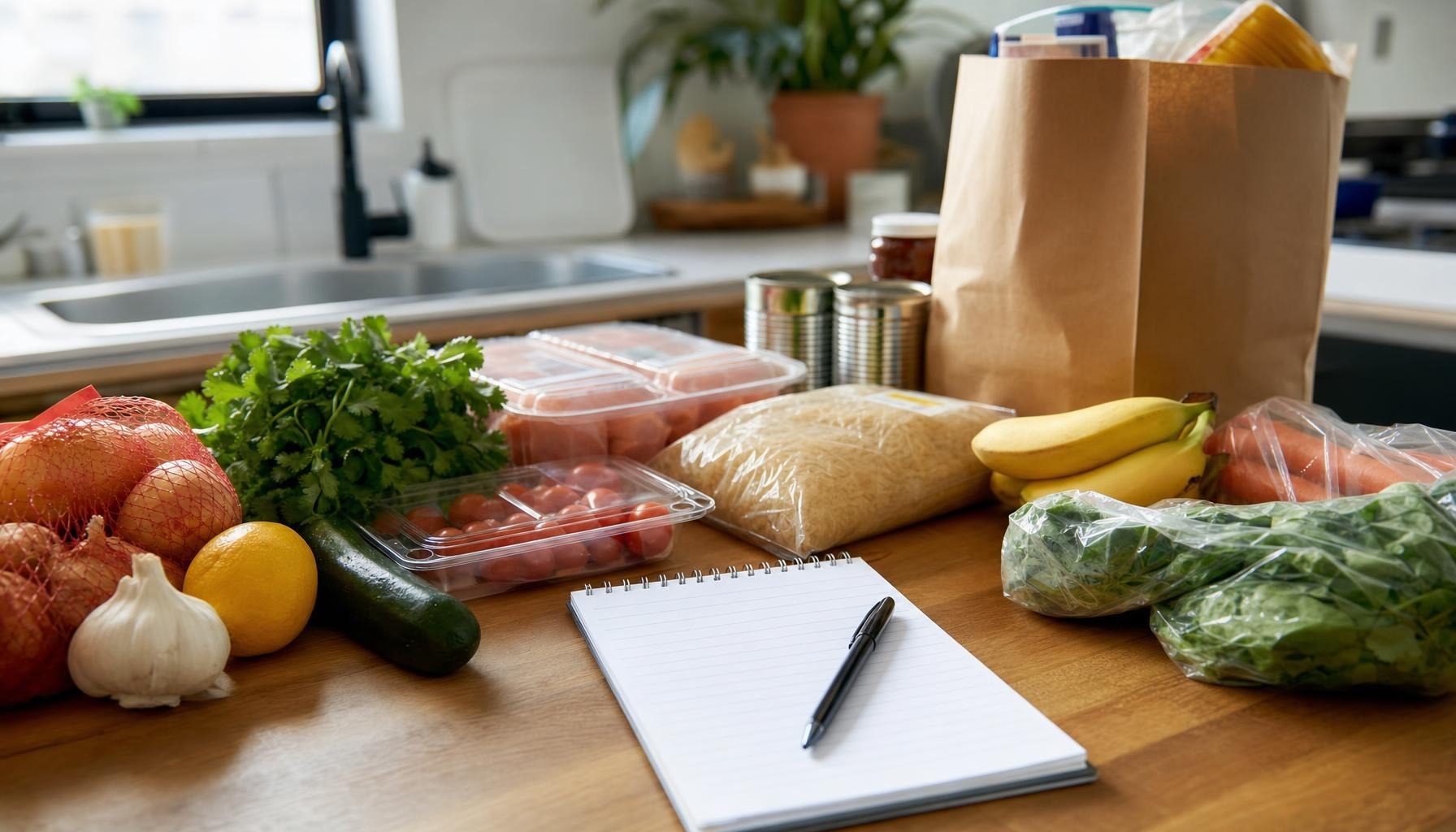
The first Ramadan away from a family kitchen is less about perfect recipes and more about not discovering at 4 a.m. that you have coffee and nothing to eat with it. Dorm fridges, first apartments, and temporary US city rentals punish ambition. They reward a boring pantry that answers sehri and iftar without a second supermarket run on an empty stomach.
This article is pantry and logistics guidance for healthy adults managing an ordinary diaspora Ramadan in the United States. It is not personalised medical advice, a religious ruling, or a claim that any shopping list makes fasting safe for every body. People with diabetes, pregnancy, significant illness, or other medical conditions should speak with a qualified clinician before fasting. NHS England Midlands diabetes clinicians, for example, have publicly urged people with diabetes to consult a GP or diabetes team before Ramadan and to break a fast if blood glucose becomes dangerously low or high; see NHS Midlands Ramadan fasting advice for people with diabetes. UK dietitians likewise treat sport and fasting as an individual clinical conversation in the British Dietetic Association’s Ramadan sport and exercise resource.
Buy anchors once, then stop improvising at 3:40 a.m.
Shop for a small set of anchors you will actually eat half-asleep:
- dates
- yoghurt you tolerate
- eggs
- oats or bread you like
- bananas and other fruit that survives a fridge
- cucumbers, tomatoes, onions
- lentils and rice
- a plain frozen protein you trust
- oil, salt, and the spice set you already know how to use
- oral rehydration or electrolyte sachets only if a clinician or pharmacist has advised them for your situation
Keep the list boring on purpose. Fancy iftar ingredients can wait until you know your energy pattern in this city’s timetable. A first Ramadan is a systems problem. Specialty mithai is optional theatre.
Sehri is logistics, not a feast
Prep two sehri options you can assemble half-asleep: overnight oats with yoghurt, or eggs with toast and fruit. Put the bowls, spoons, and a filled water bottle where your hands will find them in the dark. If you share a kitchen, claim shelf space with labels before roommates reorganise your dates into their smoothie plan.
Protein and fibre that sit well in your body matter more than an inherited menu you cannot cook at 4 a.m. If heavy paratha makes you sluggish at work, do not force it out of guilt. The month gets easier when sehri is repeatable. Rotate flavours inside the same format rather than inventing a new breakfast architecture every night.
Iftar starts with water, dates, and a real meal you can finish
Open the fast with water and dates if that is your practice, then eat a meal you can complete without frying for an hour while you are shaky. Pre-portioned daal, frozen keema, eggs, yoghurt, salad, and rice that was cooled and stored safely will outperform a heroic biryani attempt on a work night. Save ambitious cooking for a weekend iftar when you have help or time.
For hydration and exertion context during Ramadan, specialist sports-medicine summaries such as Aspetar’s Ramadan evidence-informed guide discuss how training and fasting interact for athletes; they are not a substitute for personal medical advice, but they reinforce a useful household point: plan fluids in the non-fasting window rather than improvising after a long hot commute. In US heatwaves, ordinary outdoor-heat caution from sources such as the CDC’s extreme heat prevention pages still applies in the hours when you can drink.
Freezer backups beat nightly heroics
Cook once when you have a calm hour. Freeze flat portions of keema, daal, or plain chicken in labelled bags: date, spice level, and reheating notes. Flat packs thaw faster than deep tubs. Keep one soft portion in the fridge for tomorrow and send the rest to the freezer within a day of cooking.
USDA Food Safety and Inspection Service guidance on leftovers and food safety is the public baseline many American kitchens use: refrigerate perishable leftovers within two hours of cooking (one hour if the ambient temperature is above 90°F), store in shallow containers, and reheat leftovers to 165°F as measured with a food thermometer. Soups, sauces, and gravies should be brought to a boil when reheated. FSIS also publishes freezing and food safety guidance for longer storage, and safe defrosting methods that reject countertop thawing as a default. FDA consumer advice on storing food safely reinforces the same household discipline for fridge and freezer organisation.
| Pantry job | Buy once | Add later when you have capacity |
|---|---|---|
| Sehri assembly | Oats or bread, yoghurt, eggs, fruit | Specialty cheeses, elaborate paratha dough |
| Iftar protein | Lentils, frozen plain protein, eggs | Large fresh meat orders for weekend cooking |
| Carbs | Rice, tortillas or pita you like, potatoes | Multiple specialty flours |
| Hydration | Water jugs, optional clinician-advised electrolytes | Sugary drinks as a primary plan |
| Emergency iftar | Dates, yoghurt, canned chickpeas, frozen meal portions | Same-day catering you cannot afford weekly |
Work, commute, and prayer-room logistics
Check work fridge politics, microwave access, and prayer-room or quiet-room availability early in the month. Pack dates and water for the commute home if traffic regularly eats the minutes before maghrib. If you break your fast at a desk, keep perishable leftovers cold until you eat them; FSIS bag lunch safety guidance is useful when your iftar travels in a backpack rather than appearing on a family table.
Tell one trusted colleague your fasting schedule if workplace safety depends on it (lab work, driving, heat exposure). You do not owe a seminar. You do owe yourself a plan for low energy at 3 p.m.
Halal meat without sticker theatre
Verify halal meat using the seller’s stated certification and your own standards. Ask what the sticker means, who certifies it, and whether the cut you are buying is covered. Stickers alone are not a conversation. If you cannot find meat you trust in the first week, lean harder on eggs, lentils, dairy you accept, and frozen options from a supplier you have already vetted, rather than improvising daily anxiety.
Community iftars and mosque dinners can fill social gaps, but they are not a food-safety plan for leftovers you carry home. Refrigerate perishable take-home food on the FSIS timeline, or leave what you will not chill properly. A first month away from home is lonely enough without a stomach illness from a warm box that sat in a backpack.
Budget for the month as three baskets: anchors you repurchase weekly, freezer backups you cook twice a month, and one social iftar you can afford without wrecking rent. Charity iftars and mosque meals help; they should supplement a working pantry, not replace it.
Roommates, dorm kitchens, and campus dining
If you share a fridge, label every item with your name and a date. Ask about overnight noise before your first sehri alarm becomes a conflict. Offer to keep light use quiet and to wipe surfaces after pre-dawn cooking. In a dorm with communal kitchens, batch-cook on a weekend afternoon and freeze portions so you are not competing for burners at 4 a.m. with people making ramen.
Campus dining halls rarely match a Pakistani iftar rhythm. Use them for what they do well: salad bars, yoghurt, eggs, and plain proteins you can eat after maghrib without waiting for a delivery driver. Keep dates and a water bottle in your bag so you are not dependent on dining-hall hours that ignore sunset.
Medicines, sleep, and when to stop improvising
Regular medicines belong in the non-fasting window only according to a clinician’s instructions. Do not invent new timing from a forum post. If you feel repeatedly unwell, dizzy, or unable to hydrate adequately overnight, treat that as a medical and religious consultation issue, not as a grocery failure. Islam’s exemptions for illness exist for a reason; a stocked pantry does not override them.
Sleep will be imperfect. Protect what you can: earlier evenings when work allows, short naps if your body accepts them, and caffeine timed so it does not steal the little sleep you get. The British Dietetic Association’s Ramadan resource is written for sport, but its underlying caution (individualise, do not copy someone else’s plan blindly) applies to students and office workers too.
A one-trip shopping order that matches a tired brain
- Water and dates.
- Sehri anchors: yoghurt, eggs, oats or bread, fruit.
- Lentils, rice, onions, tomatoes, cucumbers.
- Frozen protein portions and one backup frozen meal.
- Oil, salt, tea or coffee you actually drink before dawn.
- Labels, shallow containers, and freezer bags.
- Any clinician-advised electrolytes or regular medicines you need in the non-fasting window.
After the first week, review what you actually ate. Restock the anchors that disappeared. Drop the specialty items that looked aspirational in the aisle and died in the crisper. Shop once for the anchors, then add specialty items when you have capacity. The month gets easier when the cupboard answers the 3:40 a.m. question before you do. A first Ramadan abroad will still be imperfect. A stocked shelf simply removes the secondary panic of fasting on caffeine and regret.
Sources and official profiles
- NHS Midlands: Ramadan fasting advice for people with diabetes
- British Dietetic Association: Sport and exercise during Ramadan
- Aspetar: Ramadan evidence-informed guide
- USDA FSIS: Leftovers and food safety
- USDA FSIS: Safe defrosting methods
- USDA FSIS: Keeping bag lunches safe
- FDA: Are you storing food safely?
- CDC: Extreme heat prevention
Was this helpful?
Keep reading
Related stories
More from this desk, this beat, and the tags on this piece.

Readers
The conversation
0 notes
Anyone can leave a note. Guests add a name and email — no account required, and the email is never published.
No notes yet. Yours would be the first.