Crispy pakoras without a heavy batter: control the water first
Crisp pakoras are mostly a moisture problem. Salt the vegetables late, keep the besan batter just thick enough to cling, and fry in small batches so the oil temperature recovers.
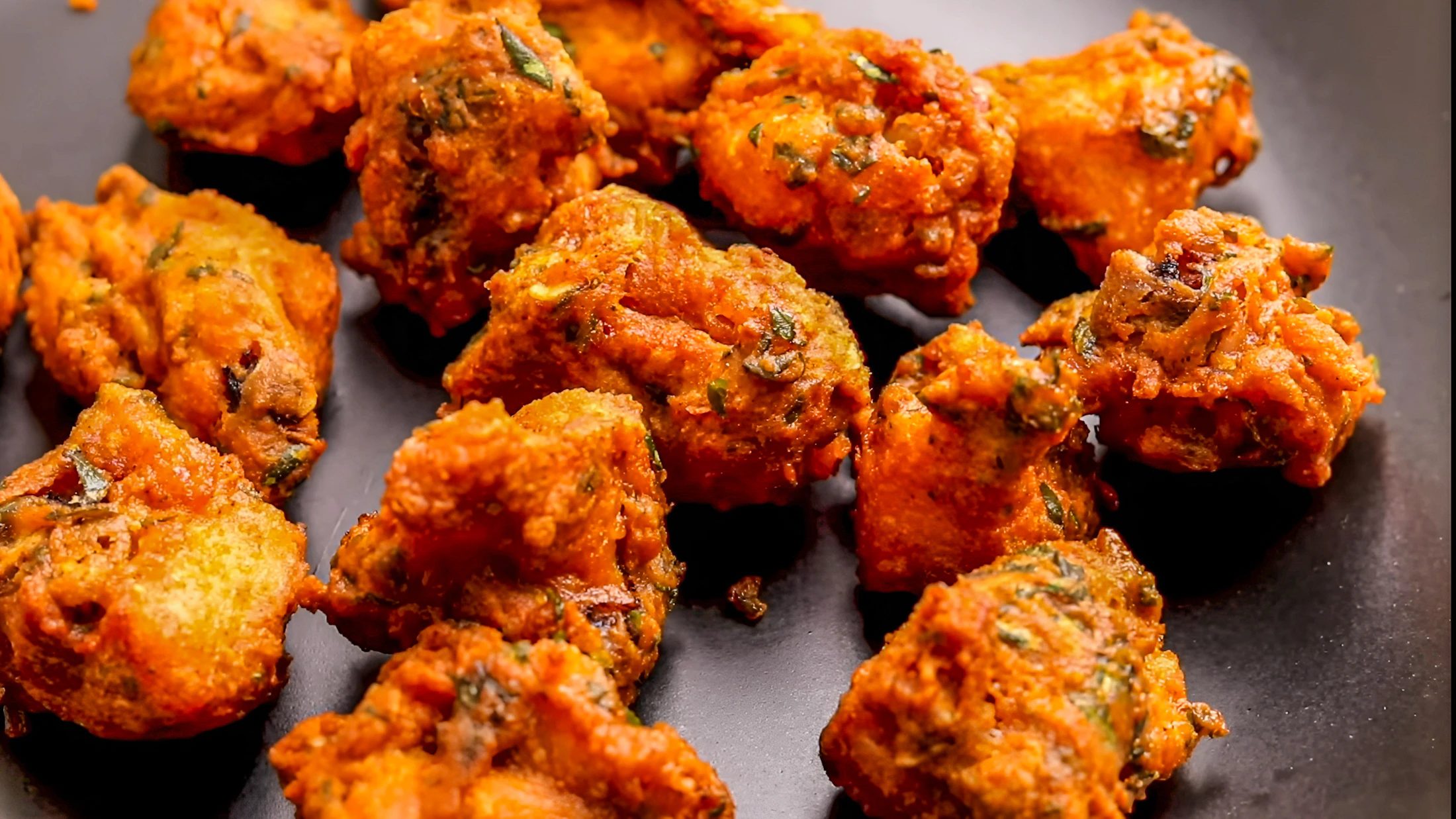
Pakoras go heavy for one of two reasons: the batter is carrying more water than it needs, or the oil cools every time another handful enters the pan. The spices matter, but crispness is mostly physics. Once that makes sense, you can change the vegetables without relearning the recipe.
A flexible bowl for four
- 180g besan (gram flour)
- 1 medium onion, thinly sliced
- 1 small potato, cut into very thin matchsticks or half-moons
- 1 packed cup spinach or chopped coriander, thoroughly dried
- 1 green chilli, finely chopped
- 1 tsp crushed coriander seeds
- 1 tsp cumin seeds
- ½ tsp red chilli powder
- ¾ tsp salt, added just before frying
- roughly 90–120ml water
- neutral oil for frying
Dry vegetables make a better batter
Wash leaves early enough to dry them properly. Slice onion and potato thinly so they cook in the same time as the batter. Put everything except salt and water into a large bowl.
Salt pulls water from vegetables, especially onions. That is useful once you are ready to fry and unhelpful if the bowl sits for half an hour. Add salt immediately before mixing the batter.
Add less water than you think
Stir the salted vegetables through the besan, then add water a little at a time. The mixture should cling around the vegetables rather than flow like pancake batter. Onion will release more liquid as you mix. Stop adding water before the bowl looks perfectly loose; it will soften further.
If the mixture becomes runny, add a spoonful of besan rather than enough dry flour to bury the vegetables. Good pakoras still look like the thing inside them.
Heat the oil before the first batch
A cooking thermometer removes guesswork: around 175–180°C is a useful frying range for many pakora recipes. Without one, drop in a tiny smear of batter. It should rise promptly with active bubbles, not sink and sit or darken instantly.
Keep children away from the hob and never leave a pan of hot oil unattended. Lower each small portion close to the oil rather than dropping it from height.
Small batches are the difference between crisp and greasy
Fry only enough pakoras to leave space around each piece. Overcrowding cools the oil and traps steam. Turn once or twice until the exterior is deep golden and the potato is tender. Drain on a rack or absorbent paper, then let the oil recover before the next batch.
A very dark outside with raw potato means the oil is too hot or the potato is too thick. Pale, oily pakoras usually point to oil that is too cool.
For iftar, do the chopping early and the mixing late
Prepare dry vegetables and spices ahead, but keep salt and water separate until close to frying. If you must fry slightly early, place pakoras on a rack in a low oven rather than sealing them in a covered container where steam softens the crust.
Serve with green chutney, tamarind chutney or simply chai. Pakoras do not need to be feather-light to be good, but they should have crisp edges, cooked vegetables and enough structure that the first bite does not taste mainly of wet besan.
How to plan this dish before the heat goes on: Crispy pakoras without a heavy batter
For Pakistani pakora recipe, preparation is part of the cooking. Read the method once, identify the ingredient that takes longest, and decide which components can be measured, chopped or cooled before the pan becomes busy. Pakistani home cooking often feels intuitive because experienced cooks have already internalised that sequence; writing it down makes the same intuition available to a newer cook.
With Pakistani pakora recipe as the focus, Keep raw meat, cooked food and ready-to-eat garnishes separate while you work. Put spices into a small bowl in the order they will be used, prepare a clean spoon for tasting after meat is cooked, and clear enough bench space that you are not balancing hot pans around packets. Good mise en place is not restaurant theatre; it prevents the stage where garlic burns because the tomatoes are still being chopped.
Use sensory cues instead of treating minutes as law: Crispy pakoras without a heavy batter
Recipes give times because readers need a starting point, but pans, burners, meat cuts, vegetable water content and altitude all change the clock. Learn the cues in Pakistani pakora recipe: whether the onion is actually golden, whether the masala has lost its raw smell, whether water has evaporated, whether rice grains are almost tender, or whether a batter has the right thickness.
In practical terms for Pakistani pakora recipe, Write down what you saw when a batch worked. “Tomatoes reduced until the spoon briefly exposed the pan” is a better future instruction than “cook 12 minutes” if your next hob is stronger. Sensory cooking makes a recipe portable between a British induction hob, a Pakistani gas flame and a family kitchen with a completely different pan.
Ingredient quality matters most where the recipe is simple: Crispy pakoras without a heavy batter
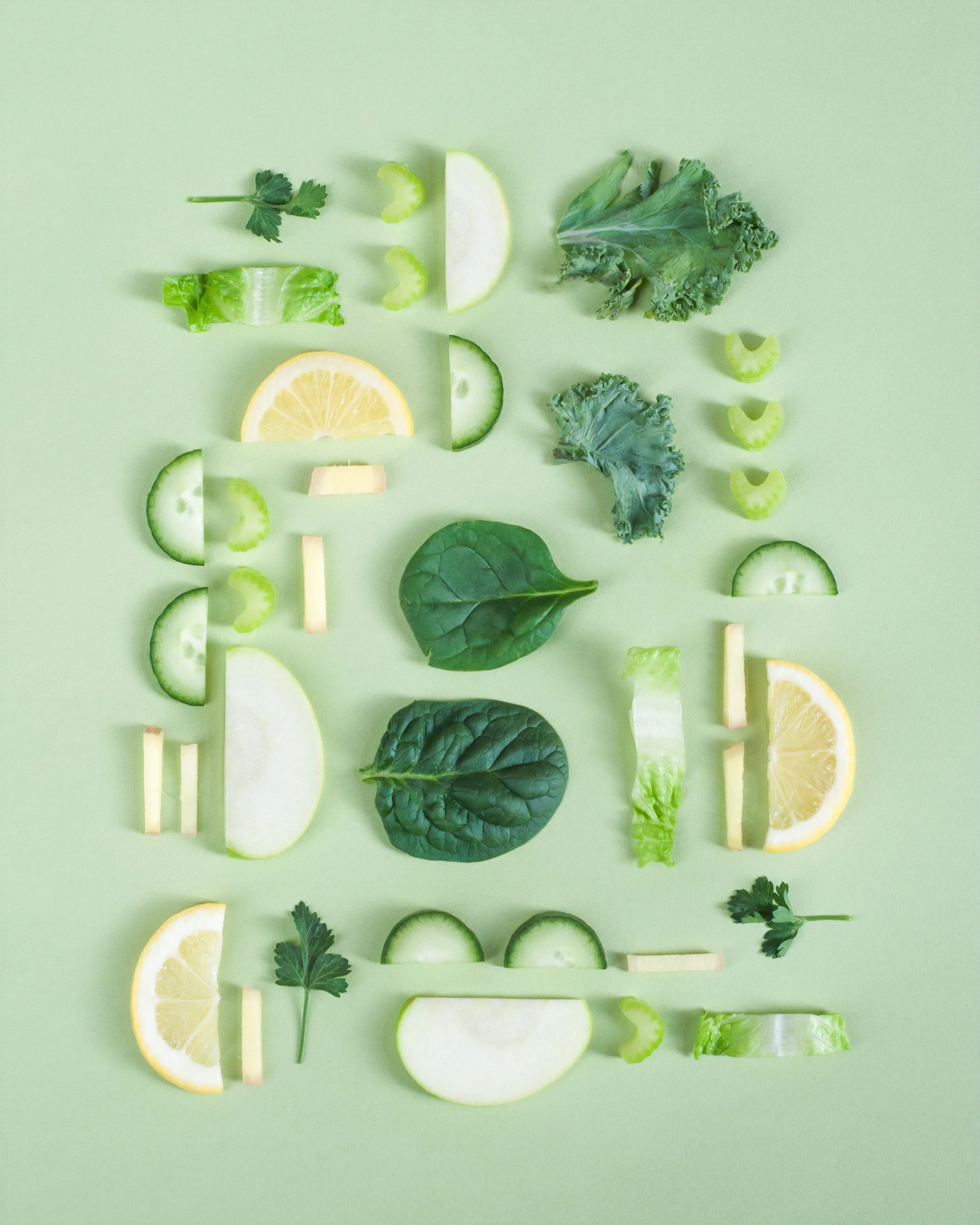
Applied specifically to Pakistani pakora recipe, When a dish uses relatively few ingredients, substitutions are more visible. Old ground spices can taste dusty, watery tomatoes can extend reduction dramatically, and rice from a different brand may need a different liquid ratio. Buy the best version that is practical, but do not confuse expensive with suitable.
If an ingredient is unfamiliar or difficult to find, change one thing at a time and record it. Replacing three spices, the main protein and the cooking fat at once may still make dinner, but it no longer teaches you how the original balance of Pakistani pakora recipe works.
Heat management is an ingredient: Crispy pakoras without a heavy batter
For a reader working through Pakistani pakora recipe, A high flame is useful for browning and evaporation; low heat is useful for tenderness and gentle finishing. Many disappointing Pakistani dishes come from leaving the burner at one setting for the entire recipe. Move deliberately between high, medium and low heat based on the job being done.
For Pakistani pakora recipe in particular, If a masala catches, lower the heat and add a small amount of hot water rather than pouring in enough liquid to erase the concentration you built. If food is pale and steaming instead of browning, the pan may be overcrowded or too cool. The sound of the pan is often as useful as the clock.
Scaling for guests needs more than multiplication: Crispy pakoras without a heavy batter
Doubling crispy pakoras without a heavy batter can double water and food mass without doubling evaporation surface or burner power. That is why a recipe that works for four can become watery for twelve. Use two pans, work in batches or allow extra reduction time when the cooking method depends on browning or evaporation.
With crispy pakoras without a heavy batter as the focus, Salt, chilli and strong whole spices should usually be increased more cautiously than the main ingredient. Add most of the calculated amount, taste when safe, then finish. A large batch is expensive to rescue after seasoning has overshot.
Make-ahead work should protect the final texture: Crispy pakoras without a heavy batter
Decide which stage improves after resting and which part should stay fresh. Slow meat bases, daal and some curries often reheat well; fried coatings, fresh herbs, crisp toppings and delicate breads generally do not. stop at the stage that preserves the part diners care about most.
Cool cooked food promptly in smaller containers rather than leaving a large hot pot at room temperature. Label freezer containers with the dish and date. A freezer full of unlabelled brown curries is not meal preparation; it is a guessing game.
Storage and reheating deserve the same care as cooking: Crispy pakoras without a heavy batter
Food safety does not become less important because the recipe is traditional. Refrigerate leftovers promptly, keep raw and cooked food separate, and reheat according to current food-safety guidance. Rice and poultry deserve particular attention because poor cooling or incomplete reheating can create risks that are invisible to taste.
Reheat only the amount you need where possible. Add fresh water, stock or garnish after reheating if the dish has thickened in the fridge. The goal is to restore texture without repeatedly cycling the whole pot through warm temperatures.
Build the plate around contrast: Crispy pakoras without a heavy batter
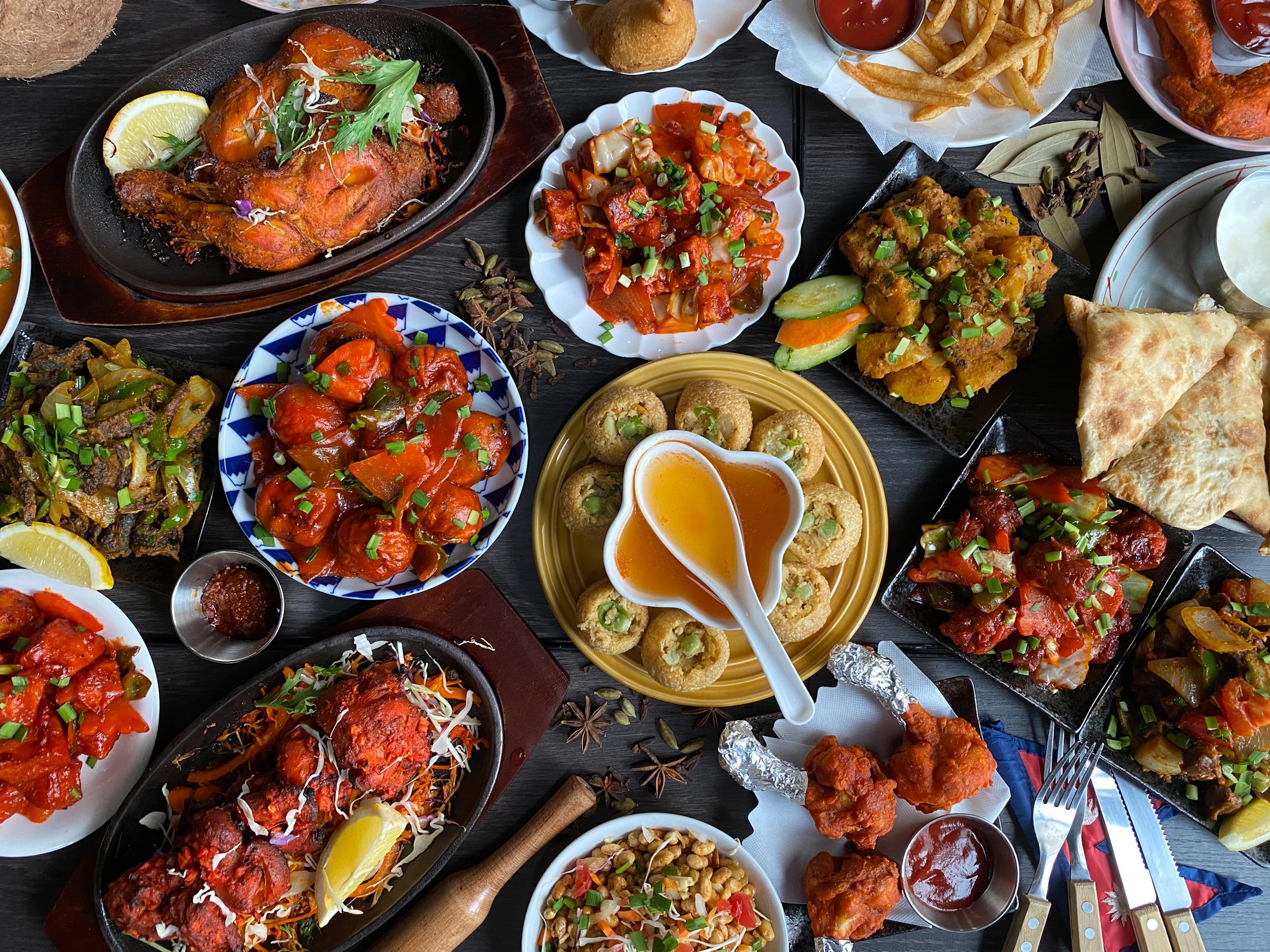
A rich or slow-cooked dish benefits from something fresh, acidic or crisp; a dry grilled dish may need yoghurt, chutney or a juicy salad. Think about the main dish before adding sides. Hospitality does not require five starches and three fried items beside a recipe that was already complete.
With crispy pakoras without a heavy batter as the focus, For family meals, put chilli, lemon, chutney and raw onion on the table rather than forcing every diner into the same heat level. That gives children, older relatives and people with different tolerances a way to adjust the plate without changing the core recipe.
Troubleshoot the process, not your ability: Crispy pakoras without a heavy batter
If crispy pakoras without a heavy batter is watery, ask where excess water entered and whether it had enough surface area to leave. If it is tough, ask whether the ingredient needed longer gentle cooking. If it is greasy, consider the fat content of the meat and whether free oil could be removed. Specific questions produce specific fixes.
Keep notes for the next attempt: pan size, brand of rice or flour, approximate cooking time and the one adjustment you would make. Home cooking becomes reliable through small recorded corrections, not through deciding you are either “good” or “bad” at a dish.
Respect regional and family variation: Crispy pakoras without a heavy batter
Pakistani recipes move between cities, languages, migration routes and individual kitchens. A family in Karachi may finish the same named dish differently from a family in Peshawar or Birmingham. Treat those differences as evidence of a living cuisine rather than a contest that requires one winner.
The useful test is whether your method is honest about what it is and produces the texture and flavour you intended. Learn the classic structure first, then adapt with enough understanding that the change is a choice rather than an accident.
Sources and official profiles
Filed under
Was this helpful?
Keep reading
Related stories
More from this desk, this beat, and the tags on this piece.
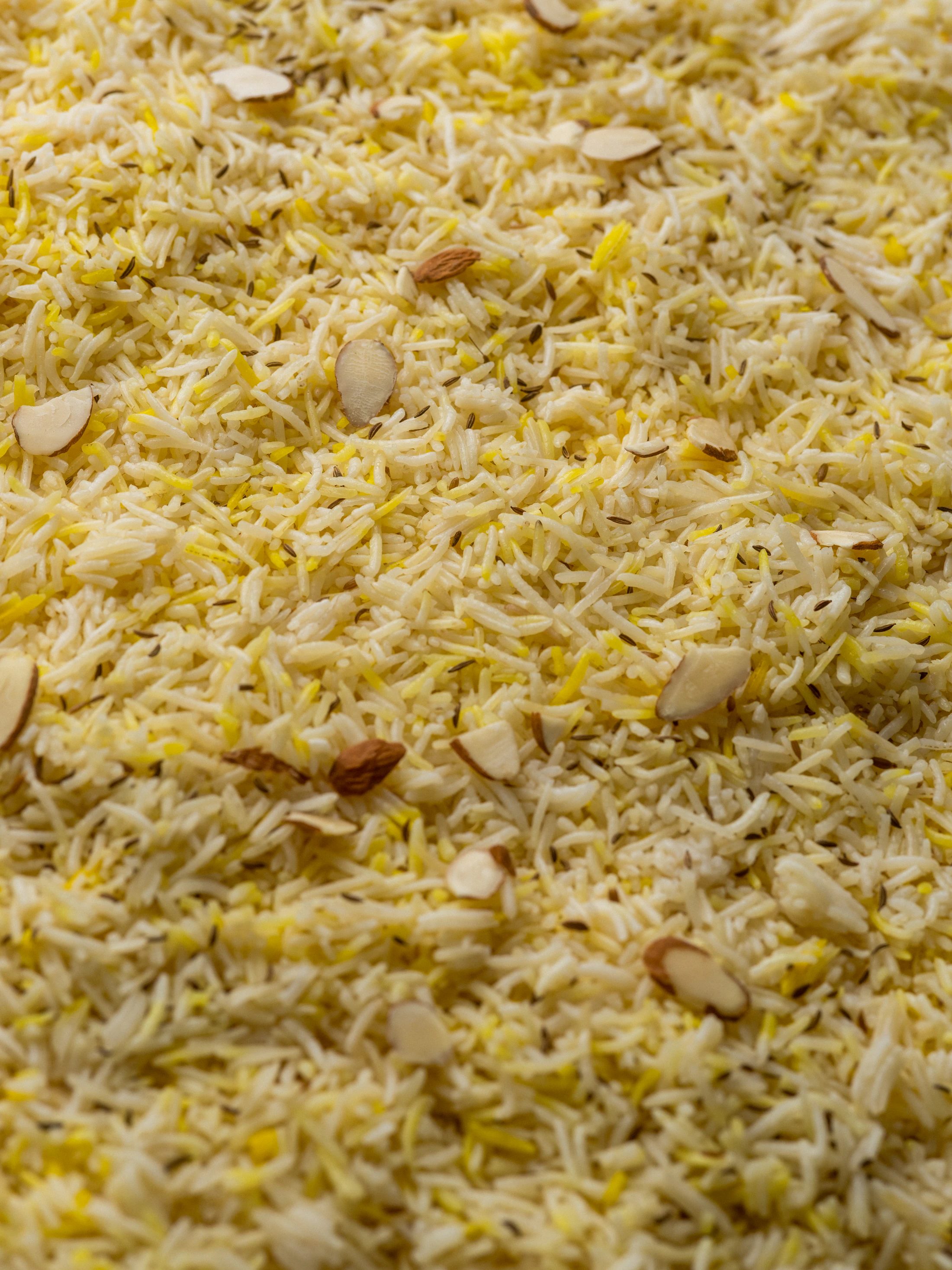
Chicken yakhni pulao: build the stock before you think about the rice
Hassan Raza · 4 Oct 2026
Vegetarian Pakistani meals built around daal, beans, and vegetables
Hassan Raza · 30 Aug 2026
Readers
The conversation
0 notes
Anyone can leave a note. Guests add a name and email — no account required, and the email is never published.
No notes yet. Yours would be the first.