Choosing a US catering tray for an office iftar
Book office iftar catering in a US workplace with Maghrib timing, allergen cards, safe holding temperatures, and a concrete halal-verification conversation, without restaurant rankings.
An office iftar fails less often from “the wrong biryani” than from trays that arrive late, labels that hide sesame or dairy, or a halal claim nobody can explain when a fasting colleague asks. If you are the person booking catering for a US workplace break, treat the evening as operations: headcount, sunset clock, building rules, allergens, temperature, and a sourcing answer you can share in writing. Guidance below was checked against public FDA allergen and USDA FSIS takeout and leftover pages as of September 2026. Still confirm your catering kitchen’s own labels and policies for the day you serve. This is not a ranked restaurant list.
Lock three facts before you open a menu PDF: headcount (including who is fasting and who is only joining for dates and water), the Maghrib time for your city that evening, and any building rules about hot boxes, chafing fuel, and after-hours cleanup. Menu poetry and Instagram plating come after those constraints.
Allergen cards before flavour stories
US colleagues may manage milk, egg, peanut, tree-nut, wheat, soy, fish, crustacean shellfish, or sesame allergies. Sesame is explicitly listed among the FDA’s nine major food allergens under the FASTER Act framework summarised on the agency’s sesame allergen page. Pakistani and broader South Asian trays often involve yoghurt marinades, ghee, wheat roti, soy sauce in “Indo-Chinese” sides, tree-nut garnishes on desserts, and sesame on naan or in chutneys. None of that is a reason to cancel. It is a reason to refuse mystery trays.
- Require a written dish list with every major allergen called out per tray, not a verbal “it’s mostly vegetarian.”
- Ask about cross-contact on shared grills, fryers, and cutting boards, especially if someone has a severe peanut or sesame allergy.
- Label on the table in plain English: dish name, meat or vegetarian, and allergens. Do not make a colleague reverse-engineer a gravy.
- Keep one clearly safer lane such as fruit, plain dates, sealed water, and a labelled vegetarian tray without nut garnish, so fasting people with restrictions are not stuck with nothing at Maghrib.
Time the tray to Maghrib, not to the courier’s optimism
Work backward from sunset. If Maghrib is 7:42 p.m., decide when trays should be in the room, labelled, and ready to open, usually fifteen to thirty minutes earlier so dates and water are already set. Ask the caterer for a ready-by time, a delivery window, and what happens if the driver is late. Hot food that sits in a lobby for an hour is a different risk than food held properly hot.
USDA FSIS take-out food safety guidance is blunt: keep hot foods at 140°F (60°C) or above and cold foods at 40°F (4°C) or below; discard perishable food left at room temperature longer than two hours (one hour if the air is above 90°F). An office conference room is still “room temperature.” If you cannot hold trays safely, order less, serve promptly, and plan disposal. Do not invent a second dinner from food that sat uncovered through a long dua and a photo line.
FSIS leftovers guidance adds the follow-through: refrigerate perishable leftovers within that same two-hour window, use shallow containers, and reheat leftovers only once until steaming hot throughout if your workplace allows a next-day share. Orphan trays “for whoever wants lunch tomorrow” without a named owner and a dated lid are how fridge politics and food safety collide.
- Staging: dates, water, and salt first; mains second; sweets last.
- Portions: fasting stomachs need a calm first bite more than a mountain of spice. Order for how people actually eat at Maghrib, not for how a wedding buffet photographs.
- Building constraints: confirm whether open flame, sterno, or electric warmers are allowed on your floor. A beautiful chafing setup that trips fire policy is not hospitality.
- Cleanup owner: name one person who stays fifteen minutes after eating to bag rubbish, wipe tables, and move leftovers to the fridge or the bin.
Halal verification as a method, not a sticker glance
“Halal” on a website banner is a marketing word until someone answers sourcing questions. For an office iftar, you are verifying a claim for colleagues who may hold different standards. Some accept certified supermarket poultry. Some want a named zabihah butcher. Some avoid gelatin desserts or alcohol-cooked sauces. Your role is to collect clear answers and share them, not to declare a ruling for the floor.
Use this conversation script with the caterer’s own channels (phone or email on their official page), and keep the written reply:
- Which proteins on the tray are claimed halal, and which are simply vegetarian?
- Who supplies the meat or poultry, and is there a certification body or butcher practice you can name?
- Are marinades, broths, desserts, and flavourings free of alcohol and pork-derived gelatin, or should we skip those dishes?
- Can you confirm in writing for the date of our order?
If answers are vague, swap to a vegetarian-forward tray with labelled dairy and allergen notes, or choose a kitchen that documents sourcing. Do not pressure non-Muslim colleagues into theological debate. Put the verified dish list on the table and let adults choose.
Menu choices that survive an office table
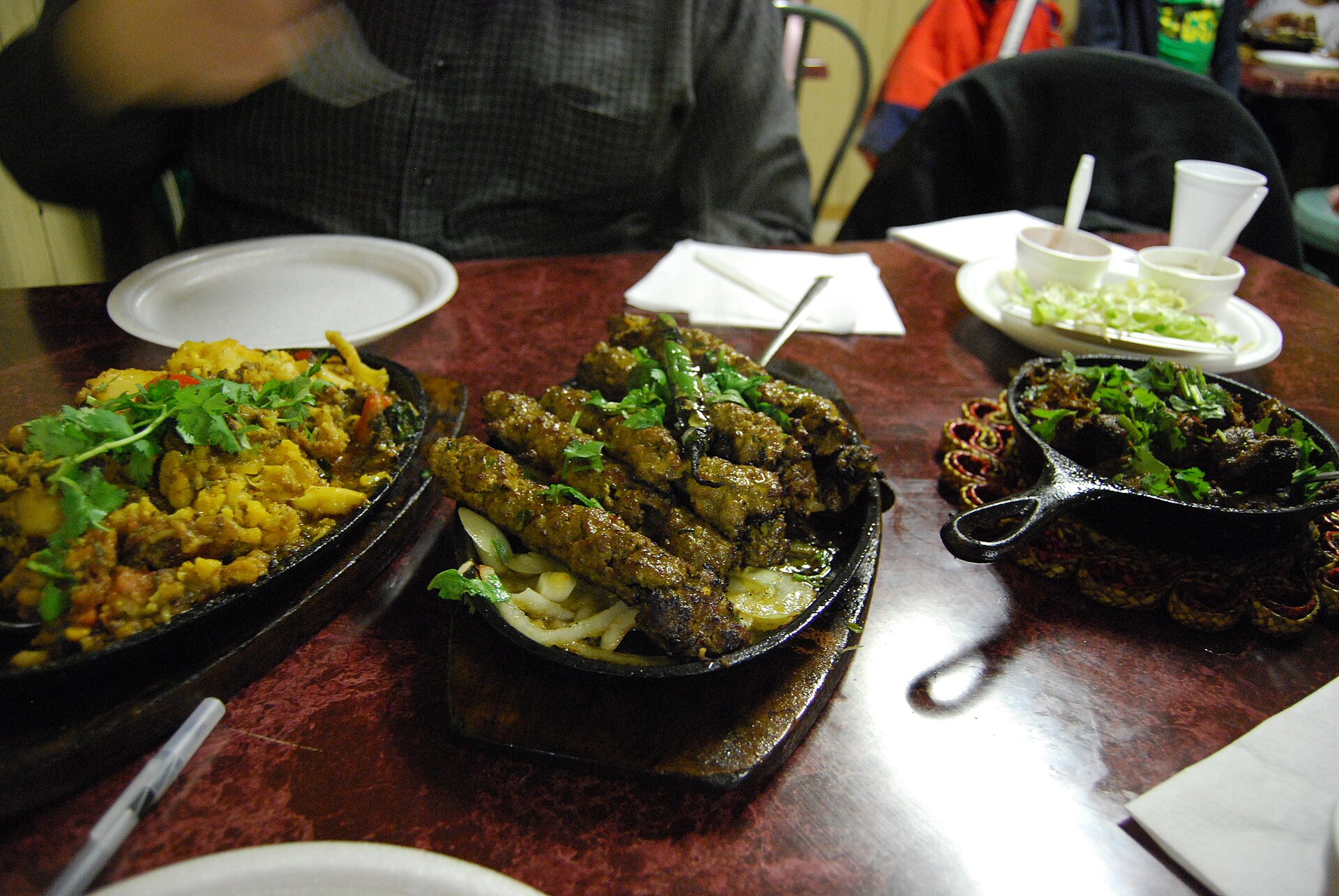
Choose dishes that hold temperature honestly and that colleagues can plate without a carving lesson. Seekh, chicken pieces, and dry sabzi travel better than floating biryani that dries into a crust under a lid. Sauces in separate containers beat flooded trays. Roti or naan that arrives wrapped and warm is more useful than a decorative stack that goes cold while people still find seats.
Offer a vegetarian main that is not an afterthought garnish. Many fasters and non-fasters will choose it if the meat claim is unclear. Keep desserts simple and labelled: milk sweets, nut toppings, and gelatin-based items need to be named, not discovered mid-bite.
Budget for disposables your facilities team allows, or confirm dishwash capacity if you use reusables. A beautiful ceramic plan that leaves someone scrubbing at 9 p.m. is how volunteers disappear next Ramadan.
Colleagues who are not fasting, and colleagues who cannot eat your tray
An office iftar can welcome non-fasting colleagues without turning Maghrib into a mandatory tasting. State clearly that attendance is voluntary, that eating is optional, and that nobody needs to announce their worship plans. Provide water and dates first so fasters are not waiting behind a buffet queue of curious snackers.
For colleagues with severe allergies or religious dietary rules that your kitchen cannot document, keep sealed packaged options labelled and separate. Do not argue that “everyone loves this.” Inclusion is choice plus information, not pressure.
If your workplace has a multi-faith calendar, check whether another observance shares the week so you are not competing for the same conference room and fridge shelf without a plan.
A booking sequence that usually works
- Confirm Maghrib time, room booking, and building food rules for that date.
- Collect headcount and allergy notes (anonymous spreadsheet is fine).
- Shortlist two kitchens that will answer allergen and halal questions in writing.
- Place the order with a ready-by time, not only a delivery estimate.
- Print or write table cards the morning of; stage dates and water early.
- Serve, then either refrigerate promptly or discard perishable leftovers on schedule.
Costs, tips, and the invoice trail
Ask for an itemised quote that separates food, delivery, warmers, disposables, and tax. Confirm gratuity policy in writing. Expense systems often need a vendor W-9 or invoice on letterhead; collect that before Maghrib panic. If multiple teams share cost, decide who places the order so allergen and halal answers live in one email thread.
Order slightly under optimistic headcount if your room has a hard occupancy limit, and keep a sealed backup of dates and water in case trays are late. Under-ordering with a clear backup lane beats over-ordering into the two-hour discard rule.
A successful office iftar is food that arrives on time, can be explained, and lets people break their fast without guessing what is in the gravy.
After Maghrib: the fifteen-minute close
End the share on purpose. Cover trays, move perishable leftovers into shallow labelled containers within the FSIS time window, wipe the table, and take rubbish to the correct bin. Ask for an itemised quote that separates food, delivery, warmers, disposables, and tax, and collect invoice paperwork before Maghrib panic if your company expenses the meal. Put the cleanup owner’s name on the calendar invite so the iftar does not become next year’s blocked booking.
Sources and official profiles
Was this helpful?
Keep reading
Related stories
More from this desk, this beat, and the tags on this piece.

Readers
The conversation
0 notes
Anyone can leave a note. Guests add a name and email — no account required, and the email is never published.
No notes yet. Yours would be the first.