Air-fryer samosas and pakoras that still taste fried
Crisp samosas and pakoras in a US air fryer with oil mist, sparse batches, frozen vs fresh timing, and USDA temperature checks, without claiming they are deep-fry clones.
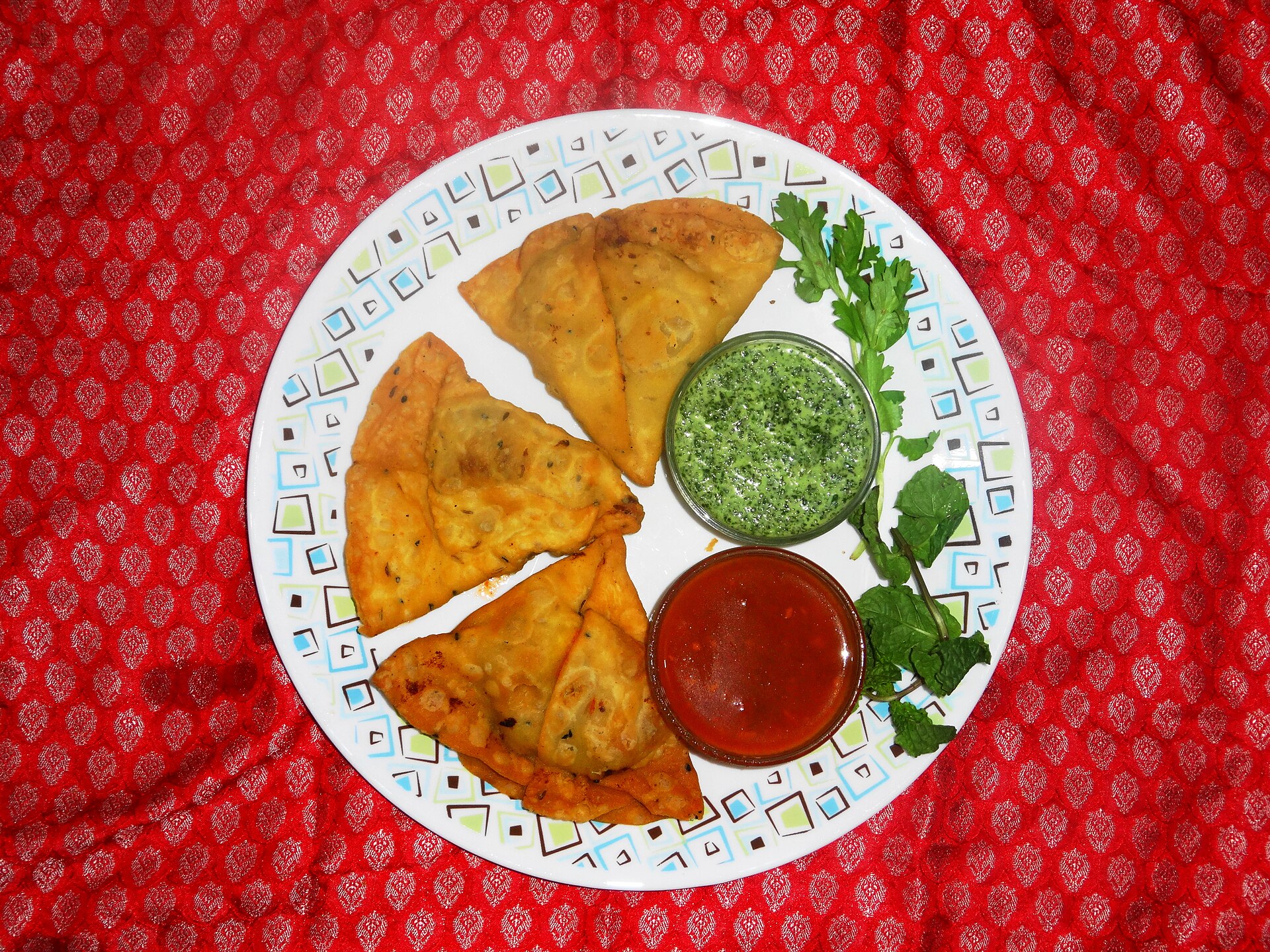
An air fryer will not recreate the floating, blistered shell of a karahi full of oil. What it can do, in a US kitchen after school or before guests arrive, is give you a crisp exterior, a hot filling, and far less cleanup, if you treat it as a dry-heat tool with a small oil assist rather than a magic deep fryer.
Start with the outcome you will accept. Deep frying coats pastry and batter in moving fat; an air fryer’s fan browns by circulating hot air around a thin film of oil. Expect a slightly drier crunch, fewer irregular bubbles, and better results from pastry samosas than from very wet pakora batter. That gap is technique, not failure.
Oil mist, not oil bath
Brush or spray a light, even mist of a high-smoke-point oil on both sides of a filled samosa or on the outer surface of a formed pakora. You want sheen, not pooling. Too little oil and the pastry stays pale and papery; too much and you get greasy spots without the buoyancy of true frying. Shake the basket once midway so the side that sat against the grate browns as well.
Leave space. Crowding drops the temperature around each piece and steams the coating. One sparse layer, with a finger-width gap between items, outperforms two overlapping batches every time. If you are feeding a crowd, run sequential loads and hold finished pieces on a wire rack in a low oven rather than stacking them in a covered dish.
Food safety before texture pride
Treat frozen meat or poultry fillings as products that must reach a safe internal temperature, not merely “look browned.” The USDA FSIS food-safety hub and safe temperature chart are the baseline for doneness. Use a food thermometer for meat or poultry fillings. Colour is not a safety test. When a package lists a time and temperature, use those as your starting point and verify.
Thawing decisions matter. FSIS safe defrosting methods are refrigerator, cold water, or microwave, not an all-day counter thaw. Many freezer samosas can go straight into the air fryer from frozen; read the panel. If you thaw, cook promptly. Leftovers should be cooled and refrigerated following FSIS leftovers guidance.
Frozen packets versus fresh dough
Grocery-freezer samosas and pakoras are already par-cooked or fully cooked in many brands; read the panel before you invent a schedule. Fresh homemade pastry usually needs a slightly longer window and benefits from a second light mist after the first shake. Frozen batter-coated pakoras often release moisture as they heat. Pat ice crystals dry, then oil lightly so the exterior can crisp instead of steaming itself soft.
Potato samosas forgive slight under-browning. Keema and chicken fillings do not. If you make filling ahead, chill it properly before sealing pastry so you are not loading warm wet filling into a basket.
Texture expectations you can defend
- Pastry samosas: Aim for audible crackle and a dry seam. If the pastry softens after sitting, a two-minute return to the basket restores crunch better than covering them.
- Potato or vegetable fillings: These forgive slight under-browning; meat fillings do not.
- Pakoras: Expect a more even, less frilly crust than deep frying. Chickpea batter should be thick enough to cling; watery batter drips through the grate and burns.
- Reheats: Air fry leftovers to heat through and re-crisp; do not microwave if crunch is the point.
| Product | Prep tip | Safety focus |
|---|---|---|
| Frozen pastry samosa | Light oil; space; shake once | Panel time; thermometer if meat |
| Fresh pastry samosa | Seal well; second mist | Chilled filling; thorough heat |
| Pakora (fresh) | Thick batter; sparse layer | Cook through; drain on rack |
| Pakora (frozen) | Dry ice crystals; oil lightly | Follow panel; verify meat temps |
A realistic weeknight sequence
Heat the air fryer while you plate chutney and salad. Load the first sparse batch. Set a timer for the midpoint shake. Start rice or warm bread only after the first batch looks close, so you are not holding crisp food for twenty minutes. Serve the first plate while the second batch runs. This sequence matters more than chasing a single magical temperature number copied from a stranger’s reel.
If children are hovering, assign them the safe jobs: carrying plates, stirring yoghurt, not poking the hot basket. Burn risk is real. Read your appliance manual for preheat and maximum oil guidance; manufacturers differ.
Samosa pastry notes for home kitchens
Spring-roll wrappers brown quickly and can dry out; mist lightly and watch early. Traditional layered pastry wants enough oil sheen to conduct heat into the layers. Seal with flour paste or water firmly; gaps vent steam and leave pale belts. Trim excess pastry that would otherwise fold into thick, doughy corners the fan cannot finish evenly.
If you bake a tray in a conventional oven instead, you are in a different method with longer times and often drier results. This page stays with the air fryer because that is the appliance many US apartments actually use on a Tuesday.
Pakora batter that survives the grate
Chickpea flour batter should coat and cling. If it ribbons off like water, add flour. If it sits like cement, loosen carefully. Salt draws moisture; mix and use without long rests if your vegetables are wet. Onion pakoras benefit from squeezing excess liquid from the onion before battering. Spinach should be dry to the touch. Drop spoonfuls with space; touching edges fuse into a steamed mass.
Spice the batter the way your house likes, but remember powdered spices can brown faster than the interior cooks. Balance heat so the crust does not outrun the centre.
Chutneys, holding, and guest timing
Make or thaw chutneys while the first batch runs. Hold finished pieces on a rack, not in a sealed box where steam undoes your work. If guests are late, a brief return to the basket beats leaving samosas in a switched-off fryer to sog. Label anything with nuts or dairy for mixed crowds; FDA food allergy literacy still applies when you host.
Filling moisture is the hidden variable
Keema that is oily from the pan will soak pastry from the inside while the outside browns. Cool and drain fillings. Potato mash should be dry enough to hold a shape, not wet enough to steam the seam open. If you add cheese or very wet vegetables, expect more steam and plan a slightly longer dry-heat finish with an extra shake.
For leftover roti wraps reinvented as “samosa-like” snacks, remember they are a different product. Seal edges firmly and do not overload. The air fryer will highlight weak seals by opening them.
Thermometer habits without anxiety theatre
Keep a simple instant-read thermometer if meat fillings are common in your house. Check the thickest centre of one piece per batch. Clean the probe between checks. If a piece is behind on temperature, return the batch rather than serving a pretty undercooked centre. Guests remember stomach trouble longer than they remember a two-minute delay.
Cleaning the machine so the next batch does not taste like fish
Wash the basket according to the manufacturer’s instructions after oily runs. Built-up residue smokes at lower temperatures and flavours the next sweet item you foolishly cook after masala. Store the fryer dry. If your unit smokes excessively with a light oil mist, check for residue and for oil pooled under the grate.
When deep frying is still the right tool
Wedding quantities, very wet pakora batters, and the emotional need for classic blistering may still want a pot of oil. FSIS discusses deep-fat frying safety in its public materials; watch oil temperature, never leave a pot unattended, and keep children clear. The air fryer is a weeknight and small-guest tool. It is allowed to be excellent at that job without pretending to be a caterer.
Crisp, hot, and honest about the method beats a viral claim that nobody can taste the difference. Use oil lightly, give pieces space, respect thermometer temperatures for meat, and serve before steam softens the work you just did.
Sources and official profiles
Was this helpful?
Keep reading
Related stories
More from this desk, this beat, and the tags on this piece.
Readers
The conversation
0 notes
Anyone can leave a note. Guests add a name and email — no account required, and the email is never published.
No notes yet. Yours would be the first.