Batch-cooking freeze-ahead keema for US weeknights
How to cook, cool, portion and freeze keema so a US weeknight dinner is a thaw and a reheat, with USDA leftover and freezing rules kept honest.
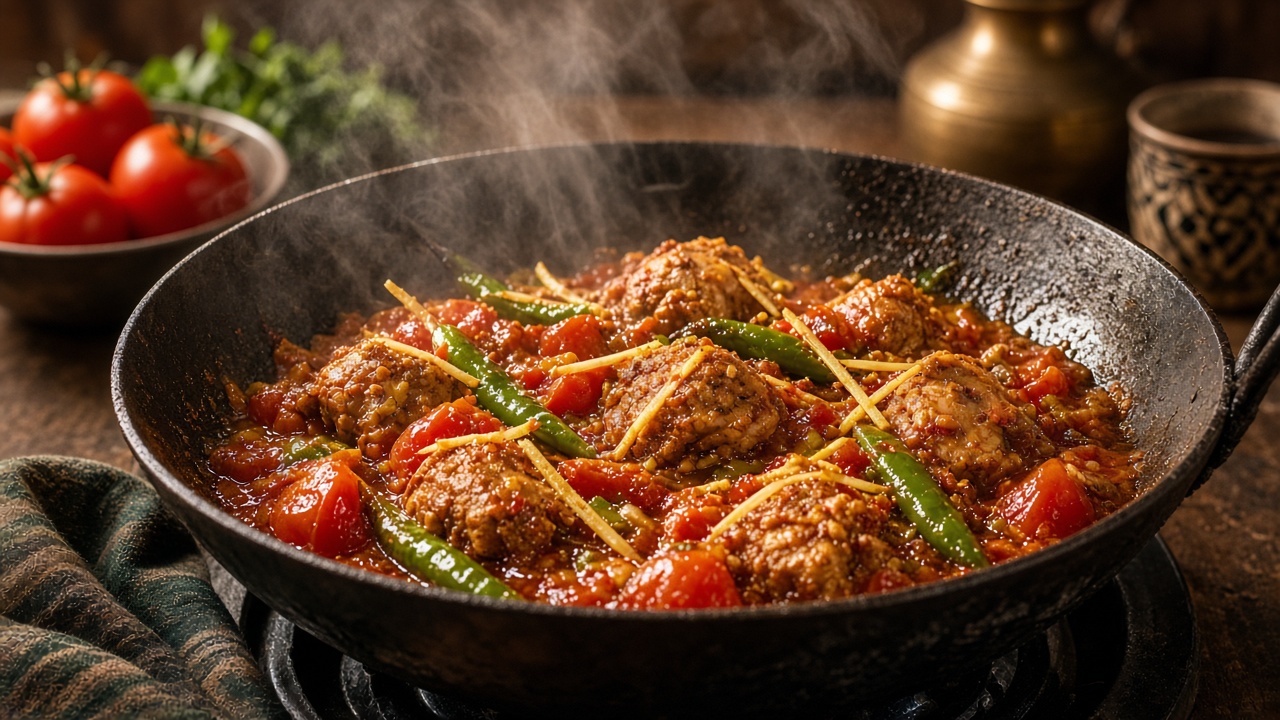
Keema is weeknight gold when it is already cooked. The failure mode is a deep pot of warm mince left on the counter while you pack lunches, then a freezer brick that reheats grey at the edges and frozen in the middle. US diaspora kitchens that batch-cook on Sunday need a cooling and freezing method that respects food safety as much as spice.
This article is general home food-safety and freezer logistics for cooked keema, checked against USDA Food Safety and Inspection Service (FSIS) public guidance around September 2026. It is not a ranked recipe contest, not restaurant technique, and not personalised medical advice. Adjust spice and fat to your household; do not adjust the temperature rules.
Cook the mince as if the thermometer matters
Keema starts as ground meat. Grinding mixes surface bacteria through the batch, which is why FSIS treats ground beef differently from a whole steak. Public FSIS ground beef guidance tells home cooks to cook raw ground beef, pork, lamb, or veal to a safe minimum internal temperature of 160°F (71.1°C) as measured with a food thermometer. Ground poultry needs 165°F. Colour alone is not a reliable doneness test for mince.
Brown thoroughly in batches if your pan is crowded. Crowding steams the meat and leaves grey, wet clumps that never develop flavour. Cook off the raw spice taste. Finish while the mixture still looks slightly moist; freezer storage will firm it. If you add peas, potatoes, or tomatoes, cook those through as well rather than trusting a later microwave blast to finish undercooked vegetables inside a frozen block.
The FSIS safe minimum internal temperature chart also sets leftover reheating at 165°F. That number will matter again when Thursday's thaw hits the pan. Keep a cheap instant-read thermometer in the utensil drawer. It is more useful than another spice jar for batch cooking.
Cool in shallow layers, not in the pot you cooked in
Bacteria multiply fastest in the "Danger Zone" between 40°F and 140°F. FSIS leftovers guidance is blunt: refrigerate perishable food within two hours of cooking, or within one hour if the room is hotter than about 90°F. Place food into shallow containers so the centre drops temperature quickly. A deep stockpot of warm keema on the counter while you answer email is how a Sunday project becomes a Monday risk.
Divide a double batch into flat trays or wide boxes no more than a couple of inches deep. Stir once as it cools if the surface skins over. Move containers into the fridge once steam has largely stopped. Do not leave the lid sealed tight on a still-hot mass; trapped steam slows cooling and softens texture.
If your kitchen is hot in summer, start the clock when the pan leaves the heat, not when you "meant" to pack. Ice baths under a metal tray can speed the drop for a large batch, but the food still belongs in the fridge promptly afterward. Do not invent a "resting" period that is really neglect.
Portion for real dinners, then freeze flat
Freeze flat in labelled bags or small boxes: date, spice level, meat type, and whether peas are already in. Flat packs thaw faster than deep tubs and stack more politely in a crowded apartment freezer. Keep one portion soft in the fridge for tomorrow if you will eat it within a few days, and send the rest to the freezer promptly.
FSIS freezing and food safety guidance explains that food held constantly at 0°F remains safe; quality is what declines with time. Cooked leftovers are generally best within about two to three months for quality on the FSIS freezer chart. Spread packages in a single layer until solid, then stack. Never thaw on the counter all afternoon.
Label with a permanent marker before the bag frosts over. "Keema, beef, mild, 21 Sep, peas in" beats a mystery brick in February. Press air out of freezer bags without squeezing hot food. Freezer burn is a quality problem, not an automatic safety verdict, but dried edges taste like cardboard and tempt people to over-sauce a weak reheated pan.
Safe thawing routes that fit a US weeknight
FSIS lists three safe thawing methods: in the refrigerator, in cold water, or in the microwave. Refrigerator thawing is the calm default. Move a flat pack to the fridge the night before. Cold-water thawing needs a leak-proof bag and water changed about every thirty minutes, then cook immediately. Microwave thawing also means cook immediately, because edges may warm while the centre is still icy.
Once thawed in the fridge, cook or reheat soon. FSIS notes that leftovers should generally be used within three to four days of refrigeration. Do not refreeze keema that sat out longer than two hours (one hour above 90°F). If you thawed more than you need and it stayed refrigerated, you may refreeze with some quality loss, but the cleaner habit is to portion smaller in the first place.
Plan the thaw when you plan the calendar. A Tuesday late shift means Monday-night fridge transfer. A forgotten brick still frozen at 6 p.m. is a cold-water or microwave job followed by immediate cooking, not a counter thaw "just this once."
Reheat until steaming hot throughout
Reheat on the stove with a splash of water, lid on, stirring so cold pockets disappear. In a microwave, stir halfway and check the centre. Aim for 165°F in the middle, not merely warm gravy on top. If you add fresh tomatoes, potatoes, or spinach at reheat time, cook those through rather than trusting the frozen mince alone to heat them.
Do not partially reheat, cool, and reheat again as a daily ritual. Serve what you warm. Leftover reheated portions belong back in the fridge promptly if anyone will eat them later the same day, still within the short leftover window. A thermos of reheated keema for lunch still needs the same cook-hot, pack-hot discipline you would give any leftover meat.
Spice timing, batch sizes, and freezer flavour
Whole spices fried in oil early will taste different after a month frozen than fresh green chilli added at the end. If you want bright heat later, freeze a milder base and finish with fresh chilli, lemon, or chopped coriander after reheating. If you want identical flavour every time, season fully before freezing and accept that some aromatics will mellow. Fat content matters: spoon off excess grease before packing if the batch looks oily. Yoghurt finishes are often better added after thawing.
Measure the empty shelf before you buy five pounds of mince on sale. Cook what you can cool and freeze in one focused hour. Two well-handled trays beat one heroic cauldron that spends three hours lukewarm in the Danger Zone. Keep one mild batch and one hotter batch if your household splits on chilli.
What a freezer stash will and will not fix
A freezer stash will not replace every fresh karahi. It will stop Thursday from becoming another delivery-app open tab when the house is tired and still hungry for something that tastes like home. Buy meat you will cook soon. FSIS advises refrigerating raw ground beef promptly and using it within one to two days, or freezing. Cooked keema that was cooled and frozen properly is a weeknight tool. Warm mince that sat out through Maghrib and homework is not a thrift project.
When in doubt, throw it out and cook a smaller fresh pan. The freezer only rewards the batches you handled cleanly. Taste is memory. Safety is temperature, time, and shallow pans. Keep both on the same Sunday list.
From freezer to table without a second takeaway
Pair a thawed portion with something fast and ambient: leftover roti warmed in a dry pan, microwave rice you handled safely, or baked potatoes. The point of freeze-ahead keema is to shrink the cooking decision, not to launch a second project. Keep chutney and chopped onion in the fridge for the week you plan to use a portion so the plate still feels complete.
If the batch tastes dull after storage, fix with acid and salt at the end, not with endless reheating that dries the meat. A squeeze of lemon, a pinch of chaat masala, or fresh herbs will do more for a well-cooked thawed keema than another ten minutes on high heat. Serve rice or bread that was handled with the same leftover discipline; a perfect keema beside neglected rice is still a failed weeknight plan.
Write the cook date and the "eat by quality" month on every bag. A freezer full of anonymous bricks teaches waste. A freezer full of dated, shallow, fully cooked keema teaches Thursday night calm.
Sources and official profiles
Was this helpful?
Keep reading
Related stories
More from this desk, this beat, and the tags on this piece.
Readers
The conversation
0 notes
Anyone can leave a note. Guests add a name and email — no account required, and the email is never published.
No notes yet. Yours would be the first.