Building a freezer biryani stash for US weeknights
How US diaspora kitchens batch biryani for weeknights: cool in shallow portions, pack and label, then thaw and reheat using USDA FSIS leftover and freezing baselines rather than freezer folklore.
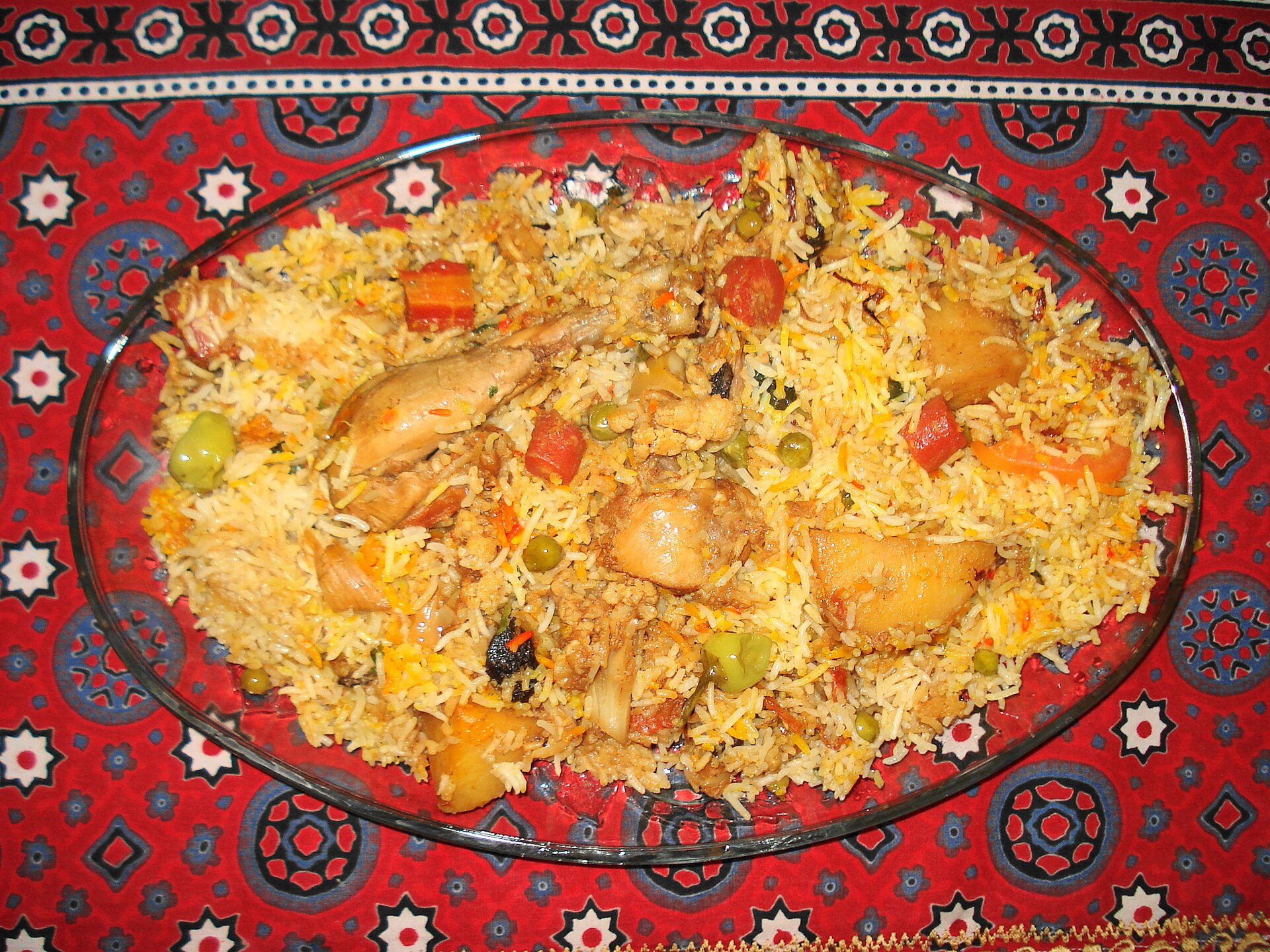
Sunday biryani that feeds Wednesday is a diaspora survival skill until a deep pot sits warm on the counter while everyone scrolls, or a single giant tub freezes into a brick you cannot thaw before soccer practice. A freezer stash is not a different recipe. It is cooling, portioning, labelling, and reheating with the same seriousness you gave the dum.
This is freezer technique for US kitchens, checked against public USDA and FDA consumer pages around September 2026. It is not medical advice, and it is not a promise that every biryani freezes into its wedding-day self.
Cool fast enough that the freezer is a plan, not a rescue
Cook the biryani fully first. Food-safety baselines for leftovers start with food that was cooked properly, then moved out of the temperature danger zone without lingering. The USDA Food Safety and Inspection Service leftovers and food safety page advises refrigerating or freezing leftovers promptly: within two hours, or within one hour if the ambient temperature was above 90°F. Use shallow containers so food cools quickly. A mountainous pot left “to settle” on the stove fails that standard even if the top looks harmless.
FSIS’s Danger Zone guidance explains why that clock matters: roughly 40°F to 140°F (4°C to 60°C) is where bacteria multiply fastest. Biryani’s rice, meat, and layered steam make deep pots especially slow to cool in the centre.
Spread biryani into shallow trays or wide containers so steam can leave. In a small apartment kitchen, that may mean two sheet pans and a rotating fridge shelf rather than one heroic casserole. Once the steam has dropped and the food is no longer hot in the centre, portion for the freezer. Do not park a still-steaming tub in a crowded freezer where it warms everything around it. Finish the cool-down in the refrigerator if needed, then freeze.
Which biryani styles freeze more kindly
Not every regional style behaves the same after a freeze. Meat-forward packs with less delicate garnish usually reheat more predictably than a wedding tray heavy with fried onions that turn limp, fresh herbs that blacken, and boiled eggs that go rubbery. If your household loves those finishes, freeze a concentrated meat-and-masala layer and add fresh rice, onions, or herbs on the weeknight. That is still a stash, just a smarter split.
Sindhi-style spice, Lucknowi restraint, Hyderabadi heat, or a home karahi-biryani hybrid: the food-safety rules do not change with the masala. What changes is how much texture you are willing to trade. Rice-heavy packs will not taste identical after freezing. Accept a slightly softer grain and plan contrast on the plate (fresh salad, lemon, quick pickle, or yogurt made the night you eat) rather than chasing a dum texture that only exists on day one.
Bone-in packs and boneless packs also behave differently. Bones can improve flavour and then complicate weeknight reheating for children. If the stash is meant for lunchboxes as well as dinners, favour boneless portions and keep bone-in packs for evenings when someone can eat carefully. Label spice level honestly. “Mild for kids” that is not mild becomes wasted food and a trust problem.
Oil that looked generous on day one can taste heavier after freezing. Skim obvious excess before packing if your household prefers a lighter reheated plate. Do not confuse greasy with rich.
Portion for the weeknight you will actually have
Freeze in the units you reheat: single lunches, two-adult dinners, or a child portion plus a little extra. Flat freezer bags or shallow rectangular boxes stack better than round bowls and thaw more evenly. Press out excess air, leave a little headspace if the container is rigid, and label dish, date, spice level, and whether the pack includes raita-side notes or is rice-and-meat only.
- Strong freezer habit: cooled, shallow portions; dated labels; one reheat cycle planned.
- Weak freezer habit: warm centre in a deep tub; mystery brown blocks; thawing on the counter all afternoon.
- Quality habit: freeze flat; thaw overnight in the fridge when you can; add a spoon of water or stock only if the rice looks dry before reheating.
Rotate stock. A working stash is small: enough for the real calendar, not a museum of Eid. Older packs should move forward. If you cannot read the label, treat the block as a discard candidate rather than a treasure hunt.
Apartment freezers punish ambition. A door shelf that never reaches a true hard freeze will punish quality even when the food remains technically safe at a colder centre shelf. If your freezer struggles, keep fewer packs and use the refrigerator leftovers window more often rather than pretending the door bin is a deep freeze. An inexpensive appliance thermometer answers arguments that family folklore cannot.
Thaw and reheat like leftovers, not like takeout folklore
Prefer refrigerator thawing. FSIS leftover guidance allows refreezing of leftovers thawed in the refrigerator; food thawed by microwave or cold-water methods should be heated to a safe temperature before you think about freezing again. Reheat leftovers to 165°F (74°C) as measured with a food thermometer: steaming hot throughout, not merely warm at the edges. FoodSafety.gov’s safe minimum internal temperatures chart is the same consumer baseline used for poultry and leftovers generally.
Stir microwave portions and check the centre. On the hob or in a covered pan, loosen the block gently and heat until the heat is honest all the way through. Do not leave a meat biryani on the counter to “come to room temperature” for hours. Smell is not a lab test.
For wider consumer context on food handling in US homes, keep the FDA Food hub bookmarked alongside FSIS leftover and freezing pages. Discard anything that sat out too long or looks questionable. A wasted portion is cheaper than a ruined week.
What not to freeze beside the biryani
Raita, fresh kachumber, and delicate garnishes belong to the night you eat. Freezing yogurt sauces usually punishes texture. Pack those notes on the label (“add raita fresh”) so a tired cook does not thaw a sad side by mistake. If you freeze parathas or a separate salan to serve beside reheated rice, cool and pack them with the same Danger Zone discipline. The stash fails when one component was handled carefully and another sat warm “because it is only bread.”
Batch day without wrecking the kitchen
A freezer stash fails when the batch day itself creates three days of chaos. Choose a weekend morning when you can cool trays without guests arriving. Soak rice, prep masala, and clear fridge shelf space the night before. Keep a second clean sheet pan ready so you are not waiting for the first tray to cool before the pot can empty.
If you cook for a gathering and freeze leftovers afterward, apply the same two-hour rule. Party biryani that sat on a buffet is not automatically stash-ready. Portions that stayed hot in a covered dish and were cooled promptly can join the freezer; portions that lingered warm on a sideboard should be eaten soon or discarded under leftover caution.
Cook once with care, cool on purpose, freeze in weeknight shapes, and reheat to a verified hot centre. That is how biryani survives a US Tuesday without becoming a food-safety story.
Sources and official profiles
Was this helpful?
Keep reading
Related stories
More from this desk, this beat, and the tags on this piece.
Readers
The conversation
0 notes
Anyone can leave a note. Guests add a name and email — no account required, and the email is never published.
No notes yet. Yours would be the first.