Building a US pantry for weeknight daal when Costco is the hub
Stock a weeknight daal pantry when Costco is your hub: label checks, core ingredients, allergen literacy, leftovers timing, and three practical Pakistani daal patterns.
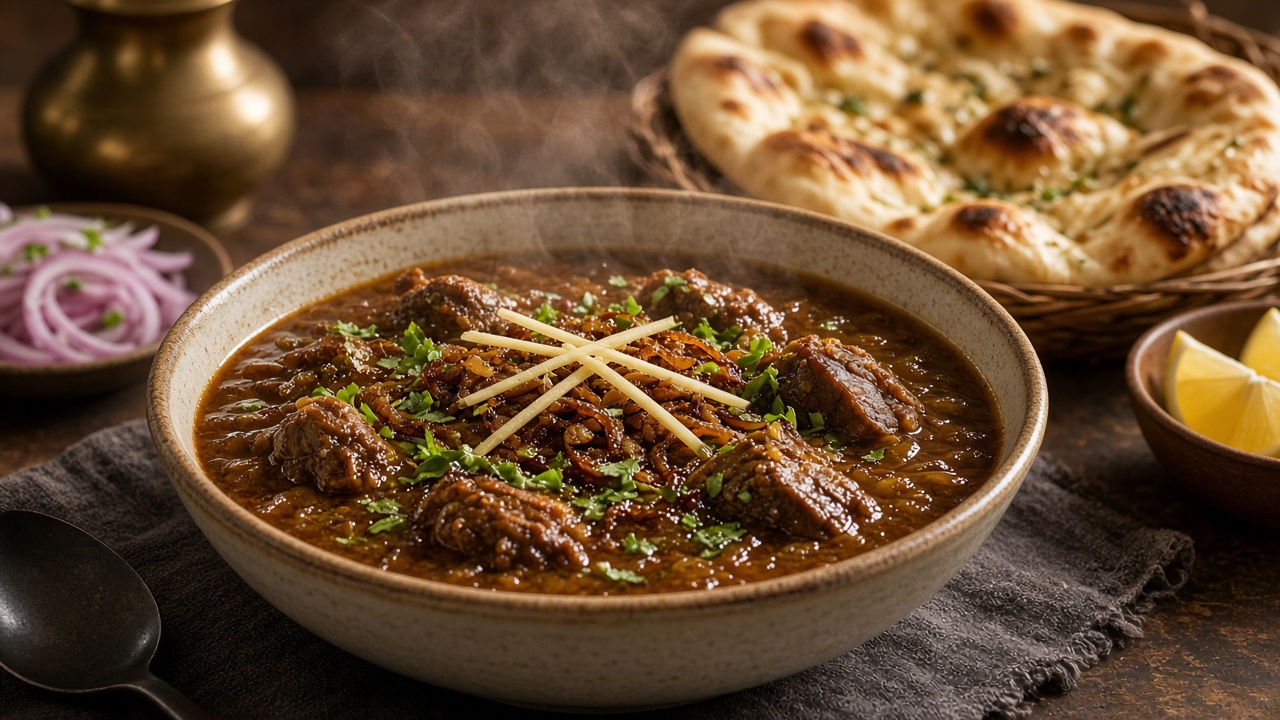
Weeknight daal fails when the aromatics are missing and the only lentils in the house are a forgotten bag from last winter. For many Pakistani American households, a warehouse club run, often Costco, is the weekly gravity well for oil, onions, yoghurt, and bulk dry goods. Treat that trip as a hub, not a personality: check labels, ignore anything you will not finish, and fill the gaps at a South Asian grocer when the club aisle does not carry what your pot needs.
Mentioning Costco as a common hub is not an endorsement of every SKU, membership term, or warehouse. Assortment changes by location. Always read the ingredient list, allergen line, and date on the bag in your cart. This is practical Tuesday cooking, not nutrition therapy.
The hub run: what earns shelf space
- Fat and alliums: a neutral cooking oil you actually like, butter or ghee if you use it, onions, garlic. Buy sizes you will finish before quality fades.
- Bulk lentils and pulses: masoor, moong, chana, or mixed soup lentils when the bag lists a single legume you recognise. Read the label for added seasonings you did not want.
- Tomatoes and yoghurt: canned tomatoes or puree for colour and body; plain yoghurt for finishing and sides. Confirm “plain” means unsweetened.
- Rice and bread support: basmati or another long-grain you trust, plus freezer space for flatbread if that is how your week works.
- Heat and spice: club jars of cumin, turmeric, chilli, and coriander vary in freshness. Smell before you commit to a warehouse-sized bottle. A smaller, brighter jar from a spice-focused shop often beats a faded bulk tin.
What the hub rarely replaces well: fresh curry leaves, specific dried fenugreek, a favourite red chilli powder, or the exact tadka spices your mother measures by eye. Keep a short “specialty top-up” list for the South Asian market so weeknight daal still tastes like your house.
Label literacy for bulk bags
Warehouse packaging can hide age and processing details behind cheerful branding. Prefer bags that name the pulse clearly (masoor, moong, chickpeas) rather than only “soup mix” if you need predictable cook times. Check for stones and foreign matter the way you would with any dry goods, rinse until the water runs clearer, and store opened bags sealed and dry. The FDA’s food safety in your kitchen guidance is ordinary household hygiene: clean hands and boards, separate raw meats from ready foods, chill leftovers promptly.
If you buy club rotisserie chickens or deli items on the same trip, keep raw and ready-to-eat shopping logic honest in the cart and in the car. FSIS take-out food handling timing still applies on the drive home in summer heat.
Three weeknight daal patterns
Each pattern assumes rinsed lentils, water or light stock to cover, and a final tadka. Times are approximate for quick-cooking lentils on a home stove. Older beans need more patience. Salt lightly at first if anyone in the house needs a lighter hand; you can adjust at the end.
1. Masoor, soft and weeknight-fast
Rinse red lentils until the water runs clearer. Simmer with chopped onion, garlic, turmeric, and a chopped tomato until the lentils collapse, often 20 to 30 minutes. Mash lightly for body. Tadka: heat oil or ghee, add cumin seeds, dried chilli if you like, and a pinch of chilli powder; pour over the pot. Finish with lemon and chopped coriander if you have them. Serve with rice or roti and a spoon of yoghurt.
2. Moong, lighter pot
Use split moong for speed. Cook with ginger, turmeric, and green chilli until tender. Keep the texture spoonable rather than paste unless that is your house style. Tadka with garlic slices taken just to gold, cumin, and a dusting of garam masala off heat. A handful of spinach wilted at the end stretches the pot without another protein plan.
3. Chana or mixed, brothier bowl
When you have pre-soaked chickpeas or a club soup-lentil mix that is mostly whole pulses, pressure-cook or simmer longer until creamy at the edges. Season with cumin, coriander, turmeric, and black pepper. Tadka with onion browned patiently, tomato paste from the pantry tin, and chilli. This pattern forgives a late commute because leftovers reheat cleanly.
Shopping sequence that protects the cold chain
In a warehouse club, pick shelf-stable pulses and spices first, produce next, and cold yoghurt or meat last. Go straight to the car and home. A long secondary errand with yoghurt in a hot boot undoes the point of a careful pantry. If you must make a second stop, bring a cooler bag. FSIS timing habits for perishable foods do not pause because you found a longer checkout line.
Pressure cooker and Instant Pot notes without brand worship
Electric pressure cookers are common in US apartments where a long simmer feels impossible on a weeknight. They shorten chana and whole-pulse patterns. They do not remove the need to rinse, season thoughtfully, or finish with a tadka in a small pan. Release pressure safely according to your cooker’s manual, keep faces and hands clear of steam, and still chill leftovers in shallow containers. A sealed pot left on “warm” for hours is not the same as proper refrigeration.
If you batch-cook on Sunday, label containers with the pulse type and date. Masoor and moong freeze and reheat more gracefully than delicate tadka greens. Add fresh tadka and lemon after reheating so the pot tastes finished rather than merely heated.
What to cook when the specialty shop is closed
Hub-only nights still work. Use onion, garlic, tomato, cumin, turmeric, and chilli to make an honest masoor. Serve with club basmati, cucumber, and yoghurt. The meal will not match a wedding daal. It will feed people on Tuesday without a drive across town. Save the methi-heavy or curry-leaf versions for the day you can top up. Consistency of having a pulse pot ready matters more than performing completeness every night.
Kids, spice, and the second pot problem
If children need milder bowls, pull their portions before the final chilli-heavy tadka, or keep chilli on the table. Making two entirely different dinners is how weeknights collapse. One pot with adjustable heat at the end is enough for most households. Keep allergen habits honest if a child’s school has sesame or nut rules that also affect what returns in the lunchbox next day.
Doubling, chilling, and reheating without drama
Warehouse sizes tempt you to cook for a crowd when you meant to cook for three. Cool daal in shallow containers, refrigerate promptly, and follow FSIS leftovers guidance: perishable leftovers generally keep 3 to 4 days in the fridge, and reheating should bring the food to a steamy, thorough heat (165°F / 74°C on a thermometer when you are checking). Freeze flat portions if you doubled the pot. Loosen with water when reheating, and refresh a small tadka in a pan if the aroma has gone flat.
Do not leave a giant pot on the counter while everyone “just finishes one more episode.” The FDA and FSIS two-hour chill habit (one hour in hot weather above 90°F) exists for a reason.
| Pantry item | Hub usually covers | Often needs a specialty shop |
|---|---|---|
| Masoor / moong | Yes, when labelled clearly | Specific regional grades |
| Onions, oil, yoghurt | Yes | Cultured full-fat preferences may vary |
| Cumin, turmeric | Sometimes | Fresh, bright chilli powders; curry leaves |
| Basmati | Often | A particular ageing or brand preference |
| Methi, garam masala blends | Rarely at the quality you want | Yes |
Tadka technique that survives a small US kitchen
Use a small steel or enamelled pan you can dedicate to tadka. Heat fat until a cumin seed sizzles promptly, add aromatics in the order that matches their burn risk (whole seeds first, powdered chilli later off heat if your stove runs hot), and pour forward carefully. Turn on the extractor. Apartment hallways hold fried-spice smell longer than your enthusiasm does. If a detector is sensitive, keep the pan smaller and the session shorter rather than filling the corridor with smoke.
Burnt garlic ruins an otherwise good pot. Take garlic to gold, not brown-black. If you spoil a tadka, make another small one; do not stir bitterness through the whole daal out of stubbornness.
When Costco is the hub, the win is repetition: the same core cart, three flexible patterns, and a specialty top-up that keeps the tadka honest. The daal on the table should taste decided, not like a compromise forced by an empty spice drawer.
Sources and official profiles
Was this helpful?
Keep reading
Related stories
More from this desk, this beat, and the tags on this piece.
Readers
The conversation
0 notes
Anyone can leave a note. Guests add a name and email — no account required, and the email is never published.
No notes yet. Yours would be the first.