Freezing Pakistani leftovers safely in a UK flat kitchen
How to cool, pack, label, freeze, and reheat Pakistani leftovers in a UK flat using Food Standards Agency chilling and cooking guidance, without freezer folklore.
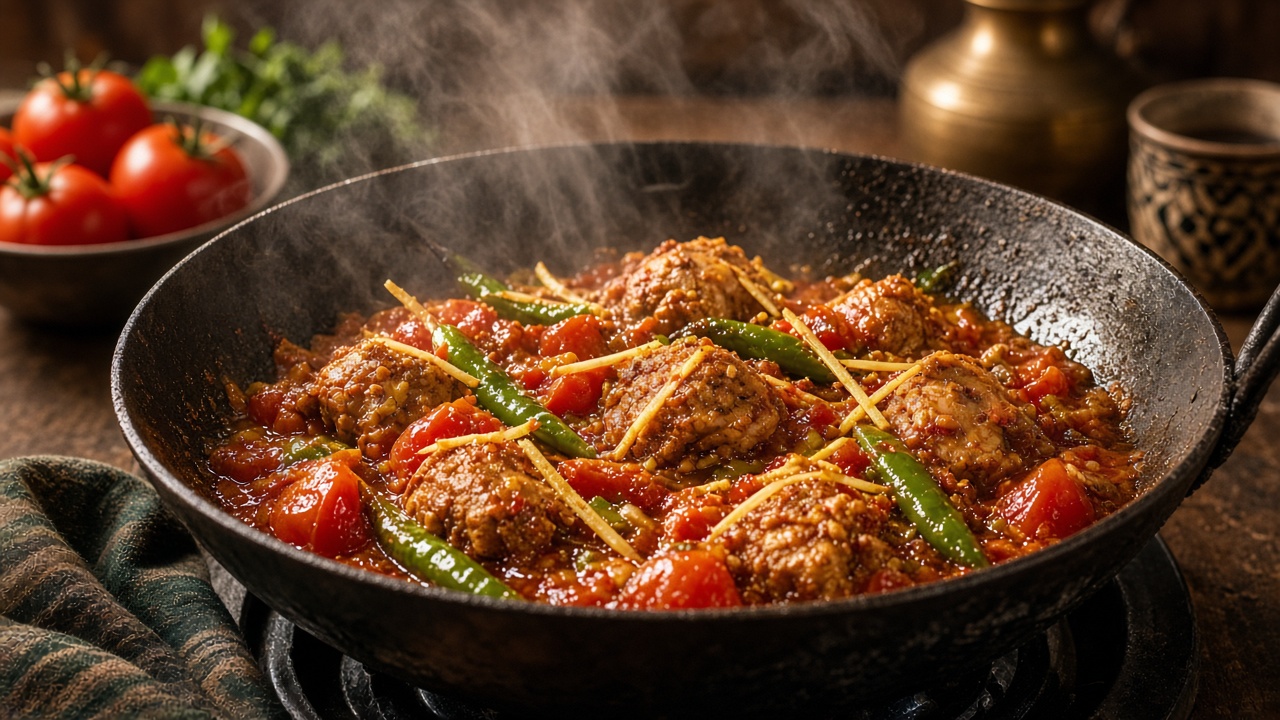
Sunday karahi in a British flat often becomes Monday’s lunch and Wednesday’s gamble. Freezing is the honest middle path if the food is cooled, packed, labelled, and reheated with the same seriousness you gave the original masala. This article is household food-safety method for Pakistani leftovers in UK kitchens, based on public guidance checked around September 2026. It is not medical advice, and it is not a promise that every dish freezes into its Friday-night self.
Cool fast, then freeze with intention
Do not park a vast pot of warm salan in the fridge “to deal with later” while it stays hot in the centre. The Food Standards Agency’s chilling guidance explains that chilling and freezing help stop harmful bacteria growing, and that cooked food should be cooled and refrigerated within about one to two hours rather than left lingering warm. Divide into shallow containers so heat can leave. In a small flat, that may mean two lunchboxes instead of one heroic tub that still feels hot an hour later.
Fridge first when you will eat the food within a couple of days; freezer when you know you will not. Leftovers that were cooked properly, cooled, and refrigerated promptly can be eaten cold or reheated with care. Freezing is the route when two days will not be enough. Keep raw meat and ready-to-eat leftovers from swapping juices on the same shelf.
What usually freezes well, and what disappoints
Karahi, keema, kofta gravies, and many meat-and-masala dishes generally survive freezing better than delicate textures. The sauce protects the protein. Cool completely enough to pack safely, leave a little headspace if using rigid boxes, and freeze flat where you can so a UK under-counter freezer does not become a single fused iceberg.
- Strong candidates: karahi, keema, most meat curries, cooked pulses in gravy, some cooked kebabs once cooled.
- Handle with care: dishes heavy with cream or yoghurt may separate; stir gently when reheating and accept a texture change.
- Often poor freezers: fried coatings that should stay crisp, salads, and anything already reheated once.
Rice needs its own rules before it meets the freezer
Rice is the frequent disappointment and the frequent risk people underestimate. Texture suffers: refrigerated or frozen pulao can turn dry, soft, or uneven. More importantly, cooked rice needs careful handling. The FSA’s home food fact checker explains that uncooked rice can contain spores of Bacillus cereus that survive cooking. The longer cooked rice sits at room temperature, the more likely bacteria or toxins make it unsafe. Reheating does not fix rice that was left warm too long.
Public FSA advice is to chill cooked rice as quickly as possible, ideally within about an hour, by dividing it into smaller portions rather than leaving it in the pan or cooker; keep refrigerated rice for no more than a day before reheating; reheat only once until steaming hot throughout; and eat promptly. If you freeze rice, cool it quickly first, portion it, and freeze without a long ambient wait. Many households are happier freezing the salan and cooking fresh rice on the night.
| Leftover | Usually freeze? | Reheat note |
|---|---|---|
| Chicken or goat karahi | Yes, once cooled | Hot throughout; stir thick gravy |
| Keema | Yes | Break up frozen block; steam through |
| Dal | Yes | Loosen with water; watch splatter |
| Pulao or plain rice | Only if cooled fast and portioned | Reheat once, steaming hot; or cook fresh |
| Creamy korma-style dishes | Maybe | Expect separation; stir gently |
| Already reheated leftovers | No | Eat or discard; do not freeze for a second life |
Reheat once, hot throughout
Follow the leftovers section of the FSA’s cooking your food guidance: reheat leftovers only once, and until steaming hot all the way through, not merely warm at the edges. Microwaves create hot and cold pockets; stir and check the centre. On the hob, loosen a frozen block with a splash of water if needed and heat until the bubble and steam are honest, not theatrical.
Defrost in the fridge when you can plan ahead. If you defrost in a microwave, cook straight after. Do not leave a chicken karahi on the counter all afternoon “because it smells fine.” Smell is not a laboratory. When in doubt, throw it out. Waste is cheaper than a ruined week.
Business food-hygiene pages on chilling and freezing underline the same household idea in commercial language: freezing slows growth; it does not reset unsafe handling that happened before the food went solid. Your flat kitchen is not a restaurant, yet the sequence still matters: cook, cool promptly, chill or freeze, then reheat once until steaming hot.
Chapati, bread, and sides that people forget
Plain cooked chapati often freezes acceptably if cooled, stacked with a light separation (baking paper helps), and reheated until hot. Soft supermarket wraps and some naan textures suffer more. Pickles and chutneys usually belong in the fridge on their own terms, not as anonymous ice blocks. Raita and fresh salad do not belong in the freezer as a rescue plan; make those fresh when the thawed karahi hits the hob.
If you freeze a complete “plate” with rice, bread, and gravy together, you lock yourself into reheating everything the same way. Separate components give you more honest heat and less soggy bread. In a small freezer, that separation also means you can thaw one protein portion without excavating an entire Sunday tray.
UK flat freezer logistics
Under-counter freezers punish heroic tubs. Freeze weeknight portions flat in bags or shallow boxes so you can thaw one dinner, not an excavation project. Keep a simple list on the freezer door: dish, date, portions. Rotate older packs forward. An Eid museum of unlabelled boxes is how good food becomes suspicion.
If freezer space is scarce, prioritise meat dishes that took time and money, and cook fresh rice and bread later. Hospitality leftovers that will be eaten within two refrigerated days do not all need to be frozen. Match the method to the calendar you actually have.
After Eid or a large gathering, cool in waves rather than trying to freeze the entire pot while guests are still saying goodbye. Fill shallow containers as the pot empties. Get the first batch into the fridge or freezer within the FSA’s cooling window, then continue. A single deep stockpot left warm on the hob for hours is the failure mode this article exists to prevent.
Use freezer bags or boxes that actually seal. Wipe rims so lids close. Leave headspace for liquids that expand. Do not stack warm packs against each other in a way that traps heat in the middle of the pile. Spread them out for the first freeze if your drawer allows it.
A UK flat freezer rewards portion discipline. Freeze meals you will actually reheat on a weeknight. The goal is safe food that still tastes like your kitchen, not a second kitchen buried under frost.
Frost and freezer burn are quality problems more than automatic safety alarms, but dried, grey edges are a sign the pack was poorly sealed or too old to remain enjoyable. Use packs within a sensible household window you can remember from the label date. If a pack has thawed and sat warm, do not refreeze it as a second chance. Cook it thoroughly if it is still safe to cook, or discard it.
Keep a weekly glance at the freezer door list the same way you glance at the milk. The leftovers system fails when freezing becomes storage without a retrieval plan. Pull one older pack forward every weekend so Eid boxes do not become archaeology.
Write a simple rotation rule on the freezer list: meat curries within a month if you care about texture; dals and keema similarly; rice only when you accepted the handling rules above. These are household quality windows, not laboratory expiry stamps. If a pack is older than you are willing to defend at the table, cook a fresh pot instead of negotiating with frost.
Shared flat freezers need names on packs. Housemates who did not cook the karahi should not be guessing. A strip of tape with your initial and the date prevents the social failure mode where frozen food becomes communal by accident and unsafe by neglect.
After a large cook, decide in the moment which portions are for the next two refrigerated days and which are for the freezer. Do not cool everything, then freeze everything “just in case.” Case-by-case decisions keep fridge space honest and freezer space useful.
The test of the system is a Tuesday night: can you pull one labelled pack, thaw it safely, and reheat it once until steaming hot without inventing a second cooking project? If the answer is yes, the Sunday pot did its job twice. If the answer is an excavation and a shrug, simplify the packs next time.
Sources and official profiles
Was this helpful?
Keep reading
Related stories
More from this desk, this beat, and the tags on this piece.
Pakistani grocery shopping in the UK: pantry, freezer, and fresh food
Hassan Raza · 20 Aug 2026
Readers
The conversation
0 notes
Anyone can leave a note. Guests add a name and email — no account required, and the email is never published.
No notes yet. Yours would be the first.