Halal Thanksgiving sides that still feel like home
How Pakistani-American hosts plan Thanksgiving sides that meet household halal standards and still taste familiar, with label checks, turkey-safe cooking baselines, and honest pairings rather than a recipe contest.

Thanksgiving sides are where many Pakistani-American tables negotiate belonging. The turkey may be expected by school friends, in-laws, or office culture, but the plate still needs something that smells like home: jeera in the potatoes, a mild pulao, charred cauliflower with chilli, raita that cuts the richness. The meal fails less often from a shortage of recipes than from assuming every stock cube, gravy base, stuffing mix, or restaurant tray is acceptable because someone said “halal-ish,” or from cooking until brown instead of until safe.
Decide the table’s job first. Some households want classic American sides with one Pakistani accent dish. Others want a fully South Asian spread that happens to land on the fourth Thursday of November. Others run a split table where some guests need mild food and clear ingredient answers. Those aims change shopping lists more than any viral “fusion” title does.
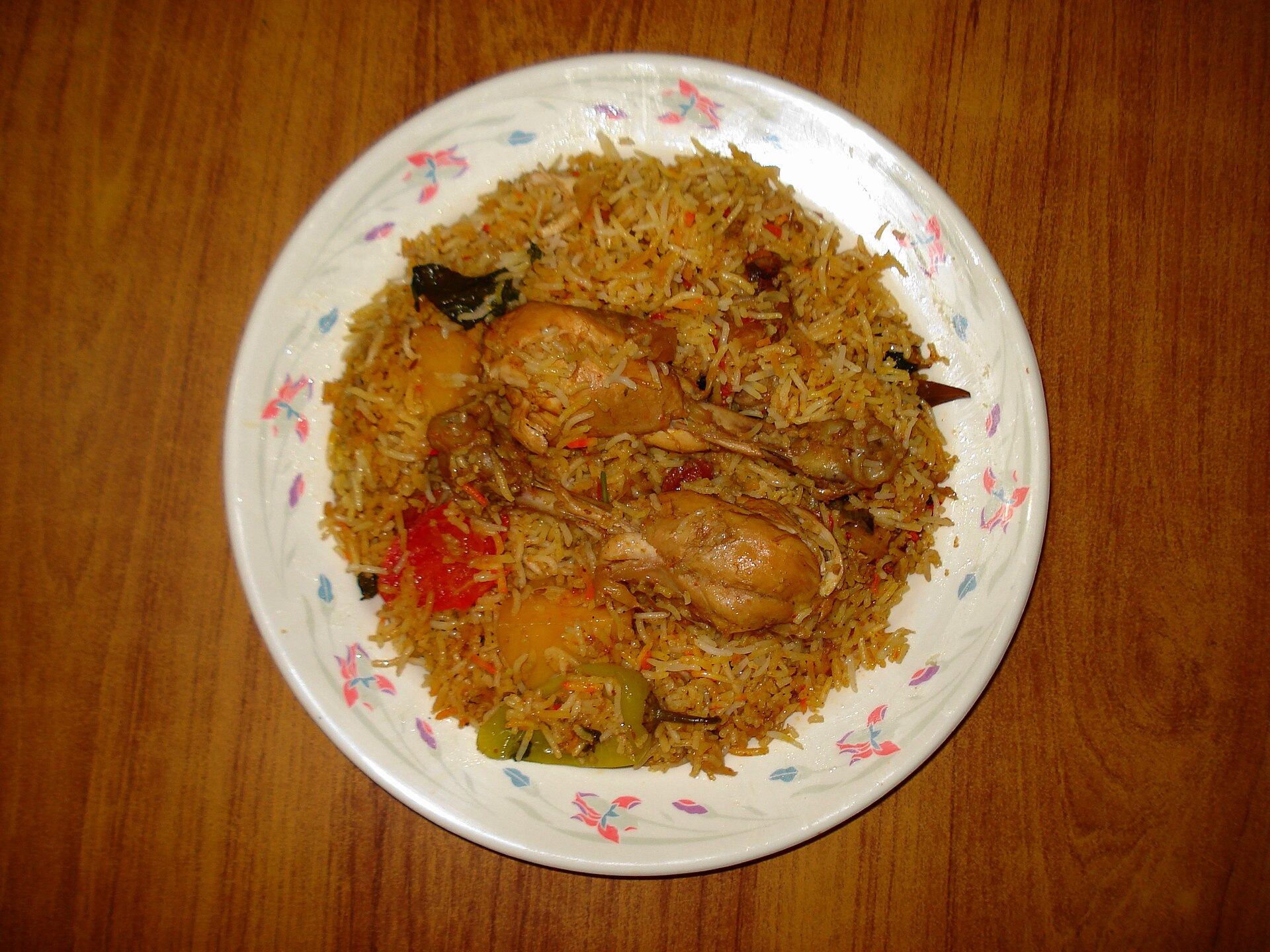
What USDA inspection does and does not settle
The USDA Food Safety and Inspection Service inspects meat and poultry for wholesomeness and truthful labeling under federal rules. That is not the same as defining Islamic dietary law for your household. FSIS’s public meat and poultry labeling terms note that products labeled “Halal” or “Zabiah Halal” from federally inspected plants must be handled according to Islamic law and under Islamic authority. That is a labeling and inspection framework, not a personal fatwa and not a guarantee that every gravy packet on the same table meets your standard.
Read the actual package or catering sheet. Look for a named certifier or a clear claim you can follow up, plus the ingredient list for alcohol, animal enzymes, gelatin, or vague “natural flavors” you do not accept. Match the claim to the product you will cook. A certified bird does not automatically make a separate gravy mix, stuffing kit, or restaurant side tray acceptable. Check each component.
For trays or restaurant sides, ask one concrete kitchen question and write the answer down: What is the meat source, is the same fryer or pan used for non-halal items, and can you share the ingredient list for the gravy or stock? Vague charm is not documentation.
Turkey-adjacent safety is not folklore
If poultry is on the table, follow current FSIS handling baselines rather than family lore about rinsing birds or overnight counter thawing. The FSIS turkey from farm to table guidance is the public reference for thawing, cooking, and leftover timing. Stuffing cooked inside a bird and gravies built from drippings still need the same seriousness about temperature and refrigeration as the meat itself.
FoodSafety.gov’s chart of safe minimum internal temperatures is the quick consumer check many households keep on a phone: poultry to 165°F (74°C) as measured with a food thermometer in the thickest part, not by colour alone. A Pakistani-spiced rub does not change that number.
Once the meal is over, move leftovers promptly. FSIS leftovers guidance is the baseline for how long refrigerated plates stay in play. A home accent side does not get a special exemption because it tastes familiar. The same Danger Zone logic that governs any perishable lunch applies to the casserole that sat on the sideboard while speeches ran long.
Sides that carry home without a ranking
Think in roles, not trophies. Choose one or two accents that survive a crowded oven schedule.
- Starch with aroma. A mild pulao, jeera rice, or spiced roast potatoes that will not fight gravy if gravy is present, and that you can hold warm without drying out.
- Vegetable with char or spice. Roasted cauliflower or carrots with cumin and chilli flakes; saag-style greens if you can finish them without monopolising the only hob.
- Cool contrast. Raita, kachumber, or a citrus-onion salad that cuts rich meat and heavy casseroles.
- Bread that travels. Store-bought or homemade flatbreads warmed just before serving, so late guests still get something soft.
Regional home flavours differ. A Punjabi table may lean toward richer gravies and breads; a muhajir or Karachi-influenced table may want brighter acid and chaat notes; a Gujarati-influenced Muslim household may bring different sweet-savory balances. None of those is the “correct” Thanksgiving accent. The correct accent is the one your guests recognise as home and that you can verify and finish without collapsing the oven schedule.
Write quantities against headcount and oven shelves, not against Instagram plating. If half the guests want marshmallow sweet potato and half want achaar on the side, serve both honestly rather than forcing a single fusion tray nobody asked for. Label dishes with major allergens when relatives have nut, dairy, or gluten limits. “Everyone knows what is in it” fails when the room includes newcomers and children.
Gravy, stuffing, and the quiet failure points
Many Thanksgiving anxieties live in the supporting products. Broth bases can hide wine, animal enzymes, or undocumented meat. Stuffing mixes can include gelatin or dairy that matters to some tables and not others. Restaurant trays can be cooked on shared equipment. Treat those as separate verification problems from the bird itself.
If your household standard rejects an unverified gravy, make a simple pan sauce from ingredients you trust, or serve a yoghurt-herb side that does the same job of cutting richness. If stuffing is non-negotiable for some guests and unverifiable for others, offer two clear options rather than a compromise bowl that satisfies no one’s rules.
Shopping timeline that protects verification
Specialty halal poultry and verified sides disappear in the week before Thanksgiving in many US metros. Shop the verified protein path early enough that a rejection still leaves time for a second source. Do not leave the bird to a Wednesday night hope. Dry goods and spice blends can wait longer; documentation-sensitive meat cannot.
If you are catering part of the table, ask for ingredient lists in writing before you pay a deposit. A phone assurance that “everything is fine” is not an allergen or halal record. Keep packaging and receipts until leftovers are finished in case a guest asks what was in the gravy.
Oven politics in a diaspora kitchen
US Thanksgiving fails in small kitchens for ordinary reasons: one oven, one hob, too many dishes that all want 375°F at once. Home accents that need constant stirring lose to sides that roast and wait. That is why spiced roast vegetables and a mild rice that holds often beat a last-minute karahi when guests arrive in staggered waves.
Assign dishes to people, not to idealism. One relative owns the verified protein path. One owns the American side someone at the table actually loves. You own the home accent and the allergen card. If a guest insists on bringing an undocumented tray, decide in advance whether it sits on a separate table with its own label or stays off the shared buffet. Holiday pressure is not a reason to blur standards you stated clearly in October.
A workable menu map
Draft the plate in three lines: verified protein path, one American side someone at the table loves, one home accent you can execute without a second grocery crisis on Wednesday night. Shop the verified items first. Prep the cool contrasts and spice mixes a day ahead. Leave the morning of for temperature-critical cooking, not for debating which viral mash wins.
Keep a short allergen card near the buffet if the guest list is mixed: milk, wheat, nuts, sesame, eggs. Honesty is hospitality. So is refusing to pretend an undocumented tray is fine because the holiday pressure is high.
Children’s plates deserve the same clarity. Mild versions of home sides travel better than forcing every child onto a heavily chilli-forward dish, then scrambling for bread. Elders who want softer textures need a plan that does not depend on the driest corner of the stuffing pan.
Home, on this holiday, is the combination of standards you can explain and flavours people recognise. Verification is the quiet work that lets the table feel generous instead of anxious.
Sources and official profiles
Was this helpful?
Keep reading
Related stories
More from this desk, this beat, and the tags on this piece.
Readers
The conversation
0 notes
Anyone can leave a note. Guests add a name and email — no account required, and the email is never published.
No notes yet. Yours would be the first.