UK university fresher week food for Pakistani households
How Pakistani households batch-cook and freeze meals for UK student halls: cooling times, labels, allergen honesty, and rice rules from Food Standards Agency student guidance.
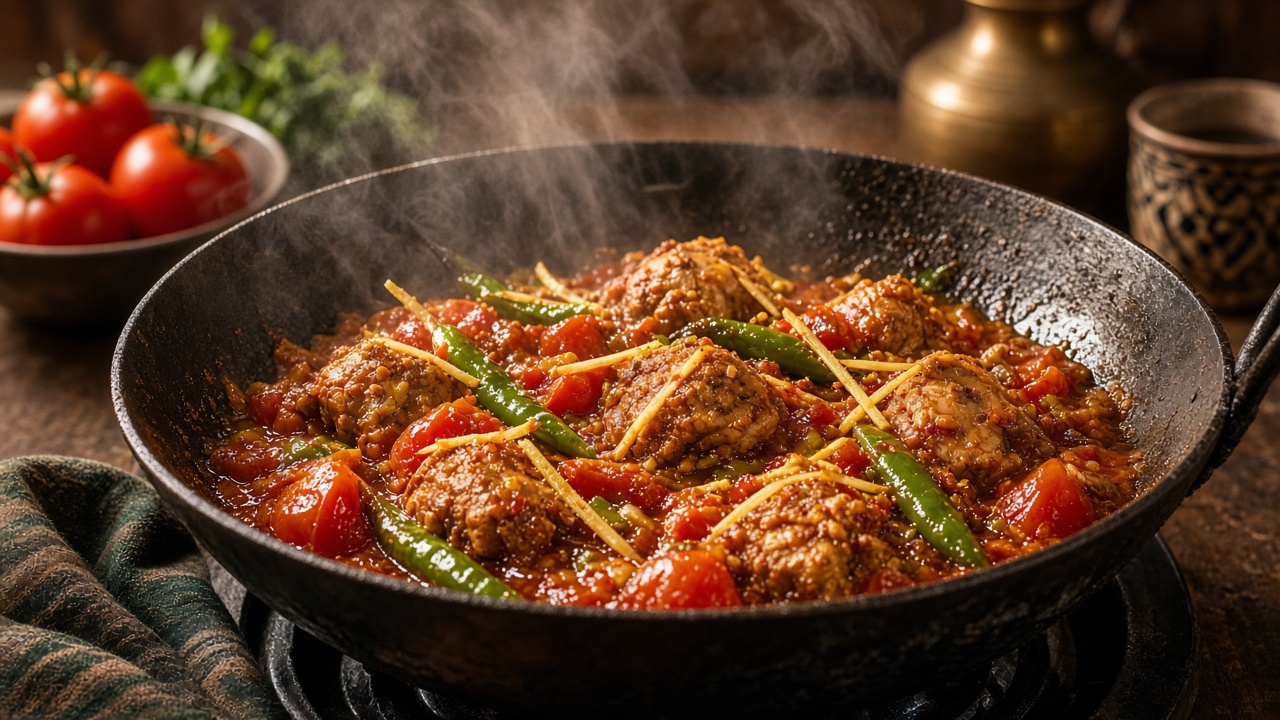
Fresher week does not need a suitcase of frying pans. It needs food that survives a shared fridge shelf, a microwave queue, and a student who will not cook from scratch every night. Pakistani households often want to send karahi, keema, or daal that still tastes of home. The job is to turn that care into labelled freezer bags that follow public food-safety guidance, not folklore about “it will be fine.”
This is a batch-cook and packing plan for the week before move-in, checked against Food Standards Agency student and chilling advice around September 2026. It is not medical advice, and it is not a promise that every dish freezes into its Friday-night self.
Cook once at home for a shelf you do not control
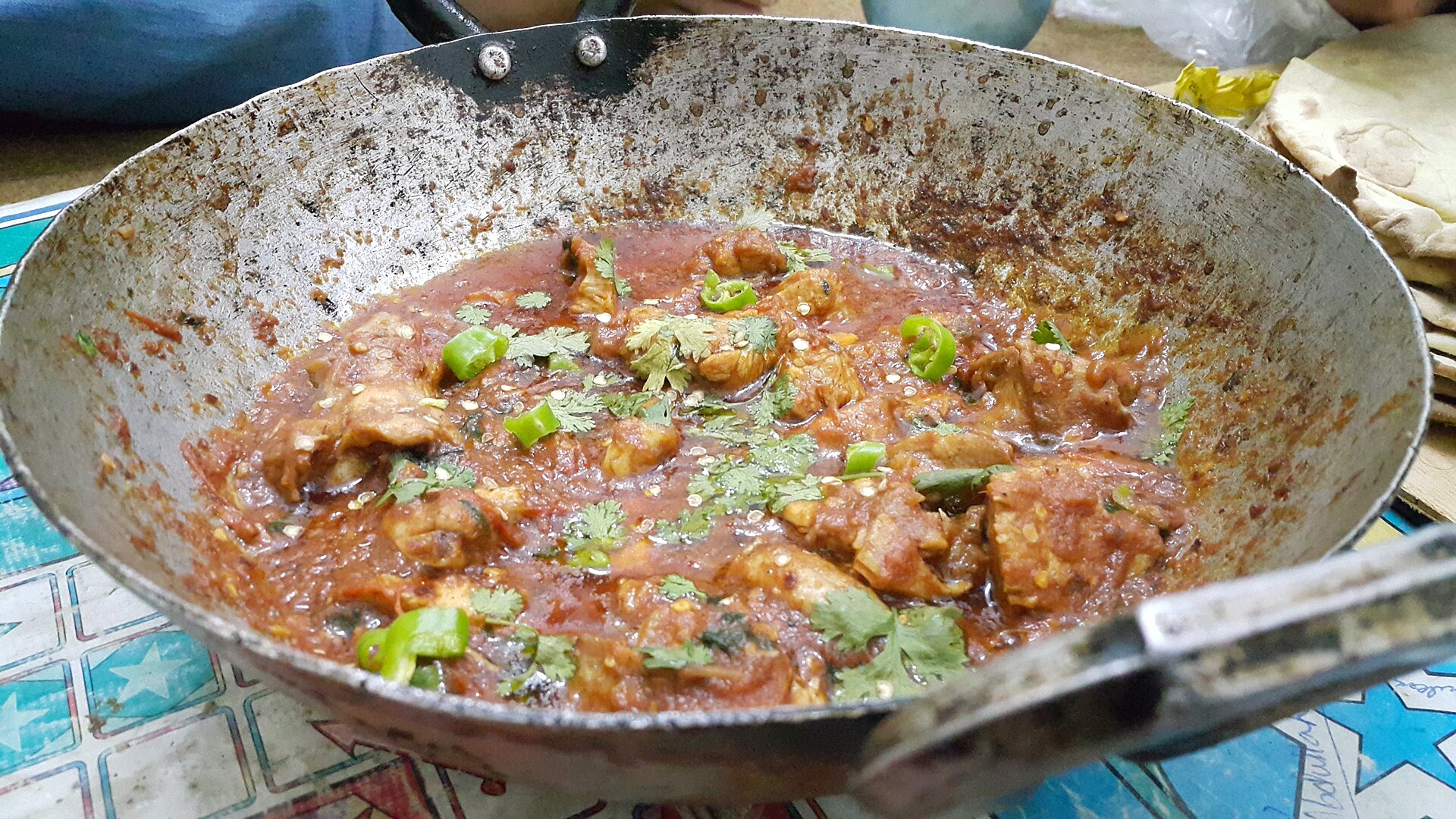
Choose two or three dishes that freeze well in gravy: chicken or lamb karahi, keema, daal, or a mild vegetable salan. Skip the crisp-fried showpieces and the giant pot of rice you hope will “just reheat.” Official student guidance treats bulk cooking as useful when portions are cooled, covered, and refrigerated or frozen promptly; extras you cannot eat within about two chilled days belong in the freezer, labelled.
Think about microwave reality, not restaurant plating. Halls microwaves are shared, often filthy, and sometimes weak. Flat-frozen bags thaw and reheat more evenly than brick-shaped tubs. Leave headspace so sauce can bubble without exploding across someone else’s dinner. Avoid glass that may not be microwave-safe and plastic that warps; if unsure, freeze in bags and reheat in a cheap microwave-safe bowl bought near campus.
Cool in shallow containers or freezer bags laid flat so heat leaves quickly. Do not park a vast warm pot in the fridge while the centre stays hot. The Food Standards Agency’s chilling guidance is the baseline: chill or freeze promptly; keep the fridge cold; treat leftover handling as safety work, not optional tidiness. Public student reminders from the FSA point the same way: get leftovers into a container, cool them, and into the fridge within one to two hours; eat refrigerated leftovers within about two days or freeze them.
- Day −3: Shop for proteins, pulses, freezer bags, masking tape, and a permanent marker. Confirm the halls freezer exists and roughly how much space one person gets.
- Day −2: Cook two gravy dishes. Cool, portion into single or double servings, freeze flat overnight.
- Day −1: Pack a small fresh bag separately: yoghurt pots if the journey is short and cold-bagged, fruit, bread, tea bags, spices in sealed jars. Keep raw and ready-to-eat items from swapping juices in the same cool bag.
- Move-in day: Frozen blocks go into the freezer before the duvet argument. Fresh chilled food into the fridge shelf. Labels facing out.
Rice is the dish that should not lead the care package
Rice is the frequent failure. The GOV.UK student guide to food safety and hygiene (updated July 2026) and the FSA home food fact checker explain why. Uncooked rice can contain spores of Bacillus cereus that survive cooking. The longer cooked rice sits at room temperature, the more likely bacteria or toxins make it unsafe. Public advice is to cool leftover rice quickly, ideally within about an hour, keep refrigerated rice for no more than one day, and reheat only once until steaming hot throughout. Freezing is an option after rapid cooling, but texture suffers and careless warm sitting remains a known risk.
Many households are happier freezing the salan and letting the student cook fresh rice or buy a small pack of ready rice they can handle on the night. If you do freeze rice, cool it fast in small portions, label the date, and tell the student to defrost in the fridge and reheat once until steaming hot. Do not send a family rice tray that will sit warm in a car boot for three hours.
Send food that can be named, dated, and reheated once. Do not send a performance of hospitality that needs a second kitchen to stay safe.
Shared kitchens punish vague allergens
Halls kitchens are communal. The student guide is blunt about shared fridges: you may only get one shelf; keep opened raw meat sealed so it cannot drip onto ready-to-eat food; check use-by dates; do not trust a sniff test on use-by products. Tell the student, and any flatmates who might share a meal, what is in the bags. Nut oils, sesame, mustard, dairy, gluten in thickeners, and “mild” chilli that is not mild for a guest all belong on the label before anyone microwaves a mystery portion. For consumer-facing allergen orientation, the FSA’s allergen information pages are a useful companion to the student’s own labels.
Housemate politics is part of food safety. A student who leaves open curry containers on a shared shelf invites both hygiene risk and resentment. Agree a shelf, a named tub, and a wipe-down habit. Reheat leftovers only once, until steaming hot throughout, not merely warm at the edges, and stir microwave pockets. The FSA’s cooking guidance is the public baseline for that “steaming hot” standard. Defrost in the fridge in a leakproof container when possible; if using a microwave defrost setting, cook straight after. Eat defrosted homemade food within about a day, and only take out what will be used.
What belongs in the bag, and the first forty-eight hours
- Strong candidates: flat-frozen curry portions, daal, cooked pulses in gravy, a small sealed spice kit, tea, oil in a leakproof bottle, a cheap chopping board and knife if halls allow personal kit.
- Handle with care: yoghurt-heavy dishes may separate; accept a texture change. Creamy finishes can wait until the student buys cream locally.
- Usually leave behind: open fried trays that should stay crisp, huge unlabelled family tubs, raw meat without a cold chain you trust for the whole journey, and anything that needs a wok and an extractor the halls do not have.
| Dish impulse | Safer fresher-week version |
|---|---|
| Family karahi with a rice mountain | Karahi portions frozen flat; rice cooked fresh on the night |
| Fried samosas for “welcome” | Freeze uncooked or skip; halls ovens rarely restore crispness safely mid-queue |
| Open tub of mixed leftovers | Single labelled portions with date and allergens |
| Raw chicken “they can cook later” | Only with a cold chain you trust end to end; otherwise buy near campus |
Keep frozen blocks in an insulated bag with ice packs if the journey is long. On arrival, the freezer comes before décor. In the first forty-eight hours, eat the most perishable chilled items and leave flat-frozen portions for later. Confirm the freezer still freezes overnight. Teach a short reheat ritual: empty into a microwave-safe dish, stir halfway, check the centre is steaming hot, and do not reheat the same leftover again tomorrow. After fresher week, the freezer bags should dwindle; encourage one simple self-cooked dish before the home supply runs out. The care package is a bridge, not a permanent catering contract.
What parents should say out loud before they leave campus
A packing system fails if the student never hears the rules. Before you drive away, say the non-negotiables: labels face out; rice gets special handling; leftovers reheat once; mystery brown sauce gets thrown away if the date is missing; allergens are disclosed before flatmates share a meal. Write those rules on a card taped inside a cupboard if memory will lose to fresher-week noise.
Also agree a budget for replacing food locally. The care package is a bridge. It should not become a reason to skip learning how to buy chicken, daal, and yoghurt near campus. Students who can shop once in the first fortnight recover faster when the freezer bags run out.
Halal shopping near campus deserves a first-week walk, not a crisis at midnight. Identify one butcher or supermarket the student trusts, plus a backup. The freezer bags buy time for that discovery. They should not delay it forever.
If flatmates are curious about the food, treat curiosity as a labelling opportunity rather than an all-you-can-eat invitation to unlabelled portions. Sharing is generous; sharing allergens by accident is not.
If the halls kitchen is worse than expected, no freezer, or a broken fridge, adapt immediately: eat chilled items first, rely more on ambient snacks, and buy a small cool bag for short holds. Do not invent unsafe storage because the building disappointed you.
A fresher week care package succeeds when the first microwave meal is honest, hot, and still recognisable as the household that packed it, without turning the shared fridge into a science experiment.
Sources and official profiles
Was this helpful?
Keep reading
Related stories
More from this desk, this beat, and the tags on this piece.
Pakistani grocery shopping in the UK: pantry, freezer, and fresh food
Hassan Raza · 20 Aug 2026
Readers
The conversation
0 notes
Anyone can leave a note. Guests add a name and email — no account required, and the email is never published.
No notes yet. Yours would be the first.