A running plan for Pakistani heat
A heat-first running week for Karachi, Lahore, and Islamabad: dawn miles, shorter quality work, wet-bulb honesty, and race goals that wait for cooler months.

Running in Pakistan is a negotiation with the sun. Copy a European sixteen-week plan and you will meet a physiotherapist or a wall. The useful template is heat-first: easy miles that stay easy, one short quality session, and a long run that is allowed to shrink when the air is stupid.
Pace is vanity in June. Heart rate, how you feel at breakfast, and whether you can still speak are data. The London marathon PDF in every running WhatsApp group was written for a cool morning and water stations. You have wet-bulb logic, a flyover, and a tapri if you are lucky.
Start before the sun argues
The honest start is near dawn, or you wait for winter. Karachi’s sea breeze at first light is a gift you should not waste on a 7pm “easy run” that is neither. Lahore’s canal roads and Islamabad’s Margalla approaches both punish late starters. Dark kit in this sun is a dare. A cap is equipment. Hydrate the day before, not at kilometre three when the headache has already filed paperwork.
Heat stress is not a metaphor. The WHO fact sheet on heat and health advises avoiding strenuous outdoor activity during the hottest part of the day, seeking shade, and drinking water regularly. The CDC’s extreme heat prevention guidance likewise stresses planning around peak heat and recognising heat illness. If sweat stops working and the air feels thick enough to chew, you are not training. You are accumulating a medical story. Move the session. Walk. Sit it out.
The week that survives June
Three easy runs. One interval or hill session, always in the coolest available hour. One long run that can collapse into a walk-run without shame. Strength twice on a floor that does not bake. Sleep like it is a sport. That week is shorter than the PDF. It is longer than a sunrise story you did not earn.
| Session | Purpose | Heat rule |
|---|---|---|
| Easy run | Aerobic base | If you cannot speak in sentences, it was not easy |
| Hills / short repeats | Quality without long exposure | Brief; stop while you can still smile |
| Long run | Endurance habit | May become walk-run; still counts |
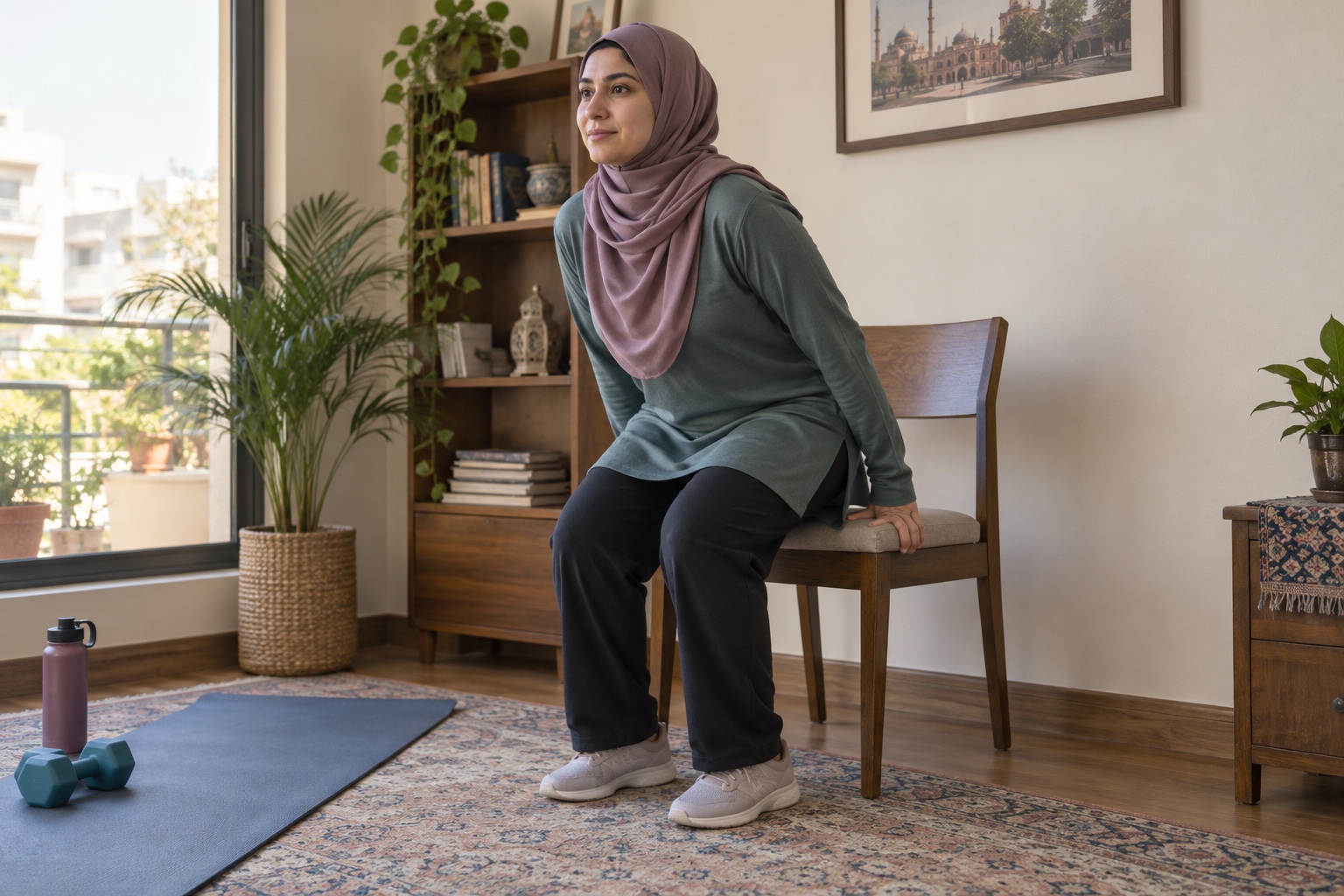
| Strength | Hips, calves, trunk | Indoors or early; not a second baking |
Quality work in this climate is brief. Six to eight short hills, or a few repeats that leave you able to speak, beat a threshold fantasy invented for October. February can hold the personal best. June can hold the habit. NHS pages on running and aerobic exercise and on adult activity guidelines support regular aerobic work for health; they do not require you to ignore local meteorology while chasing a watch beep.
Wet-bulb honesty without a laboratory
You may not carry a WBGT meter. You can still refuse stupidity. If official heat warnings are active, if the night did not cool, if you wake already dehydrated, treat the session as optional. Carry water. Shame about bottles is a temperate-climate problem. Salt your food. A run that leaves you unable to eat breakfast failed its only exam.
Acclimatisation, when you have been away in cooler weather, takes repeated moderate exposures rather than a heroic first week back. Start shorter than your ego wants. Add minutes across days. The body adapts; the WhatsApp group does not get a vote.
Ramadan miles
Sehri, then a very easy shuffle if you insist—or wait until after iftar and keep it short. Fasted heroics in May are a genre of injury. After maghrib, the gut is busy. Easy aerobic work can fit. A threshold session on a full stomach is how people decorate a pavement. Drink through the night like an adult.
Club runs that start at 11am in the last week of Ramadan are not community. They are carelessness. Say no. The trail will still be there. Your kidneys would like to be there too.
Where to run without a fantasy map
Karachi: the sea road at dawn, a club ground if they will have you—not Shahrah-e-Faisal as a personality. Lahore: canal in the dark, a university loop when access is real. Islamabad: Margalla trails while the air is still a gift, then down before the weekend turns the path into a mall. Trail is not a brand. It is shade and a surface kinder than concrete when you choose the hour correctly.
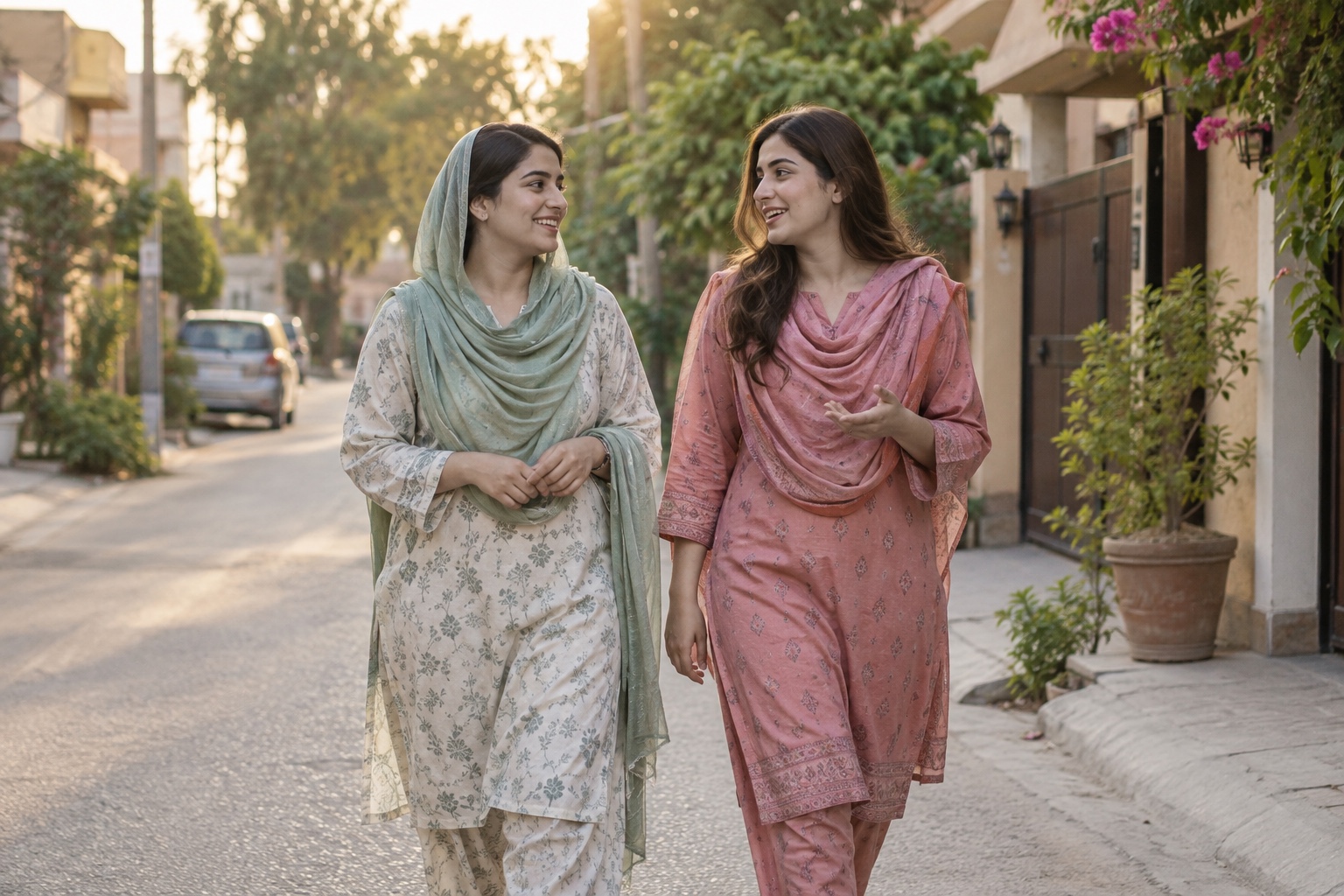
Women running at dawn still do the logistics calculation many men’s groups skip: light, company, a route that is not a dare. Join groups that understand that. Commitment is showing up at 5:15. Recklessness is a different sport.
FCDO advice on travel in Pakistan is aimed at travellers, but its city notes—planning carefully in Karachi, avoiding crowds and protests, caution around certain districts—are useful reminders that a running route is also an urban safety choice. Local knowledge beats a Strava segment copied from someone who does not share your constraints.
Gear that is equipment, not costume
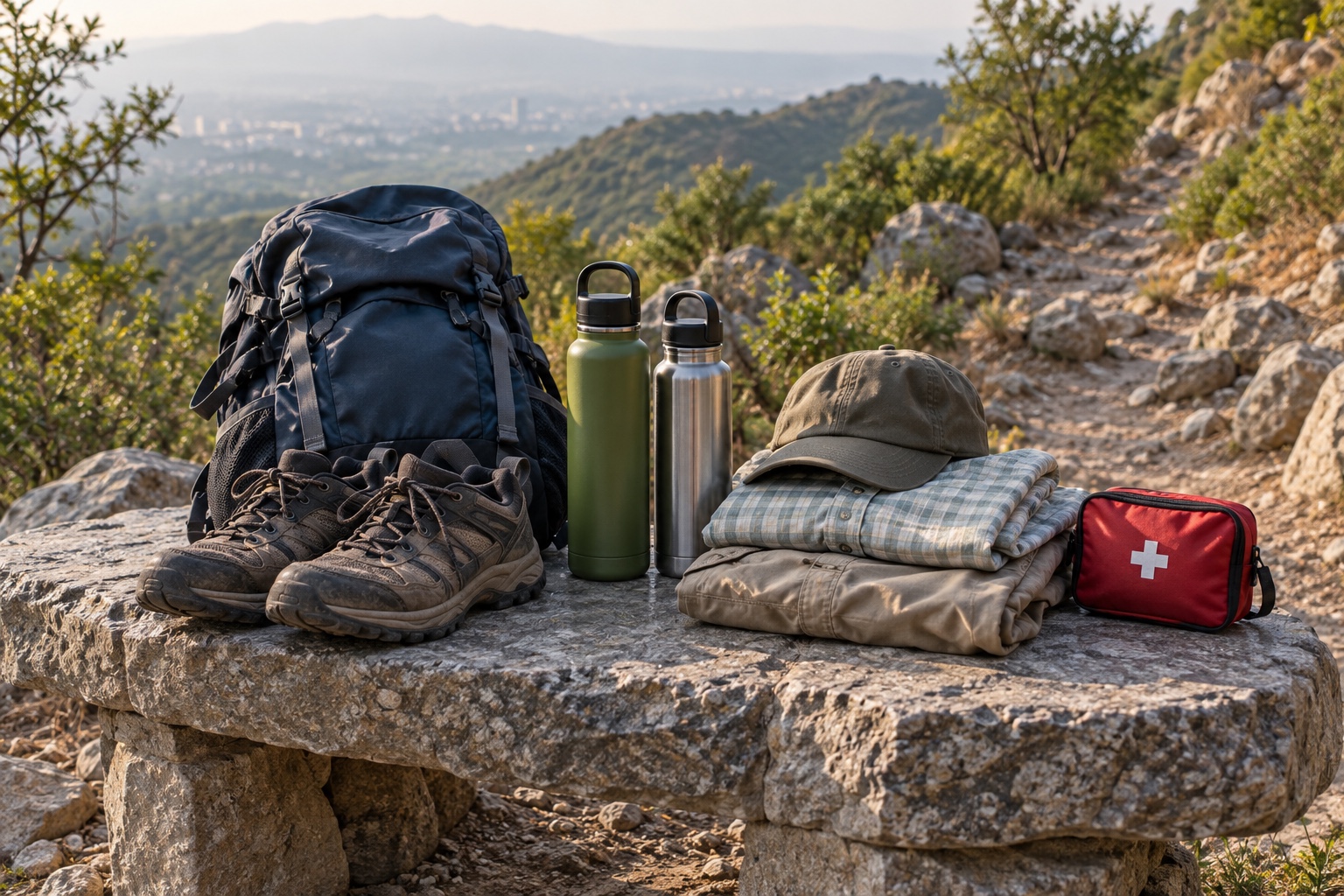
Light colours, a cap, shoes that drain after monsoon puddles, and a bottle you will actually carry beat technical fabrics you are afraid to sweat in. Reflective detail matters before sunrise on roads with indifferent drivers. Leave the heavy vest for winter. In June, less fabric that breathes is more useful than a kit designed for a temperate spring half-marathon advertisement.
Track the week in a notebook if the watch becomes a tyrant. Days run, days strength, days rest: three numbers. If rest never appears, you are not training. You are accumulating fatigue with better branding.
What you are not training for
You are not training for London unless you are actually going to London. You are training to keep a body that can run in February after a summer that tried to talk you out of it. Mileage that looks impressive on a spreadsheet and leaves you cooked by 9am is not discipline. It is a misunderstanding of the weather.
Cut the session before you add a gadget. A watch that beeps in dangerous heat is not a coach. Can you speak? Can you smile? Can you eat? If the answer is no, the run was a dare. Stop copying the dare.
You are not slow. You are hot. Train the conditions you have. The personal best can wait for a cooler month. The habit cannot wait for a climate that will never arrive for free. Start before dawn. Respect the heat. Come home able to eat breakfast.
Building from zero without a summer martyrdom
If you are returning after years away, do not begin with a club’s Tuesday interval session in May. Walk-run for two weeks at dawn. Add continuous easy running only when conversation pace feels ordinary. Strength twice a week for calves, hips, and trunk reduces the injury tax that concrete extracts.
Race entries in autumn make sense if summer was about habit. Race entries in June make sense only if the event itself is timed for cool hours and medical support is real. Otherwise you are paying for a medal that commemorates a heat stress experiment.
Track surfaces and parks with shade change the equation slightly; they do not repeal physics. A shaded 5am loop in a housing society can be safer than a main road with angry buses and no water. Permission, lighting, and stray dogs are part of route design in many Pakistani neighbourhoods—ignore them and the plan fails for reasons that have nothing to do with VO2 max.
Hydration and salt without the sports-drink sermon
Water across the day beats a single desperate bottle at kilometre four. Salty food at breakfast—eggs, cheese, leftovers with namak—often helps more than a fluorescent bottle you do not like enough to finish. If you use commercial electrolyte drinks, treat them as tools for long hot sessions, not as a personality. People with blood pressure or kidney conditions should take clinical advice before adding sodium rituals copied from athletes.
After the run, breakfast is data. If you cannot eat, you overcooked the session. Sit in shade. Cool the skin. Then eat. The training effect you wanted will not arrive if the recovery meal never happens because you are busy performing toughness in a parking lot.
Keep a simple heat diary for two weeks: start time, perceived effort, whether you ate breakfast afterwards, and any headache or nausea. Patterns teach faster than another downloaded plan. If headaches cluster on late starts, the diary has already coached you. Move the hour. Protect the habit. Let cooler months host the ambition.
Club culture and saying no without a speech
Pakistani running clubs can be lifelines: safety in numbers at dawn, shared routes, encouragement that is not a brand. They can also normalise dangerous hours and ego pacing. You are allowed to join the warm-up and skip the hero set. You are allowed to turn around when the sun clears the buildings earlier than expected.
If a club schedules midday runs in peak heat for “discipline,” find another club—or run alone at a saner hour. Community that requires medical risk is not community. Mentors who ask about breakfast, sleep and shoes are worth more than mentors who only ask about pace.
Women’s running groups deserve explicit support: predictable meeting points, no filming without consent, routes chosen for lighting and exit options. Men who share paths should treat that logistics work as serious, not as charming colour. A city that wants more runners must want safer dawns, not only faster Strava segments.
Keep the plan boring enough to survive June. Boredom is how habits live long enough to meet February.
Sources and official profiles
Was this helpful?
Keep reading
Related stories
More from this desk, this beat, and the tags on this piece.
Readers
The conversation
0 notes
Anyone can leave a note. Guests add a name and email — no account required, and the email is never published.
No notes yet. Yours would be the first.