Before the sun argues
Dawn running in Pakistani heat: Margalla edges, DHA loops, sea road and canal routes, local shoes, heat literacy, and when June vetoes pace.
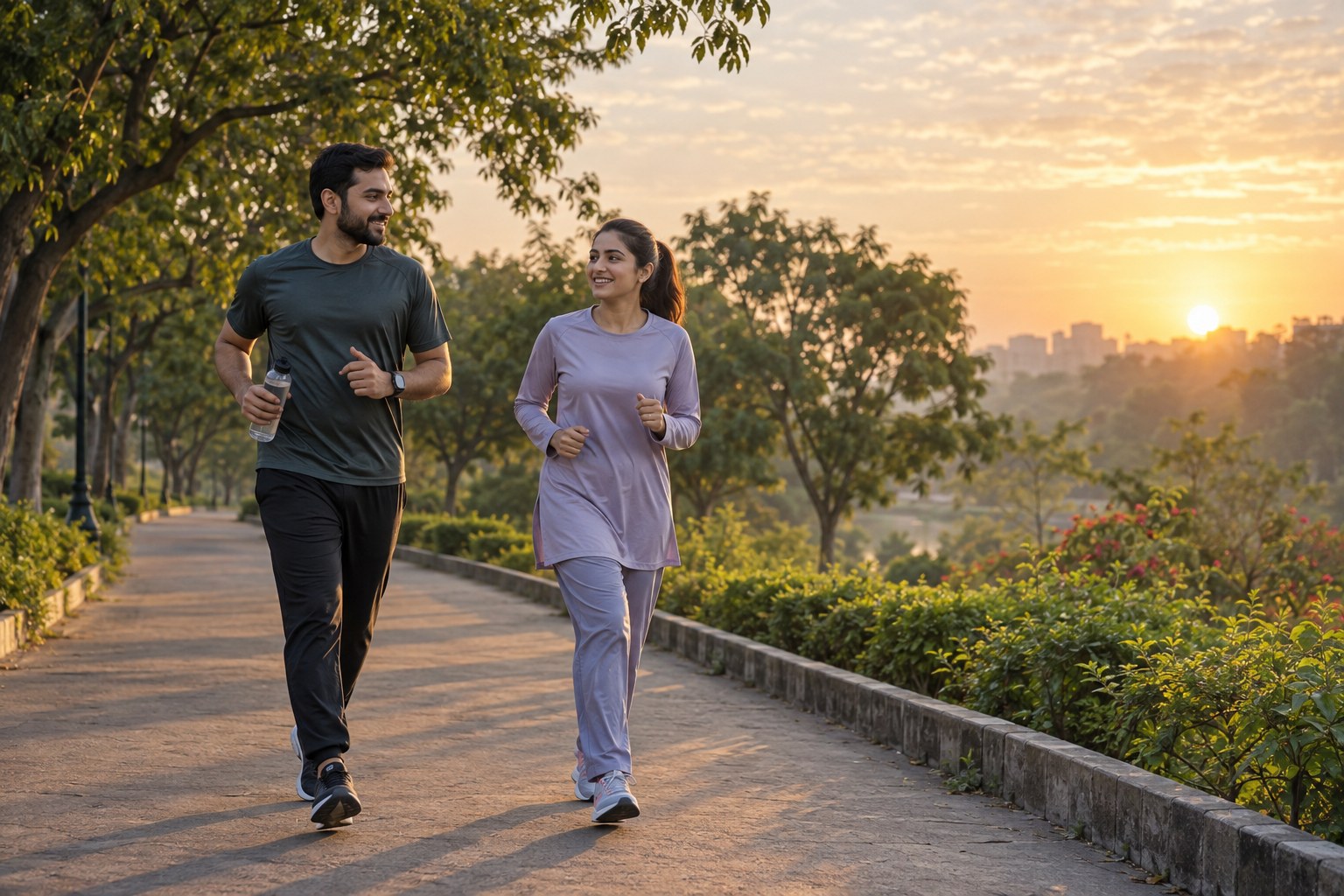
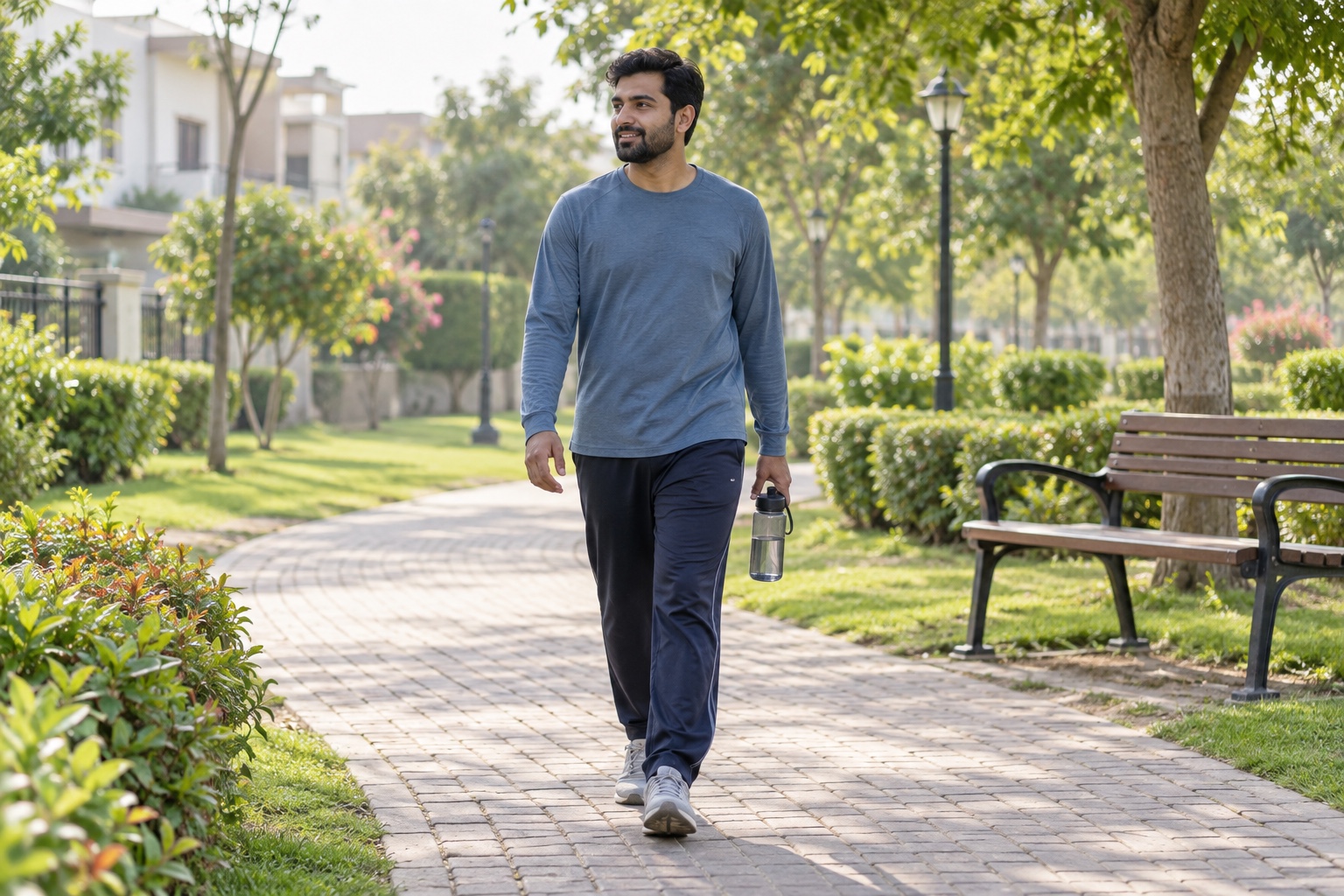
Running in Pakistan is a negotiation with the sun. The honest start is near dawn, or you wait for kinder months. Copy a European sixteen-week PDF and you will meet heat illness, a physiotherapist, or both. Dawn slots on Margalla approaches, DHA loops, Karachi’s sea road before buses, and Lahore’s canal in the last cool hour all teach the same hierarchy: habit first, pace later. June vetoes vanity.
Early answer: run in the coolest hour you can keep, carry water, treat speech as a pace check, choose shoes you can replace locally, and cut sessions when heat stops being merely uncomfortable. The WHO heat and health fact sheet and CDC extreme heat prevention guidance frame heat illness as medical risk. NHS running advice supports gradual aerobic work, useful tone, not a Karachi schedule.
Dawn is the programme
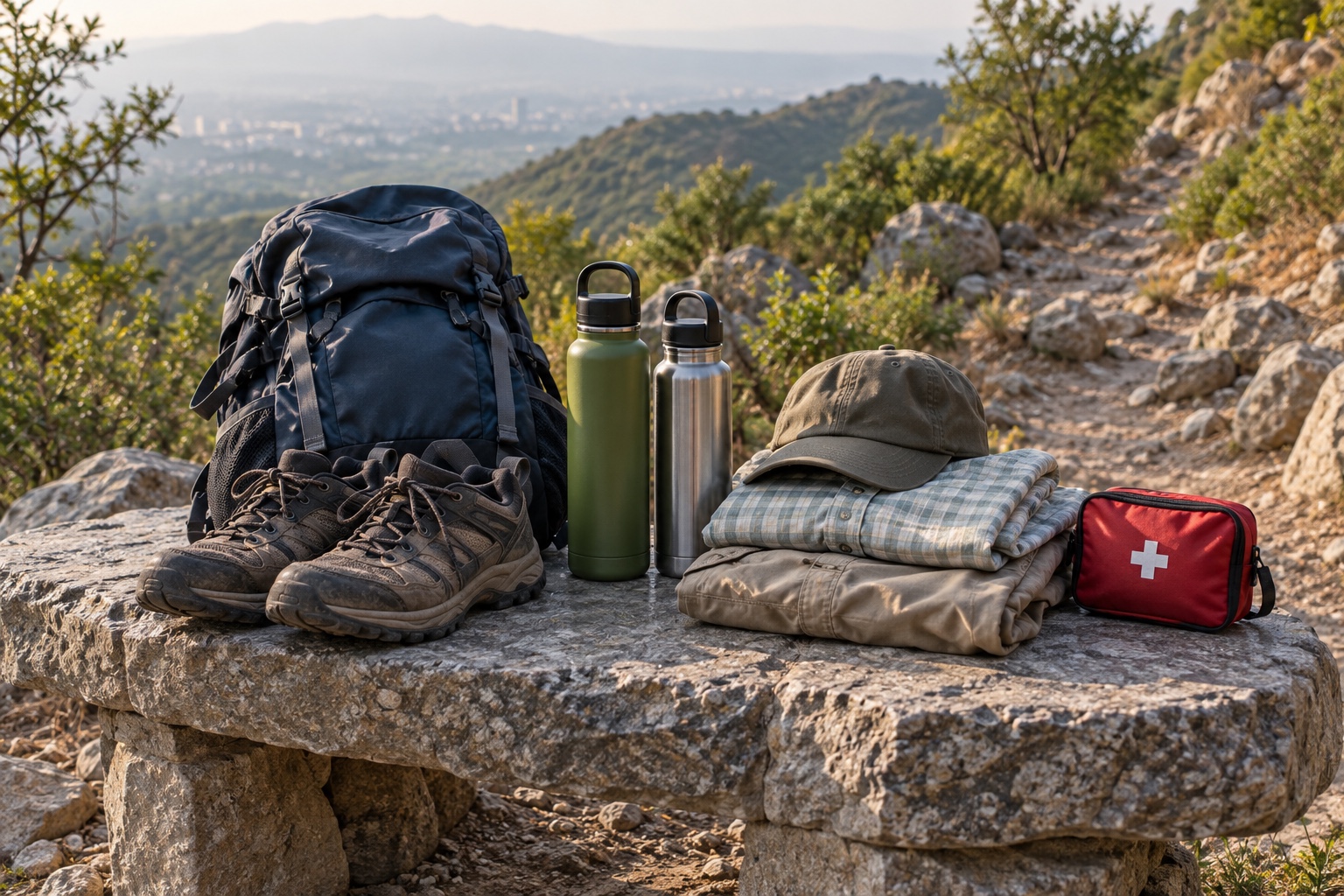
Karachi’s sea breeze at dawn is wasted on a 7pm “easy” run that is neither. Lahore’s canal and Islamabad’s Margalla edges punish late starters. Dark kit in hard sun is a dare; a cap is equipment. Hydrate the day before. When sweat stops cooling you, you are collecting a medical story, not fitness.
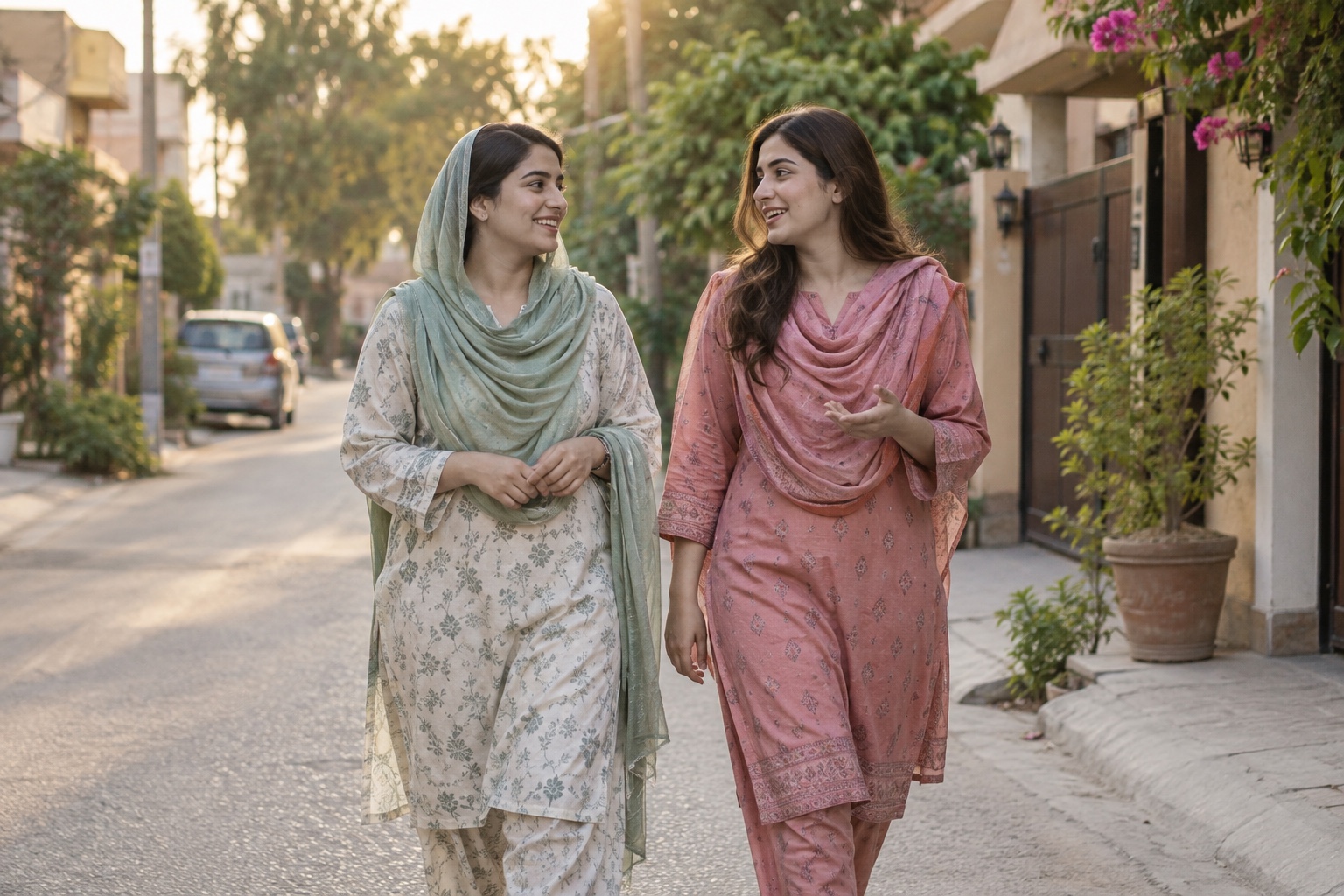
Women’s dawn groups often handle light, company, and route choice more carefully than some men’s packs. Join the group that waits at corners and carries water. Commitment is showing up near 5:15. Recklessness is a different sport. If you cannot speak in sentences, slow down or stop.
City routes without treating arteries as tracks
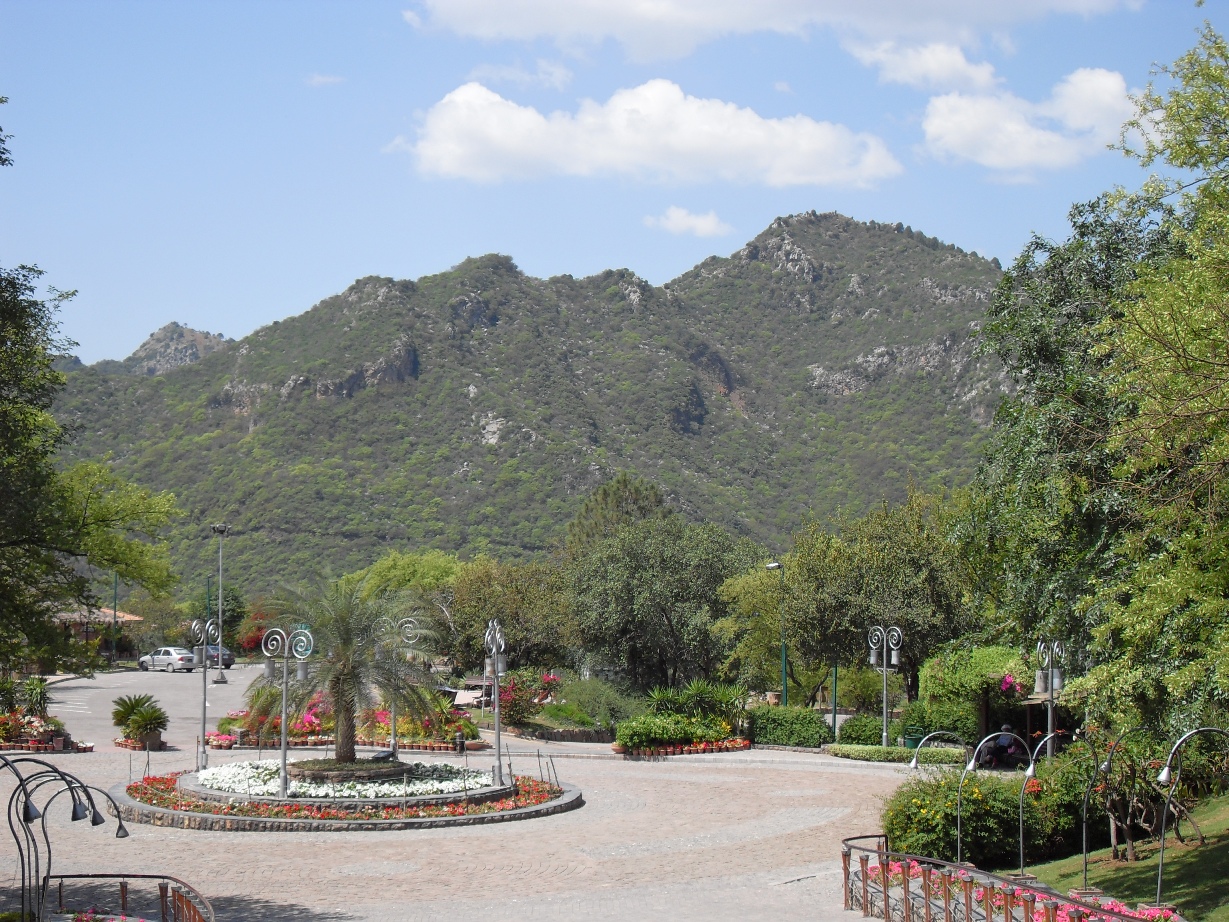
Margalla approaches early offer shade and a surface kinder than some city concrete, not a brand experience. Come down before weekends turn paths into social malls. By mid-morning in June, rock holds heat. Personal bests can wait for winter; the protected dawn slot is the asset.
DHA phases and similar gated loops offer security and pavement that is sometimes honest pavement. Use them if safe and close. Do not confuse a gate with a training camp. Traffic still exists at the exit. The sun still exists above it.
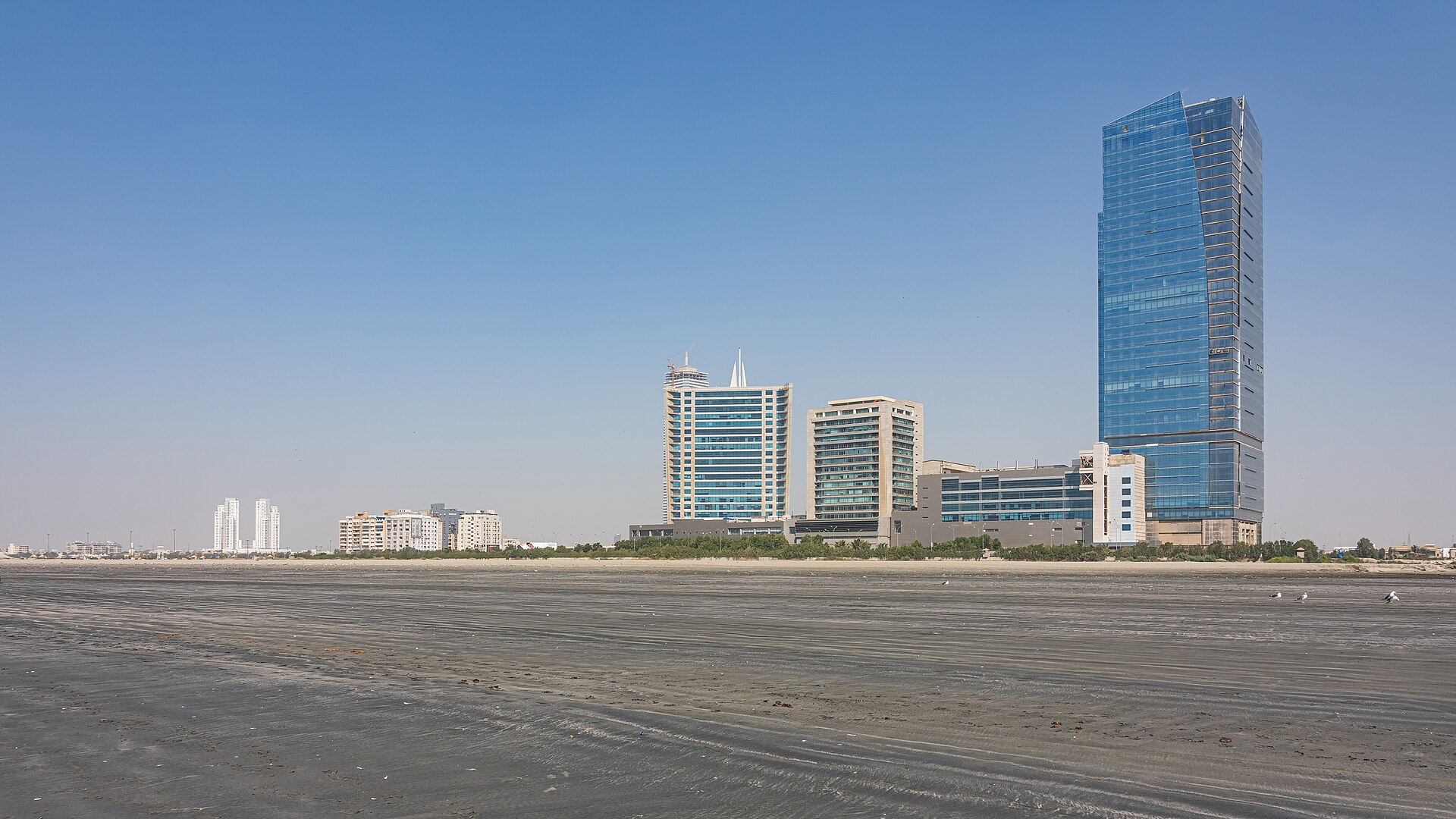
Karachi: sea road at dawn, or a club ground if available, not treating Shahrah-e-Faisal as a personality. Lahore: canal in the dark, university loops when accessible. Sea-road and canal paths still involve vehicles, street dogs, and uneven surfaces. Run against traffic where that is the local safer custom, or choose sidewalks that exist. Headphones at low volume or one ear only near cars. Carry ID. Tell someone your loop.
| Session | Summer rule |
|---|---|
| Easy run | Dawn; talkable pace; water in hand |
| Quality | Short hills or brief repeats only in cool hours |
| Long | Allowed to shorten; walk breaks legitimate |
| Strength | Two short sessions; not maximal after a hot run |
| Rest | Scheduled, not earned through injury |
Heat literacy without toughness theatre
CDC prevention guidance emphasises scheduling activity for cooler hours, hydration, and recognising heat illness early. WHO’s heat-and-health overview likewise treats extreme heat as a health hazard that disproportionately harms people who ignore warning signs. For runners, the practical translation is dull: start earlier, slow down, carry water, wear a cap, and abandon pace goals when the air argues.
Warning signs that should end the session include dizziness, confusion, nausea, unusually rapid heartbeat relative to effort, headache that arrives like a wall, and skin that stops sweating when it should still be cooling you. Those are not badges. They are reasons to stop, cool, and seek help if they worsen.
Shoes you can buy here
Nike and Asics appear in malls, retail, outlet, cousin-from-abroad. If budget and fit allow, they are tools. Servis and everyday options get many people around a dawn loop. Bata Pakistan and Ndure are accessible starting points: a shoe on your foot at 5am beats a carbon plate in a cupboard. Replace foam when it is done; local pavement is honest about death dates.
Rotate two pairs if you can. Wet humid-morning shoes need drying. Socks matter. Treat hotspots before they blister. Keep a spare pair of socks in the car or bag for humid mornings.
Fuel, Ramadan, monsoon
Dawn running still needs yesterday’s hydration and breakfast afterward. Yoghurt, eggs, bread, fruit, salted food beat empty stomachs followed by late energy drinks. Fasted religious training should stay shorter and easier in late spring heat. Sehri then a shuffle only if you insist, or wait until after iftar and keep it short. Club runs late morning in the last Ramadan week are carelessness.
Monsoon floods canal edges and slicks tiles; swap to treadmill or indoor easy work when footing is stupid. Some winter weeks in Lahore and other cities make outdoor running a respiratory argument. Use indoor easy miles, a gym treadmill, or brisk stair work when air is visibly hostile. Pride about “never skipping outdoor” is how people collect coughs. Check local air quality reports when available and believe your throat.
Beginner eight-week shape without a PDF cosplay
Weeks 1–2: three walk-run sessions at dawn, total twenty to thirty minutes. Weeks 3–4: reduce walk breaks as speech stays easy. Weeks 5–6: add one slightly longer Sunday that remains conversational. Weeks 7–8: keep three easy, add one short hill or stride session only if mornings stay cool. Strength twice throughout, hinges, single-leg work, calves, and trunk. Rest when sleep collapses. That shape is enough to become a runner without becoming a patient.
A week that survives heat looks like three easy runs, one short quality session in the coolest hour, one long run allowed to shorten, strength twice, and sleep treated like a sport. Track four fields only: start time, route, speech at the end, and whether you ate within an hour.
Groups, coaches, and urban realities
Helpful groups wait, carry water, and adjust pace for the slowest committed member who still trains honestly. Performative groups film every kilometre and strand people at corners. Choose accordingly. Mixed groups should take women’s safety logistics seriously without turning women into problems; share routes, lights, and exit plans. Harassment and staring remain issues on some routes, groups, changing routes, and choosing hours are coping strategies, not acceptance of the behaviour.
Coaches who sell only suffering in June are selling injury. Coaches who talk breakfast, shoes, and dawn slots are doing climate-literate work. Pay for the second kind if you pay at all. Race entries are optional. Many Pakistani runners thrive on route habits, canal markers, DHA loops, sea-road turnarounds, without medals. If you do race, respect heat cutoffs and your training, not your ego bib.
Watches, ego, and the veto
A watch that beeps in oppressive heat is not a coach. Use it for sunrise alarms and route memory if it helps; ignore pace targets that were written for October. Heart-rate toys can be useful for easy-day discipline and equally useful for anxiety. If the device makes you ignore speech and heat signs, leave it at home for a week and reclaim feel.
Strava segments on dangerous roads are how people earn hospital stories with trophies attached. Skip segments that require sprinting through traffic. When heat and air both fail you, swim if you have access, cycle easy indoors, or walk malls that open early, whatever keeps the aerobic habit without medical drama.
Strength that supports running without stealing the legs
Two short strength sessions, hinges, single-leg work, calves, and trunk, support tendons better than random max bench presses after long hot runs. Keep strength easy in the same week as your longest run. If calves chronically tighten, look at shoes, volume jumps, and hill excess before buying another gadget.
If injury sidelines you, replace runs with walks and strength you can do pain-free rather than disappearing entirely. Identity that can only exist at race pace is fragile. Identity that includes dawn movement in some form survives the season.
City-by-city heat notes without pretending one map fits
Karachi’s humidity can make “only 32°C” feel like an argument; dawn sea-road still wins over evening asphalt that never cooled. Lahore’s dry heat and canal microclimates punish late starts and reward earlier ones; smog weeks in winter may veto outdoor pride entirely. Islamabad’s Margalla edges offer kinder surfaces early, then turn into furnaces when rock holds midday heat. In all three, the shared rule is the same: speech first, pace later, water in the hand.
Club grounds and campus loops, when accessible, can be safer than arterial roads. Access is a privilege with rules, do not treat a gate as a public track without permission. Where FCDO or local advice flags urban caution, treat crowded protests and unpredictable districts as reasons to change the route, not as scenery.
What a surviving summer week looks like on paper
Write five lines on the fridge: three dawn easy runs, one short quality session only if mornings stay cool, one long run allowed to shrink, strength twice, sleep defended. Cross them off. If heat vetoes the quality day, walk or cut, do not move it to 2pm out of stubbornness. Winter can have the personal best conversation. Summer’s job is keeping you available for winter.
When family obligations destroy a dawn week, walk in the evening if air and safety allow, or accept the rest without melodrama. Habit survives interruption better when interruption is not treated as moral collapse. Winter will invite pace ego; keep the dawn habit anyway so summer does not require rebuilding your life from zero. Start before the sun argues. Come home able to eat breakfast. That remains the method.
Sources and official profiles
Filed under
Was this helpful?
Keep reading
Related stories
More from this desk, this beat, and the tags on this piece.
Readers
The conversation
0 notes
Anyone can leave a note. Guests add a name and email — no account required, and the email is never published.
No notes yet. Yours would be the first.