Workwear
Business-casual Pakistani clothes for UK and US offices
A practical guide to business-casual pakistani clothes for uk and us offices, with specific advice on dress-code signals, trousers, kurtas, jackets, knit layers
By Zainab Noor
Fashion writer
15 min read
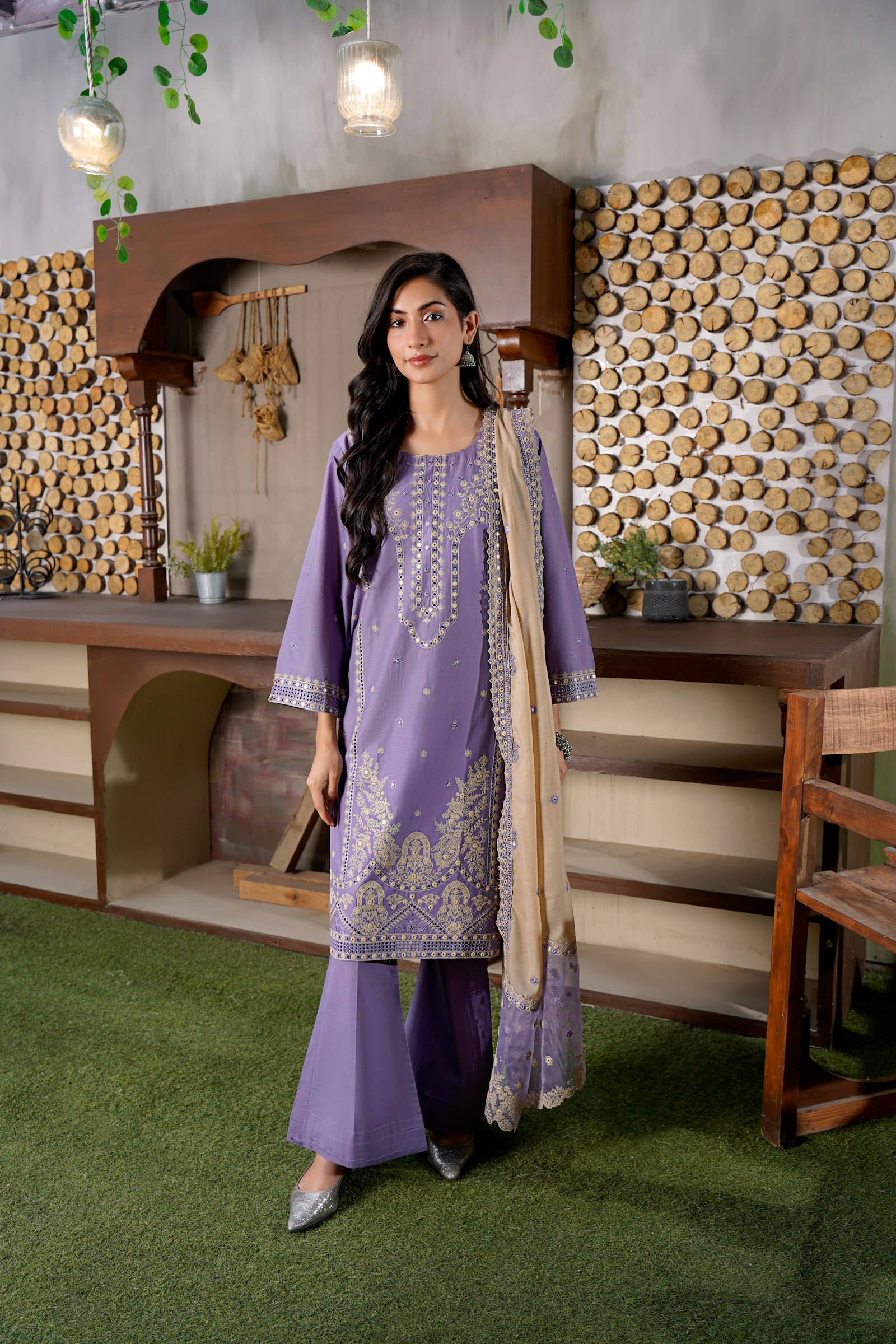
Business-casual Pakistani clothes for UK and US offices should solve a wardrobe problem before it creates a photograph. Start with dress-code signals, then judge every attractive option against repeat wear and the conditions in which the clothes will actually be worn.
For Business-casual Pakistani clothes for UK and US offices, which test reveals most about kurtas before you buy or tailor?
— A question for PakStyles readers
Dress-code signals: where to begin
Assess dress-code signals on the body and under the conditions in which the clothes will be worn. Sit, walk, lift the arms and inspect the garment in ordinary light; photograph the result and record any material, measurement or alteration involved. Before paying, ask who is responsible if dress-code signals differs from the sample or written specification, and whether that change affects returns. Photograph the result of the dress-code signals check in ordinary light and keep the relevant measurement or written answer beside it.
Photograph and write down the answer about dress-code signals while the exact sample, listing or quotation is visible. Include measurements, materials, colour and date. Memory tends to merge similar options after several appointments; a clear record keeps the comparison honest.
For dress-code signals, add one inspectable piece of evidence during editing: a measurement, label, policy, dated listing, maker statement, official page, primary cultural source or clearly attributed specialist reference. In section 1 of Business-casual Pakistani clothes for UK and US offices, make the boundary explicit so a reader can tell what is verified, what is practical judgement and what may vary by person or context.
- State what a reader should inspect or record for dress-code signals.
- Name the condition that would change the recommendation.
- Keep preference separate from a factual or safety claim.
- Add a concrete example without implying PakStyles tested or witnessed it.
Trousers: what to look for
Assess trousers on the body and under the conditions in which the clothes will be worn. Sit, walk, lift the arms and inspect the garment in ordinary light; photograph the result and record any material, measurement or alteration involved. Before paying, ask who is responsible if trousers differs from the sample or written specification, and whether that change affects returns. Photograph the result of the trousers check in ordinary light and keep the relevant measurement or written answer beside it.
Test trousers with the complete outfit and in ordinary light. Sit, walk, lift the arms and use the intended shoes, jewellery or layers. A decision that works only for a still photograph has not yet solved Business-casual Pakistani clothes for UK and US offices.
For trousers, add one inspectable piece of evidence during editing: a measurement, label, policy, dated listing, maker statement, official page, primary cultural source or clearly attributed specialist reference. In section 2 of Business-casual Pakistani clothes for UK and US offices, make the boundary explicit so a reader can tell what is verified, what is practical judgement and what may vary by person or context.
- State what a reader should inspect or record for trousers.
- Name the condition that would change the recommendation.
- Keep preference separate from a factual or safety claim.
- Add a concrete example without implying PakStyles tested or witnessed it.
Kurtas: common mistakes
Assess kurtas on the body and under the conditions in which the clothes will be worn. Sit, walk, lift the arms and inspect the garment in ordinary light; photograph the result and record any material, measurement or alteration involved. Before paying, ask who is responsible if kurtas differs from the sample or written specification, and whether that change affects returns. Photograph the result of the kurtas check in ordinary light and keep the relevant measurement or written answer beside it.
Ask who carries responsibility if the agreed approach to kurtas differs from the written brief. Put alterations, remake limits, returns, delivery and the final wearable date in writing. The useful promise is the one that still makes sense after money changes hands.
For kurtas, add one inspectable piece of evidence during editing: a measurement, label, policy, dated listing, maker statement, official page, primary cultural source or clearly attributed specialist reference. In section 3 of Business-casual Pakistani clothes for UK and US offices, make the boundary explicit so a reader can tell what is verified, what is practical judgement and what may vary by person or context.
- State what a reader should inspect or record for kurtas.
- Name the condition that would change the recommendation.
- Keep preference separate from a factual or safety claim.
- Add a concrete example without implying PakStyles tested or witnessed it.
Jackets: a practical test
Assess jackets on the body and under the conditions in which the clothes will be worn. Sit, walk, lift the arms and inspect the garment in ordinary light; photograph the result and record any material, measurement or alteration involved. Before paying, ask who is responsible if jackets differs from the sample or written specification, and whether that change affects returns. Photograph the result of the jackets check in ordinary light and keep the relevant measurement or written answer beside it.
Consider the second use before approving jackets. Removing one accessory, changing the dupatta or pairing a separate differently can reveal whether the purchase has a life beyond one event. Repeat value is practical, not a demand to dress every ceremony alike.
For jackets, add one inspectable piece of evidence during editing: a measurement, label, policy, dated listing, maker statement, official page, primary cultural source or clearly attributed specialist reference. In section 4 of Business-casual Pakistani clothes for UK and US offices, make the boundary explicit so a reader can tell what is verified, what is practical judgement and what may vary by person or context.
- State what a reader should inspect or record for jackets.
- Name the condition that would change the recommendation.
- Keep preference separate from a factual or safety claim.
- Add a concrete example without implying PakStyles tested or witnessed it.
Knit layers: where to begin
Assess knit layers on the body and under the conditions in which the clothes will be worn. Sit, walk, lift the arms and inspect the garment in ordinary light; photograph the result and record any material, measurement or alteration involved. Before paying, ask who is responsible if knit layers differs from the sample or written specification, and whether that change affects returns. Photograph the result of the knit layers check in ordinary light and keep the relevant measurement or written answer beside it.
Photograph and write down the answer about knit layers while the exact sample, listing or quotation is visible. Include measurements, materials, colour and date. Memory tends to merge similar options after several appointments; a clear record keeps the comparison honest.
For knit layers, add one inspectable piece of evidence during editing: a measurement, label, policy, dated listing, maker statement, official page, primary cultural source or clearly attributed specialist reference. In section 5 of Business-casual Pakistani clothes for UK and US offices, make the boundary explicit so a reader can tell what is verified, what is practical judgement and what may vary by person or context.
- State what a reader should inspect or record for knit layers.
- Name the condition that would change the recommendation.
- Keep preference separate from a factual or safety claim.
- Add a concrete example without implying PakStyles tested or witnessed it.
Footwear: what to look for
Assess footwear on the body and under the conditions in which the clothes will be worn. Sit, walk, lift the arms and inspect the garment in ordinary light; photograph the result and record any material, measurement or alteration involved. Before paying, ask who is responsible if footwear differs from the sample or written specification, and whether that change affects returns. Photograph the result of the footwear check in ordinary light and keep the relevant measurement or written answer beside it.
Test footwear with the complete outfit and in ordinary light. Sit, walk, lift the arms and use the intended shoes, jewellery or layers. A decision that works only for a still photograph has not yet solved Business-casual Pakistani clothes for UK and US offices.
For footwear, add one inspectable piece of evidence during editing: a measurement, label, policy, dated listing, maker statement, official page, primary cultural source or clearly attributed specialist reference. In section 6 of Business-casual Pakistani clothes for UK and US offices, make the boundary explicit so a reader can tell what is verified, what is practical judgement and what may vary by person or context.
- State what a reader should inspect or record for footwear.
- Name the condition that would change the recommendation.
- Keep preference separate from a factual or safety claim.
- Add a concrete example without implying PakStyles tested or witnessed it.
Climate: common mistakes
Assess climate on the body and under the conditions in which the clothes will be worn. Sit, walk, lift the arms and inspect the garment in ordinary light; photograph the result and record any material, measurement or alteration involved. Before paying, ask who is responsible if climate differs from the sample or written specification, and whether that change affects returns. Photograph the result of the climate check in ordinary light and keep the relevant measurement or written answer beside it.
Ask who carries responsibility if the agreed approach to climate differs from the written brief. Put alterations, remake limits, returns, delivery and the final wearable date in writing. The useful promise is the one that still makes sense after money changes hands.
For climate, add one inspectable piece of evidence during editing: a measurement, label, policy, dated listing, maker statement, official page, primary cultural source or clearly attributed specialist reference. In section 7 of Business-casual Pakistani clothes for UK and US offices, make the boundary explicit so a reader can tell what is verified, what is practical judgement and what may vary by person or context.
- State what a reader should inspect or record for climate.
- Name the condition that would change the recommendation.
- Keep preference separate from a factual or safety claim.
- Add a concrete example without implying PakStyles tested or witnessed it.
Repeat wear: a practical test
Build a second outfit before approving the first. Remove the heaviest accessory, change the dupatta or separate and test the piece with shoes already owned. If it only works with one complete ceremony look, treat that limited use honestly when comparing price, storage and care. Photograph the result of the repeat wear check in ordinary light and keep the relevant measurement or written answer beside it.
Consider the second use before approving repeat wear. Removing one accessory, changing the dupatta or pairing a separate differently can reveal whether the purchase has a life beyond one event. Repeat value is practical, not a demand to dress every ceremony alike.
For repeat wear, add one inspectable piece of evidence during editing: a measurement, label, policy, dated listing, maker statement, official page, primary cultural source or clearly attributed specialist reference. In section 8 of Business-casual Pakistani clothes for UK and US offices, make the boundary explicit so a reader can tell what is verified, what is practical judgement and what may vary by person or context.
- State what a reader should inspect or record for repeat wear.
- Name the condition that would change the recommendation.
- Keep preference separate from a factual or safety claim.
- Add a concrete example without implying PakStyles tested or witnessed it.
What would you tell the next reader?
For Business-casual Pakistani clothes for UK and US offices, which test reveals most about kurtas before you buy or tailor? Share the city, date and conditions that shaped your answer, and explain how repeat wear changed. A useful comment gives the next reader something they can test; it does not need to declare one family method, shop, route or tradition universally correct.
For what would you tell the next reader?, add one inspectable piece of evidence during editing: a measurement, label, policy, dated listing, maker statement, official page, primary cultural source or clearly attributed specialist reference. In section 9 of Business-casual Pakistani clothes for UK and US offices, make the boundary explicit so a reader can tell what is verified, what is practical judgement and what may vary by person or context.
- State what a reader should inspect or record for what would you tell the next reader?.
- Name the condition that would change the recommendation.
- Keep preference separate from a factual or safety claim.
- Add a concrete example without implying PakStyles tested or witnessed it.
A practical decision framework
Use this guide as a sequence rather than a shopping list. Start with Dress-code signals, because an early constraint usually changes which later options remain sensible. Then compare Knit layers against the real conditions in which the decision will be used. Finish with What would you tell the next reader? only after the earlier checks are recorded. This prevents one attractive detail from overruling fit, safety, timing, budget or practicality.
Write down the decision in one sentence before acting: what you are choosing, for whom, for what date or situation, and what would make you change course. For Business-casual Pakistani clothes for UK and US offices, that short brief is more useful than collecting more inspiration. It gives every later claim, product, route, recipe step or training choice something concrete to answer.
Where the answer depends on a seller, venue, operator, clinician, coach, current road condition, product label or official rule, treat the information as time-sensitive. Save the source and date checked. If the information cannot be verified, say so in the article rather than converting uncertainty into a confident instruction.
- Define the reader, situation and desired outcome before comparing options.
- Separate facts that can be verified from preferences that depend on the reader.
- Record the cost, time, fit, safety or access constraint most likely to change the decision.
- Add a fallback that still works if the preferred option becomes unavailable.
- Re-check time-sensitive information immediately before publication and again before acting on it.
What to verify before relying on this guide
Verify any claim that could materially affect a purchase, contract, cultural interpretation, safety decision or financial choice. Prefer a primary document, maker, regulator, official institution or clearly identified specialist source when one exists.
PakStyles should distinguish a durable principle from a current fact. Durable guidance can explain how to compare options; current facts such as prices, opening times, stock, product formulations, medical recommendations, road access, weather, event rules and service availability need a dated source. Where a primary or official source exists, prefer it over an undated summary.
Any example added during editing should be attributable. Do not imply that PakStyles bought a product, attended an event, cooked a recipe, visited a location or tested a service unless that actually happened and can be documented. The useful standard is not sounding certain; it is making the evidence trail clear enough that a reader can check it.
- Verify prices, policies, availability and product specifications against a dated primary source where relevant.
- Attribute cultural, historical or craft claims to an identifiable source.
- Label editorial judgement as judgement rather than universal fact.
- Check that examples do not imply first-hand testing or attendance.
- Human-review the article for overclaiming, missing context and reader harm before publication.
Common mistakes that weaken the decision
The first mistake is optimising for a single visible feature while ignoring the surrounding system. A cheap price can be undone by alterations or travel; a beautiful route can fail because of daylight and road conditions; a technically sound workout can be inappropriate for the person doing it. Read the recommendation in context and keep the limiting factor visible.
The second mistake is treating a category label as evidence. Terms such as premium, authentic, natural, healthy, traditional, beginner-friendly, luxury, dermatologist-tested or family-friendly can be useful descriptions, but they do not answer the practical question by themselves. Ask what measurable detail, named source or observable result supports the label in this specific case.
The third mistake is publishing advice that cannot survive a simple reader question: “How do you know?” Every material claim in Business-casual Pakistani clothes for UK and US offices should be traceable either to an official source, a clearly identified specialist source, a product or service document, or an explicitly labelled editorial judgement.
- Do not turn one anecdote into a general rule.
- Do not hide uncertainty behind vague phrases such as “experts say”.
- Do not use an old price, timetable, formulation or access rule without a date.
- Do not use stock imagery to imply first-hand testing, attendance or travel.
- Do not publish a health or safety claim merely because it sounds cautious.
Questions to answer before you act
A strong guide should leave the reader with fewer unknowns, not simply more options. Before acting on Business-casual Pakistani clothes for UK and US offices, answer the questions below in writing or mentally. If several answers remain uncertain, that is a signal to verify rather than rush.
The questions are deliberately practical. They focus on the point at which advice becomes a real decision: who is affected, what can change, what the fallback is, and what evidence supports the claim. Editors can also use them as a final pass to spot confident sentences that still lack a source or a boundary.
- What is the main constraint: fit, time, money, safety, access, comfort, skill or availability?
- Which part of this decision is personal preference and which part is a verifiable fact?
- What would make the recommended option unsuitable for this reader?
- What is the lower-risk or lower-cost fallback?
- Which fact needs to be checked again on the day of purchase, travel, cooking, training or use?
The strongest answer to Business-casual Pakistani clothes for UK and US offices should still make sense after the campaign photograph disappears. Let fit, movement and repeat wear make the final argument. Add one note after trying the guide: what you used, where and when you tested it, what changed, and what you would do differently. Those four details turn personal experience into practical help without pretending that every kitchen, body, budget, route or family works the same way.
Filed under
Keep reading
Related stories
More from this desk, this beat, and the tags on this piece.
Office Eid lunch dressing: festive without looking ceremony-ready
Zainab Noor · 13 Sep 2026 · 15 min
What to wear to a job interview when you prefer Pakistani clothes
Zainab Noor · 13 Sep 2026 · 17 min
Pakistani workwear for teachers: movement, pockets and washability
Zainab Noor · 13 Sep 2026 · 16 min
Pakistani formalwear for a British wedding: groom and guest options
Zainab Noor · 13 Sep 2026 · 15 min